Choosing the right supplier can shape a project long after installation ends. In 2026, construction teams face changing energy standards, tighter schedules, higher material costs, and stronger demands for documented performance. This guide explains how to compare construction panel suppliers using evidence rather than polished sales claims. It focuses on panel composition, thermal performance, moisture resistance, fire testing, certifications, lead times, warranties, and technical support.
Building-science expert Dr. Joseph Lstiburek has repeatedly emphasized a practical principle: “Buildings should be designed to dry.” That idea matters when comparing insulated panels, structural panels, and exterior envelope systems. A supplier should explain how its panels manage water, vapor, air movement, joints, and real installation errors. Ask for current test reports, product data sheets, project references, and written warranty conditions. Do not rely on a single impressive specification.
The comparison process should also examine factory consistency. Visit a production site when possible. Check how panels are stored, cut, labeled, and protected before delivery. Review typical lead times, replacement procedures, minimum order quantities, and responses to technical questions. A lower quotation may hide costly accessories, transport limits, or complicated installation requirements. No supplier scorecard is perfect. Human judgment still matters. We may overlook regional climate risks or underestimate installer experience. That weakness deserves attention, not denial. The strongest supplier is rarely the cheapest option. It is the partner that provides verified performance, clear communication, dependable delivery, and practical support from design through installation.
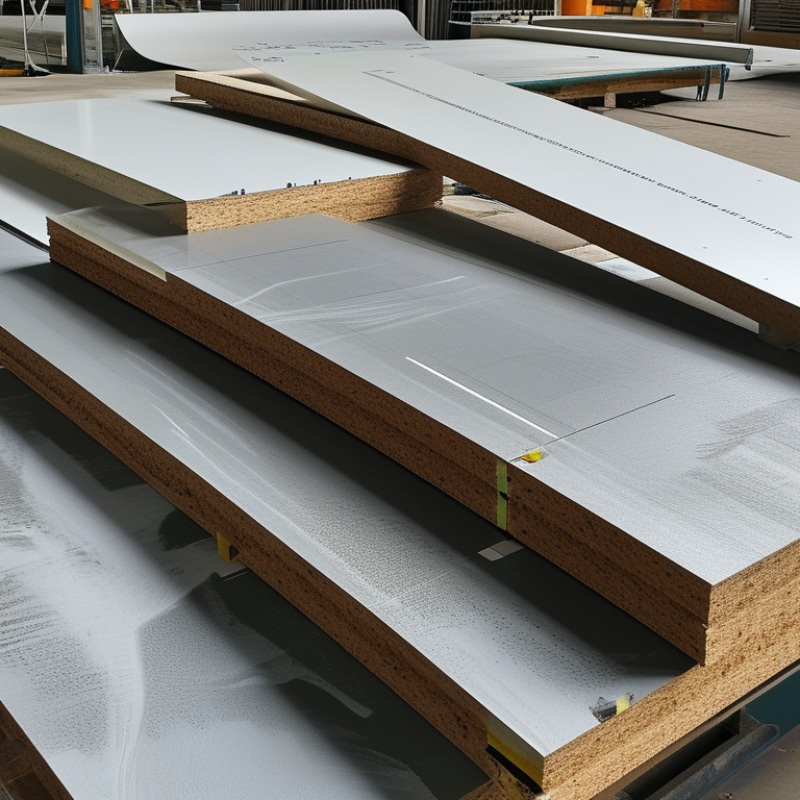
What Construction Panels Are and Why Supplier Choice Matters
2026 Best Guide to Compare Construction Panel Suppliers
Construction panels are engineered sheets used for walls, roofs, floors, and interior partitions. They may contain timber fibers, cement, gypsum, insulation, or layered composites. Some panels carry structural loads. Others only provide insulation, moisture control, or a finished surface. The difference matters. A panel can look strong but perform poorly around joints, edges, or repeated humidity. On active construction sites, poor fit often creates cutting waste, delays, and hidden maintenance problems.
Supplier choice affects more than price. A dependable supplier should provide clear specifications, current test reports, batch information, and practical installation guidance. Check fire performance, moisture resistance, dimensional tolerance, load capacity, and surface quality. Ask for physical samples, not only digital images. Compare delivery protection too. Damaged corners can waste an entire day. Project references also reveal how suppliers handle shortages or technical questions. I have seen specifications that looked complete but omitted edge conditions. That is an easy mistake to miss.
Tips:
Request one sample panel and inspect its core, edges, weight, and finish. Confirm storage requirements before delivery. Ask who answers technical questions after purchase. If a supplier avoids measurable answers, pause. A cheaper panel may become expensive after rework. Supplier comparison should include evidence, not confident promises.
Key Criteria for Comparing Construction Panel Suppliers
2026 Best Guide to Compare Construction Panel Suppliers
Key Criteria for Comparing Construction Panel Suppliers
Comparing construction panel suppliers requires more than checking price lists. Start with performance data. Review load capacity, moisture resistance, fire behavior, thermal insulation, and acoustic results. These figures should come from current, traceable test reports. Ask whether the panels suit your climate and installation method. A sample panel can reveal edge damage, uneven surfaces, or weak protective packaging.
Experience matters on real projects. Ask for relevant project references, production capacity, and delivery records. Confirm dimensional tolerances before ordering. A small size variation can create visible gaps across a large wall. Check how the supplier handles damaged goods, technical questions, and urgent changes. Communication is part of product quality. Measure twice.
Reliability also depends on factory controls. Look for documented quality procedures, batch identification, inspection records, and consistent raw material sourcing. Independent certifications may support these claims, but certificates need verification. Do not accept scanned documents without checking their scope and validity. Compare the full cost, including transport, accessories, installation guidance, maintenance, and waste. A cheaper panel may require more labor. I have learned that supplier promises are not enough; written specifications and agreed acceptance criteria prevent difficult disputes. No supplier looks perfect on paper. That is worth remembering.
How to Evaluate Panel Quality, Compliance, and Performance
When comparing construction panel suppliers in 2026, inspect more than a smooth surface or attractive product sheet.
Request dated samples, batch records, and test reports matching the proposed panel specification. During a warehouse visit, check edges for swelling, delamination, crushed corners, and uneven coatings. Small defects often reveal poor handling or weak process control. Measure thickness at several points. Do not rely on one sample.
Compliance evidence should be specific, current, and traceable.
Ask which standard applies to fire reaction, structural loading, moisture resistance, emissions, and thermal performance. Confirm the testing laboratory’s accreditation and verify that reports cover the exact core, facing, thickness, and assembly.
Local building requirements may differ, so a generic certificate is not enough. An experienced supplier should explain limitations without hiding behind technical language. That matters.
Compare declared values with independent test data and installation conditions.
Thermal conductivity can change with moisture, joints, fixings, and aging. Request full-scale or assembly-level results where relevant. Ask how panels perform after repeated wetting, temperature changes, impact, and on-site cutting. Review warranty terms, inspection procedures, lead times, and replacement support. A low price may become expensive when tolerances are poor.
One weakness is easy to miss:
laboratory figures may be excellent, while installation guidance remains vague. Challenge that gap. Request method statements, installer training evidence, and a clear response process for failures. Record every answer in a comparison sheet; some decisions will still require careful judgment.
How to Compare Supplier Pricing, Capacity, and Delivery Services
Comparing construction panel suppliers in 2026 requires more than checking the lowest quoted price. Ask for a complete cost sheet covering panel prices, cutting fees, packaging, transport, taxes, and replacement policies. A quote that looks cheaper may exclude edge protection or site delivery. Request the price per square metre and per project. This makes different offers easier to measure.
Capacity should be tested with evidence, not confident promises. Ask about monthly output, current orders, equipment limits, and the largest completed shipment. A practical check is a small trial order. Inspect panel thickness, surface quality, moisture control, and packing before approving full production. I once focused on unit cost and overlooked limited weekend loading. That mistake delayed installation by four days.
Delivery service needs clear milestones. Confirm production time, dispatch schedules, loading photos, tracking documents, and the person responsible for delays. Compare standard delivery with urgent options, but check whether faster service changes protection or inspection standards. Reliable suppliers provide realistic dates and explain risks early. Still, forecasts can fail when materials or transport conditions change. Build a modest buffer into the schedule, especially when panels must arrive before cranes, crews, or interior trades. Ask for written quality records and delivery terms, not only verbal assurances.
2026 Construction Panel Supplier Comparison
This benchmark compares anonymized supplier profiles using three practical purchasing criteria: average panel price, monthly production capacity, and average delivery lead time. Lower pricing and shorter lead times are generally preferable, while higher capacity can support larger construction projects.
How to Select the Best Construction Panel Supplier for Your Project
2026 Best Guide to Compare Construction Panel Suppliers
Selecting the best construction panel supplier starts with your project’s actual demands. Define panel thickness, insulation value, fire performance, moisture resistance, and expected service life. A supplier should provide current technical data, test reports, installation guidance, and clear warranty terms. Do not rely on attractive pricing alone. Low upfront costs can hide difficult cutting, delayed deliveries, or frequent replacement.
Ask how each supplier manages quality control from raw materials to final packaging. Experienced teams should explain tolerances, batch consistency, storage requirements, and delivery protection. Request samples that match the proposed specification, then inspect their edges, surface finish, and dimensional accuracy. Speaking with contractors who have used similar panels can reveal practical problems that brochures rarely mention. I once underestimated delivery access on a tight site. That small oversight caused avoidable handling delays.
Tips: Compare suppliers using the same written specification. Check lead times against your construction schedule. Confirm whether technical support is available during installation. Review independent certifications, but verify their validity and testing scope. Ask what happens when panels arrive damaged or measurements change. A dependable supplier will answer directly, document commitments, and admit limitations. That honesty matters.
Conclusion
Construction panels are essential building components used for walls, roofs, floors, insulation, and structural protection, making the choice of supplier an important factor in project success. This guide explains how to compare construction panel suppliers by examining product range, material quality, manufacturing standards, technical support, and experience with similar projects. It also highlights the importance of checking compliance documentation, testing results, durability, fire and moisture performance, thermal efficiency, and installation requirements.
In addition, the guide explores how to compare supplier pricing, production capacity, lead times, transportation arrangements, customization options, warranties, and after-sales service. The best supplier should offer a balanced combination of dependable quality, competitive total costs, stable supply, clear communication, and delivery reliability. By reviewing these factors systematically and matching them with your project’s technical, budget, and scheduling needs, you can select a construction panel supplier that supports efficient construction and long-term building performance.

 Jonas Build