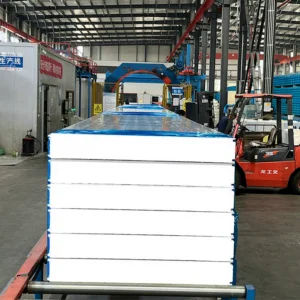
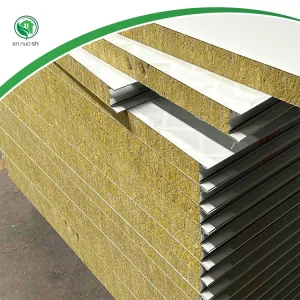
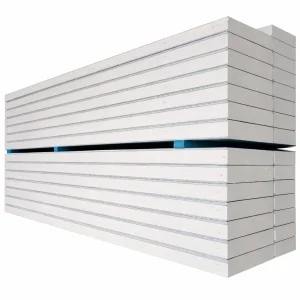
Explore our top-tier prefabricated industrial building envelopes engineered for low-temperature environments, commercial warehouses, and standard-compliant pharmaceutical cleanrooms.
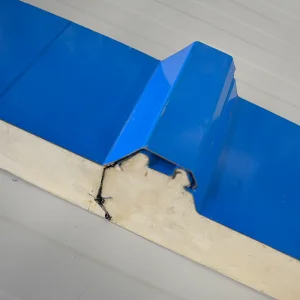
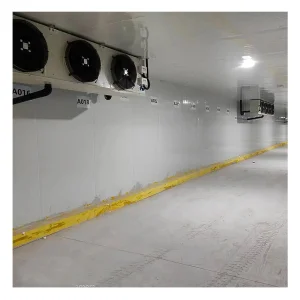
The cold chain infrastructure market is undergoing a rapid, technology-driven paradigm shift. Driven by the expansion of global biopharmaceuticals, direct-to-consumer grocery supply chains, and stringent international standards for food safety, the demand for high-performance insulated cold room panels has reached unprecedented levels. Today’s industrial operations require structural building envelopes that go far beyond simple cooling isolation. They demand engineered solutions offering structural durability, severe fire-resistance, sound dampening, and advanced thermal performance.
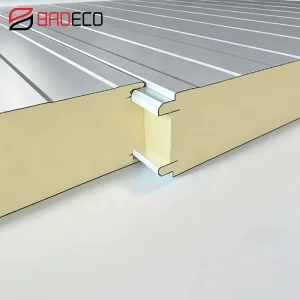
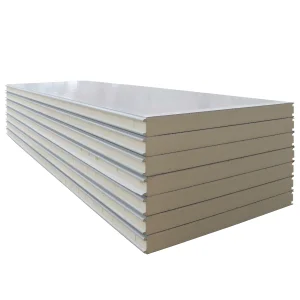
The transition from traditional EPS to advanced Polyisocyanurate (PIR) and Polyurethane (PU) formulations has revolutionized the industry. Rigid PIR foam cores provide exceptional R-value stability, ensuring minimal energy loss even at extreme thermal differentials between external ambient conditions and sub-zero interior facilities.
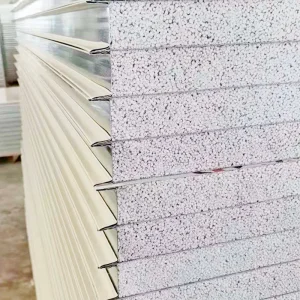
With changing construction codes worldwide, B1/B2 fire classification and FM Global approvals are critical. Material configurations utilizing Rock Wool core matrices or integrated Magnesium Oxide (Mgo) sandwich layering offer dual performance: superior structural load capacity alongside robust passive fire-proofing.
The cold storage sector contributes significantly to energy consumption. Modern production of cold room panels leverages eco-friendly blowing agents with low global warming potential (GWP) and zero ozone depletion potential (ODP), aligned with LEED building system credits and global environmental regulations.
For engineering companies, EPC contractors, and cold chain managers, procuring cold room paneling is a multifaceted engineering decision. B2B decision-makers must balance thermal resistance, ease of assembly, structural load charts, and international shipping dimensions.
Multi-temperature zone structures require high-performance partitioning. Our internal insulated partition walls (PU/PIR cores) allow for discrete microclimate zones in a single large warehouse. Interlocking joint systems are designed to eliminate thermal bridges and prevent moisture infiltration, stopping internal condensation that leads to ice buildup.
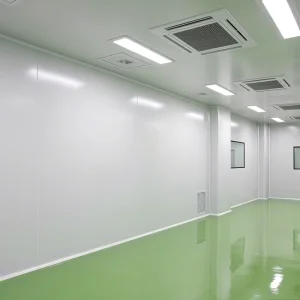
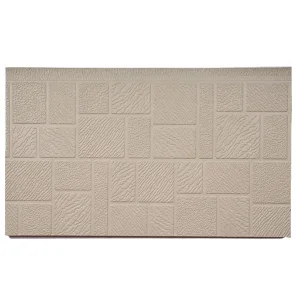
In pharmaceutical and electronics manufacturing, panels must be flush, dust-resistant, and chemically cleanable. Incorporating specialized surface options like pre-painted galvanized steel (PPGI), stainless steel, and antimicrobial coatings ensures our panels withstand aggressive chemical disinfection regimens without degradation.
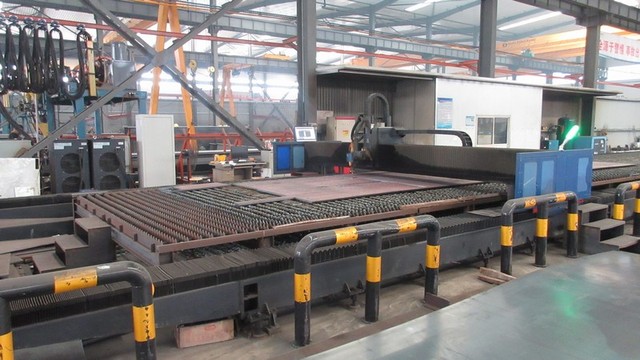
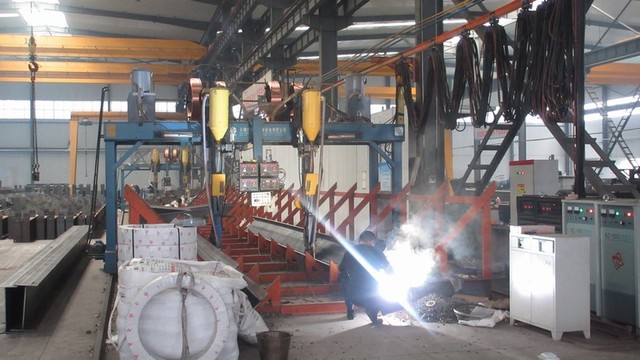
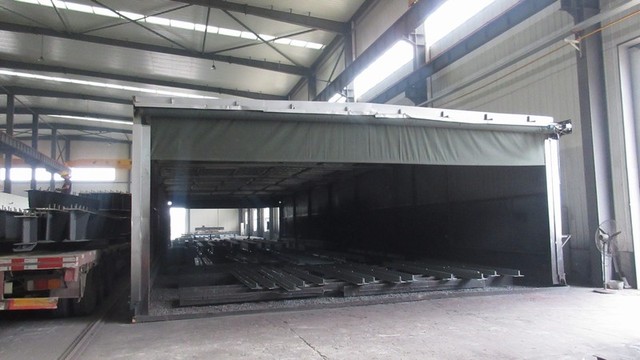
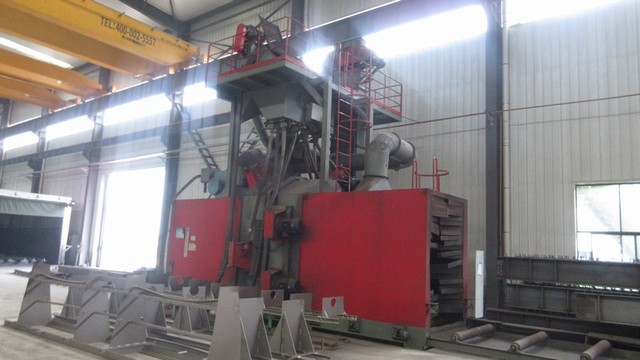
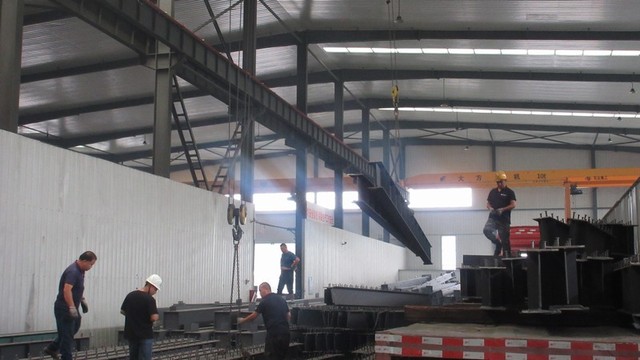
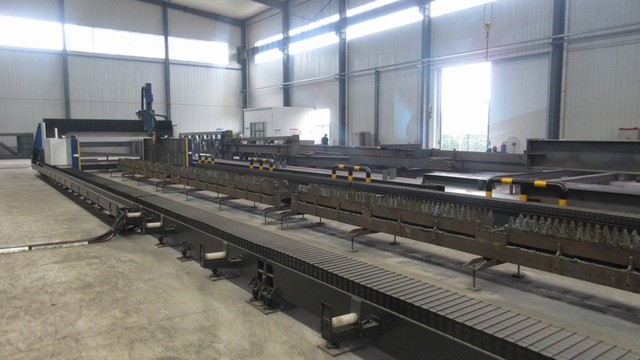
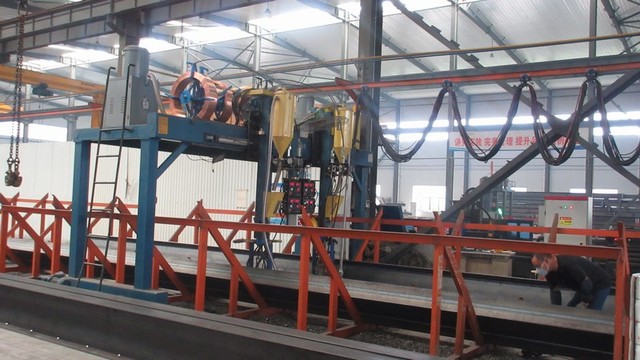
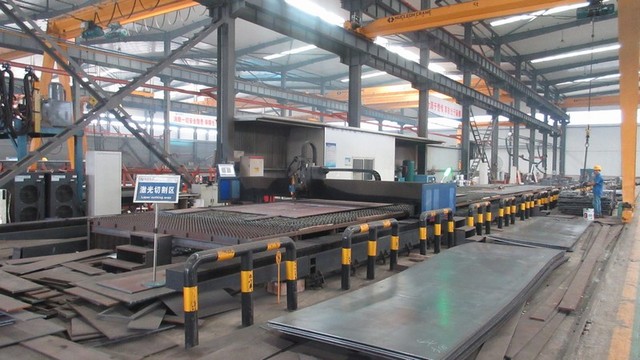
As globalization presents volatile shipping timelines and supply constraints, partnering with highly automated, modernized Chinese manufacturers is essential. Factory integration at our manufacturing center goes beyond high-volume output; we focus on precision digital control systems that guarantee quality.
Our factory operates advanced continuous laminating systems that apply uniform high pressure during core foaming. This delivers uniform density (typically 40-42 kg/m³) throughout the panel, preventing structural defects, internal air pockets, or delamination under thermal stress.
By utilizing computerized CNC sheeting lines, we achieve tight tolerances on panel joints (cam-lock and tongue-and-groove profiles). This precision accelerates installation times onsite and prevents ambient humidity from penetrating the structural envelope.
Jonas Build implements high-grade protective finishes, including standard PE, PVDF, and HDP coatings on outer steel skins. This provides resistance to salt-fog, chemical cleaners, and mechanical wear, ensuring the long-term durability of the installation.
Ningbo Jonas Build Co., Ltd. is a professional China industrial construction panel manufacturer specializing in insulated building panel solutions for global industrial and commercial construction projects. With extensive industry experience and advanced manufacturing capabilities, the company is committed to delivering high-quality, energy-efficient, and customized panel systems that meet the diverse requirements of customers worldwide.
The company provides a comprehensive range of products, including insulated sandwich panels, industrial wall panels, roofing panels, cold room panels, cleanroom panels, fire-rated panels, and customized building envelope solutions. Designed for superior thermal performance, structural reliability, and rapid installation, these products are widely used in industrial plants, warehouses, logistics centers, cold storage facilities, commercial buildings, modular construction projects, and infrastructure developments.
Ningbo Jonas Build Co., Ltd. operates modern production facilities equipped with advanced automated manufacturing lines, precision processing equipment, and strict quality inspection systems. Supported by a skilled team of engineers and technical specialists, the company offers one-stop services covering project consultation, product design, manufacturing, quality assurance, packaging, and international logistics coordination.
Innovation, quality, and sustainability are the core values driving the company's development. By utilizing advanced production technologies and premium raw materials, Jonas Build continuously enhances product performance in thermal insulation, fire resistance, weather protection, and energy efficiency. The company's panel systems help customers reduce construction time, lower operating costs, and improve overall building performance.
Committed to excellence and customer satisfaction, Ningbo Jonas Build Co., Ltd. has established long-term business relationships with clients across Asia, Europe, the Middle East, Africa, and the Americas. The company remains dedicated to providing reliable insulated building panel solutions that support sustainable construction and create long-term value for customers worldwide.
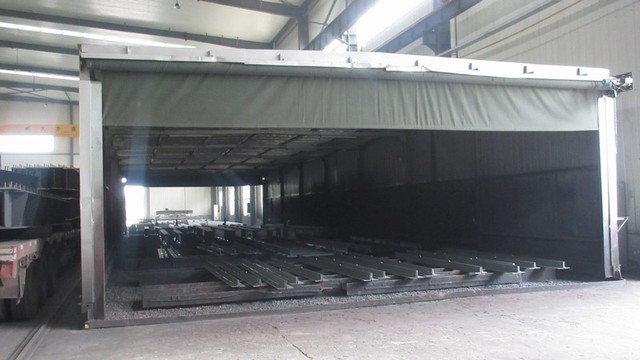
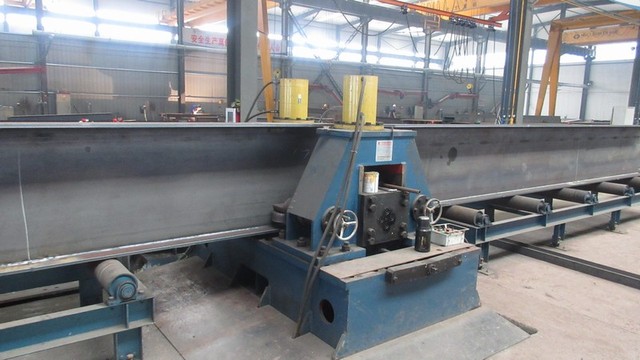
Different operational environments pose unique challenges. Our engineering team designs custom structural configurations optimized for specific regional regulations, thermal profiles, and environmental constraints.
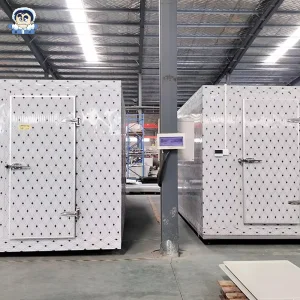
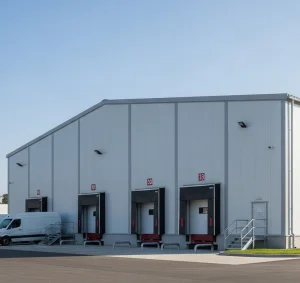
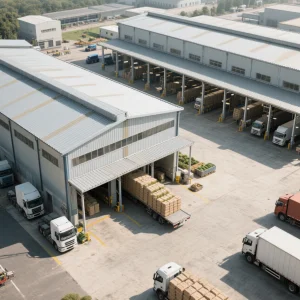
Modern logistics facilities demand large spans, thermal envelope integrity, and high door traffic endurance. Standard panels of 100mm to 150mm thicknesses are utilized to construct massive warehouses, minimizing runtime on large central refrigeration compressor units.
Agricultural operations require specific relative humidity levels. Our intelligent-control-equipped walk-in cool rooms feature condensation-free panel designs, preserving freshness and slowing respiration rates in harvested crops without causing structural rot.
Medical storage rooms require clean seals. Our GMP-compliant sterile panel systems prevent the colonization of biological pathogens, maintaining clean sterile room standard certifications worldwide.
Access expert insights on the physical properties, installation requirements, and selection parameters for cold room sandwich panels.
Answer: PUR (Polyurethane) and PIR (Polyisocyanurate) are both cellular polymers, but PIR is manufactured with an excess of isocyanurate, forming highly cross-linked chemical rings. This yields superior thermal resistance and, most importantly, much higher fire retardancy. Under flame exposure, PIR forms a protective char layer, meeting strict B1/B2 fire classification requirements, whereas PUR has a lower auto-ignition threshold and is classified typically as B2 or B3.
Answer: Selection relies directly on the target interior storage temperature. Generally:
Using the correct thickness avoids high energy draw on cooling systems and preserves internal conditions in the event of power outages.
Answer: Cam-lock connections feature embedded mechanical locks within the foam insulation core. During installation, workers use a hex wrench to lock the panels together tightly. This is ideal for walk-in cold rooms and portable storage units as it allows for easy disassembly and reassembly. Tongue-and-groove joints, typically used on continuous double-belt laminator production lines, are best for larger warehouses. They utilize structural adhesive sealant or joint tape to form a continuous thermal barrier.
Answer: Yes. However, ceiling panel layout requires analysis of structural load capacity and deflection limits. Large roof spans must use integrated suspension hangers or structural steel support frames (such as portals or tie-rods) to support the weight of the panels, light fixtures, and evaporators.
Answer: Food processing zones are regularly washed down with chemicals. For standard applications, pre-painted galvanized steel (PPGI) with a PVDF coating is recommended. In high-humidity, marine, or acidic processing areas, we recommend 304 or 316-grade stainless steel skins to prevent corrosion and oxidation.
Complete your project with our specialized insulation panels, structural framing components, and cleanroom-grade accessories.
 Jonas Build