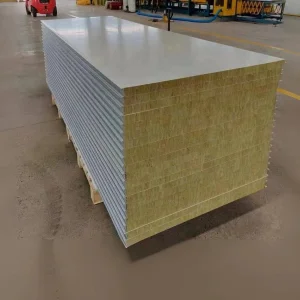
Select high-performance structural sandwich panels built with mineral wool insulation cores designed to withstand structural loads and strict environmental criteria.
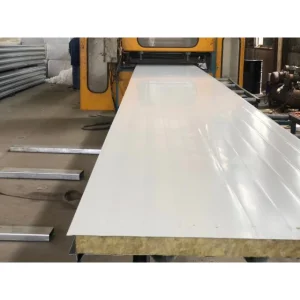
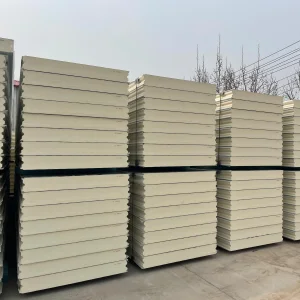
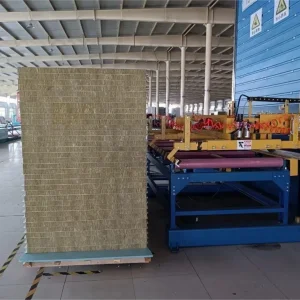
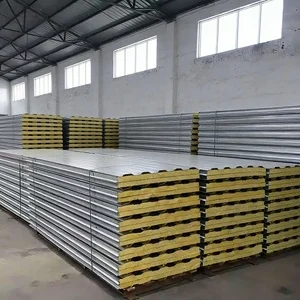
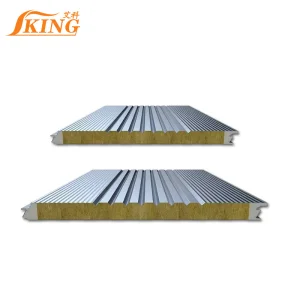
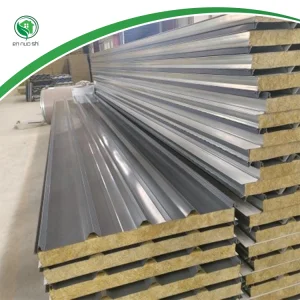
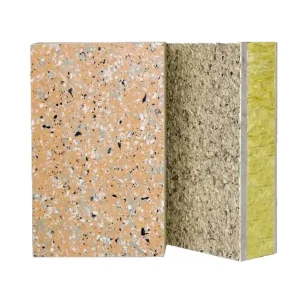
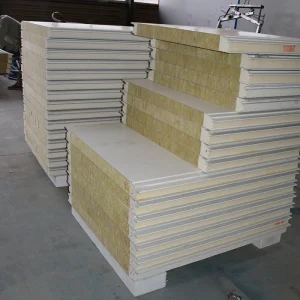
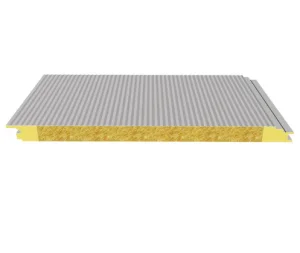
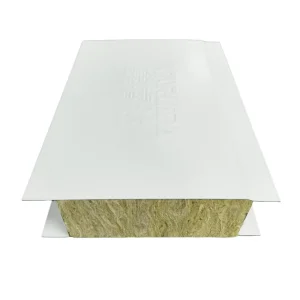
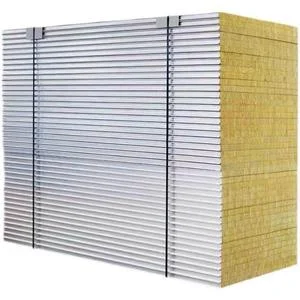
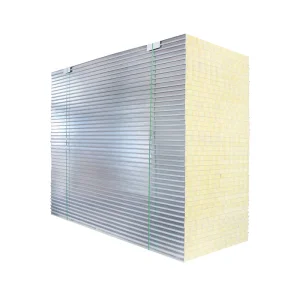
In modern industrial and commercial design, the building envelope functions as more than a simple aesthetic barrier. It is a critical layer that determines structural safety, fire containment, thermal efficiency, and sound isolation. Rock Wool Sandwich Panels represent an advanced solution within composite building elements. Combining high-tensile color steel sheets with a core of non-combustible structural mineral wool, these panels deliver excellent performance in demanding construction environments.
This technical whitepaper details the physical properties, engineering specifications, manufacturing processes, and installation frameworks of high-performance rock wool panels. Whether you are a structural engineer designing a massive logistics facility, an architect drafting a sensitive pharmaceutical cleanroom, or a procurement manager seeking certified factory partners in China, this document provides the technical depth required to make informed procurement decisions.
Standardized parameters for mechanical engineers, specifiers, and construction planners.
| Specification Parameter | Standard Range & Values | Testing Methods & Compliance | |
|---|---|---|---|
| Core Thickness Options | 50 mm, 75 mm, 100 mm, 120 mm, 150 mm, 200 mm | EN 14509 / ASTM C1363 | Excellent for variable thermal profiles |
| Mineral Wool Density | 80 kg/m³ to 150 kg/m³ (Customizable based on structural load requirements) | ASTM C612 / EN 1602 | Higher density supports superior shear strength |
| Thermal Conductivity (λ) | 0.035 W/(m·K) to 0.044 W/(m·K) (at mean temperature 10°C) | ISO 8301 / ASTM C518 | Reduces HVAC cooling load in extreme climates |
| Fire Resistance Rating | Class A (A1 non-combustible classification) / 60 to 240 minutes structural integrity | EN 13501-1 / ASTM E119 / ISO 834 | No poisonous fumes or flammable droplets |
| External Steel Sheet Profile | 0.4 mm to 0.8 mm High-Tensile Color Coated Steel (PVDF, PE, HDP) | EN 10346 / ASTM A653 | Corrosion resistant coatings for marine/industrial environments |
| Acoustic Decoupling (Rw) | 30 dB to 36 dB (Depending on panel thickness and joint design) | ISO 10140-2 / ASTM E90 | Perfect for power plants and high-noise facilities |
Ningbo Jonas Build Co., Ltd. is a professional China industrial construction panel manufacturer specializing in insulated building panel solutions for global industrial and commercial construction projects. With extensive industry experience and advanced manufacturing capabilities, the company is committed to delivering high-quality, energy-efficient, and customized panel systems that meet the diverse requirements of customers worldwide.
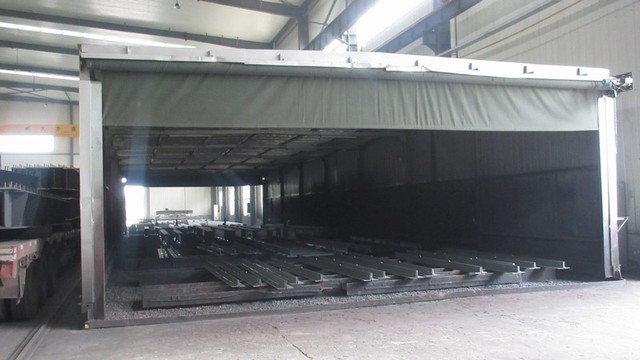
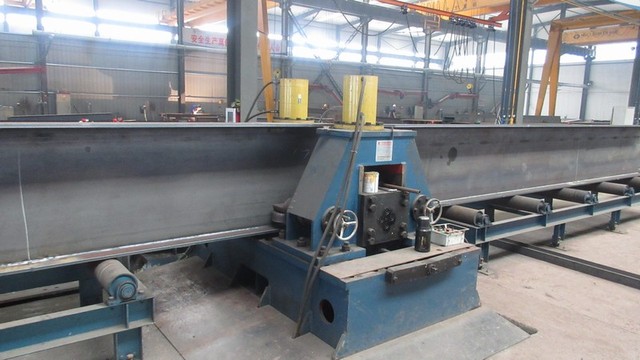
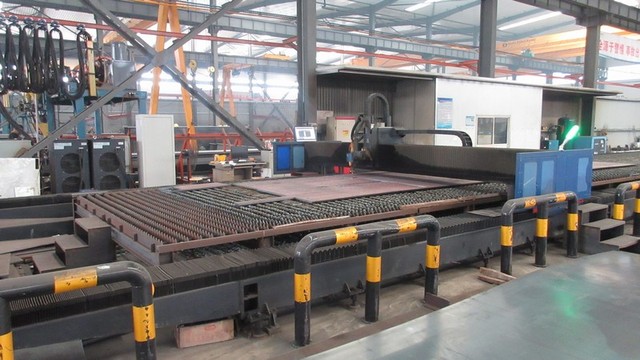
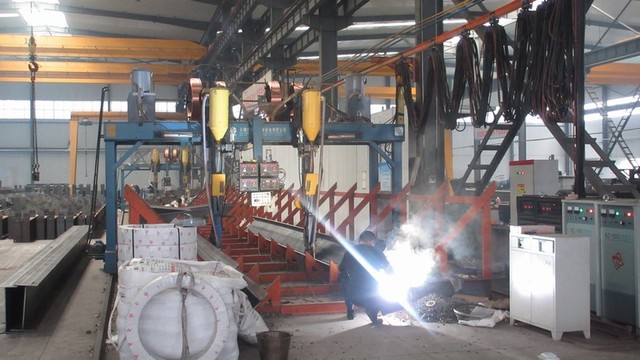
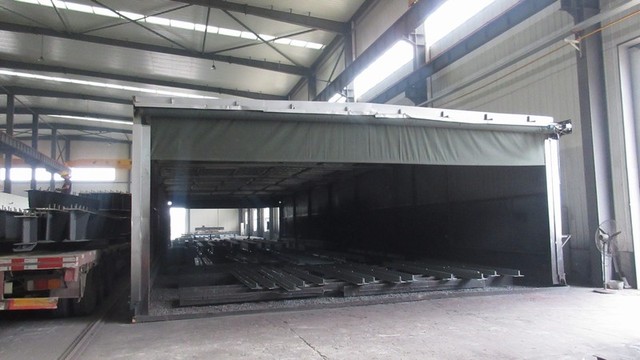
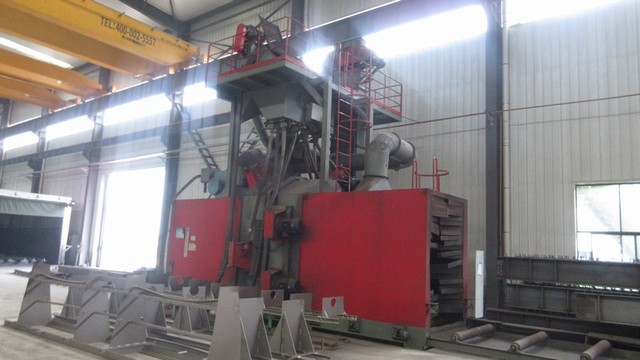
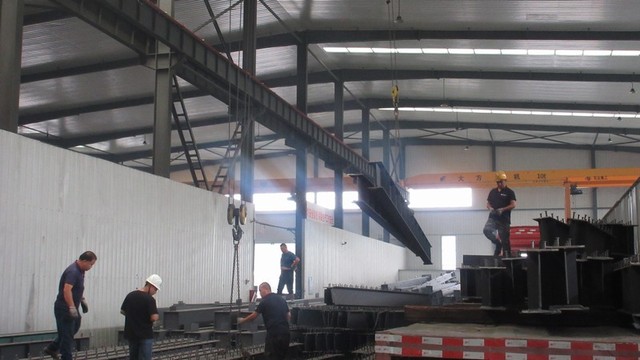
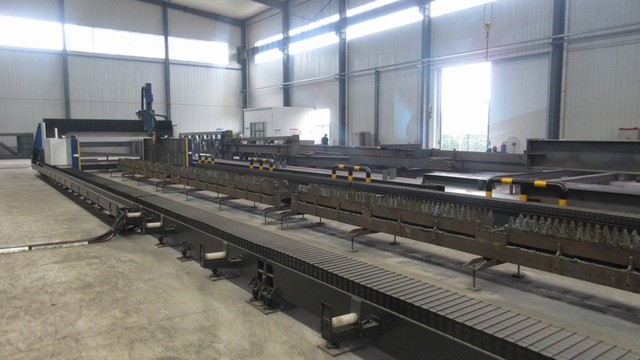
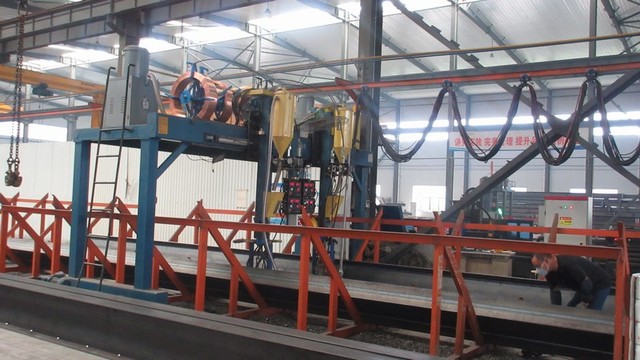
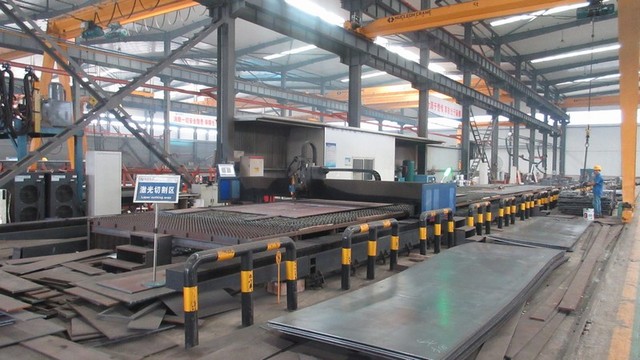
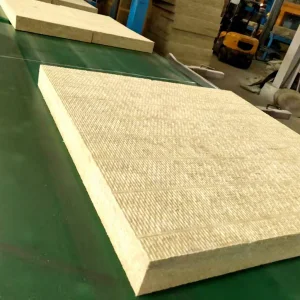
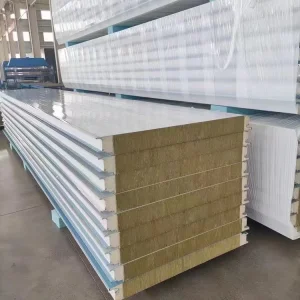
By operating modern, automated production lines, the company guarantees consistent panel output. Unlike traditional manual lamination, which risks uneven adhesive distribution, Jonas Build utilizes double-belt continuous press laminators. In this automated line, raw basalt-based mineral wool fibers are sliced into uniform blocks, flipped 90 degrees to align fibers vertically—significantly increasing overall compressive and shear strength—and pressure-bonded between structural steel skins with high-grade polyurethane sealants at the edges to prevent water entry.
The product range includes insulated sandwich panels, industrial wall panels, roofing panels, cold room panels, cleanroom panels, fire-rated panels, and customized building envelope solutions. Engineered for high thermal performance, structural reliability, and quick installation, these products are widely used in industrial plants, warehouses, logistics centers, cold storage facilities, commercial buildings, modular construction projects, and infrastructure developments.
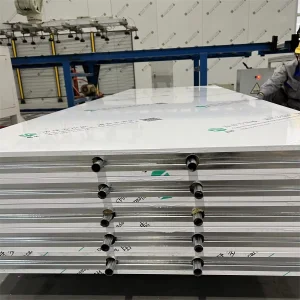
Direct look inside our specialized laminating lines, profiling machines, and QA testing processes.
Exploring structural envelope designs that resolve critical engineering problems in modern construction.
For pharmaceutical labs, electronics assembly plants, and medical clinics, dust mitigation and sanitization are essential. Specialized cleanroom panels utilize flush, dust-proof tongue-and-groove joint systems paired with anti-static, chemically resistant coatings (like PVDF) to prevent bacterial growth and withstand intensive chemical washing.
E-commerce fulfillment centers and dry goods warehouses require highly stable wall configurations to span large distances between purlins. Our high-density mineral wool panels resist wind loads, protect inventories from external fires, and maintain thermal control to keep internal temperatures stable year-round.
Generators, server setups, and high-voltage power rooms generate intense heat and continuous decibels of acoustic noise. Utilizing perforated sound-absorbing rock wool panels ensures internal reverberation is reduced while creating an engineered firewall that protects external critical infrastructure.
Purchasing building materials globally requires evaluating factors beyond the initial price per square meter. Large project procurement teams must analyze the total cost of ownership (TCO) and prioritize risk mitigation. When importing industrial building panels from China, the following factors are critical:
The construction industry is transitioning toward carbon neutrality and smart architectural systems. Research into composite panel technology is driving two key developments:
1. Bio-based Binders & Carbon Footprint Reduction: Traditional rock wool uses petroleum-derived phenol-formaldehyde resins to bind the fibers. Next-generation products utilize bio-based binders derived from agricultural waste, which reduces embodied carbon content while maintaining an A1 fire classification.
2. Smart Panels with Embedded Sensors: Future building envelopes will actively monitor structural health. Testing is underway on panels embedded with localized temperature, humidity, and load-strain sensors. These sensors alert facility managers of joint shifts, moisture intrusion, or local thermal stress before structural failures occur.
To pass building codes, structural materials must meet local regulations. Our panels comply with key global standards, helping projects secure necessary certifications:
Answers to technical and engineering questions about rock wool panel systems.
High-performance panels designed for specific applications, including cleanroom environments, cold storage projects, and heavy industrial facilities.
 Jonas Build