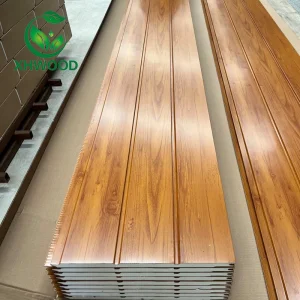
Explore our high-performance cladding products engineered for durability, weather resistance, and thermal insulation across industrial, commercial, and luxury residential projects.
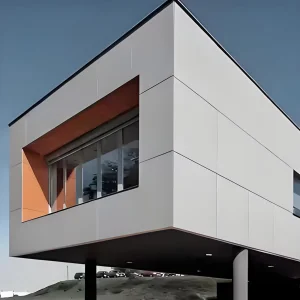
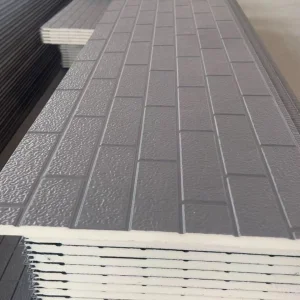
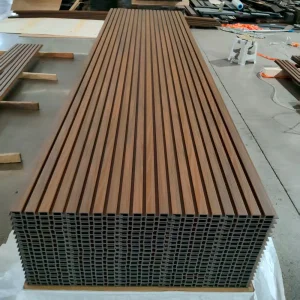
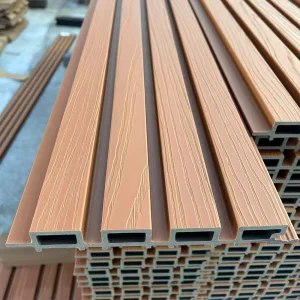
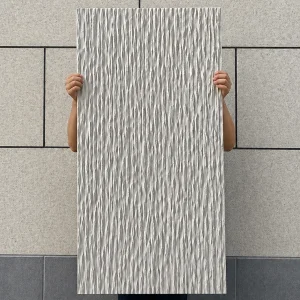
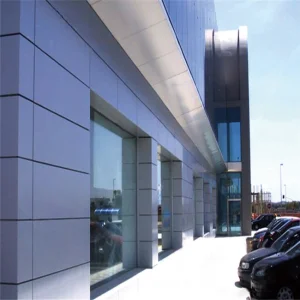
In the contemporary architecture and construction industries, the building envelope is no longer viewed merely as an aesthetic outer skin. Instead, it serves as a highly active thermal, acoustic, and structural shield. Choosing a premium exterior cladding panels manufacturer & factory is a critical strategic decision that affects not only the architectural legacy of a project but also its operational energy efficiency, fire safety compliance, and life-cycle cost mitigation.
At Ningbo Jonas Build Co., Ltd., we operate at the intersection of material science and structural engineering. As an industry-leading China industrial construction panel manufacturer, we specialize in high-performance insulated building panel solutions. Our systems are engineered to address the most demanding atmospheric pressures, thermal fluctuations, and strict fire safety requirements globally. From the extreme freeze-thaw cycles of Northern Europe to the relentless UV exposure and sandstorms of the Middle East, our panels offer consistent structural integrity and aesthetic longevity.
"The modern building facade must serve as a complex filter that dynamic climates test daily. Our mission is to produce custom envelope solutions that exceed national building codes while reducing thermal bridging and installation complexity."
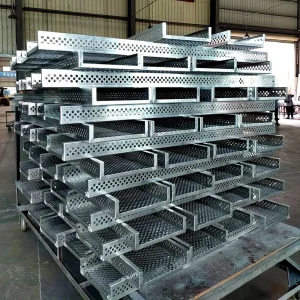
To support design complexity and architectural freedom, we offer a comprehensive materials ecosystem. This includes Wood-Plastic Composite (WPC) claddings, Fluorocarbon (PVDF) coated Aluminum Composite Panels (ACP/ACM), energy-saving Polyurethane (PU) sandwich metal sidings, and Modified Clay Material (MCM) flexible stones. Understanding the mechanical performance, thermal resistance, and chemical behaviors of these materials allows procurement leads, civil engineers, and architects to specify systems optimized for their project's unique environmental conditions.
Our automated production lines deliver certified components validated by international inspection bodies.
Selecting the correct cladding substrate requires a balanced evaluation of load-bearing properties, fire classifications, thermal resistance values (R-values), and project budget targets. The table below provides a detailed comparison based on our extensive testing and manufacturing metrics:
| Cladding Panel Substrate | Core Composition | Thermal Insulation (R-Value) | Fire Performance Grade | Key Applications |
|---|---|---|---|---|
| Insulated PU Sandwich Panel | Polyurethane / PIR Core + Metal Skins | Excellent (0.018 - 0.024 W/m·K) | Class B1 / PIR Class B-s1, d0 | Cold rooms, logistics warehouses, prefab structures |
| PVDF Aluminum Composite (ACP) | PE Polyethylene / Mineral Fireproof Core + Aluminum | Moderate (Acoustic focus) | Class A2 (FR Core) / B1 | High-rise curtain walls, retail fronts, airport terminals |
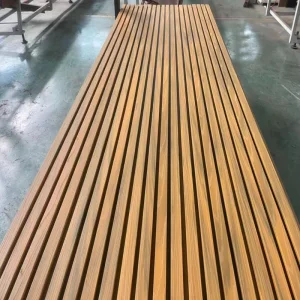
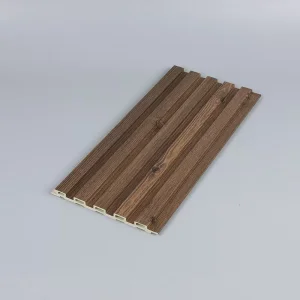
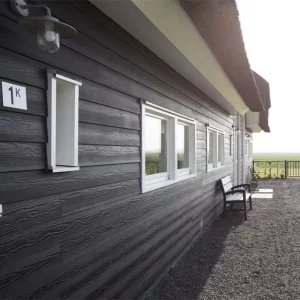
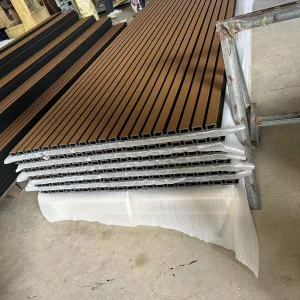
| Co-Extruded WPC Fluted Siding | 60% Wood Fiber + 30% HDPE + 10% Additives | Low (Decorative & cavity insulation) | Class B2 / Class B1 (Modified) | Eco-hotels, residential villas, resort walkways |
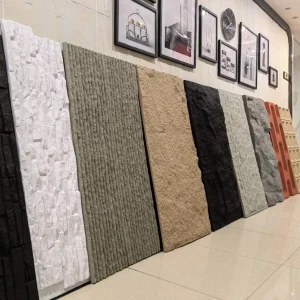
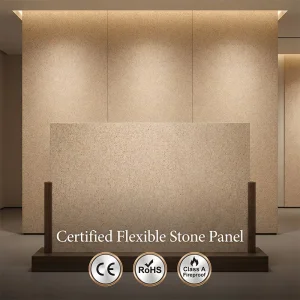
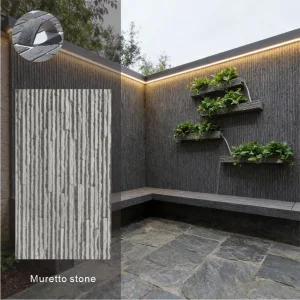
| MCM Flexible Stone Veneer | Modified Clay Powder + Green Polymers | Acoustic & high flexibility benefits | Class A2 Non-combustible | High-rise exterior restoration, interior feature walls |
While standard facade systems may offer lower initial material costs, they often lead to long-term issues such as high energy bills, fast finish degradation, and high maintenance costs. For instance, our 5mm PVDF-coated Aluminum Composite Panels are coated with fluorocarbon resin containing over 70% Polyvinylidene Fluoride. This coating creates a highly stable chemical barrier that protects against UV radiation, acid rain, and environmental pollutants, keeping the color bright and structural integrity intact for over 20 years.
Similarly, our 16mm Polyurethane Insulated Metal Siding panels are designed with a tongue-and-groove interlocking structure. This design eliminates thermal bridging at connection points, which prevents moisture ingress and condensation. By choosing these panels, project owners can achieve significant savings in heating and cooling energy usage, which helps buildings earn LEED certification points for green building design.
Discover how Ningbo Jonas Build Co., Ltd. combines advanced manufacturing technology with efficient supply chain logistics to deliver high-quality products at competitive prices.
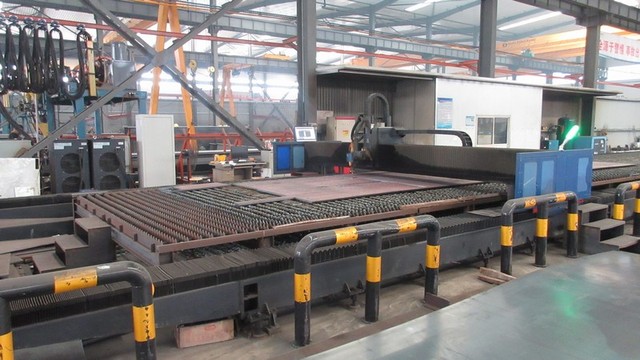
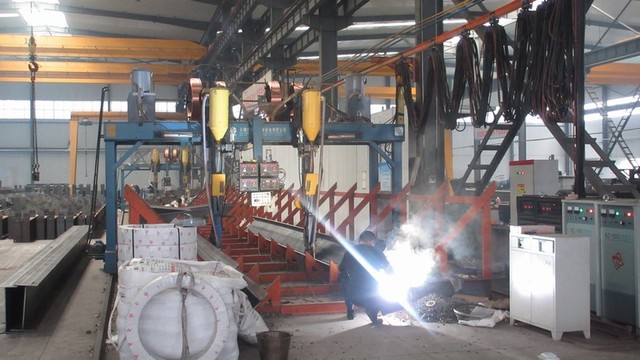
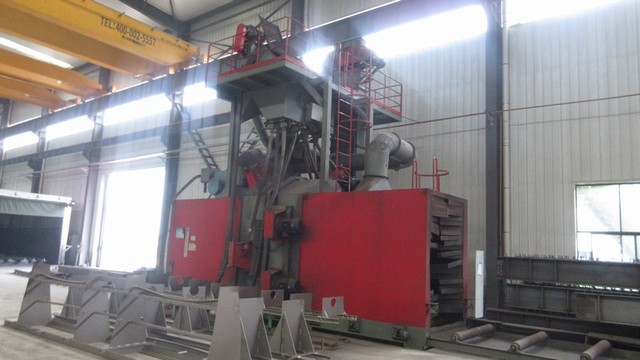
At our production facilities in Ningbo, China, we operate advanced, continuous double-belt laminators and computer-controlled co-extrusion machinery. This automation ensures high precision and consistency across every production run. By manufacturing locally in an industrial cluster, we benefit from direct access to premium raw steel, aluminum coils, eco-friendly polymer resins, and mineral cores. This vertical integration allows us to keep lead times short and pricing stable, even during periods of global market volatility.
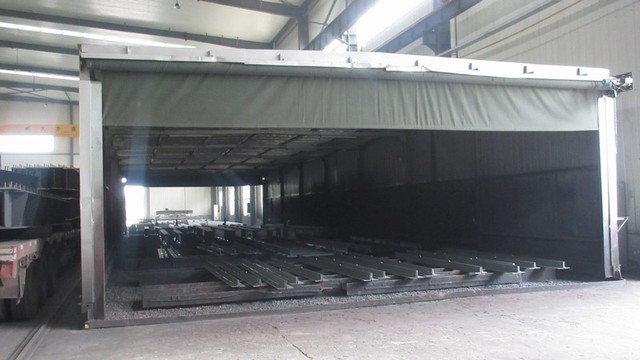
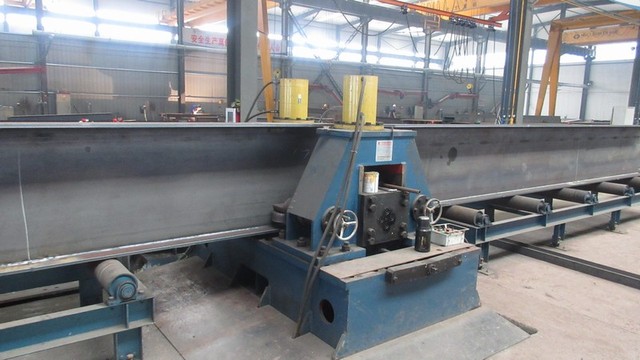
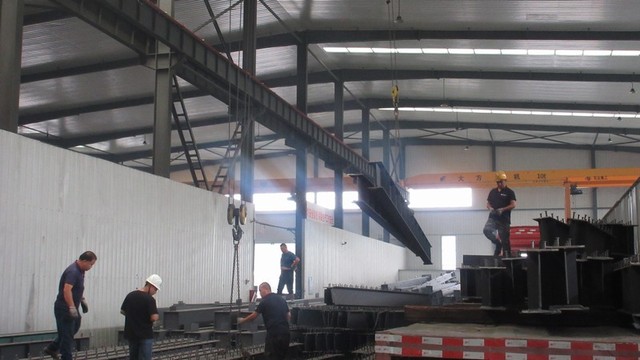
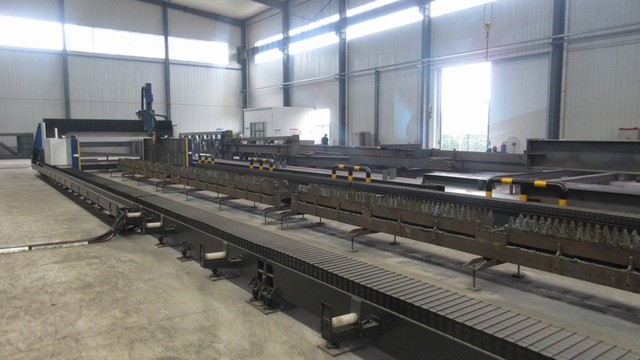
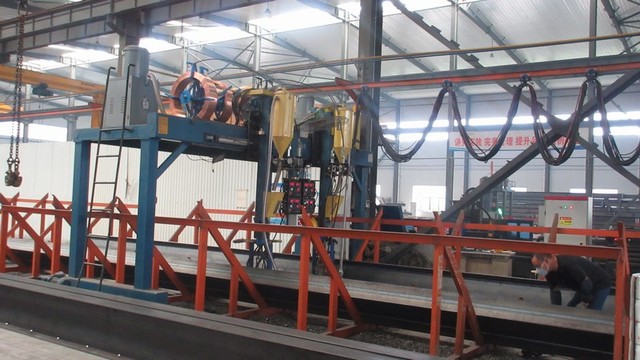
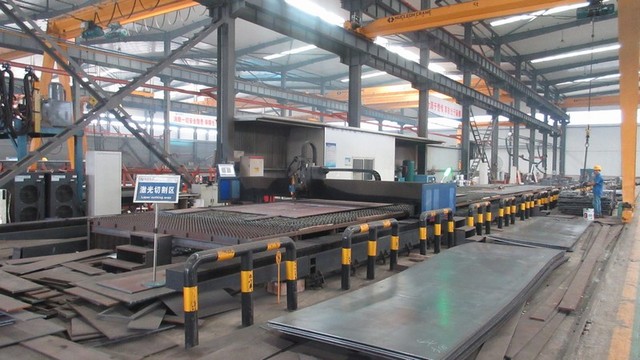
Our support goes beyond manufacturing. We provide a complete range of services, including project consultation, dynamic architectural drafting, structural wind-load calculation, custom sample manufacturing, and logistics management. Located near the Port of Ningbo—one of the world's busiest deep-water ports—we ensure fast and cost-effective sea shipping and container loading. This geographical advantage helps protect our international buyers from delays and unnecessary overland transportation costs.
Architectural projects must comply with local safety, environmental, and thermal regulations. We customize panels to match these specific requirements.
Key Challenge: Extreme heat, high UV index, and sandstorm wear.
Our Solution: Custom PU Stone and PVDF cladding panels treated with UV-resistant coatings. These prevent fading, cracking, and surface scratching while maintaining low thermal transfer into the building structure.
Key Challenge: Strict fire safety certifications (ASTM E84 Class A, EN 13501-1 Class A2/B) and thermal envelope performance requirements.
Our Solution: Fire-rated mineral-core composite panels and thick insulation panels that meet strict local energy codes.
Key Challenge: High humidity, salt spray corrosion, and wind load challenges.
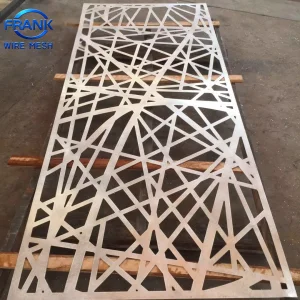
Our Solution: Anti-corrosion alloy aluminum single panels (Grade 1100/3003) and co-extruded wood-plastic composite siding. These materials prevent rust, rot, and structural decay.
We use advanced materials and engineering to build durable, high-performance cladding systems.
Our WPC products use a co-extrusion shielding process. This layer wraps the core on all sides to protect against moisture absorption, mold growth, and weathering.
Using advanced mineral fillers, our panels achieve Class A2 and B1 fire ratings. This prevents flame spread and minimizes smoke density in critical situations.
We use fluorocarbon coatings (PVDF) from industry-recognized partners. These offer high resistance to atmospheric pollution, chemical exposure, and color fading.
Managing global supply chains requires reliable material suppliers, transparent quality verification, and efficient project scheduling. We support procurement departments at every stage, providing the necessary documentation, certificates of origin, load capacity reports, and custom test data for local engineering approval.
Our quality control program follows strict ISO 9001 protocols. Each production run undergoes testing for adhesive peel strength, impact resistance, thermal expansion rate, and dimensional accuracy. We also provide customized packing methods, using heavy-duty wooden crates and reinforced steel frames to protect materials during long ocean shipments.
Detailed answers to help you select, specify, and install our advanced facade panel systems.
Our architectural panels undergo testing in certified laboratories to meet key global safety standards. Our PVDF Aluminum Composite Panels are available in Class A2 (non-combustible mineral core) and Class B1 (fire-retardant) configurations. Our Polyurethane (PU/PIR) sandwich panels are formulated to meet EN 13501-1 and ASTM E84 testing, helping you satisfy local commercial construction codes.
We use high-grade fluorocarbon (PVDF) coatings with a minimum of 70% Kynar 500 resin for our metal-faced panels. This coating provides excellent resistance to UV radiation, chalking, and color shifting. For our exterior WPC panels, we apply a high-density, co-extruded polymer cap layer. This protective shield blocks harmful solar rays and protects the composite core from moisture damage.
Standard production times for customized orders generally range from 15 to 20 days after drawing approval and deposit receipt. Shipping times vary depending on the destination port: approximately 12–18 days to Southeast Asian regions, 30–35 days to Middle Eastern ports, and 35–45 days to Europe and North America.
Yes. We work closely with contractors and private label brands on custom designs. Using our advanced CAD/CAM processes and tooling equipment, we can customize width, thickness, profile shapes, surface textures, and color options to match your project specifications.
MCM Flexible Stone is an eco-friendly cladding made from natural clay and mineral powders combined with polymers. It offers the appearance of natural stone, wood, or brick but is lightweight and flexible. It installs using high-performance tile adhesive directly onto suitable exterior substrates, making it an excellent choice for curved walls and high-rise retrofits.
Explore our architectural systems, manufactured for high durability, weather resistance, and thermal efficiency across commercial and industrial building designs.
 Jonas Build