Explore our top-engineered roof insulation panels optimized for international build standards, superior structural loads, and verified thermal values.
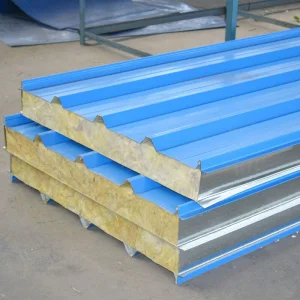
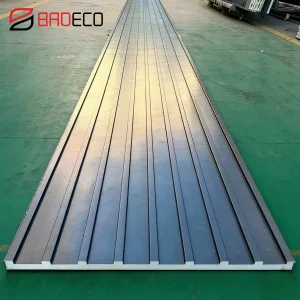
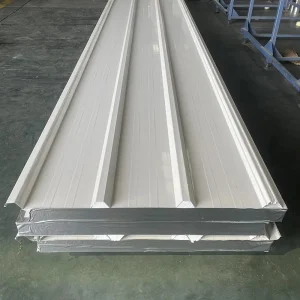
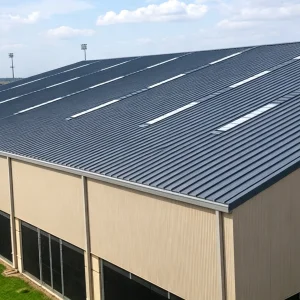
In modern industrial and commercial architecture, the roof is the building’s primary line of defense against severe climate fluctuations, structural fatigue, and thermal energy dissipation. Roof insulation panels (also known as insulated roof sandwich panels or SIPs) have transitioned from simple cladding materials into structural systems. By combining external profile sheets with high-performance cores, today's structural insulated systems provide optimized R-values, fire containment capabilities, acoustic damping, and superior wind load capacities.
Ningbo Jonas Build Co., Ltd. is a leading China industrial construction panel manufacturer, specializing in high-performance insulated building panel systems engineered for commercial and industrial structures globally. Through custom formulation of polyurethane core chemistry (PIR/PUR), advanced mineral wool layout techniques, and high-tensile metal profiling, we offer reliable systems designed to reduce carbon footprints, minimize on-site labor overhead, and lower the Total Cost of Ownership (TCO) of warehouses, logistics centers, cold rooms, and cleanroom facilities.
SEO Insight & Information Gain: Under global energy directives (such as the Energy Performance of Buildings Directive - EPBD in Europe and ASHRAE 90.1 in the US), standard insulation is no longer sufficient. High-performance building designs require continuous thermal envelopes. Our panels eliminate thermal bridging at joints, resulting in up to 35% lower heating and cooling energy usage compared to field-assembled assemblies.
Choosing the correct core material requires understanding thermal efficiency, fire safety, density, and sound attenuation. The matrix below outlines how Jonas Build core formulations perform under standardized testing conditions.
| Insulation Core Type | Thermal Conductivity (λ-value) | Fire Classification (EN 13501-1) | Density Range (kg/m³) | Acoustic Attenuation (Rw) | Key Strengths |
|---|---|---|---|---|---|
| Polyisocyanurate (PIR) | 0.020 - 0.023 W/(m·K) | B-s1, d0 (Class 1) | 38 - 42 kg/m³ | ~25 dB | Highest thermal resistance per inch; low weight. |
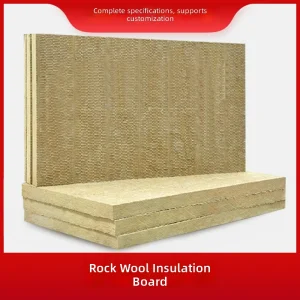
| Mineral Rock Wool | 0.038 - 0.044 W/(m·K) | A1 / A2 Non-combustible | 100 - 120 kg/m³ | ~32 - 35 dB | Excellent structural fire walling and acoustic dampening. |
| Graphite EPS (SEPS) | 0.030 - 0.032 W/(m·K) | B-s2, d0 | 18 - 25 kg/m³ | ~23 dB | Enhanced thermal resistance over standard EPS; moisture resistant. |
| Fiberglass Wool | 0.035 - 0.039 W/(m·K) | A2 Non-combustible | 60 - 80 kg/m³ | ~30 dB | Good balance of fire safety, light weight, and structural flexibility. |
How Jonas Build leverages chemical engineering and structural layout to maximize core insulation efficiency.
Our PIR sandwich panels utilize an excess of isocyanate reactant. This reacts at high temperatures to form a stable ring-like structure called polyisocyanurate. This chemical bond provides superior thermal resistance and fire performance, remaining stable at temperatures up to 200°C. In fire conditions, it forms a protective carbonaceous char layer that blocks oxygen flow, slowing the spread of flames through the core.
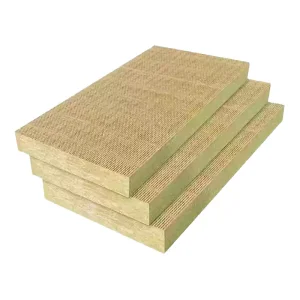
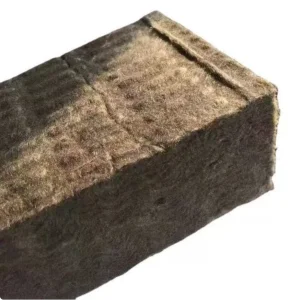
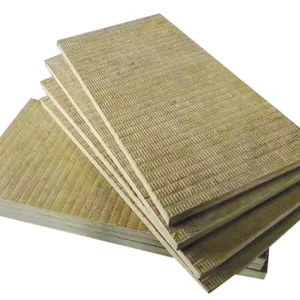
We process raw basalt stone to create high-density rock wool fibers. These fibers are oriented perpendicularly to the metal skins during manufacturing. This vertical alignment increases compressive strength (often exceeding 100 kPa at 10% deformation) and tensile strength. This structural profile allows the panels to withstand strong wind forces and support foot traffic during maintenance when installed on large roofs.
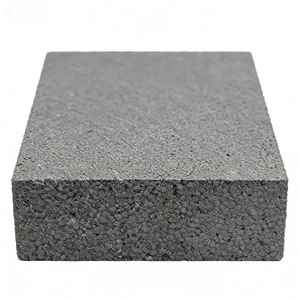
Standard EPS insulation transfers heat via radiation. Graphite Modified EPS (SEPS) includes high-purity graphite particles embedded within the polymer matrix. These particles reflect and absorb infrared radiation, reducing radiative heat transfer. This improvement allows SEPS panels to achieve equivalent thermal resistance at a lower core thickness compared to traditional polystyrene boards, helping save weight on large roofs.
In response to global carbon neutrality initiatives, the research and development pipeline at Ningbo Jonas Build Co., Ltd. is focused on three primary areas: circular raw material sourcing, next-generation gas retention, and structural sensor integration.
We are transitioning our raw material sourcing to replace petroleum-based polyols with bio-based alternatives derived from agricultural waste and vegetable oils. By using raw materials from renewable sources, our PIR insulation cores reduce up to 40% of their embedded carbon while maintaining high R-values and fire safety performance.
For high-performance cold storage and extreme environment projects, we are developing a hybrid panel line. This technology embeds silica aerogel mats within our double-skin metal panels, bringing thermal conductivity down to 0.015 W/(m·K). This allows facilities to achieve high thermal performance while saving internal space.
Future industrial roofs will serve as active monitoring systems. Jonas Build is testing smart panels with built-in moisture and temperature sensors. These sensors detect water vapor infiltration or thermal anomalies, transmitting early-warning diagnostics to building management systems via wireless links to prevent major maintenance issues.
Tailored structural designs matching the strict operational standards of various industrial sectors.
For low-temperature storage facilities, we offer PIR/PUR panels with a double tongue-and-groove joint system and integrated air barriers. This design prevents thermal bridging, limits vapor transmission, and reduces operational runtime for refrigeration systems.
Designed for pharmaceutical and semiconductor manufacturing facilities. These panels utilize non-outgassing cores and chemical-resistant, flat metal skins. The flush joint details prevent accumulation of dust and biological particles.
For heavy manufacturing, automotive assembly, and chemical processing facilities. Our structural rock wool roof panels provide up to 6-meter spans between purlins, saving on structural framing steel while offering Class A1 fire containment.
Providing aesthetic appeal, weather tightness, and quick installation for retail complexes, exhibition halls, and logistics hubs. Compatible with direct solar PV mounts on roof crowns without puncturing the inner water barrier.
How Ningbo Jonas Build Co., Ltd. guarantees consistent quality, high volume capacity, and stable global delivery.
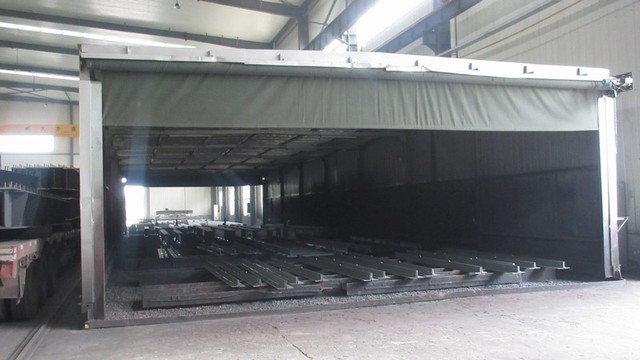
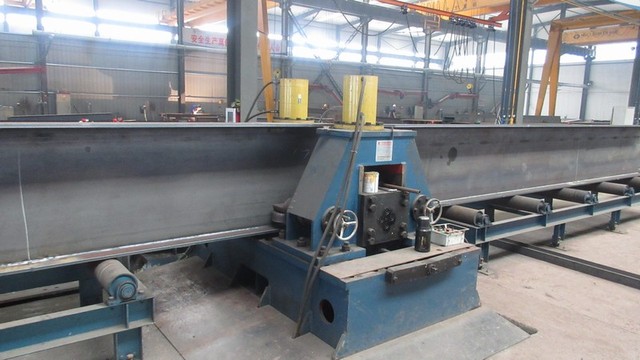
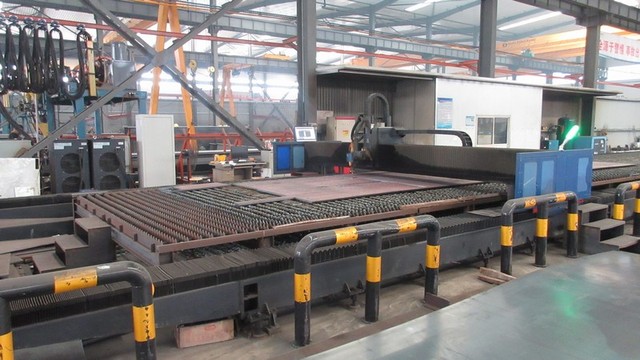
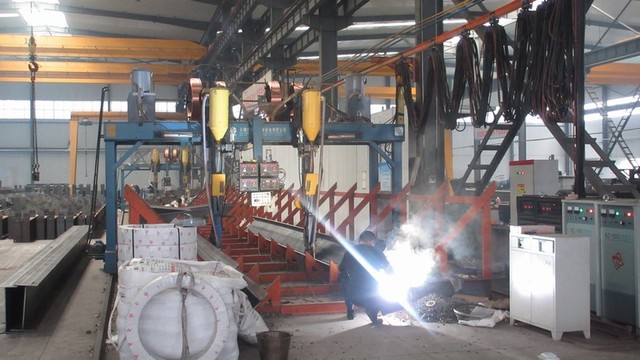
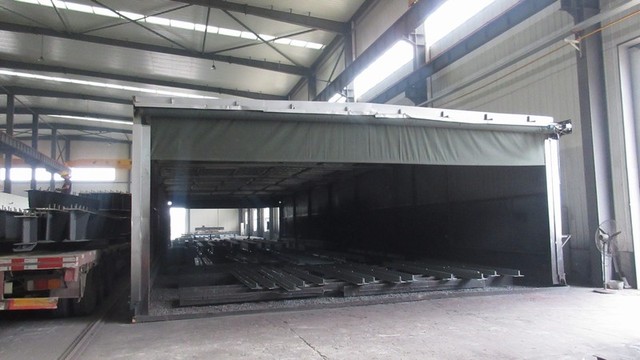
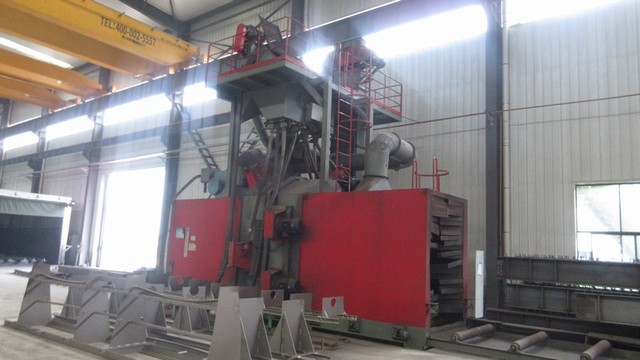
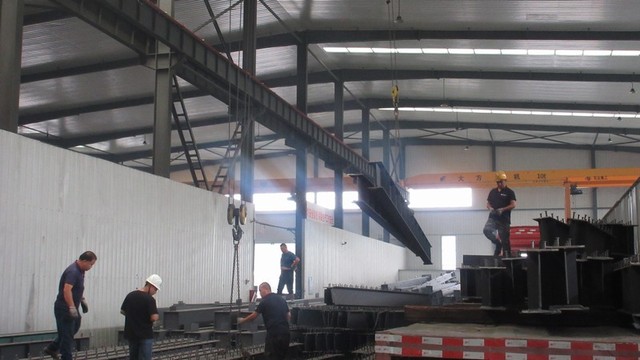
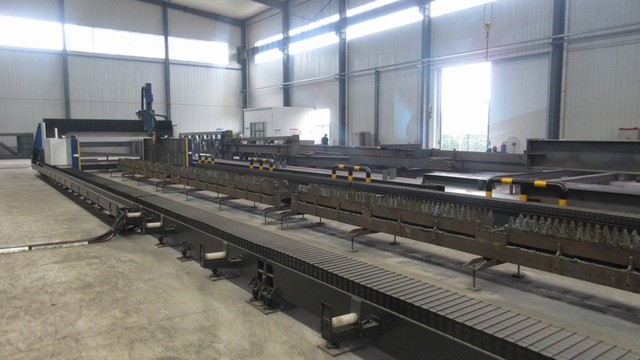
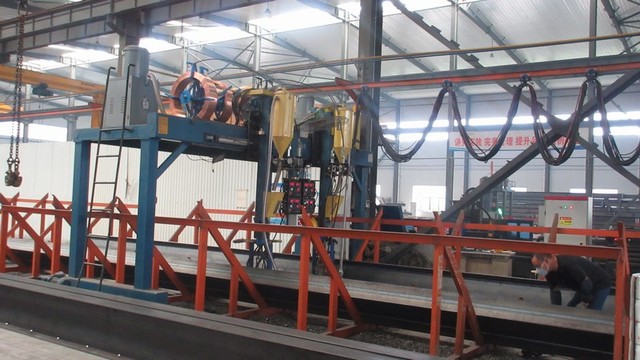
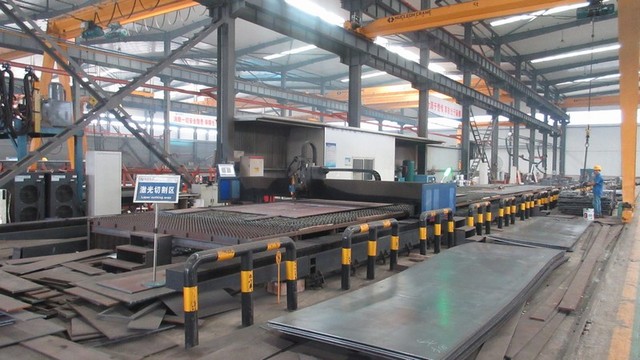
Ningbo Jonas Build Co., Ltd. operates advanced manufacturing facilities, utilizing continuous double-belt laminator production lines. Our high-pressure foaming systems from Germany provide homogeneous raw material mixing, ensuring uniform bubble distribution and long-term dimensional stability for PIR insulation panels. For rock wool panels, automated block slicing, segment orientation, and continuous adhesive application ensure high shear resistance between the steel skins and the core material.
Through partnerships with Tier-1 steel providers, we offer high corrosion-resistant steel skins (AZ150, PVDF, and HDP coatings) designed to withstand harsh maritime and humid tropical environments. Our facility is situated close to the Port of Ningbo, allowing us to offer efficient international shipping, optimized container utilization, and robust packaging to ensure damage-free cargo arrival.
Operating in global markets requires adhering to strict regulatory frameworks, local building regulations, and third-party validation processes. Jonas Build panels are engineered and manufactured in compliance with international standards, ensuring approval by local building inspectors and insurance underwriters.
A primary failure point in metal building envelopes is wind-uplift pressure. Our structural engineers provide wind-load calculations tailored to your project location. We calculate required fastener frequencies, panel thickness, and purlin span limits based on the local wind pressures (such as AS/NZS 1170.2 in Australia, Eurocode 1 in Europe, and ASCE 7 in the United States).
To support LEED, BREEAM, and DGNB green building certifications, our panels undergo rigorous testing. We check panel joints for air permeability (EN 12114) and water tightness under static pressure (EN 12108). This design provides a reliable moisture barrier and reduces the energy requirements of commercial structures.
For international procurement managers, structural engineers, and general contractors, the initial purchase price of roof insulation panels is only part of the financial equation. The final project cost depends heavily on structural optimization, installation labor costs, transport efficiency, and building maintenance expenses over its lifespan.
Explore our specialized metal composite boards, featuring advanced coatings, concrete composites, and high-performance acoustic cores.
Get professional, technical answers to common queries regarding building design, structural loads, and compliance.
PIR (Polyisocyanurate) is manufactured by using a higher ratio of isocyanate to polyol under specific heat conditions, creating a trimerization reaction. This molecular structure offers superior thermal stability and higher fire resistance than standard PUR. In ASTM E84 testing, PIR sandwich panels achieve Class 1 flame-spread ratings, whereas PUR typically exhibits lower stability under direct flame exposure.
To prevent interstitial condensation, the vapor barrier must be positioned on the warm side of the insulated envelope. Additionally, tongue-and-groove joint details must be sealed using butyl or polyurethane sealants. This configuration prevents moist warm air from contacting cold panels and condensing into water droplets, protecting the envelope's insulation performance.
Yes. Our structural panels feature corrugated profiles with crowns designed to receive standard solar mounting clamps. Specially engineered clamps grip the outer sheet ribs directly, eliminating the need to pierce the inner metal envelope. This setup helps prevent water leaks and maintains the continuity of the vapor barrier.
PIR panels undergo aging as the blowing agent gases inside the foam cells slowly diffuse and atmospheric air migrates in. To slow down this process, Jonas Build uses vapor-impermeable metal facing skins (galvanized steel or aluminum). These thick skins contain the blowing agents within the core, helping to maintain stable R-values over a 25-year service life.
For standard maritime shipping containers, the maximum panel length is 11.8 meters to fit inside a standard 40-foot High Cube (HQ) container. However, for specialized regional project logistics, we can manufacture and transport continuous panels up to 16.5 meters, loaded onto flat rack containers or transported via road freight platforms.
EPS is lightweight and cost-effective, but has lower shear resistance. High-density structural rock wool panels (100 kg/m³ to 120 kg/m³) feature vertically aligned fibers that increase compressive strength to 100 kPa or more. This allows rock wool panels to handle higher snow and wind loads, making them suitable for long-span applications between roof purlins.
 Jonas Build