How to Choose the Best Construction Panels for Industrial Buildings?

Time:2026-06-26 Author:Liam
0%

Choosing the right construction panels for industrial buildings can significantly impact a project’s success. Expert John Smith, a leading authority in industrial construction, emphasizes, “Selecting the right panels not only affects durability but also energy efficiency.” His insight underscores the importance of making informed choices in this critical area.

When considering how to choose construction panels for industrial buildings, several factors come into play. First, the material selection is vital. Options range from metal to insulated panels, each with distinct benefits. Understanding the building’s purpose and location can guide the selection process effectively. Cost is another essential aspect. Often, cheaper options may not provide the long-term performance needed.

A strategic approach is necessary when evaluating these panels. Look for reliable manufacturers with proven track records. Conduct thorough research and weigh the pros and cons of each material. This process may reveal unexpected challenges. It’s not always straightforward, and decisions can lead to reflection on prior choices. Balancing quality with cost and performance is crucial for ensuring the building's longevity.
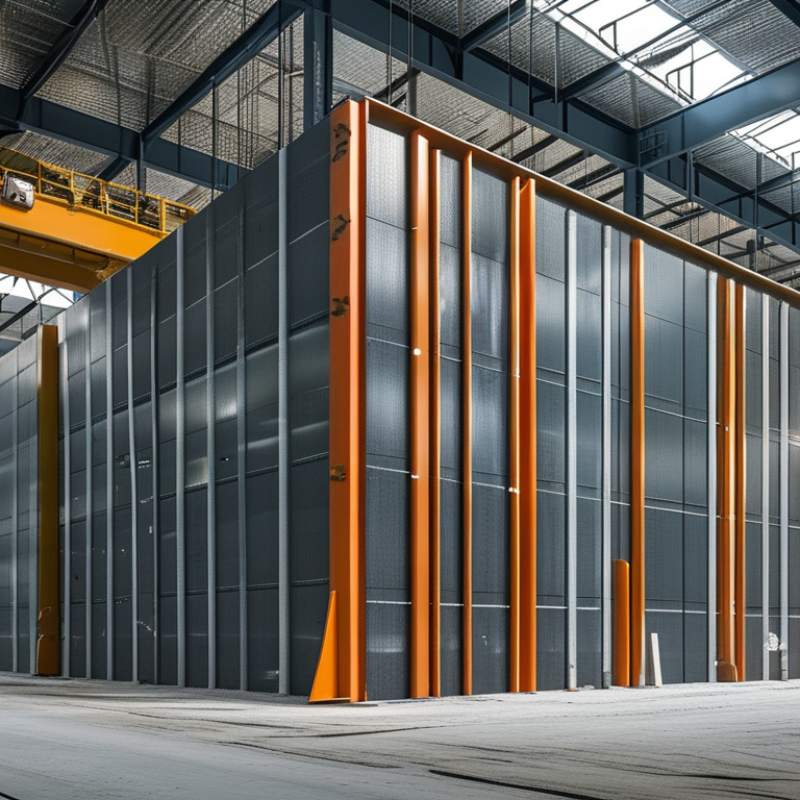
How to Choose the Best Construction Panels for Industrial Buildings?

Understanding the Different Types of Construction Panels Available

When considering construction panels for industrial buildings, understanding the types available is crucial. Various panel materials each have unique advantages. For example, insulated metal panels offer excellent thermal performance. They can reduce energy costs significantly. Additionally, they provide durability against weather elements.

Concrete panels are another option. They deliver strength and fire resistance, making them suitable for extensive structures. However, their weight might increase transportation costs. On the other hand, wood-based panels contribute to a more sustainable building approach. They are lightweight and easier to install, but less durable against moisture and pests. Balancing these factors is essential for effective decision-making.

Choosing construction panels also requires awareness of local regulations. Not all materials are permitted everywhere. It’s necessary to check compliance with safety standards. Reflecting on the specific needs of each project can guide better choices. In the end, finding the right type of panel may take time and research, but it pays off in long-term performance and safety.

Comparison of Different Types of Construction Panels for Industrial Buildings

Evaluating the Structural Requirements for Industrial Buildings

When evaluating the structural requirements for industrial buildings, several factors come into play. Consider the weight the panels must support, including machinery and products. It’s vital to assess load-bearing capacities and choose materials that can withstand stress over time. The durability of the panels also plays a crucial role, especially in harsh environments. Proper insulation is necessary to regulate temperature and improve energy efficiency.

Tips: Always consult structural engineers to ensure your materials meet safety standards. Look for panels that are resistant to corrosion and pests. Regular inspections help identify any potential issues early.

Another aspect to consider is the local climate. Areas with extreme weather demand panels designed for such conditions. Moisture resistance is essential in humid regions, while wind resistance is critical in areas prone to storms. A thorough understanding of these requirements ensures long-term stability.

Tips: Check local building codes to ensure compliance. Choose panels with proven performance records. Don’t overlook the importance of installation quality.

With a careful evaluation of these factors, you can make informed decisions about the best panels for your industrial building. Balancing costs with these structural needs can be challenging, but the investment pays off in durability and safety.

Assessing Thermal Insulation Properties of Construction Panels

When selecting construction panels for industrial buildings, thermal insulation is crucial. Research indicates that effective thermal insulation can improve energy efficiency by up to 30%. This is significant in reducing operational costs while maintaining optimal indoor conditions. Insulation properties of panels, measured in R-values, determine their effectiveness. Higher R-values reflect better insulation.

Consider using panels with a minimum R-value of 20 for most climates. For extreme conditions, opt for R-values of 30 or higher. It’s essential to review independent testing reports to ensure panels meet industry standards.

Tips: Always verify the thermal performance data from credible sources. Engaging with qualified professionals can provide deeper insights into specific needs. Sometimes, the cheapest option may fall short in performance, leading to higher long-term costs. Evaluating how different designs impact thermal efficiency can lead to better decisions. It’s beneficial to reflect on past projects and assess whether insulation met expectations.

Considering Cost-Effectiveness and Budget Constraints

Choosing the right construction panels for industrial buildings is crucial, especially under budget constraints. Cost-effectiveness plays a significant role in the selection process. Analyzing the long-term benefits of various materials can yield better financial results. It's vital to balance quality and price, ensuring that the panels meet the specific needs of your project without compromising on durability.

Investing in lower-quality panels might reduce initial costs, but could lead to increased maintenance in the long run. Reflect on the expected lifespan of the panels; this often influences total expenses. For instance, while steel panels might be pricier upfront, they typically offer superior longevity compared to cheaper options. Identifying the right panel type involves self-reflection on project goals, climate considerations, and operational efficiency.

While it’s tempting to prioritize budget alone, remember the hidden costs of repairs and replacements. Evaluating these factors requires careful thought and expertise. Consultation with industry experts may provide insights overlooked in basic assessments. This collaboration fosters smarter choices that align with budgetary limits while ensuring structural integrity.

Analyzing Environmental Impact and Sustainability of Materials

When selecting construction panels for industrial buildings, environmental impact and sustainability are crucial. Ethical sourcing of materials can reduce your carbon footprint. Panels made from recycled content or renewable resources can promote eco-friendliness. Moreover, the life cycle assessment of materials helps in making informed decisions.

Tips: Look for panels with low volatile organic compounds (VOCs). These contribute less to air pollution and create healthier workspaces. Also, explore options that offer thermal insulation. Efficient insulation can lower energy consumption dramatically.

Consider the durability of your chosen materials. While some panels may be affordable initially, poor longevity can lead to higher costs later. Maintenance and replacement can negate any short-term savings. It's essential to find a balance between cost and performance. Reflecting on the long-term impacts of panel choices can guide better decisions.

FAQS

: What is the importance of thermal insulation in construction panels?

: Thermal insulation improves energy efficiency by up to 30%, lowering operational costs and maintaining indoor comfort.

How are insulation properties of panels measured?

Insulation effectiveness is determined by R-values. Higher R-values indicate better thermal insulation performance.

What R-value is recommended for most climates?

Panels should have a minimum R-value of 20 for most climates, while extreme conditions require 30 or higher.

Why is verifying thermal performance data important?

It's crucial to ensure panels meet industry standards by checking independent testing reports from credible sources.

How can budget constraints affect panel selection?

Cost-effectiveness is vital, but compromising quality for price can lead to higher maintenance costs later.

What should be considered when evaluating panel longevity?

Reflect on the expected lifespan of panels. This impacts total costs and operational efficiency over time.

What are the risks of choosing cheaper panels?

Lower-quality panels may save money initially but can result in higher long-term maintenance and replacement costs.

How can industry experts assist in panel selection?

Consulting professionals may reveal insights that improve decision-making and align choices with project goals.

Is it worth investing in higher-quality materials?

Yes, while upfront costs may be higher, better materials often offer greater longevity and reduced hidden costs.

What factors should influence panel type decisions?

Consider project goals, climate, and desired operational efficiency; these factors drive better material choices.

Conclusion

In the process of how to choose construction panels for industrial buildings, it's essential to first understand the various types of construction panels available, including their specific benefits and drawbacks. Evaluating the structural requirements of the building is critical, as different applications demand distinct strength and durability characteristics. Alongside structural evaluation, it is important to assess the thermal insulation properties of these panels to ensure energy efficiency and comfort within the building.

Furthermore, consideration of cost-effectiveness and budget constraints is necessary, as it helps in making informed decisions that do not compromise quality. Lastly, analyzing the environmental impact and sustainability of materials used in construction panels will not only contribute to a greener building approach but could also influence long-term operational costs. By carefully weighing these factors, you can effectively determine the best construction panels suited for industrial projects.

Liam

Liam

Liam is a dedicated marketing professional with a profound expertise in the industry, where he excels at highlighting the unique advantages of our core products. With a keen understanding of market trends and consumer needs, Liam frequently updates our company’s professional blog, providing......