What Is the Lifespan of Insulated Building Panels?

Time:2026-09-12 Author:Mason
0%

When planning a warehouse, cold room, or commercial building, owners often ask, “what is the lifespan of insulated building panels?” The honest answer is rarely a single fixed number. Well-manufactured panels may perform for 25 to 40 years, but their service life depends on materials, installation, climate, and maintenance.

A panel’s core matters. Mineral wool, polyurethane, and expanded polystyrene respond differently to moisture, heat, impact, and fire exposure. The outer skins also require attention. Scratched coatings, loose joints, and exposed fasteners can allow water to reach the insulation. In coastal areas, salt-laden air may accelerate corrosion. In cold storage facilities, repeated temperature changes can stress seals and connections.

Small defects can become expensive.

Practical inspections provide stronger evidence than optimistic product claims. Look for damp insulation, swollen edges, rust beneath washers, and gaps around doors or roof penetrations. A clean, dry panel system with protected joints usually lasts longer than one exposed to standing water. Manufacturer warranties, tested performance data, installation records, and local environmental conditions should guide any estimate.

This article examines the main factors that determine insulated panel durability. It also explains realistic maintenance schedules, common failure signs, and replacement considerations. Service life estimates remain imperfect because buildings rarely experience identical conditions. A panel installed correctly may still underperform when ventilation fails or drainage is neglected. That limitation deserves attention. Reliable decisions require site evidence, qualified inspections, and specifications matched to the building’s actual use.
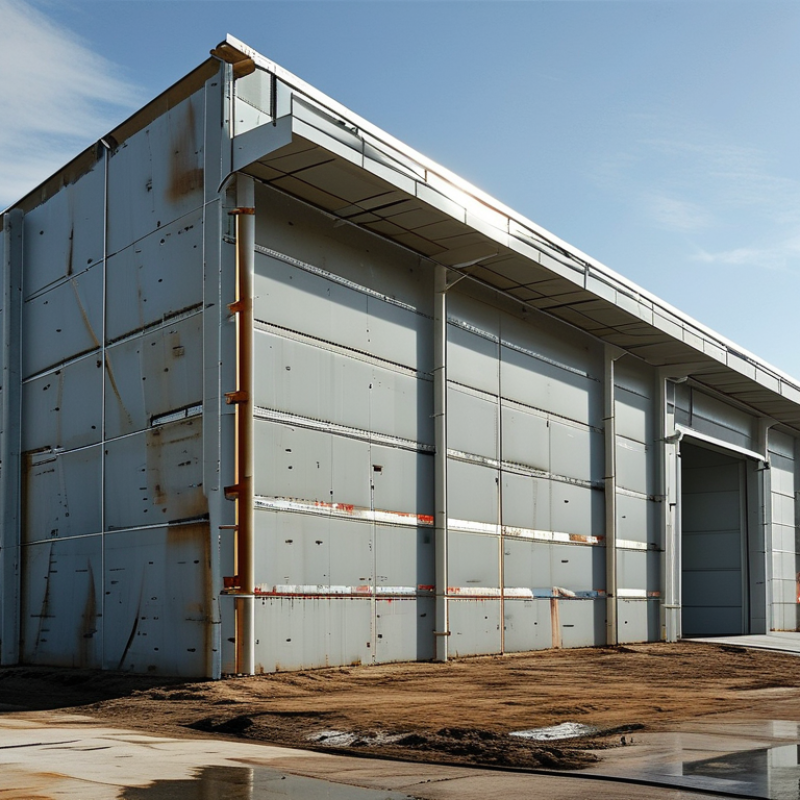
What Is the Lifespan of Insulated Building Panels?

Types and Construction of Insulated Building Panels

Insulated building panels can last 30 to 60 years, but construction quality matters more than the advertised number. Their lifespan depends on panel type, moisture control, joint design, and exposure. Insulated metal panels usually contain a metal skin, a rigid foam core, and sealed edges. Structural insulated panels use oriented strand board around a foam core. Insulated concrete forms combine foam blocks with reinforced concrete. Each system performs differently.

The International Organization for Standardization’s ISO 15686-1 explains that service life must be estimated through climate, materials, maintenance, and use. It does not support one universal lifespan. The U.S. Department of Energy reports that heating and cooling represent nearly half of household energy use, so continuous insulation can reduce thermal stress on the building envelope. However, damaged seals can allow water behind the panels. Small leaks become expensive problems.

Tips: Keep panel joints dry and inspect them twice yearly. Check fasteners, flashing, sealants, and cut edges. Replace cracked sealant early. It is cheaper. During installation, avoid compressing foam cores or leaving exposed insulation. The 2023 ASHRAE Handbook recommends careful control of air, vapor, and water movement. That guidance is practical, but field conditions remain messy. A panel may be rated for decades, yet poor drainage can shorten its useful life dramatically. Good records also help; without them, future repairs become guesswork.

Key Factors That Affect Panel Lifespan

What Is the Lifespan of Insulated Building Panels?

Insulated building panels can last 20 to 40 years, but their service life depends on several changing conditions. Field inspections often show that moisture causes earlier failure than age alone. Small leaks matter. Water can enter through damaged joints, loose fasteners, or poorly sealed edges. Once insulation becomes wet, thermal performance may decline, while corrosion can spread across hidden metal surfaces.

Installation quality strongly affects long-term performance. Panels need accurate alignment, tight connections, and suitable sealants for local weather conditions. Strong sunlight can weaken exposed coatings, especially on roofs with limited shading. Repeated heating and cooling also create movement around joints. Wind pressure, hail, machinery impact, and heavy snow may cause dents or distortion. A minor dent is not always harmless; it can interrupt drainage and leave water near the core.

Material selection matters as well. Different insulation cores respond differently to heat, moisture, fire, and compression. Indoor humidity, chemical vapors, and cleaning practices can further change panel condition. Regular inspections should check seams, flashings, drainage paths, surface corrosion, and interior condensation. Keep clear records. A ten-year estimate can still be wrong when maintenance is neglected or exposure is unusually severe. Conversely, well-protected panels may remain functional beyond their expected service period, although appearance and energy efficiency should be assessed separately. Details decide.

Typical Service Life of Different Insulated Panel Types

What Is the Lifespan of Insulated Building Panels?

Typical Service Life of Different Insulated Panel Types

Insulated panels rarely have one fixed lifespan. Exposure, detailing, moisture, and maintenance can change performance significantly. ISO 15686-1 recommends service-life planning based on actual climate and construction conditions, not laboratory results alone.

PIR and PUR sandwich panels commonly serve for 30 to 50 years in dry, well-maintained buildings. Their insulation value may remain stable, while joints, coatings, and fasteners deteriorate earlier. EPS panels often reach 25 to 40 years, according to European technical guidance and life-cycle assessment assumptions. They need careful protection from water and physical damage.

Mineral wool panels are frequently modeled for 40 to 60 years. Their non-combustible core supports long-term use, but compression, wetting, and failed seals can reduce performance. European mineral-wool guidance often uses a 50-year reference period. That figure is useful, but not guaranteed.

Roof panels usually age faster than wall panels. Think of summer heat, driving rain, and thousands of thermal cycles. The European Commission’s Level(s) framework also encourages whole-life assessment, including replacement of components rather than the entire panel system.

A site inspection can reveal more than a brochure. Look for rust around fasteners, open joints, dents, and damp insulation. The uncomfortable part is this: many panels remain structurally usable after their thermal performance has declined. Actual lifespan depends less on the core alone than on installation quality and neglected maintenance.

Signs of Aging, Damage, and Performance Loss

Insulated building panels can perform for decades, but their lifespan depends heavily on moisture control, installation quality, and exposure. Aging rarely appears as one dramatic failure. It usually develops quietly.

Look for swollen edges, open joints, cracked sealant, or loose flashings. These details can allow water behind the panel face. Damp insulation may feel heavier and lose its thermal resistance. A musty smell is another warning sign. It should not be ignored. Discoloration around fasteners can indicate corrosion or repeated condensation. On metal-faced panels, bubbling paint, rust spots, and distorted sheets deserve close inspection.

Performance loss may appear before visible damage. Rooms can become harder to heat or cool. Interior surfaces may feel unusually cold near panel seams. Condensation, drafts, and rising energy bills can point to damaged cores or thermal bridges. Sagging panels suggest weakened supports, failed fixings, or prolonged moisture exposure. Infrared scanning and moisture testing can reveal problems that a visual inspection misses. However, readings can be misleading when weather conditions change. A qualified building professional should compare results with the original design and maintenance records.

I have seen minor sealant failures become expensive repairs after several wet seasons. That experience makes small defects worth documenting early. Repairs should match the panel system and restore both water resistance and insulation continuity. Replacing only the visible outer sheet may leave hidden damage untouched. No inspection schedule is perfect, and overlooked moisture remains a common weakness.

What Is the Lifespan of Insulated Building Panels? - Signs of Aging, Damage, and Performance Loss

Panel Type Typical Service-Life Range* Main Aging Factors Common Signs of Aging or Damage Possible Performance Loss Recommended Action
Metal-faced sandwich panels with mineral wool core Approximately 30–50+ years when properly designed, installed, and maintained Corrosion, moisture entry, ultraviolet exposure to sealants, vibration, impact, and thermal cycling Rust staining, open joints, damaged coatings, delamination, dented faces, or wet insulation Reduced thermal resistance, air leakage, moisture damage, and possible loss of fire or acoustic performance Repair joints and coatings promptly; replace panels if corrosion or moisture damage is extensive
Metal-faced panels with expanded polystyrene (EPS) core Approximately 20–40 years, depending strongly on exposure and maintenance Moisture, elevated temperatures, ultraviolet exposure at exposed edges, joint failure, and physical damage Warping, cracked sealants, loose flashings, denting, water stains, or visible gaps Higher heat transfer, drafts, condensation risk, and reduced weather resistance Inspect fasteners, flashings, and seals; replace wet, crushed, or substantially deformed sections
Metal-faced panels with polyurethane or polyisocyanurate core Approximately 25–40+ years under suitable service conditions Water intrusion, joint deterioration, temperature variation, fire exposure, and compression damage Panel movement, joint shrinkage, damaged facings, damp areas, or localized surface distortion Declining thermal efficiency, air leakage, condensation, and reduced dimensional stability Use moisture testing and thermal imaging where appropriate; replace panels with compromised cores
Composite roof insulation panels Approximately 20–40 years, often limited by the roof weathering system Standing water, ultraviolet radiation, hail, foot traffic, fastener movement, and failed roof seals Leaks, ponding, blistering, punctures, corrosion, sagging, or deteriorated roof membranes Wet insulation, reduced R-value, interior condensation, and damage to structural or interior finishes Keep drainage clear, repair penetrations, and investigate wet areas before replacing the entire roof assembly
Cold-storage or controlled-temperature panels Approximately 20–35+ years, subject to hygiene, humidity, and temperature cycling Frequent door cycling, condensation, washdown water, impact from equipment, and biological contamination Ice formation, mold-like growth, stained joints, cracked coatings, odor, or damaged hygienic surfaces Temperature instability, increased energy use, sanitation problems, and moisture migration Check vapor barriers and door seals; replace contaminated or water-damaged components using suitable hygienic details
Interior insulated partition panels Approximately 20–40 years in normal interior service Repeated impact, cleaning chemicals, humidity, joint movement, and inadequate support Cracks, dents, loose trims, open joints, staining, or damaged surface finishes Reduced acoustic separation, air leakage, hygiene concerns, and localized thermal bridging Repair trims and sealants; replace panels that no longer provide a continuous, cleanable barrier

*Service-life ranges are general planning estimates rather than guarantees. Actual longevity depends on panel design, climate, installation quality, exposure, maintenance, moisture control, and the condition of joints, fasteners, flashings, and protective coatings.

Maintenance and Replacement Guidelines for Longer Service Life

What Is the Lifespan of Insulated Building Panels?

Insulated building panels can serve for decades when moisture, impact, and temperature changes remain controlled. Their actual lifespan depends on the core material, facing condition, installation quality, and building use. In practice, panels often fail early because small leaks remain unnoticed. A clean surface does not prove a dry interior.

Inspect panel joints, fasteners, sealants, and edges at least twice each year. Check after severe storms, unusual condensation, or accidental impact. Look for swelling, corrosion, loose fixings, cracked coatings, and soft spots. Record photographs and dates. This simple history helps a qualified inspector identify gradual damage. Follow the panel supplier’s maintenance guidance, especially for cleaning agents and repair materials. Harsh chemicals may weaken protective finishes.

Tips: Keep drainage paths clear. Replace damaged sealant quickly. Do not drill unnecessary holes. Use compatible replacement sections. When insulation becomes wet, compressed, or contaminated, patching may only delay replacement. Remove and replace panels when damage affects structural support, thermal performance, hygiene, or fire protection. Local building requirements may also influence the decision. No inspection plan is perfect. Recheck areas that are difficult to access, such as roof edges and cold-room corners. A cautious replacement decision usually costs less than repairing hidden moisture damage later.

What Is the Lifespan of Insulated Building Panels?

Typical service-life ranges vary by insulation core, moisture exposure, installation quality, and maintenance.

Insulated building panels commonly provide 20–50 years of service when protected from water ingress, impact, corrosion, and excessive heat. Inspect panel joints, seals, fasteners, coatings, and visible damage at least annually. Replacement is generally considered when insulation performance has significantly declined, persistent moisture is present, or the facing and connections can no longer be repaired reliably.

FAQS

How long can insulated building panels typically last?

They can last about 20 to 40 years. Age alone is not a reliable guide. Moisture, installation, sunlight, and impact can shorten service life. A ten-year estimate may still be wrong.

What commonly causes early panel failure?

Moisture is a frequent cause. Water can enter through open joints, loose fasteners, damaged edges, or cracked sealant. Wet insulation loses thermal performance, while hidden metal may begin corroding.

Which visible signs suggest panel aging?

Check for swollen edges, open joints, cracked sealant, and loose flashings. Bubbling paint, rust spots, and distorted sheets also deserve attention. Small details can become expensive repairs.

Can a small dent reduce panel performance?

Yes, sometimes. A dent may interrupt drainage and leave water beside the insulation core. Hail, machinery impact, wind pressure, and heavy snow can all create distortion.

How does installation quality affect lifespan?

Panels need accurate alignment, tight connections, and suitable sealants. Poor fitting can create gaps and thermal bridges. Repeated heating and cooling may enlarge weak joints.

What indoor warning signs indicate hidden damage?

Watch for drafts, condensation, cold surfaces near seams, and rising energy bills. A musty smell may indicate damp insulation. Rooms may become harder to heat or cool.

How should insulated panels be inspected?

Inspect seams, flashings, drainage paths, fasteners, corrosion, and interior condensation. Moisture testing and infrared scanning can reveal hidden problems. Weather can affect readings, so results need careful comparison.

Is replacing only the outer sheet enough?

Not always. Hidden insulation damage may remain behind the replacement sheet. Repairs should restore water resistance and continuous insulation, not only improve appearance.

Can well-maintained panels last beyond their expected period?

Possibly, especially when exposure is mild and maintenance is consistent. However, appearance and energy efficiency may decline separately. I would not rely on age estimates without inspection records.

Conclusion

Understanding what is the lifespan of insulated building panels requires looking at their core materials, surface construction, and installation conditions. Panels may use different insulation types, protective facings, and joint systems, all of which influence durability and thermal performance. Service life is affected by moisture exposure, temperature changes, sunlight, physical impact, ventilation, workmanship, and the quality of regular inspections. In stable conditions, well-installed panels can provide reliable performance for several decades, although the exact lifespan varies by panel type and environment.

Aging panels may show corrosion, cracks, delamination, water penetration, loose connections, reduced insulation efficiency, or visible surface deterioration. Routine cleaning, prompt sealing of damaged joints, moisture control, and periodic structural and thermal inspections can help extend service life. Replacement should be considered when damage is widespread, insulation performance has declined significantly, or repairs are no longer practical. Proper maintenance and timely intervention are essential for preserving safety, energy efficiency, and long-term building performance.

Mason

Mason

Mason is a seasoned marketing professional with a deep expertise in the company's offerings and a passion for driving brand awareness. With a strong background in digital marketing strategies, he has an innate ability to connect with diverse audiences and effectively communicate product benefits.......