Industrial construction panels are gaining traction in the building industry. These innovative materials offer enhanced efficiency and durability. They are designed for various applications, including warehouses and factories. According to a report by Technavio, the global industrial construction panel market is projected to grow by 8% annually through 2025.
What are industrial construction panels? These are pre-fabricated panels used for walls, roofs, and floors. They provide thermal insulation and soundproofing. John Smith, a leading expert in industrial construction, states, "These panels revolutionize how we think about building design and energy efficiency." His perspective highlights the growing recognition of their benefits.
Despite their advantages, there are challenges. Each project requires careful consideration of panel specifications. Choosing the wrong material can lead to inefficiencies. The industry must address these concerns to fully realize the potential of industrial construction panels.
Definition of Industrial Construction Panels
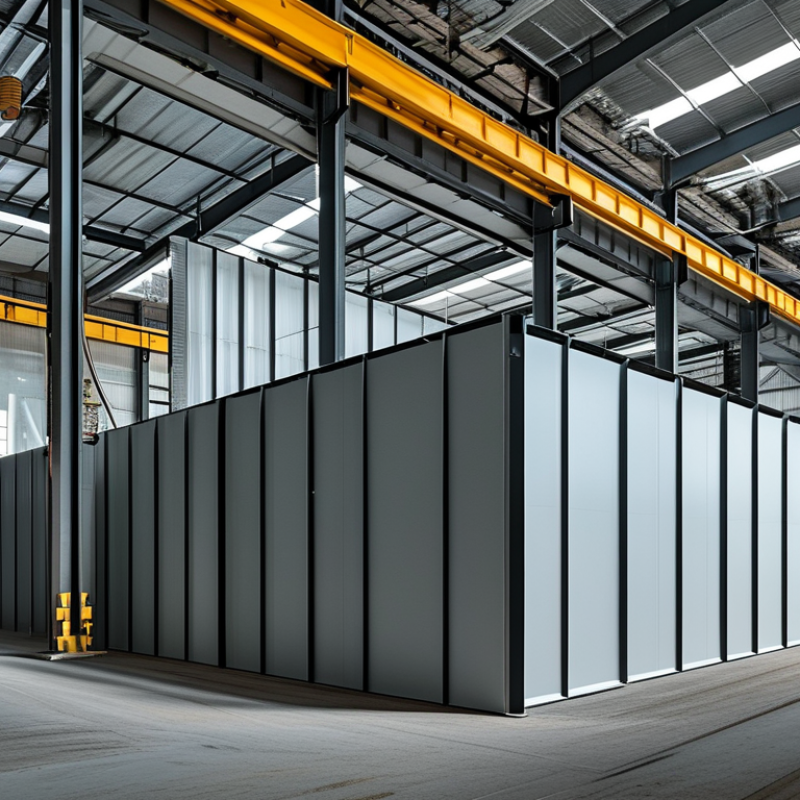
Industrial construction panels are prefabricated building materials designed for rapid assembly and high durability. They often consist of layers of insulation, structural components, and protective sheathing. These panels can be made from various materials, including metal, concrete, and composites. Their design allows for easy transport, making them ideal for large-scale projects.
One significant advantage of industrial construction panels is their efficiency. Assembly is often quicker compared to traditional construction methods. This can reduce labor costs and project timelines. Additionally, the panels are engineered to resist harsh environmental conditions. They provide excellent thermal insulation, improving energy efficiency. However, not all projects may benefit equally from these panels. Depending on the project's location and climate, some adjustments may be necessary.
Sustainability is another crucial factor. Many industrial construction panels are designed with eco-friendliness in mind. Recyclable materials are used in their production, minimizing waste. It's worth noting that while they offer numerous benefits, initial costs can be higher compared to conventional methods. Evaluating long-term savings against upfront expenses is essential for informed decision-making.
What are Industrial Construction Panels and Their Benefits?
| Dimension |
Description |
Benefits |
| Material |
Commonly made from metal, plastic, or composite materials. |
Durable and resistant to environmental conditions. |
| Application |
Used in warehouses, factories, and construction sites. |
Facilitates quick assembly and disassembly for various projects. |
| Thermal Insulation |
Many panels offer superior insulation properties. |
Reduces energy costs and enhances comfort. |
| Fire Resistance |
Certain panels are designed to withstand high temperatures. |
Enhances safety in industrial applications. |
| Cost-Effectiveness |
Competitive pricing compared to traditional materials. |
Reduces overall construction costs. |
Types of Industrial Construction Panels and Their Specifications
Industrial construction panels are vital components in various projects. They come in different types, each serving specific purposes. Common types include insulated panels, aluminum composite panels, and concrete panels. Insulated panels are often used for energy efficiency, providing thermal insulation and reducing energy costs. Reports suggest that buildings using insulated panels can see energy savings of up to 30%.
Aluminum composite panels are renowned for their durability and aesthetic appeal. These lightweight panels are easy to install and maintain. As per industry standards, they offer resistance to corrosion and weathering. This makes them suitable for exterior applications. Concrete panels, on the other hand, are praised for their strength. They provide excellent structural integrity and fire resistance.
Choosing the right panel is crucial. Often, decision-makers focus on cost, sometimes neglecting long-term benefits. For instance, the initial lower-cost option may lead to higher maintenance costs. Therefore, evaluating the specifications and intended use is essential for maximizing performance and safety. Not every panel type fits every project, and this discord can lead to inefficient structures. Understanding the characteristics of each panel type is key to making informed decisions.
Key Benefits of Using Industrial Construction Panels in Building Projects
Industrial construction panels are a modern solution for a variety of building projects. These panels are designed for efficiency and versatility. They come in various materials, such as metal and composite. This variety allows for tailored applications in warehouses, factories, and even commercial spaces. Using these panels can streamline the construction process significantly.
One of the key benefits is reduced construction time. Because these panels are pre-fabricated, they can be installed quickly on-site. This efficiency can lead to significant cost savings. Additionally, they offer excellent insulation properties. This means improved energy efficiency and lower utility bills for the building owner. However, achieving the best results requires careful planning and design. If not done thoughtfully, there could be issues with structural integrity and long-term sustainability.
Another important advantage is durability. Industrial panels are built to withstand harsh conditions and heavy use. Yet, some panels may require regular maintenance to ensure longevity. On the flip side, they may not have the aesthetic appeal of other materials. This could be a drawback for projects where appearance is crucial. As such, developers must balance practicality and visual appeal in their choices.
Applications of Industrial Construction Panels in Various Industries
Industrial construction panels serve various industries, offering
flexibility and strength. These panels are made from materials like
metal, polymer, or composite materials. They are lightweight yet durable, making them ideal
for quick assembly and disassembly.
In the automotive industry, these panels streamline production. They allow for efficient
assembly lines and modular building designs. In the food processing sector, panels provide
hygienic surfaces that are easy to clean. Their insulation properties help maintain
temperature, ensuring food safety. Yet, some manufacturers struggle with proper installation,
which can lead to inefficiencies.
In healthcare, panels create sterile environments.
They can be installed in hospitals or clinics to separate areas while being easy to maintain. However, choosing the right thickness and
material for specific applications can often cause confusion. It's crucial to balance cost with
performance. Customization may also pose challenges, as it requires careful planning and expertise.
Factors to Consider When Choosing Industrial Construction Panels
Choosing the right industrial construction panels is crucial for efficiency and safety. Factors like insulation, durability, and ease of installation should not be overlooked. According to a report by Research and Markets, the global industrial panel market is projected to grow by 5.4% annually through 2025. This growth emphasizes the need for careful selection.
Insulation is a key factor. Properly insulated panels can significantly reduce energy costs. As noted in Energy Star data, optimized insulation can lower heating and cooling costs by 20%. However, not all panels offer the same insulation properties. It is vital to consider the thermal resistance rating before making a final decision.
Additionally, durability is essential for long-term performance. Some panels may look appealing but fail under harsh conditions. A study from the Construction Specifications Institute reveals that failure rates for low-quality panels can be as high as 30%. Buyers should scrutinize material choices and manufacturer warranties. This approach ensures panels withstand environmental challenges.
FAQS
: They are prefabricated materials for quick assembly and durability.
Common materials include metal, concrete, and composites.
They reduce construction time and labor costs, improving project efficiency.
They provide excellent thermal insulation, leading to lower utility bills.
Yes, many panels are made from recyclable materials, minimizing waste.
Some panels need regular upkeep to ensure long-lasting durability.
They are utilized in automotive, food processing, and healthcare sectors.
Yes, careful planning is needed, and it may lead to confusion.
They may lack appeal, which is a concern for visually focused projects.
Adjustments might be necessary based on specific environmental conditions.
Conclusion
Industrial construction panels are prefabricated materials designed for use in various building projects, offering a range of specifications and types to suit different needs. These panels are notable for their versatility, strength, and efficiency, making them ideal for a wide array of applications across industries such as manufacturing, warehousing, and commercial construction.
The key benefits of using industrial construction panels include reduced construction time, enhanced thermal insulation, and improved durability. When choosing these panels, several factors must be considered, such as insulation properties, structural requirements, and environmental impact. By understanding what are industrial construction panels and their various benefits, builders and project managers can make informed decisions that contribute to the success of their projects.

 Jonas Build