As climate change intensifies, extreme weather events are becoming more common. This poses significant challenges for construction materials. A critical question arises: can insulated panels withstand extreme weather? These panels are often promoted for their energy efficiency and structural durability. However, their true resilience in harsh conditions requires thorough examination.
Experts highlight that insulated panels vary in performance. Some are designed to endure high winds, heavy rains, and temperature fluctuations. Others may not meet these rigorous standards. Proper installation and choice of materials are essential to enhance their durability. Missteps in these areas can lead to failures, particularly in challenging weather.
Testing has shown mixed results. While some insulated panels perform admirably, others struggle. This inconsistency raises concerns about their use in areas prone to severe conditions. Property owners must evaluate their options carefully. Choosing the right panels is crucial for maintaining safety and energy efficiency in the face of extreme weather.
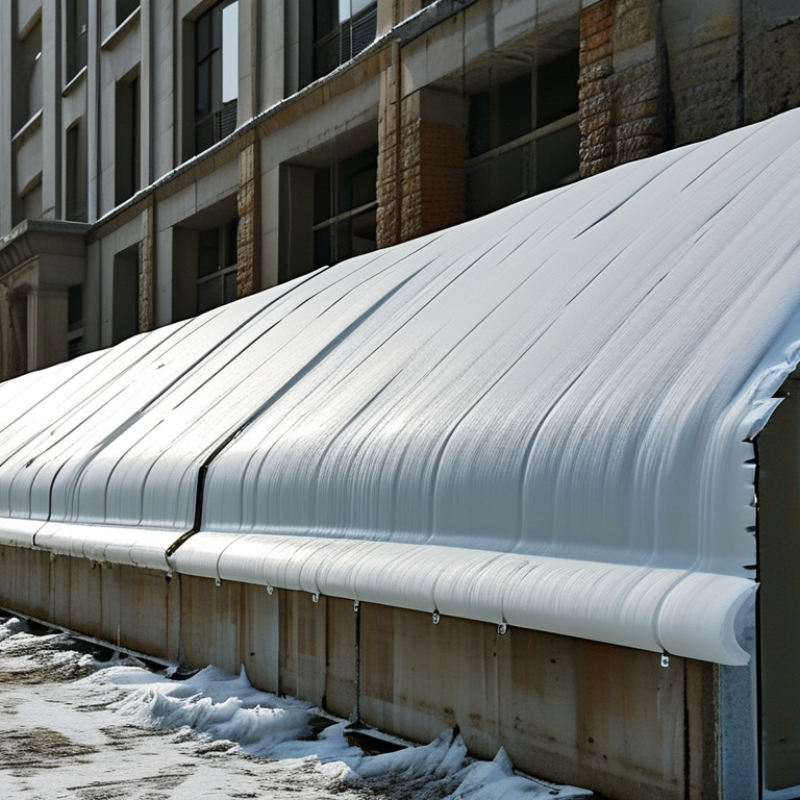
Insulated panels are engineered to provide thermal resistance and structural integrity in extreme weather. These panels typically consist of a core material, such as polyisocyanurate or expanded polystyrene, sandwiched between two outer layers, usually metal or fiber-reinforced plastic. Studies indicate that insulated panels can reduce energy costs by up to 30% due to their superior insulation properties. This efficiency is critical in regions experiencing severe temperature fluctuations.
With various compositions, insulated panels can also resist moisture and prevent mold growth. For instance, a 2021 report from the American Society of Heating, Refrigerating and Air-Conditioning Engineers highlighted that insulated panels could maintain their integrity during wind loads exceeding 100 miles per hour. This feature is essential for construction in hurricane-prone areas.
When selecting insulated panels, consider the specific climate conditions of your region. Choose materials that enhance durability against local weather patterns. Look for panels that have been tested under extreme conditions to ensure reliability. Evaluate cost versus performance, as investing in high-quality materials can save on long-term maintenance. Regular inspections are also vital to address potential wear and tear.
| Panel Type | Insulation Material | R-Value | Weather Resistance | Common Applications |
|---|---|---|---|---|
| Structural Insulated Panels | Expanded Polystyrene (EPS) | 3.8 - 4.2 | High | Residential, Industrial |
| Metal Wall Panels | Polyurethane (PU) | 5.0 - 7.0 | Very High | Cold Storage, Warehouses |
| Composite Panels | Mineral Wool | 4.0 - 5.5 | Moderate | Office Buildings, Retail |
| Insulated Roof Panels | Polystyrene (XPS) | 4.5 - 5.5 | High | Industrial Buildings, Garages |
Insulated panels are essential in modern construction. They provide energy efficiency and thermal insulation. Various types exist, each suited to different weather challenges. Commonly used panels include polyurethane, polystyrene, and mineral wool. Each material has unique properties that influence its performance.
Polyurethane panels are known for their high insulation value. They can reduce energy costs significantly. A study by the American Society of Heating, Refrigerating and Air-Conditioning Engineers (ASHRAE) reports that using polyurethane panels can improve energy efficiency by up to 30%. Polystyrene panels are lightweight and offer decent insulation, though they aren't as effective under extreme conditions.
Mineral wool panels excel in fire resistance. They can endure high temperatures, making them ideal for buildings in fire-prone areas. According to the National Institute of Standards and Technology (NIST), mineral wool can withstand temperatures exceeding 1,000°F. However, they may not insulate as effectively as polyurethane in cold climates. Each panel type presents unique strengths and weaknesses that must be analyzed based on specific needs. Proper selection can enhance building resilience against extreme weather events.
In recent years, extreme weather conditions have become more frequent. Insulated panels are often used in construction for their thermal efficiency. But how well do they truly perform under such conditions?
Research shows that insulated panels can withstand various climates, including severe heat and extreme cold. Their design focuses on minimizing heat transfer, which is essential during temperature fluctuations. Proper installation plays a crucial role in their effectiveness. Poorly sealed edges can lead to thermal bridging, reducing overall performance.
Homeowners should consider a few essential tips when choosing insulated panels. Look for panels with a high R-value, indicating better thermal resistance. Ensure they meet local building codes for safety. Regular inspections for wear and tear are vital. A proactive approach helps to identify potential issues early, ensuring longevity and efficiency. Curious about the materials? Some may perform better than others, depending on your area’s climate.
While insulated panels are robust, it's important to acknowledge that no material is perfect. Frequent extreme weather may still challenge their limits. Understanding the specific context and regularly assessing the panels can provide better insights into their long-term performance.
When testing insulated panels against extreme wind and rain forces, understanding their performance is crucial. According to the International Code Council, these panels must endure wind speeds exceeding 130 mph. In coastal regions, where storms can intensify, manufacturers use rigorous lab tests to simulate real-world conditions. Panels are subjected to constant water spray and heavy wind gusts to assess leakage and structural integrity.
One study from the National Institute of Standards and Technology highlighted failures in typical insulated panels under extreme conditions. These failures often occur at the panel seams. Water penetration not only damages insulation but can lead to mold growth. It’s essential for designers to select panels with stronger adhesives and seals to prevent such issues during storms.
Conducting regular field tests can provide valuable insights. Inspect panels at the first signs of wear or damage. Knowledge of material properties should guide maintenance efforts. Proper drainage systems help mitigate water accumulation. Always verify installation quality; small gaps can cause major problems. Regular assessments lead to improvements and safer buildings during harsh weather events.
Insulated panels have gained attention for their ability to resist extreme weather. Case studies reveal their effectiveness during severe storms and harsh climates. For instance, a manufacturing facility in northern Europe faced heavy snow and ice. The insulated panels maintained structural integrity despite the weight, proving reliable insulation.
Another case involved a coastal community hit by hurricanes. The panels resisted wind and debris, safeguarding homes from destruction. The local government noted how these structures provided safety and comfort. However, challenges remain in ensuring panel installation meets industry standards.
Experts emphasize the importance of proper sealing and installation techniques. Even high-quality panels can fail if not fitted correctly. Continuous monitoring and maintenance are essential. Some projects experienced minor leaks due to poor workmanship, highlighting a need for further training. As we advance, the focus should remain on enhancing the design and installation of insulated panels for optimal performance in extreme conditions.
: Insulated panels are commonly used in construction for their thermal efficiency in various climates.
They can withstand severe heat and extreme cold, focusing on minimizing heat transfer.
Proper installation prevents thermal bridging, which can reduce overall performance and efficiency.
Homeowners should look for panels with high R-values and check local building codes for safety.
Regular inspections for wear and tear can help identify potential issues and ensure longevity.
Yes, no material is perfect. Extreme weather can challenge the performance of insulated panels.
Panels maintained integrity in heavy snow and resisted damage during hurricanes, showing reliability.
Poor installation can lead to leaks and diminish their overall performance.
Continuous monitoring, proper sealing, and adherence to installation standards are crucial.
There should be a focus on enhancing design and installation practices to improve performance.
Insulated panels are a significant innovation in construction, designed to enhance energy efficiency and provide structural integrity. Composed of various materials, these panels come in different types, each tailored to specific building needs. A crucial aspect of their performance is evaluating how well they can insulated panels withstand extreme weather conditions, which includes assessing their thermal efficiency under intense temperatures and their resilience to wind and rain forces.
To thoroughly understand their capabilities, extensive testing is conducted, simulating severe weather scenarios. Case studies highlight instances where insulated panels have successfully protected structures in extreme climates, showcasing their durability and effectiveness. Overall, the evidence suggests that insulated panels are well-equipped to handle challenging weather, making them a reliable choice for modern construction projects.

Jonas Build