When considering construction options, one might wonder what is the difference between sandwich panels and traditional walls. These two building materials serve similar purposes but differ significantly in various aspects. Understanding these differences is crucial for making informed decisions in design and construction.
Sandwich panels consist of two outer layers and an insulating core. This design enhances thermal efficiency and reduces weight. Traditional walls, on the other hand, usually consist of thicker materials that may not provide the same insulation benefits. The installation process varies as well; sandwich panels can often be installed faster.
Another important aspect is durability. Sandwich panels can resist certain environmental factors better than traditional walls. However, they might also require more careful handling to avoid damage. Each option has its merits and challenges, raising questions about which is more suitable for specific projects.
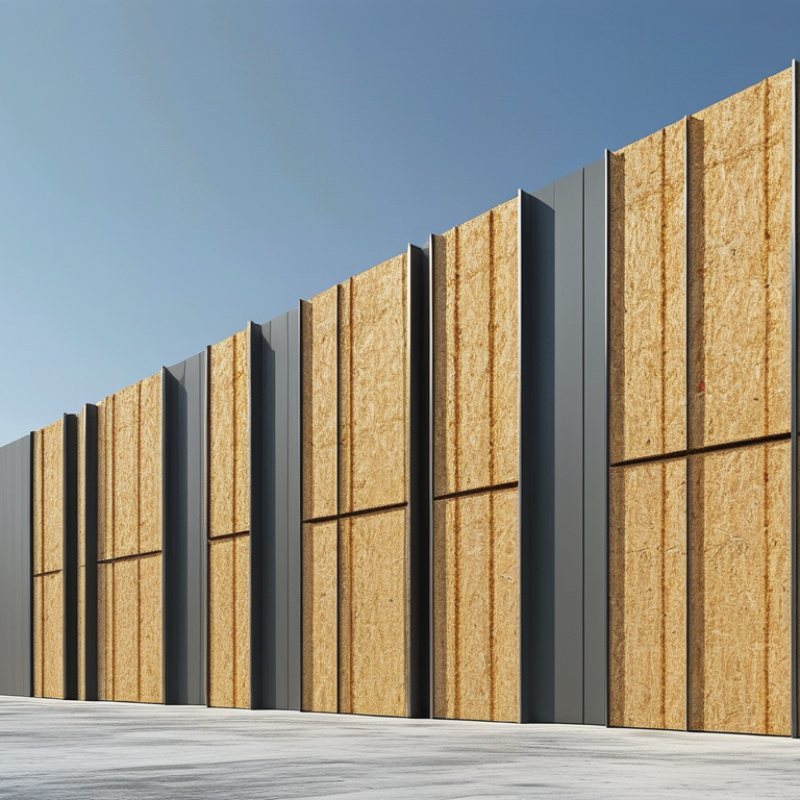
Sandwich panels are innovative construction materials. They consist of two outer layers and a core material. The outer layers are often made of metal or other strong materials. The core can be foam or other lightweight substances. This layered construction offers excellent insulation and structural stability.
When comparing sandwich panels to traditional walls, it's clear that their design provides distinct advantages. Traditional walls require additional framing and finishing. In contrast, sandwich panels come pre-finished. This reduces labor time and minimizes overall construction costs. Choosing sandwich panels can lead to faster project completion.
Tip: Always consult with an expert to understand the specific needs of your project. Each building has unique requirements that can affect material choice.
It's noteworthy that while sandwich panels are efficient, they may not be suitable for every environment. Factors like fire resistance and moisture exposure must be considered. Some might view traditional walls as more reliable in adverse conditions. Be sure to evaluate these aspects closely.
Tip: Regularly assess the compatibility of materials with local climate conditions. This can prevent issues down the line. Adapting your choices based on environmental factors can enhance durability.
Traditional walls have been the foundation of construction for decades. They typically consist of materials like bricks, concrete, or wood. These materials provide strength and durability. The structure often includes an inner frame, insulation, and a facade. Each layer plays a crucial role in overall performance. For instance, insulation helps in energy efficiency, while the outer layer is key for aesthetics.
However, traditional walls can have limitations. Installation can be time-consuming and labor-intensive. They may require continuous maintenance to ensure integrity over time. In addition, they may lack flexibility in design. This can restrict creativity, especially in modern architecture. Upgrading or altering these walls can be a complicated task.
Despite their reliability, traditional walls often do not match the performance metrics of newer materials. For instance, they may not provide the same energy efficiency as modern alternatives. Understanding these dynamics is essential for making informed construction choices. Evaluating the benefits and drawbacks is a necessary step in the building process.
When comparing sandwich panels and traditional walls, insulation properties stand out. Sandwich panels consist of layers, often featuring a core of insulation material. This design maximizes thermal resistance. The insulation performance is more uniform, which leads to energy efficiency. In contrast, traditional walls typically have varying insulation levels. The efficiency can differ, affecting overall building costs.
Traditional walls use materials like brick and concrete. These materials tend to absorb and release heat irregularly. The thickness of these walls often doesn’t compensate for this. Air pockets and insulation gaps can exist in traditional construction. This might lead to cold spots, which are less efficient for climate control. In contrast, sandwich panels provide consistent thermal barriers. Their design can limit thermal bridging, enhancing performance.
However, sandwich panels may face installation challenges. Improper sealing can lead to leaks. Additionally, their lifespan could be a concern in certain climates. Even though they provide excellent insulation, maintenance in extreme weather is crucial. Traditional walls might have a longer lifespan. Yet, they may require more resources for insulation upgrades. This ongoing debate highlights the need for careful consideration during the construction process.
Sandwich panels offer significant advantages over traditional walls in terms of strength and durability. Made from two outer layers that enclose a core material, these panels provide excellent structural integrity. This design distributes stress evenly, making them resistant to cracking and warping. In contrast, traditional walls often rely on materials like drywall and plaster, which can be vulnerable to environmental conditions.
The durability of sandwich panels also stands out in various applications. They can withstand harsher weather elements, reducing maintenance over time. For instance, they are less prone to moisture damage, which is a common issue with traditional wall systems. However, some may argue that the initial cost of sandwich panels is higher. This can be a concern for budget-conscious projects. Yet, the long-term benefits in durability and reduced repair costs often outweigh this investment.
Ultimately, choosing between sandwich panels and traditional walls depends on specific project requirements. Evaluating the strength and longevity of materials is crucial. Relying on expert insights can help in making a well-informed decision. The construction industry is evolving, and learning from past choices is essential for progress. Embracing innovative materials can yield better outcomes for both builders and homeowners.
When comparing sandwich panels to traditional walls, cost-efficiency and installation time present notable differences. Industry reports suggest that sandwich panels can reduce construction time by up to 40%. This is primarily due to their prefabricated nature, allowing for quicker on-site assembly. Traditional walls require extensive labor and time due to masonry work. The efficiency of sandwich panels is especially beneficial in large-scale projects, where time savings can translate into substantial cost reductions.
Upon analyzing material costs, sandwich panels can be a more affordable option. According to recent studies, they often lead to savings of 20-30% compared to traditional construction methods. However, some criticize the upfront investment in specialized materials. Although they may seem pricier at the beginning, their durability and low maintenance needs provide long-term savings. A report by the National Institute of Building Sciences noted that the lifecycle costs of sandwich panels often outweigh initial expenses, making them a viable option for modern builders.
Despite these advantages, challenges exist. Some contractors cite difficulties in achieving perfect insulation and air-tightness with sandwich panels. This can lead to energy inefficiencies if not addressed properly. Thus, homeowners and builders must carefully consider installation practices and material choices to ensure the long-term performance of these systems. Each method has its trade-offs, demanding thoughtful reflection on specific project needs.
| Criteria | Sandwich Panels | Traditional Walls |
|---|---|---|
| Cost | Lower initial costs | Higher initial costs |
| Installation Time | Faster installation | Longer installation |
| Insulation | Excellent insulation properties | Variable insulation properties |
| Weight | Lighter weight | Heavier weight |
| Structural Support | Requires less structural support | Requires more structural support |
| Aesthetics | Modern appearance | Traditional appearance |
| Energy Efficiency | Higher energy efficiency | Lower energy efficiency |
| Durability | Highly durable | Variable durability |
| Moisture Resistance | Good moisture resistance | May absorb moisture |
| Sustainability | Often made from recycled materials | Traditionally sourced materials |
: Sandwich panels consist of two outer layers enclosing a core material. This provides structural integrity and strength.
Sandwich panels are more durable. They are less prone to cracking, warping, and moisture damage than traditional wall materials.
Yes, they can save 20-30% compared to traditional methods. Initial costs may be higher, but long-term savings are notable.
Installation can be reduced by up to 40%. Their prefabricated nature allows quicker assembly on-site.
Some contractors face issues with insulation and air-tightness. Proper installation is crucial for energy efficiency.
Evaluate strength, durability, and installation practices. Long-term performance depends on thoughtful material choices.
Concerns often arise from upfront costs and initial investment in specialized materials. Reflecting on potential savings is important.
Traditional walls can be vulnerable to weather, leading to issues like cracking and moisture. Sandwich panels perform better in these situations.
Expert insights can guide builders in making informed decisions based on specific project requirements.
The industry is evolving, and learning from past choices helps builders achieve better outcomes with innovative materials.
The article "10 Key Differences Between Sandwich Panels and Traditional Walls" explores the fundamental distinctions between these two construction materials. Firstly, it defines sandwich panels, which consist of multiple layers for enhanced insulation and structural integrity, in contrast to traditional walls, typically made from bricks or concrete. The analysis delves into their insulation properties, revealing that sandwich panels often provide superior thermal performance due to their layered structure.
Additionally, the article compares the strength and durability of both options, highlighting that while traditional walls may offer robustness, sandwich panels are designed for quicker installation and can be cost-effective. Ultimately, readers gain a comprehensive understanding of what is the difference between sandwich panels and traditional walls, enabling informed decisions based on their specific construction needs.

Jonas Build