How Long Do Industrial Building Panels Last for Buyers?

Time:2026-07-02 Author:Ethan
0%

When considering industrial building panels, longevity is a crucial factor for buyers. The question often arises: how long do industrial building panels last? Understanding their lifespan helps in making informed purchasing decisions.

Many factors affect the durability of these panels. Quality of materials, installation methods, and environmental conditions play significant roles. Buyers may have varying experiences, leading to different perceptions of panel performance. Some panels may last decades, while others could falter within a few years due to neglect or poor installation.

This variability highlights the need for buyers to research thoroughly. Choosing reputable manufacturers can make a significant difference. Yet, even the best products require maintenance and care. Ultimately, understanding how long do industrial building panels last depends not only on the panels themselves but also on how they are used and maintained over time.
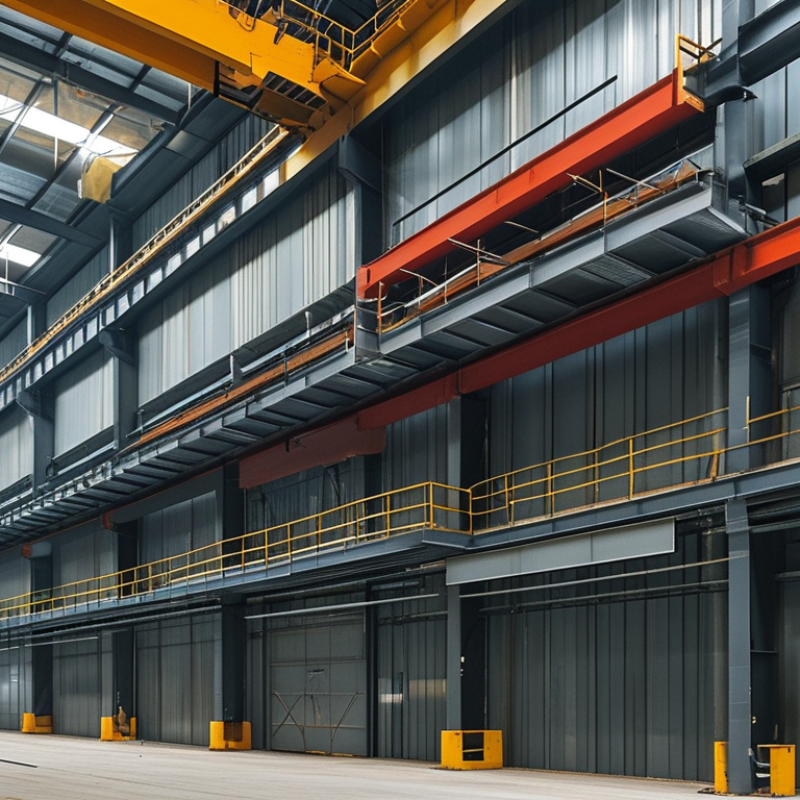
How Long Do Industrial Building Panels Last for Buyers?

Understanding Industrial Building Panel Lifespan: Key Factors

Industrial building panels typically last between 20 to 40 years. However, various factors influence their lifespan. Material quality plays a critical role. High-grade materials resist wear and tear better than cheaper options. Environmental conditions also matter. Extreme temperatures, moisture, and UV exposure can degrade panels faster.

Installation practices are essential too. Poor installation can lead to premature failures. Panels that are not properly sealed may allow water intrusion. This can cause mold and structural issues. Maintenance is also crucial. Regular inspections ensure panels remain in good condition. Neglect can lead to significant problems over time.

Buyers must consider these factors carefully. Investing in quality panels and skilled installation pays off. Understanding the environment where panels will be used helps in making informed choices. Balancing cost with longevity is key. Each decision impacts the overall lifespan of industrial building panels.

Industrial Building Panel Lifespan: Key Factors

Material Composition and Its Impact on Durability in Industrial Panels

In the realm of industrial building panels, material composition plays a crucial role in determining longevity. Different materials like steel, concrete, and composites each present unique characteristics affecting durability. According to industry reports, steel panels can last between 30 to 50 years, while concrete panels might reach even longer lifespans of up to 75 years. However, the real-world scenarios can often deviate from these numbers due to factors like environmental conditions and maintenance.

Environmental stressors can take a toll on durability. For example, panels exposed to harsh weather can corrode or deteriorate faster. A study released by the American Society of Civil Engineers highlighted that nearly 30% of industrial buildings face premature failure due to improper material choice. This emphasizes the necessity of selecting materials suited for specific environmental contexts.

Tips: Always analyze the expected lifespan of the materials used in panels. Seek advice from industry experts to weigh your options carefully. Additionally, scheduling regular maintenance can significantly prolong the life of your industrial panels. A proactive approach will help mitigate unforeseen expenses. Remember, the balance between cost and quality is vital for long-lasting structures.

Environmental Effects on Industrial Building Panel Longevity

Environmental factors play a crucial role in determining the longevity of industrial building panels. Various elements, including moisture, temperature fluctuations, and UV exposure can drastically reduce the lifespan of these materials. For instance, panels subjected to constant high humidity often experience mold growth and structural degradation. This often leads to costly repairs and replacements.

Additionally, harsh temperatures can lead to thermal expansion and contraction. This cycle stresses the materials, possibly causing cracks or warping over time. UV rays from sunlight can cause surface degradation, leading to color fading and brittleness. Regular maintenance can help mitigate some effects. However, it is important to understand that some damage may go unnoticed until it's too late.

It is essential to choose materials that can withstand specific environmental challenges. In regions subject to heavy rains or snow, durability becomes even more critical. Ignoring local climate conditions when selecting panels can lead to unexpected failures. Awareness of these factors is vital for making informed decisions. Understanding the interplay between environment and material is key for long-term satisfaction.

Maintenance Practices to Extend the Life of Industrial Panels

Industrial building panels can last 30 years or more with proper maintenance. Regular upkeep not only enhances lifespan but also ensures safety and efficiency. The National Institute of Standards and Technology estimates that proper panel maintenance can reduce energy costs by 10-20%. This translates to significant savings over time, making upkeep a worthwhile investment.

One crucial practice is a thorough cleaning schedule. Dirt and debris can degrade the materials. It's advised to wash panels every six months using non-abrasive cleaners. Inspections should focus on seams, joints, and fasteners. A study by the International Facility Management Association notes that preventive maintenance can reduce unplanned repair costs by up to 25%. This means a proactive approach pays off in the long run.

Temperature fluctuations can affect panels. Insulation integrity is essential. Applying protective coatings can mitigate damage from UV exposure. This is not just about aesthetics but also about functional longevity. Some owners overlook these small details, often leading to larger issues later. Regular check-ups help identify wear before it becomes a crisis.

Industry Standards and Average Lifespan of Various Panel Types

When considering the lifespan of industrial building panels, understanding the specific types available is crucial. Metal panels often last 40 to 60 years with proper maintenance. They are resistant to corrosion and wind. However, their longevity depends significantly on the environment in which they are installed. Extreme weather or lack of care can reduce their durability.

Polyurethane and polystyrene panels present different lifespans. Typically, these can last anywhere from 20 to 30 years. Their insulation properties make them attractive for energy efficiency. Yet, factors like UV exposure can lead to deterioration. Not all installations consider these risks, which can lead to issues down the line.

Fiberglass panels, on the other hand, can endure about 10 to 20 years. They are lightweight and resistant to many chemicals. However, they might suffer from fading and brittleness due to prolonged sun exposure. Regular assessments can help in identifying these signs early. Overall, while industrial panels have set lifespan expectations, various environmental and installation factors influence their actual durability.

FAQS

: How long do industrial building panels typically last?

: Industrial building panels usually last between 20 to 40 years, depending on various factors.

What influences the lifespan of industrial panels?

Material quality, environmental conditions, installation practices, and maintenance all impact their longevity.

How does material quality affect panel durability?

High-grade materials resist wear better than cheaper alternatives, leading to longer lifespan.

What environmental conditions can shorten panel lifespan?

Extreme temperatures, high moisture, and UV exposure can cause faster degradation of panels.

Why is installation important for panel longevity?

Poor installation can lead to premature failure, especially if panels are not properly sealed.

How does maintenance contribute to panel lifespan?

Regular inspections help identify issues early, preventing significant damage over time.

What should buyers consider when choosing panels?

Consider material quality, environmental factors, and the balance between cost and longevity.

Can environmental factors lead to unexpected failures?

Yes, ignoring local climate conditions can result in panels degrading quicker than expected.

How often should panels be maintained?

Schedule regular check-ups to address any potential issues and maintain good condition.

What happens if maintenance is neglected?

Neglect can lead to major repairs and shorten the lifespan of the panels significantly.

Conclusion

The lifespan of industrial building panels is influenced by several key factors, making it essential for buyers to understand how long do industrial building panels last. Material composition plays a crucial role in determining durability, with different materials offering varying levels of strength and resistance to wear. Additionally, environmental conditions, such as exposure to moisture and extreme temperatures, can significantly affect the longevity of these panels.

Regular maintenance practices are vital for extending the lifespan of industrial panels, as they help identify and address potential issues before they escalate. Additionally, adhering to industry standards can provide insights into the average lifespan of various panel types, ensuring that buyers make informed decisions. By considering these factors, stakeholders can better anticipate the performance and longevity of industrial building panels in their specific applications.

Ethan

Ethan

Ethan is a seasoned marketing professional with a deep expertise in our company's innovative product line. With a passion for sharing knowledge and insights, he takes the lead in regularly updating our corporate blog, where he explores industry trends, product features, and effective marketing......