In the ever-evolving construction industry, quality and safety are of utmost importance. This raises the question: what certifications should construction panel manufacturers have? Certifications serve as a benchmark for quality assurance and regulatory compliance. They can also enhance a company’s credibility, making it easier to gain client trust.
Manufacturers need various certifications to meet industry standards. For instance, certifications like ISO 9001 indicate a focus on quality management. Another essential certification is ASTM, which ensures that products meet specific technical standards. These credentials not only highlight a manufacturer’s commitment to quality but also protect consumers and stakeholders alike.
Choosing the right certifications can be daunting. Some companies may lack the necessary knowledge or resources to obtain them. Consequently, they risk falling short of industry expectations. This uncertainty underscores the importance of understanding which certifications truly matter. Such awareness can guide manufacturers in making informed decisions, ultimately improving their market position and reliability in the field.
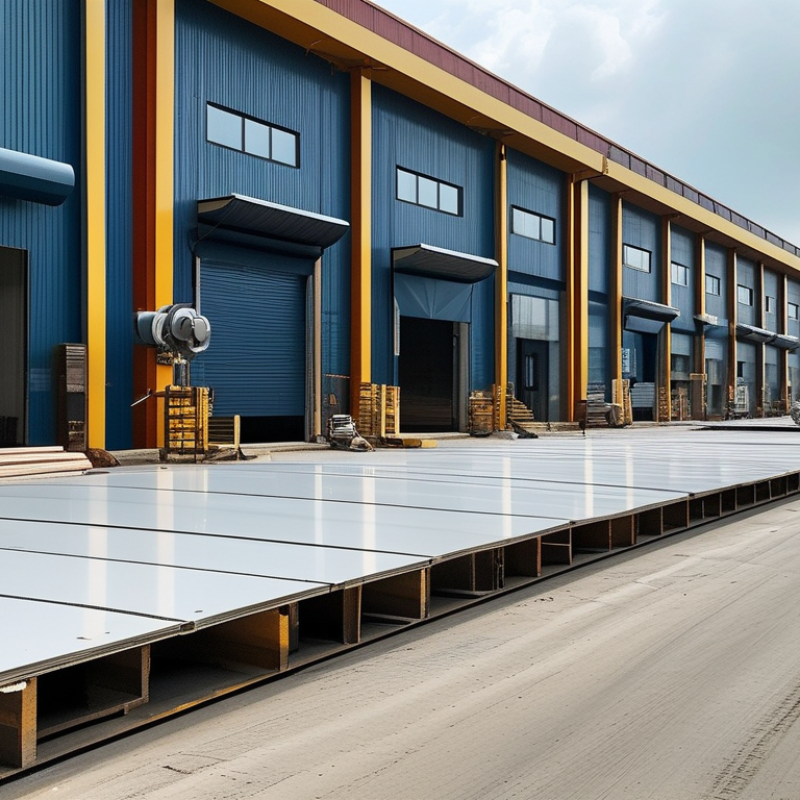
Certification plays a crucial role in construction panel manufacturing. It signifies that a manufacturer meets industry standards and regulations. This ensures safety and quality in the products they produce. When panels are properly certified, it helps build trust with customers and stakeholders. Many clients prefer certified manufacturers because they feel more secure in the quality of the materials.
However, obtaining these certifications can be challenging. It often requires significant investment in training and compliance. Manufacturers may struggle to keep up with ever-changing regulations. This can lead to frustration and delays in production. Despite these hurdles, the long-term benefits usually outweigh the difficulties. Certified products tend to perform better and last longer, which can reduce costs in the future.
Investing in certification not only enhances a manufacturer’s reputation but also promotes a culture of safety. Employees become more knowledgeable about best practices and standards. This education can lead to better quality control and fewer errors on the production line. In a competitive market, having the right certifications can be a game-changer, opening doors to new opportunities.
When it comes to construction panels, certifications signify quality and reliability. Firstly, the ISO 9001 certification stands out. It emphasizes quality management systems. Companies can improve their processes and meet customer demands effectively. This certification is essential for gaining trust and ensuring consistent output.
Another vital certification is ASTM standards. They focus on materials and testing methods. Compliance with ASTM ensures products meet high-performance benchmarks. This is crucial for safety and durability in construction applications. Many customers look for this certification to validate material quality.
Lastly, LEED certification supports sustainability. It examines environmental impacts and promotes eco-friendly practices. Manufacturers seeking to appeal to environmentally conscious clients should consider this certification. Adopting sustainable practices helps boost industry reputation. However, some manufacturers might struggle with the rigorous standards. Reflecting on areas for improvement is important for growth and future success.
Quality management certifications play a crucial role in the construction panel manufacturing industry. These certifications ensure that manufacturers meet stringent quality standards. For instance, a 2022 report from the International Organization for Standardization (ISO) indicates that companies with certified quality management systems saw a 20% increase in efficiency. This highlights the tangible benefits of quality certification.
One notable certification is ISO 9001. It's a globally recognized standard for quality management systems. Achieving this certification can significantly enhance a manufacturer’s credibility. Furthermore, research shows that 75% of businesses with ISO 9001 certification reported improved customer satisfaction. However, the certification process can be challenging and may pose difficulties for smaller manufacturers lacking resources.
Another important certification is the International Accreditation Forum (IAF) certification. It focuses on ensuring products meet international standards. This can improve market access for construction panel manufacturers. Yet, maintaining compliance requires ongoing commitment and resources. Some manufacturers struggle with consistent quality control. Data indicates that nearly 30% of manufacturers experience lapses in quality, signaling a need for better training and management.
In the construction panel manufacturing industry, regulatory compliance is crucial. Compliance certifications ensure that products meet safety and performance standards. Without these certifications, manufacturers risk facing legal issues and potential product recalls. It's essential to understand the specific certification requirements for the regions where panels will be used.
One important certification is related to fire safety. Panels must meet fire-resistance ratings to ensure safe use. This testing often involves rigorous assessments, which can be costly and time-consuming. While some manufacturers may hesitate due to these challenges, attaining this certification can enhance their credibility.
Another area of focus is environmental impact. Many panels must comply with sustainability standards. Achieving certifications like these can open doors to new markets. However, this process often requires additional documentation and ongoing monitoring. Manufacturers should reflect on their current practices to ensure compliance and maintain a competitive edge.
Sustainable construction practices are becoming vital in the construction industry. Certifications that focus on sustainability are emerging as essential for panel manufacturers. These certifications often evaluate energy efficiency, material sourcing, and waste management. Choosing the right certification can lead to significant improvements in environmental impact.
One notable certification is focused on embodied carbon tracking. This certification helps manufacturers understand the carbon footprint of their panels throughout their lifecycle. Another emerging standard emphasizes the use of recycled materials. By integrating recycled content, manufacturers can reduce waste and promote circular economy practices. Engaging with these certifications can feel overwhelming. However, the long-term benefits often outweigh the initial challenges. Manufacturers need to invest time in understanding their energy consumption patterns and sourcing strategies.
Transparency in reporting is key for panel manufacturers. They must demonstrate their commitment to sustainability. This can lead to enhanced credibility and competitiveness in the market. As the construction industry evolves, staying informed about new sustainability certifications is crucial. Each step taken towards sustainable practices can foster a culture of responsibility and innovation.
: Certifications indicate that a manufacturer meets industry standards, ensuring safety and quality in their products.
Certified products create a sense of security, leading clients to prefer certified manufacturers.
Manufacturers may struggle with investment in training and keeping up with changing regulations.
Yes, certified products generally perform better and last longer, potentially reducing future costs.
Certification promotes knowledge of best practices, enhancing quality control and reducing errors.
Fire safety certifications ensure panels meet fire-resistance ratings for safe use.
Achieving environmental certifications can open doors to new markets, enhancing competitiveness.
Reflecting helps ensure compliance with certifications and maintain a competitive edge.
Yes, the process can be time-consuming and costly, causing delays in production.
Certification enhances a manufacturer’s credibility, often leading to new business opportunities.
In the construction panel manufacturing industry, understanding what certifications construction panel manufacturers should have is crucial for ensuring product quality and compliance with regulatory standards. This article emphasizes the significance of certifications, which not only enhance the credibility of manufacturers but also ensure adherence to industry standards and best practices.
The discussion highlights several key certifications, including Quality Management certifications that focus on maintaining and improving production processes, and Regulatory Compliance certifications that address legal safety and environmental requirements. Additionally, the article explores emerging certifications that promote sustainable construction practices, reflecting the industry's shift towards environmentally-friendly solutions. Overall, obtaining the right certifications is essential for construction panel manufacturers looking to thrive in a competitive market and meet evolving consumer expectations.

Jonas Build