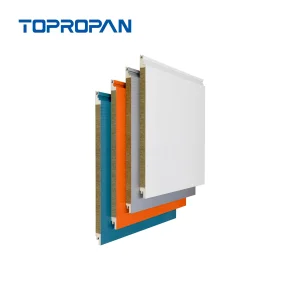
In modern commercial and industrial construction, energy efficiency, acoustic buffering, and fire containment are critical design parameters. Thermal mass represents the capacity of a building material to absorb, store, and gradually release heat energy. Unlike low-mass insulation systems that simply resist heat flow, high-performance Thermal Mass Panels leverage thermal inertia to stabilize internal temperatures. By shifting peak cooling and heating loads to off-peak periods, these systems play an essential role in reducing energy costs and creating comfortable indoor spaces.
As a leading OEM supplier and exporter, Ningbo Jonas Build Co., Ltd. offers customized structural insulated panels designed to meet these thermodynamic requirements. Our wall, ceiling, and partition products combine high-density mineral wool, polyurethane (PU), and custom outer facings. These combinations are designed to optimize thermal performance, manage humidity, and withstand fire, meeting the strict standards of modern industrial facilities, laboratories, and green modular structures.
Ningbo Jonas Build Co., Ltd. is a professional industrial construction panel manufacturer specializing in insulated building panel solutions for global industrial and commercial construction projects. With extensive industry experience and advanced manufacturing capabilities, we provide high-quality, energy-efficient, and customized panel systems designed to meet the diverse technical and regulatory demands of customers worldwide.
Our comprehensive range of products includes insulated sandwich panels, industrial wall panels, roofing panels, cold room panels, cleanroom panels, fire-rated panels, and customized building envelope solutions. Designed for thermal performance, structural reliability, and rapid on-site installation, our products are used in industrial plants, warehouses, logistics centers, cold storage facilities, commercial complexes, modular construction projects, and infrastructure developments.
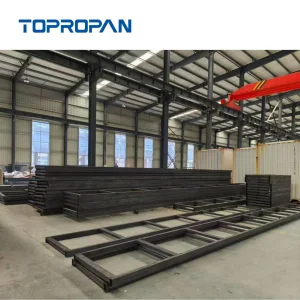
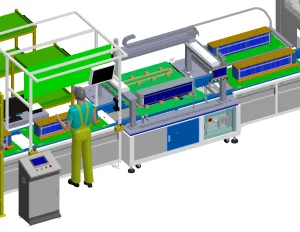
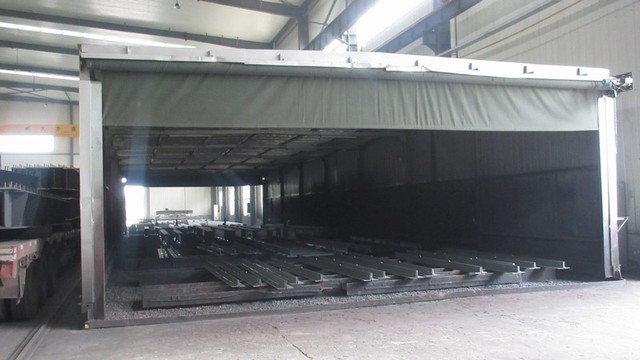
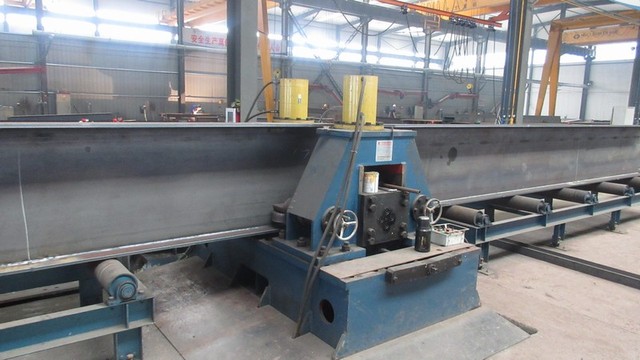
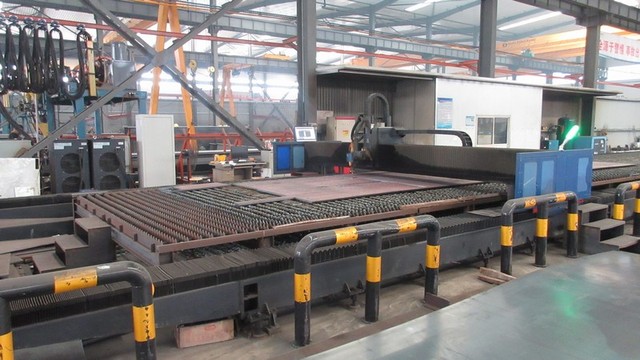
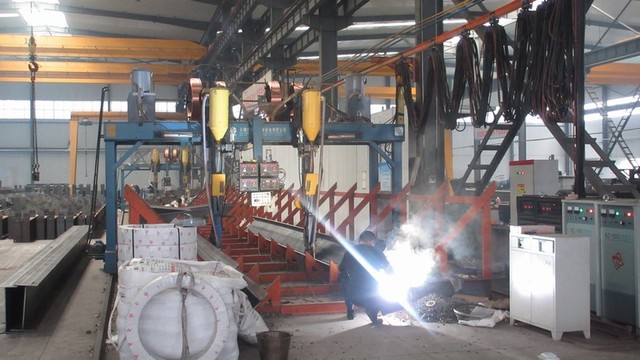
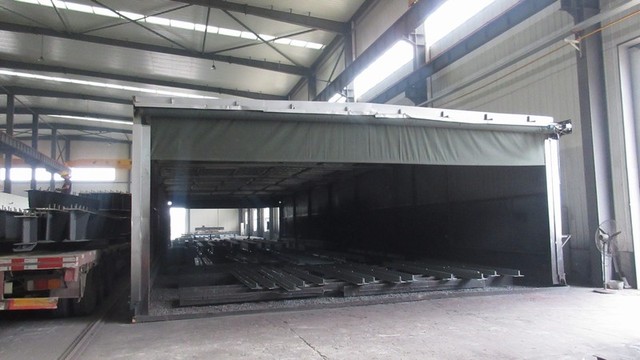
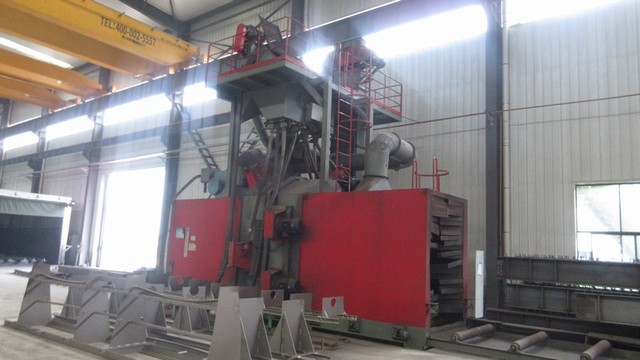
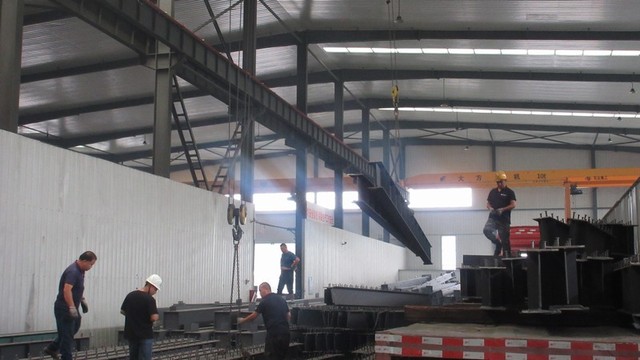
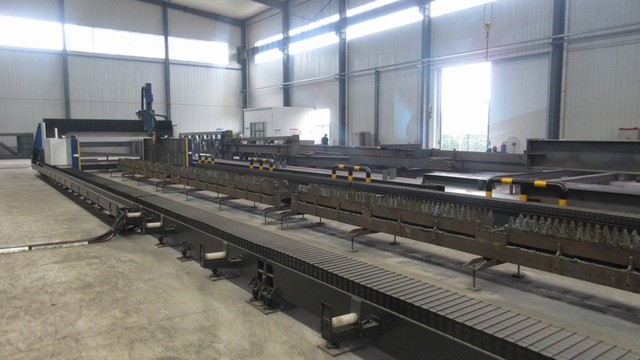
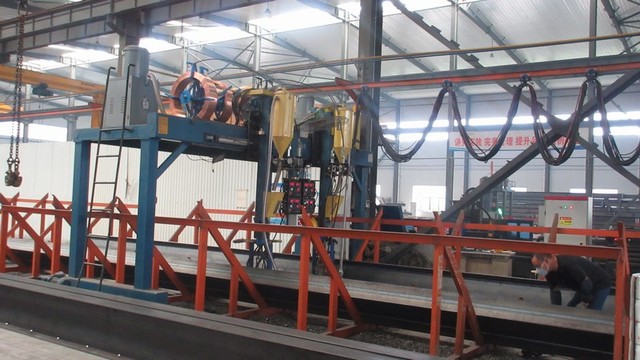
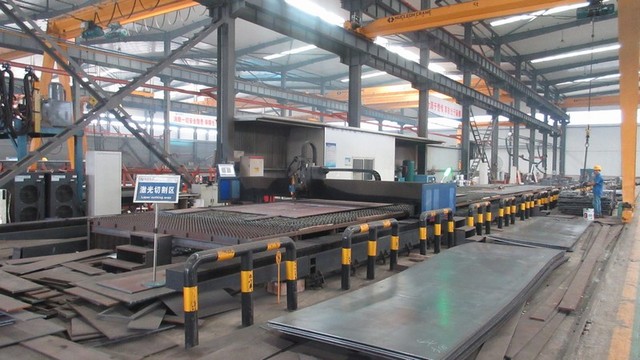
Our modern production facilities feature advanced automated manufacturing lines, precision processing equipment, and strict quality inspection systems. Supported by an experienced team of engineers and technical specialists, we provide end-to-end services covering project consultation, custom product design, manufacturing, quality assurance, packaging, and international logistics coordination.
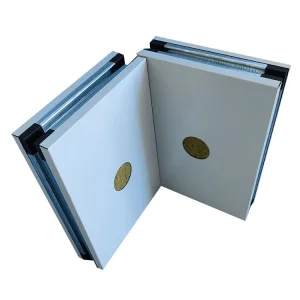
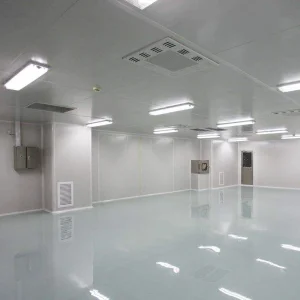
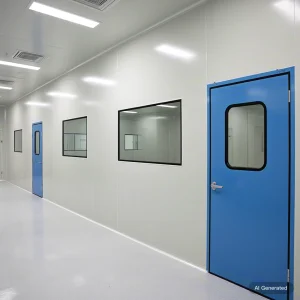
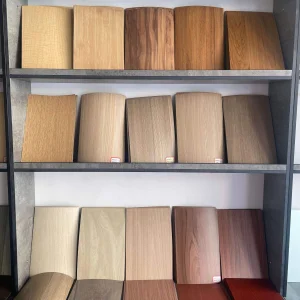
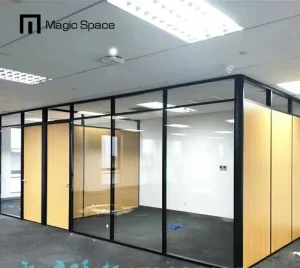
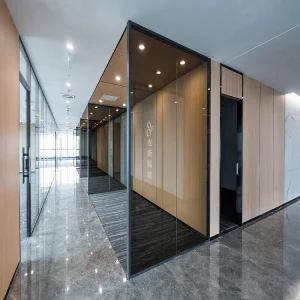
We supply modular, airtight panel configurations designed for ISO-rated cleanrooms. Using specialized HPL or galvanized steel facings, our systems help limit micro-particle accumulation, making them suitable for semiconductor fabrication and pharmaceutical manufacturing.
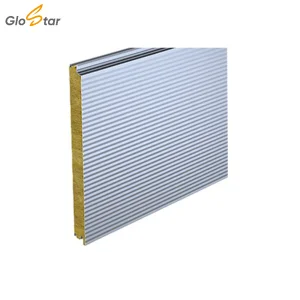
Our high-density polyurethane (PU) and PIR core panels provide effective thermal isolation, minimizing thermal bridging and maintaining consistent temperature controls for food, pharmaceutical, and chemical storage facilities.
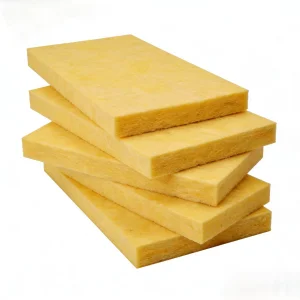
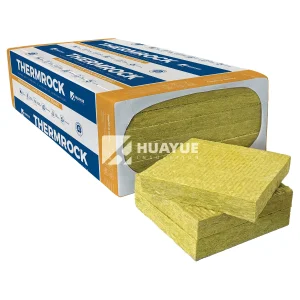
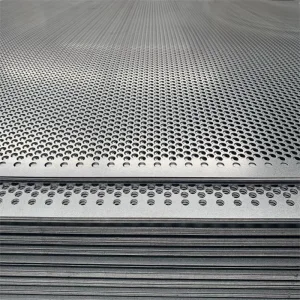
Designed with perforated acoustic metal layers and high-density mineral rock wool cores, these panels absorb sound and reduce mechanical noise in manufacturing environments and engine compartments.
As global energy regulations tighten, modern construction projects require customized solutions rather than standard, off-the-shelf panels. Partnering with a China-based manufacturer like Ningbo Jonas Build Co., Ltd. offers several strategic benefits for sourcing high-performance thermal envelopes:
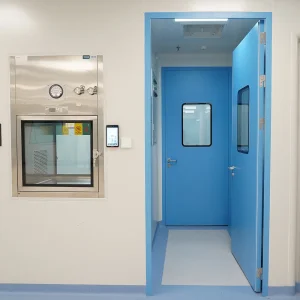
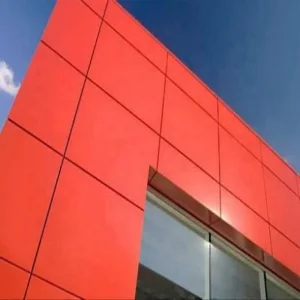
Selecting the appropriate panel system depends on the specific project environment and operational goals. For example, high-humidity coastal structures benefit from PVDF-coated exterior finishes that resist salt spray corrosion, while cleanrooms and hospitals require smooth, flush-mount partition systems that can withstand sanitation protocols and minimize bacterial growth.
In terms of regional energy use, panels with high thermal mass help shift heating and cooling loads, lowering energy consumption in regions with variable daily temperatures. In cold storage facilities, precise panel interlocking systems help prevent thermal leakage, which reduces demand on refrigeration units and supports operational efficiency.
The building envelope market is transitioning toward decarbonized materials and smart prefabrication. Key industry trends include:
Ningbo Jonas Build Co., Ltd. aligns with these trends by utilizing eco-friendly raw materials, optimizing insulation efficiency, and manufacturing modular panel configurations that simplify installation.
 Jonas Build