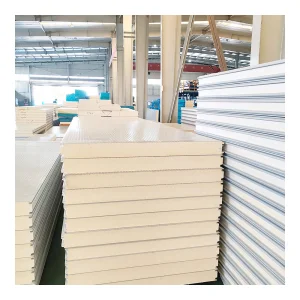
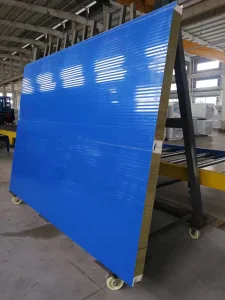
Engineered structural wall, roofing, and sectional systems designed to optimize energy retention and operational efficiency.
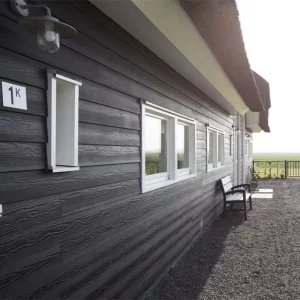
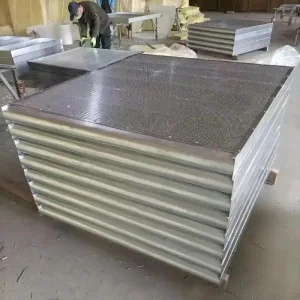
Examining how high-performance thermal barriers have evolved into a core operational asset for smart logistics, global commerce, and energy mitigation.
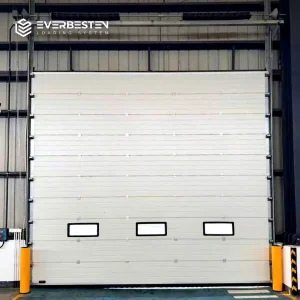
In modern industrial architectural engineering, the thermal integrity of the building envelope is only as strong as its weakest ingress point. As logistics networks scale globally to support cold chain infrastructure, agricultural storage, and climate-controlled pharmaceutical warehousing, insulated sectional door panels have transitioned from simple structural closures to highly complex energy-preservation mechanisms. Global construction standard frameworks (such as ASHRAE 90.1, IECC, and the European Union’s Energy Performance of Buildings Directive) require extreme optimization of thermal transmittance (U-factors). Consequently, heavy-duty industrial door panels must satisfy multi-faceted performance criteria: maximum thermal resistance (R-value), robust mechanical fatigue endurance, high wind-load ratings, and sound structural integrity under constant thermal cycling.
Maintaining an unbroken cold chain for deep-freeze (-25°C) storage demands insulated doors that prevent condensation, eliminate thermal bridging at the joints, and withstand extreme temperature deltas across the panel interface.
Logistics hubs with high cross-docking traffic require doors that are lightweight yet structurally rigid, minimizing wear on motors, counterbalances, and spring systems while remaining resistant to minor impact damage.
For chemical depots, advanced manufacturing, and complex logistics zones, panels must adhere to strict fire-spread and smoke-generation ratings. Polyisocyanurate (PIR) and mineral wool cores provide crucial class-rated passive protection.
Industrial doors accounts for up to 15% of a facility's total energy loss. While static wall panels achieve higher overall R-values, the moving seals and joint profiles of sectional door panels require precision structural design to prevent convective air exchange. Using modern continuous polyurethane injection, our panels achieve zero air-gap joints with integrated double-tongue-and-groove gaskets, dramatically reducing long-term HVAC operating expenses.
A detailed technical comparison of panel cores, skin substrates, and performance coefficients across diverse industrial applications.
| Insulation Core Type | Thermal Conductivity (λ - W/m·K) | Standard Density Range | Fire Rating Standard | Primary Application Area |
|---|---|---|---|---|
| PIR (Polyisocyanurate) | 0.020 - 0.022 | 40 - 42 kg/m³ | Class B-s1, d0 (EN 13501-1) | Cold storage, High-end industrial doors, distribution hubs |
| PUR (Polyurethane) | 0.022 - 0.024 | 38 - 40 kg/m³ | Class B-s2, d0 (EN 13501-1) | Sectional overhead doors, General warehouse partitioning |
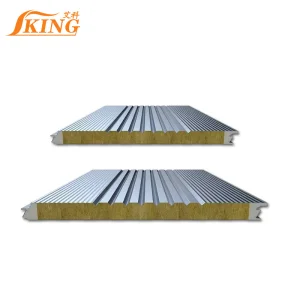
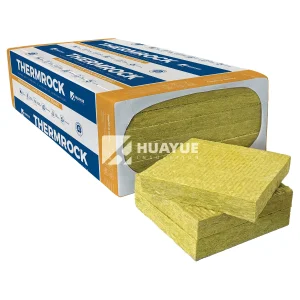
| Rock Mineral Wool (Basalt) | 0.035 - 0.040 | 100 - 120 kg/m³ | Class A1 (Non-combustible) | High fire risk zones, acoustic containment facilities |
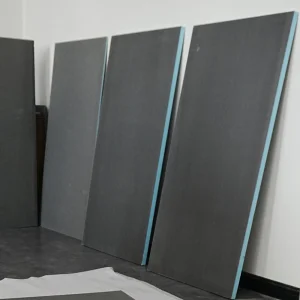
| XPS (Extruded Polystyrene) | 0.028 - 0.032 | 32 - 36 kg/m³ | Class E / B2 | Tile backer boards, sub-slab insulation, wet-room walls |
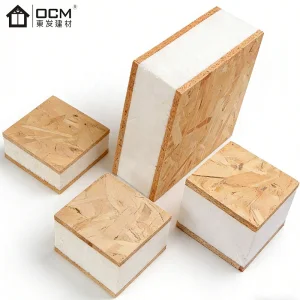
| EPS (Expanded Polystyrene) | 0.034 - 0.038 | 15 - 20 kg/m³ | Class B2 / E | Lightweight prefab building walls, temporary site offices |
Selecting the correct material matrix involves balancing structural load configurations against thermal profiles. While Polyisocyanurate (PIR) offers the lowest thermal conductivity, allowing for thinner panel profiles, Basalt-based Rock Wool panels provide the absolute peak of structural fire resistance (up to 4 hours protection). For moving structural sections, such as overhead doors, weight limitations usually mandate the use of PIR/PUR cores clad with continuous hot-dipped galvanized steel plates (0.4mm to 0.6mm thickness) with protective primer and high-durability polyester coatings.
Unlocking cost advantages, advanced automation capabilities, custom structural prototyping, and reliable global logistic integration.
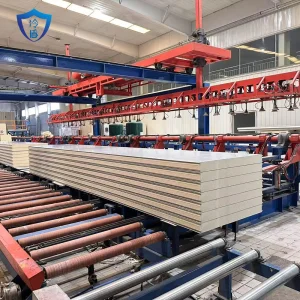
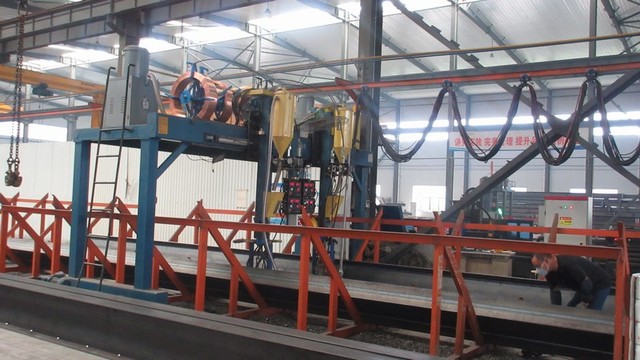
Modern Chinese factories utilize European-engineered continuous double-belt laminator lines. This guarantees continuous high-pressure injection, uniform density profiles, zero interior voids, and exceptional surface flatness across batch runs of up to 10,000 square meters per day.
Industrial clients rarely require off-the-shelf panels. With advanced profiling machines, manufacturers can adjust joint geometries (e.g., Z-Lock, W-Lock, interlocking tongue-and-groove profiles) and metal skin profiles (ribbed, micro-ribbed, flat) with minimal setup overhead.
Proximity to domestic steel manufacturing hubs and high-grade chemical synthesis plants allows Chinese suppliers to source structural steel skins, PVDF/SMP coatings, and polyurethane chemical bases at highly optimized market rates, passing direct cost savings to overseas procurement teams.
Analyzing localized demands for mechanical resilience, wind resistance, corrosion resistance, and thermal performance.
Procurement criteria emphasize energy codes like ASHRAE 90.1, demanding rigid R-values (typically R-8 to R-16 per inch of panel thickness) and strict wind-load engineering certificates. In coastal areas, wind resistance calculations according to ASCE 7 are critical, requiring heavy-gauge steel skin reinforcements and reinforced hardware mounting paths.
Focuses primarily on fire safety standard EN 13501-1 and environmental certifications. High-end project specifications demand CE marked panels with low smoke emissions (s1 rating) and zero ozone depletion potential (ODP) blowing agents. Panels must use eco-friendly materials and offer fully documented Product Environmental Declarations (EPD).
Environmental conditions pose high challenges: persistent ambient temperatures exceeding 45°C, high UV radiation, and sand dust exposure. Here, thermal-break technology is critical to prevent heat radiation from traversing the exterior metal face to the interior. High-durability coatings like PVDF or HDP are mandatory to resist fading and surface degradation.
High humidity and airborne salt compounds call for extreme corrosion protection. Our OEM capabilities offer panels clad in C5-level corrosion-resistant steel skins (such as zinc-aluminum-magnesium coatings or food-safe PVC coatings) to prevent premature rust and dynamic degradation of cold storage seals.
Your Trusted Global Construction Panel Manufacturer and Supply Chain Partner
Ningbo Jonas Build Co., Ltd. is a professional China industrial construction panel manufacturer specializing in insulated building panel solutions for global industrial and commercial construction projects. With extensive industry experience and advanced manufacturing capabilities, the company is committed to delivering high-quality, energy-efficient, and customized panel systems that meet the diverse requirements of customers worldwide.
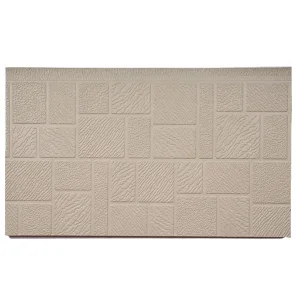
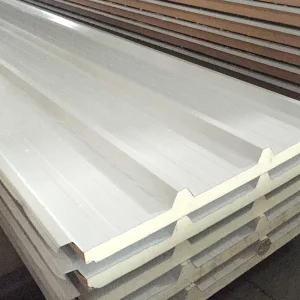
The company provides a comprehensive range of products, including insulated sandwich panels, industrial wall panels, roofing panels, cold room panels, cleanroom panels, fire-rated panels, and customized building envelope solutions. Designed for superior thermal performance, structural reliability, and rapid installation, these products are widely used in industrial plants, warehouses, logistics centers, cold storage facilities, commercial buildings, modular construction projects, and infrastructure developments.
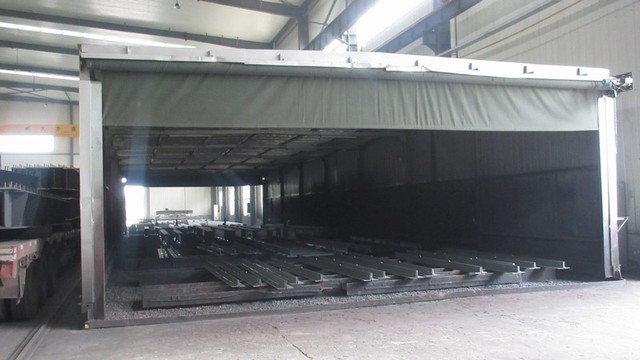
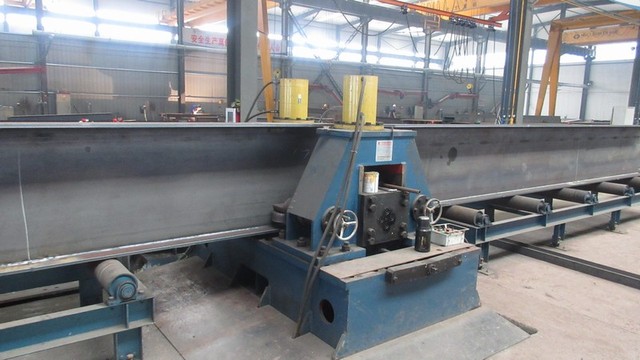
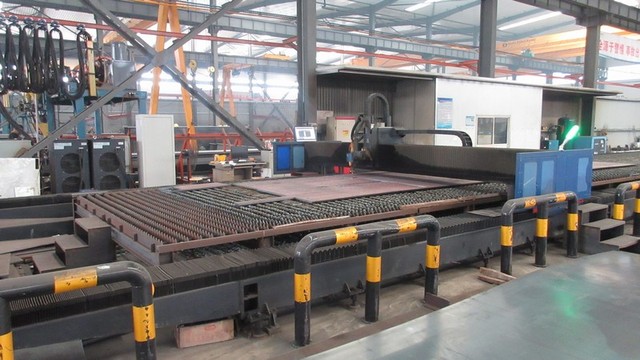
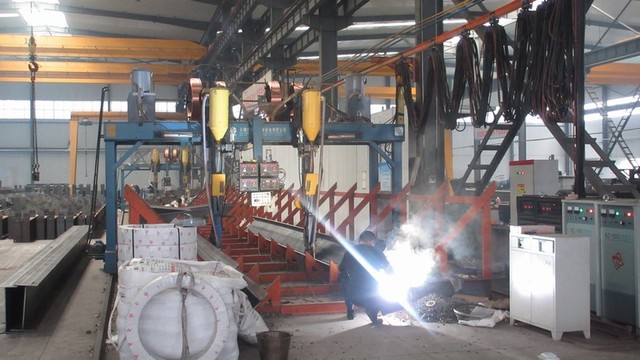
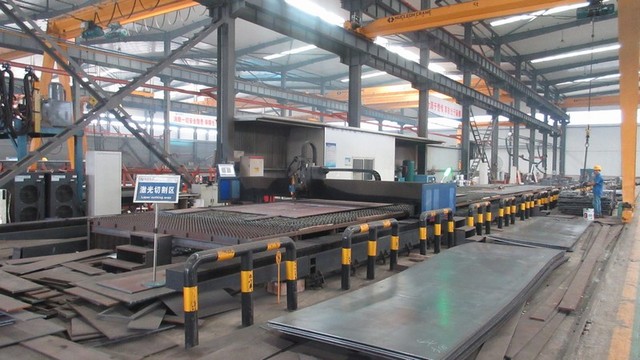
Ningbo Jonas Build Co., Ltd. operates modern production facilities equipped with advanced automated manufacturing lines, precision processing equipment, and strict quality inspection systems. Supported by a skilled team of engineers and technical specialists, the company offers one-stop services covering project consultation, product design, manufacturing, quality assurance, packaging, and international logistics coordination.
Innovation, quality, and sustainability are the core values driving the company's development. By utilizing advanced production technologies and premium raw materials, Jonas Build continuously enhances product performance in thermal insulation, fire resistance, weather protection, and energy efficiency. The company's panel systems help customers reduce construction time, lower operating costs, and improve overall building performance.
Committed to excellence and customer satisfaction, Ningbo Jonas Build Co., Ltd. has established long-term business relationships with clients across Asia, Europe, the Middle East, Africa, and the Americas. The company remains dedicated to providing reliable insulated building panel solutions that support sustainable construction and create long-term value for customers worldwide.
Direct technical answers addressing critical questions on safety, thermal optimization, installation dynamics, and customization standards.
Explore our structural thermal, fireproof, and soundproof building systems engineered for global supply chains.
 Jonas Build