Explore our top-tier collection of high-density insulation materials, exterior cladding systems, and modular building components engineered to maximize thermal efficiency and mechanical load capacity.
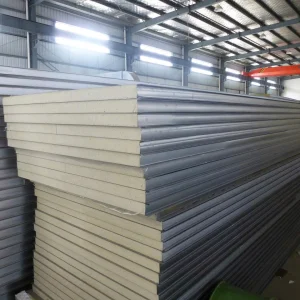
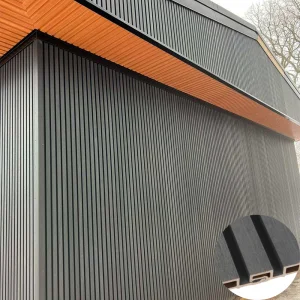
The global construction sector is undergoing a profound paradigm shift. As nations commit to carbon neutrality target frames (such as the EU's "Fit for 55" directive and the United States' ASHRAE 90.1 energy guidelines), structural engineering must evolve beyond basic static integrity. Building envelopes are now required to function as highly efficient energy-saving barrier solutions. Structural Insulation Systems (SIS), particularly those manufactured via continuous double-belt laminating production lines, have become the gold standard for high-performance building skins.
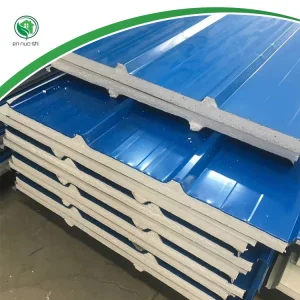
Historically, building envelopes relied on field-assembled, multi-layer insulation systems. These methods are highly prone to installation errors, thermal bridging, and moisture accumulation. Modern engineered systems integrate structural strength, thermal boundary control, and aesthetic flexibility into a single factory-finished component. By fusing polyisocyanurate (PIR), polyurethane (PU), or non-combustible mineral rock wool between dual protective metallic skins, modern SIPs (Structural Insulated Panels) achieve high structural strength alongside thermal transmittance (U-value) properties that meet stringent green building certifications, such as LEED, BREEAM, and DGNB.
Rapid expansion of temperature-controlled storage networks in North America and Western Europe, coupled with the intensive growth of cold-chain supply pathways in developing APAC markets, has stimulated double-digit market growth for thick-core (90mm to 200mm) continuous PIR panels.
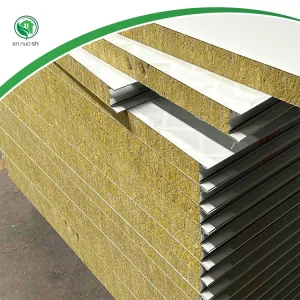
Regulatory shifts toward Class A non-combustible building materials have positioned high-density rock wool core panels as the preferred choice for industrial warehouses, logistics parks, and multi-tenant commercial facades globally.
Our track record reflects our ongoing investment in manufacturing infrastructure, technological innovation, and international quality management.
China's industrial supply chain for structural insulated systems is a highly efficient manufacturing hub. Operating from Ningbo, one of the world's most active maritime trade hubs, Ningbo Jonas Build Co., Ltd. leverages a highly optimized supply chain that integrates high-grade raw steel (galvanized/galvalume coils), precision PU/PIR chemical suppliers, and advanced robotic manufacturing lines.
Our facility utilizes continuous double-belt automated lamination systems. This production technology is essential for ensuring uniform density distribution across the core insulation board. In contrast to manual discontinuous pressing, our high-speed continuous line applies uniform temperature and pressure, eliminating internal air pockets, voids, or delamination risks.
Moreover, our location near the Ningbo-Zhoushan port guarantees rapid, containerized outbound logistics, allowing us to manage international freight costs effectively. For global buyers, this translates to faster lead times, lower landed costs, and the capacity to scale to meet high-volume project demands without compromising quality standards.
Ensures flat surface tolerances, optimal adhesion between steel and core insulation, and uniform cell structure in polyisocyanurate (PIR) and polyurethane (PU) formulations.
Our raw materials undergo regular testing for tensile strength, adhesive bond integrity, thermal degradation, and water absorption to guarantee long-term field performance.
Selecting the correct core insulation material is critical for balancing thermal efficiency, fire protection, and cost constraints. Review our comparative technical analysis below.
| Insulation Core Type | Thermal Conductivity (λ) | Fire Classification | Common Applications | Structural Load Rating |
|---|---|---|---|---|
| Polyisocyanurate (PIR) | 0.020 - 0.022 W/m·K | Class B1 (DIN 4102-1) / Class B-s1, d0 | Cold Storage, Food Processing, High-End Warehouses | High flexural strength, self-supporting |
| Polyurethane (PU / PUR) | 0.022 - 0.024 W/m·K | Class B2 / Class B-s2, d0 | General HVAC Cladding, Portable Units, Workshops | High compressive strength, excellent adhesion |
| Mineral Rock Wool | 0.038 - 0.044 W/m·K | Class A (Non-combustible) | High-risk fire zones, Schools, Multi-story Facades | Medium flexural strength, high density (≥120kg/m³) |
| Expanded Polystyrene (EPS) | 0.033 - 0.038 W/m·K | Class B2 / Class E | Budget-friendly modular units, partition walls | Lightweight, easy field installation |
In modern industrial facilities, the true energy efficiency of a wall or roof panel is not determined solely by the raw material's R-value. Standard panel joint configurations can create thermal bridges, which lead to condensation, ice formation in freezers, and energy loss. Ningbo Jonas Build's panels feature a high-precision tongue-and-groove joint profile with integrated gaskets or dual-barrier sealants. This design provides continuous insulation (CI) across the building envelope, minimizing thermal transfer and reducing the energy load on HVAC systems.
We support developers, architects, and industrial procurement agents with tailored structural and architectural components.
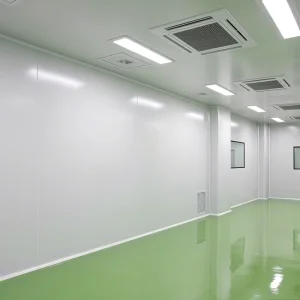
Our cleanroom panel systems utilize flat, smooth skin sheets designed to prevent dust accumulation. Featuring flush joint profiles and cleanable coatings, they withstand strict sanitation protocols without degradation.
Engineered for cold storage and blast freezers operating from -40°C to +10°C. Thick PU/PIR composite cores minimize thermal drift, helping to keep refrigeration systems running efficiently.
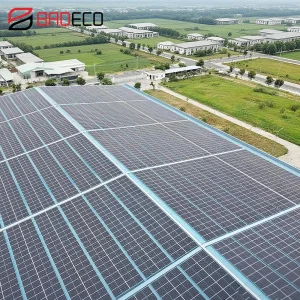
Integrating rooftop solar arrays with high-performance sandwich panel substrates. The 360-degree lock seam system provides a secure, leak-proof platform for mounting solar systems.
The construction sector accounts for approximately 39% of global energy-related carbon emissions. As a result, the regulatory focus has expanded from operational carbon (energy consumed during building use) to embodied carbon (carbon footprint of building materials during manufacturing and installation). For global procurement directors, choosing low-impact, highly circular materials is key to meeting corporate ESG targets.
At Ningbo Jonas Build, we are addressing these needs by using zero-ODP (Ozone Depletion Potential) and low-GWP (Global Warming Potential) blowing agents in our polyurethane formulation processes. We also prioritize the sourcing of steel with high recycled content. Our structural insulation panels are engineered to be fully demountable, facilitating recycling and material recovery at the end of the building's lifecycle. This matches the needs of the circular economy while maintaining the thermal and structural performance required for long-term building operation.
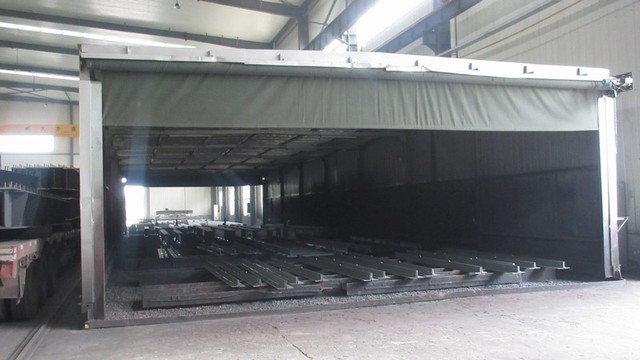
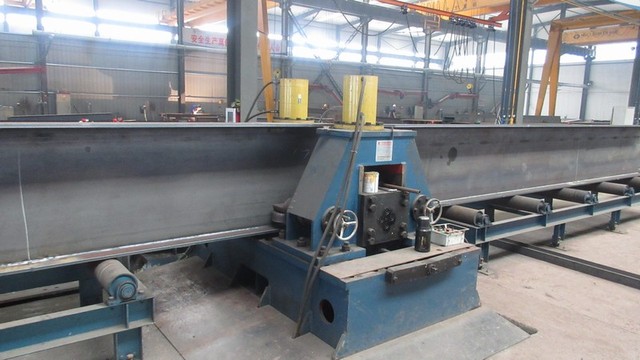
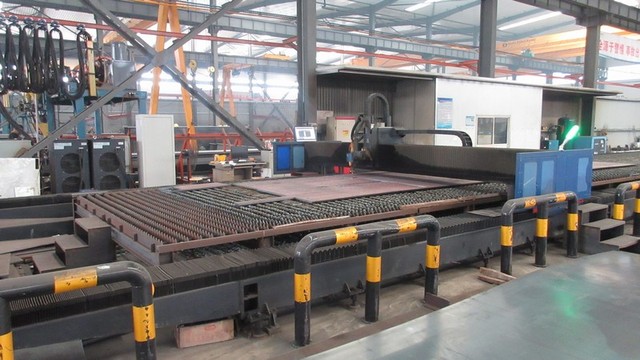
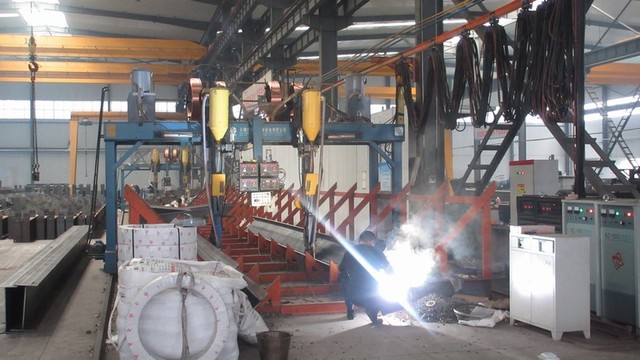
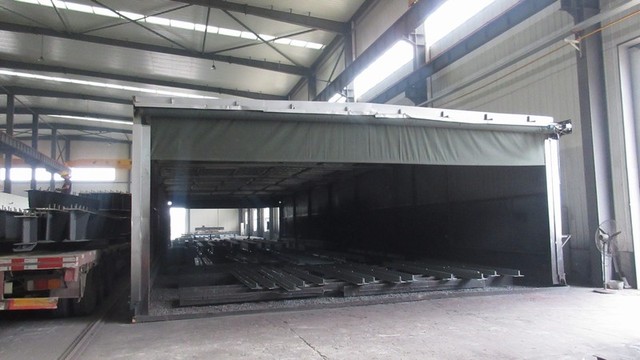
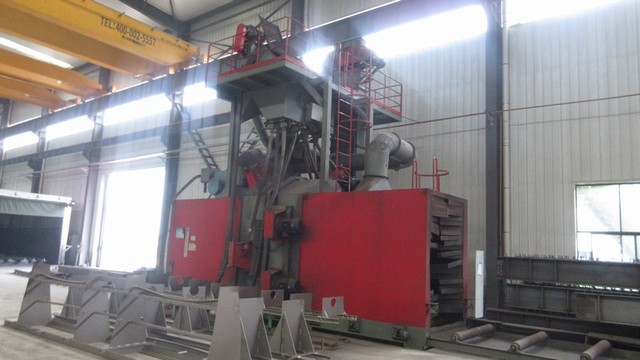
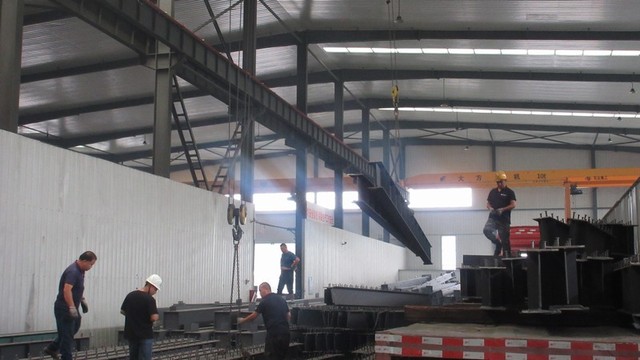
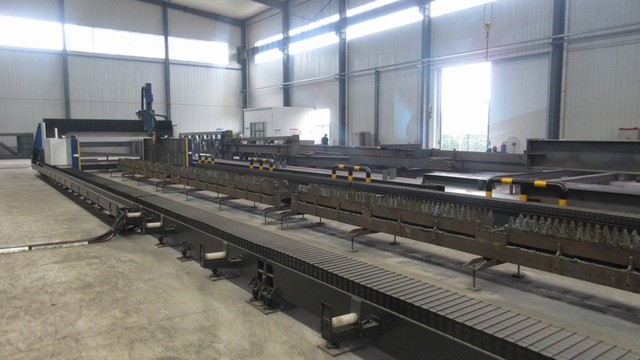
A visual overview of our continuous production lines, precision bending tools, automated foaming machinery, and quality control stations.
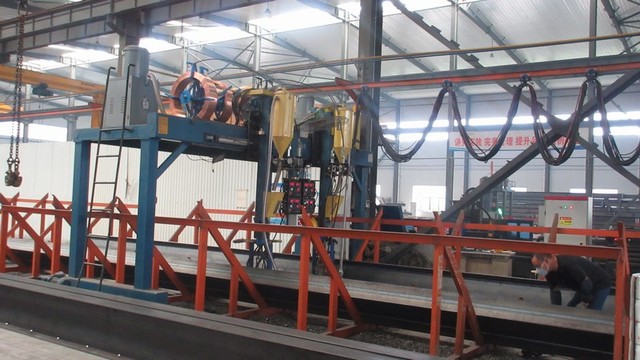
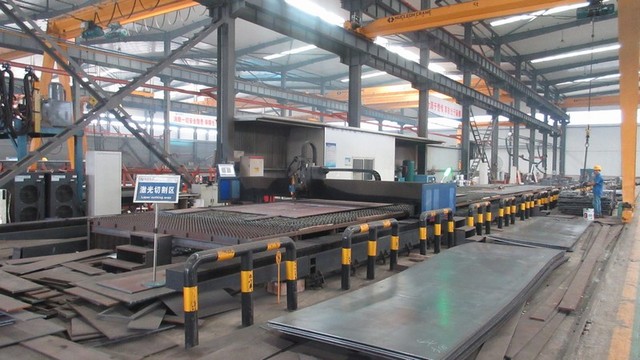
Answers to key technical, structural, and logistical questions from engineers, procurement officers, and project developers.
Polyurethane (PUR) and Polyisocyanurate (PIR) are chemically similar, but PIR uses a higher ratio of isocyanate to polyol, creating a stronger ring structure. This chemical configuration gives PIR superior thermal resistance (lower U-values) and enhanced fire performance (meeting B1/Class 1 rating requirements). For high-performance cold storage facilities, PIR is generally specified to optimize energy efficiency and comply with fire safety codes.
Thermal drift occurs when the blowing agents inside the closed-cell foam slowly escape and are replaced by ambient air. To minimize this, we use dense closed-cell structures (>90% closed-cell content) and thick metallic facing sheets that act as diffusion barriers. This configuration helps maintain the panel's design R-value over its service life.
Our mineral rock wool core panels are rated Class A (non-combustible) under EN 13501-1 and related national building codes. The core does not contribute to fire spread or produce toxic smoke, making it suitable for boundary walls, multi-tenant industrial parks, and high-occupancy commercial structures.
Yes. Through our OEM/ODM design services, we can customize facing steel thickness (typically 0.4mm to 0.8mm), profile shapes (micro-ribbed, wave-ribbed, flat, or box-ribbed), insulation core thickness (50mm to 200mm), and paint coatings (PE, PVDF, or anti-corrosive HDP options for marine or industrial environments).
Our engineering team calculates local wind load resistance based on the panel's spanning capacity, fastener distribution, and support structure configurations. We provide load-span tables detailing maximum permissible spans for negative and positive wind pressures to ensure safe installation in wind-prone areas.
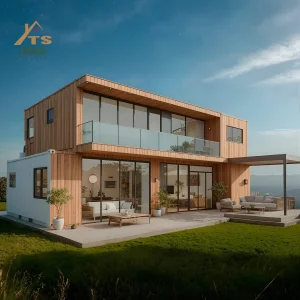
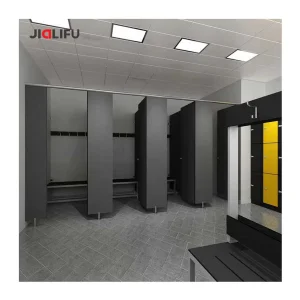
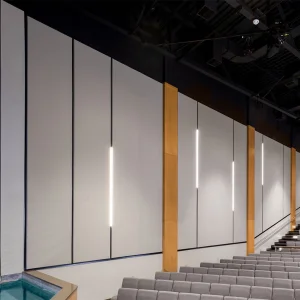
Explore our specialized solutions, including acoustic partitions, fire-rated boundaries, modular housing structures, and sanitary partition materials.
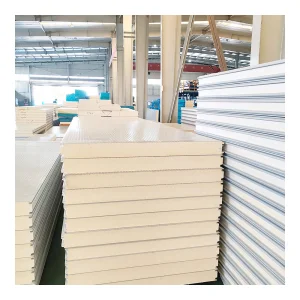
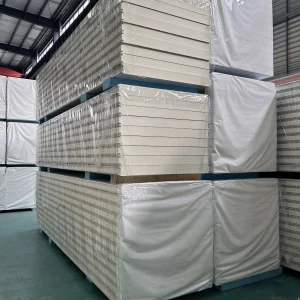
 Jonas Build