Explore our primary selection of thermal envelope solutions, low-carbon composites, and high-performance roofing engineered for commercial and industrial structures.
The global construction industry stands at a critical environmental crossroads. According to the United Nations Environment Programme (UNEP), buildings account for nearly 39% of global energy-related carbon emissions, with operational heating and cooling consuming the lion's share of this footprint. To achieve net-zero targets by 2050, modern building envelopes must evolve beyond simple structural barriers. They must become highly integrated thermodynamic systems that prevent thermal bridging, restrict air leakage, and dramatically reduce the heating, ventilation, and air conditioning (HVAC) load over a building's lifespan.
As a leading player in this revolution, Ningbo Jonas Build Co., Ltd. has established itself as an authoritative manufacturer and global exporter of high-performance building systems. Based in Ningbo, China, the company provides end-to-end engineered solutions that align with major green building certifications, including LEED (Leadership in Energy and Environmental Design), BREEAM (Building Research Establishment Environmental Assessment Method), and DGNB frameworks.
To meet demanding international codes, Ningbo Jonas Build Co., Ltd. utilizes an optimized material matrix across its manufacturing lines. Understanding the specific structural and thermal properties of each panel technology allows developers, engineers, and architects to make data-driven selections:
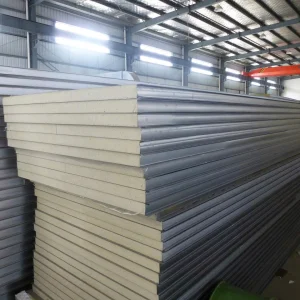
PIR and PU cores represent the pinnacle of thermal efficiency. Featuring a closed-cell structural density of over 95%, these cores offer low thermal conductivity (λ ≈ 0.022 W/m·K). The cross-linked polymer matrix of PIR delivers exceptional fire-retardant properties, remaining structurally sound under intense flame testing.
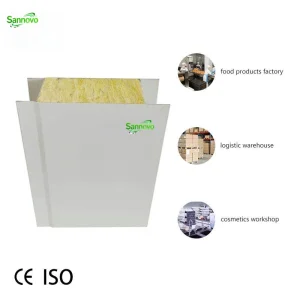
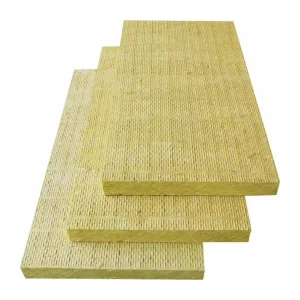
For structures requiring stringent fire safety ratings (A1 non-combustible classification) and acoustic isolation, high-density stone wool (100–120 kg/m³) is the ideal option. Manufactured from basaltic rock, this core withstands temperatures exceeding 1,000°C while offering exceptional sound attenuation (STC up to 35 dB).
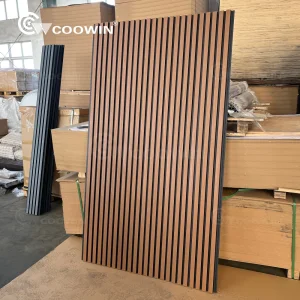
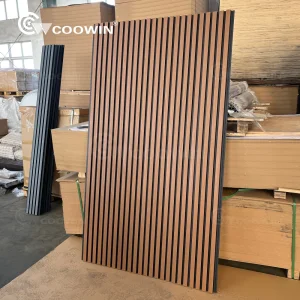
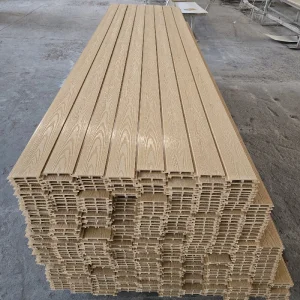
Wood-Plastic Composite (WPC) cladding utilizes co-extrusion technology to wrap a composite wood fiber core in a protective, UV-resistant HDPE sleeve. This prevents moisture ingress, rotting, and insect damage, eliminating the need for periodic paint or chemical treatments during its lifespan.
Ningbo Jonas Build Co., Ltd. continuously refines its production processes to lower the embodied carbon of its panel systems. The company's engineering division focuses on:
Integrating bio-based polyols derived from agricultural waste into the PU/PIR foaming process, reducing dependence on fossil-fuel inputs by up to 30%.
Transitioning entirely to fourth-generation HFO (Hydrofluoroolefin) blowing agents that feature a Global Warming Potential (GWP) of less than 1, meeting strict EU F-gas regulations.
Developing closed-loop composite lines that allow stone wool and metal skins to be easily separated and recycled at the end of the building's lifecycle.
Different structural configurations present distinct environmental and engineering challenges. A single product line cannot fit all needs. Ningbo Jonas Build Co., Ltd. configures panel attributes based on localized climatic requirements:
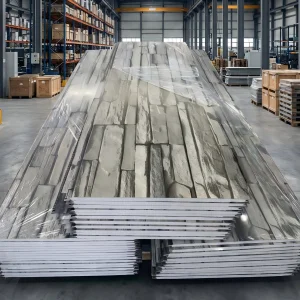
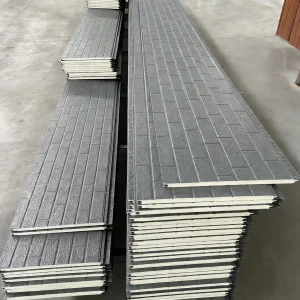
In cold storage environments, keeping a consistent internal temperature is critical. High-performance PIR and PU sandwich panels ranging from 100mm to 200mm in thickness eliminate thermal leakage. Double-tongue-and-groove joint systems, combined with vapor seals, stop water vapor ingress that could lead to internal icing and structural degradation.
Pharmaceutical labs, semiconductor plants, and healthcare facilities require dust-free, sterile conditions. Anti-static, chemical-resistant coating surfaces on aluminum or galvanized steel face skins prevent particulates from bonding, allowing facilities to withstand aggressive chemical sanitization protocols.
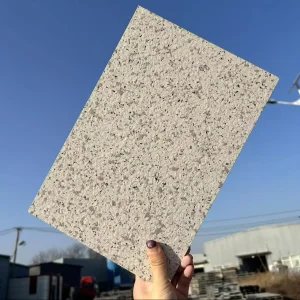
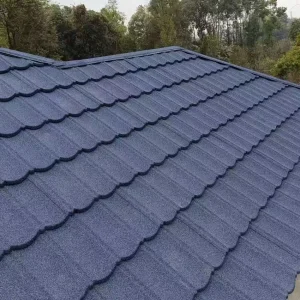
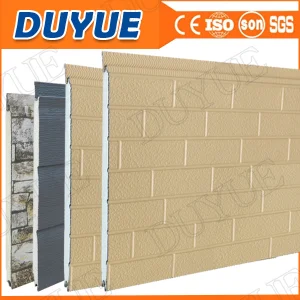
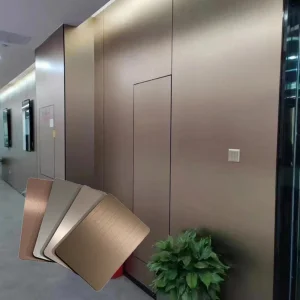
Commercial and industrial structures must withstand local wind load pressures, UV degradation, and seasonal temperature swings. Engineered composite wall claddings and stone-coated metal systems protect structural frames, shedding rainwater effectively while providing a modern architectural finish.
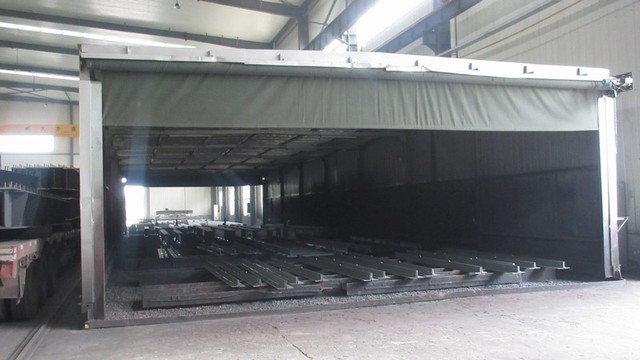
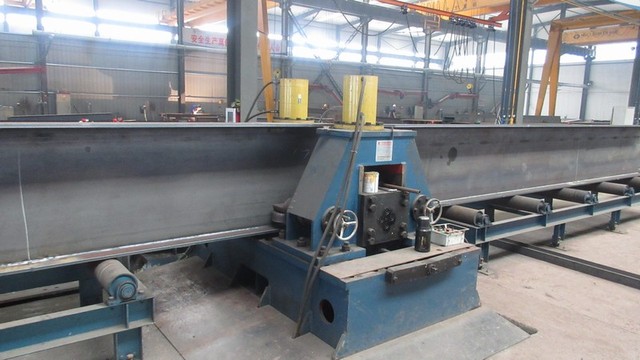
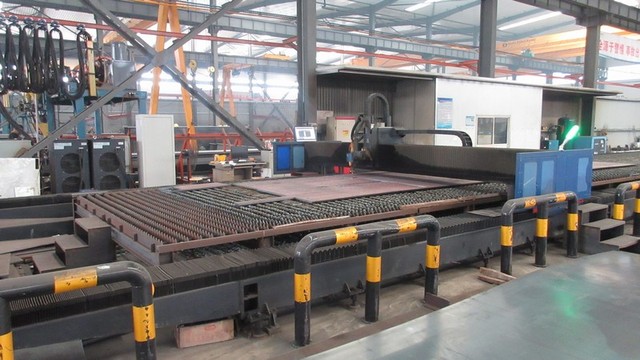
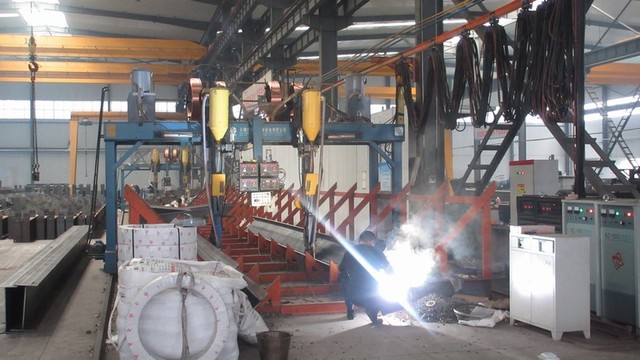
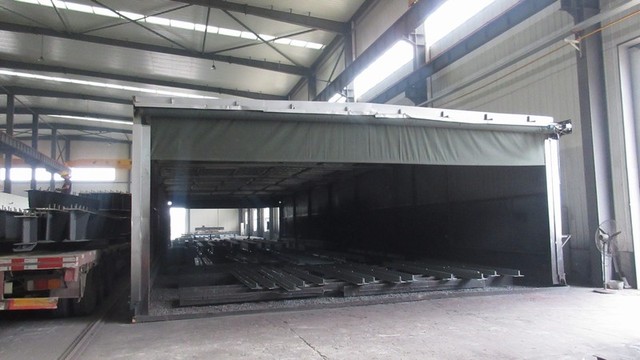
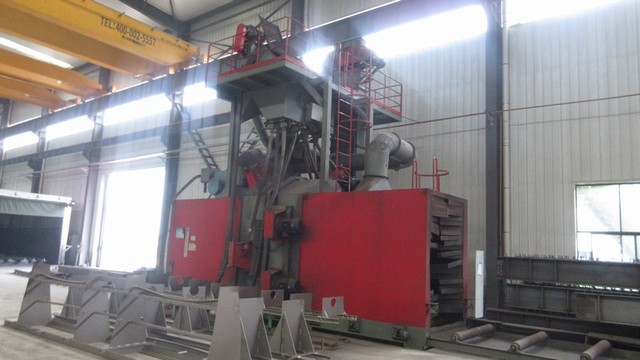
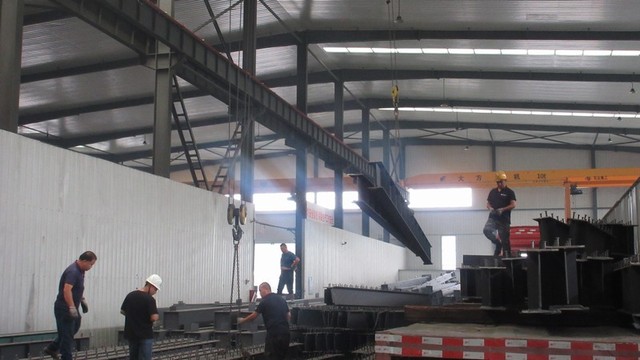
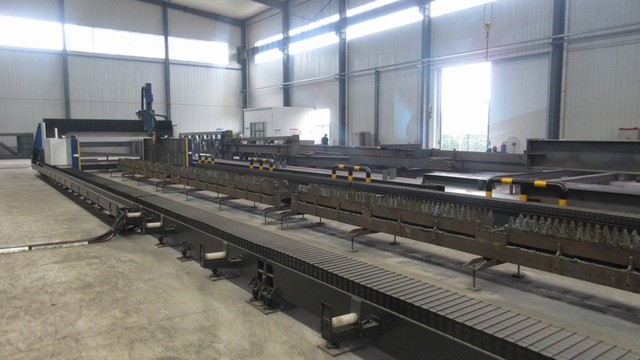
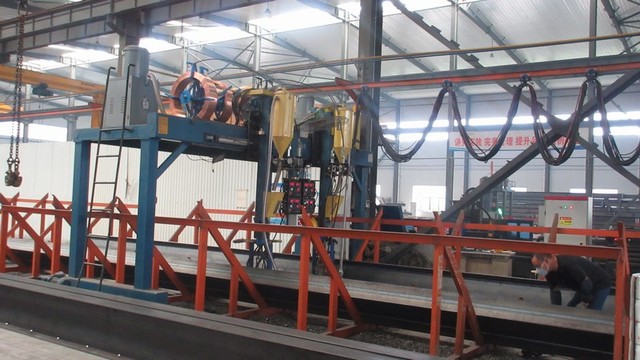
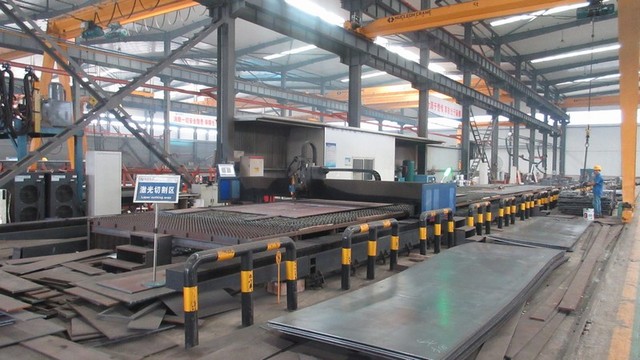
To consistently produce panels that meet international building codes, Ningbo Jonas Build Co., Ltd. operates state-of-the-art continuous production lines. Automated sensor arrays monitor steel tension, foam expansion pressure, temperature variables, and core-to-skin adhesion in real-time. This level of automated precision minimizes human error and guarantees consistent flatness and dimensional tolerances across long panel runs.
Procuring structural elements from global markets requires thorough due diligence. Specifiers should evaluate prospective manufacturers against these industry-standard criteria:
Verify the source of raw materials. High-quality steel skins should use hot-dip galvanized or Zn-Al-Mg coated substrates from Tier-1 mills to ensure long-term corrosion resistance.
Request formal load-span charts. High-wind zones or heavy snow loads require panels that demonstrate high shear strength and minimal deflection under load.
Avoid manufacturers relying solely on internal testing. Ensure compliance through third-party laboratories (e.g., SGS, Intertek, FM Global, CE, ISO 9001).
Ensure the exporter provides custom-cut lengths, integrated flashing systems, and engineered joint details to simplify on-site installation and reduce waste.
View our second selection of cladding profiles, acoustic elements, and specialized building systems designed to meet unique architectural requirements.
Get answers to common technical queries about structural composite design, thermal properties, and international installation standards.
 Jonas Build