Precision-engineered sandwich panels, cleanroom partition boards, and specialty insulation systems designed for commercial and industrial infrastructure.
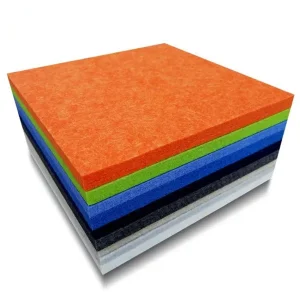
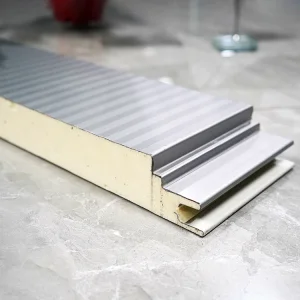
As global carbon neutrality targets tighten under ISO 14064 guidelines and Net-Zero Building codes, high-performance thermal envelope systems have evolved from passive building components to active economic drivers.
Modern industrial construction demands unprecedented standards of thermal resistance, non-combustibility, structural integrity, and acoustic dampening. Industrial infrastructure—ranging from pharmaceutical cleanrooms to automated cold-chain logistics hubs—requires building envelopes that drastically reduce operational HVAC loads. According to global energy benchmarks, thermal envelope efficiency directly impacts over 40% of lifetime building operational expenses (OPEX). Choosing the right thermal panel supplier is no longer merely a procurement task; it is a strategic investment in structural decarbonization and risk mitigation.
The market transition from traditional fiberglass roll insulation to high-density rigid polyisocyanurate (PIR), continuous rock wool cores, and vacuum insulation panels (VIPs) has revolutionized thermal performance. High-performance insulation systems engineered by top tier manufacturers now deliver thermal conductivity values ($\lambda$) as low as 0.018 to 0.022 W/m·K for closed-cell polymers and exceptional A1 non-combustible safety ratings for stone wool composites.
Comparing thermal conductivity ($\lambda$), compressive strength, flame retardancy, and moisture vapor permeability across industrial core media.
| Insulation Core Type | Thermal Conductivity ($\lambda$) | Density Range (kg/m³) | Fire Rating (EN 13501-1) | Moisture Absorption | Primary Industrial Application |
|---|---|---|---|---|---|
| Polyisocyanurate (PIR) | 0.018 - 0.022 W/m·K | 38 - 45 kg/m³ | B-s1, d0 / B-s2, d0 | < 1.0% (Vol) | Cold Storage, Freezer Warehouses, Roof Panels |
| High-Density Structural Rockwool | 0.034 - 0.040 W/m·K | 80 - 150 kg/m³ | Class A1 Non-Combustible | Hydrophobic treated | Fire-Rated Separation Walls, Cleanroom Assemblies |
| Polyurethane (PUR / PU) | 0.022 - 0.026 W/m·K | 35 - 42 kg/m³ | Class B2 / B3 | < 2.0% (Vol) | Commercial Siding, General Industrial Roofing |
| Extruded Polystyrene (XPS) | 0.028 - 0.032 W/m·K | 30 - 45 kg/m³ | Class E / B2 | < 0.5% (Vol) | Under-Slab Insulation, Tile Backer Boards, Foundation Wall |
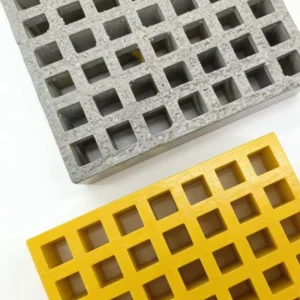
| FRP Closed-Top Honeycomb Matrix | 0.030 - 0.038 W/m·K | 120 - 300 kg/m³ | Self-Extinguishing / Flame Retardant | Zero Absorption | Corrosive Chemical Plants, Anti-Static Cleanrooms |
PIR panels utilize a high index of isocyanurate ring structures formed by trimerization, yielding exceptional thermal stability up to 200°C and forming a protective carbonaceous char upon flame exposure.
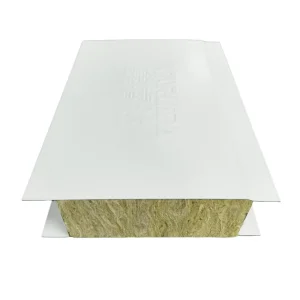
High-density basalt stone wool panels feature vertical fiber orientation (lamella arrangement), elevating tensile strength, shear resistance, and structural stability against severe wind loads.
Closed-cell polymer matrices (>98%) suppress moisture migration and water absorption, preventing thermal degradation and freeze-thaw breakdown in refrigerated environments.
An authoritative evaluation of leading global manufacturers based on core technology, production capacity, fire-safety engineering, and supply chain scalability.
Core Specialization: High-density PIR/PUR Sandwich Panels, Rockwool Fireproof Wall Systems, Modular Cold Room Panels, FRP Anti-Static Boards, and Precision Cleanroom Partition Envelopes.
Engineering Advantage: Operating automated continuous lamination lines with high-precision double-track molding, Ningbo Jonas Build Co., Ltd. provides end-to-end building envelope customization. Their structural panels feature ultra-low thermal conductivity ($\lambda \le 0.018\text{ W/m·K}$), zero-gap tongue-and-groove joint systems, and custom cutting/drilling services tailored for high-bay logistics, pharmaceutical cleanrooms, and extreme-climate facilities.
Core Specialization: QuadCore Thermal Insulation, Insulated Metal Panels (IMPs), and Architectural Facades.
Engineering Advantage: Recognized globally for micro-cellular insulation technology, offering strong fire performance and high thermal efficiency in commercial building enclosures.
Core Specialization: Stone Wool Insulation, Fire Protection Systems, Acoustic Boards.
Engineering Advantage: Industry standard for non-combustible basalt wool products with superior sound absorption ratings and high temperature resistance up to 1000°C.
Core Specialization: FOAMULAR XPS Board, Fiberglass Insulation, Composite Solutions.
Engineering Advantage: Excellent structural compressive strength in XPS extruded foam boards, ideally suited for floor slabs, cold storage sub-foundations, and heavy load structures.
Core Specialization: Elastopir® PIR Systems, Neopor® Graphite Polystyrene, Raw Polyurethane Systems.
Engineering Advantage: Pioneer in polymer chemistry formulating low-GWP blowing agents and fire-retardant cellular polyurethane matrices for panel manufacturers globally.
Core Specialization: High-Performance PIR Thermal Boards, Acoustic Insulation Panels.
Engineering Advantage: Specialized in ultra-thin, high-efficiency insulation boards for specialized residential and commercial retrofits throughout Western Europe.
Core Specialization: Polyiso Roof Insulation, Industrial Mineral Wool, Air Handling Systems.
Engineering Advantage: Strong presence in North American commercial roofing platforms with high dimensional stability thermal boards.
Core Specialization: Structural Stone Wool Core Panels, Marine Insulation Solutions.
Engineering Advantage: High structural integrity panels designed specifically for demanding Nordics environments and maritime offshore applications.
Core Specialization: ECOSE® Technology Glass Mineral Wool, Rock Wool Slabs.
Engineering Advantage: Bio-based binder technology eliminating formaldehydes, focusing on indoor air quality and sustainable wall framing systems.
Core Specialization: Multi-material insulation systems, HVAC Ducting Panels, Acoustic Baffling.
Engineering Advantage: Global manufacturing footprint offering versatile, multi-substrate insulation materials for complex architectural builds.
How Ningbo Jonas Build Co., Ltd. combines advanced automated lamination, direct deep-water port access, and precision quality engineering to streamline global deliveries.
High-speed 250-meter continuous double-track lamination equipment ensures uniform foam density, elimination of micro-voids, and consistent thickness tolerances ($\pm 0.5\text{mm}$).
Located adjacent to Ningbo-Zhoushan Port—the world's largest port by cargo volume—Ningbo Jonas reduces inland transport costs and guarantees rapid container dispatch worldwide.
In-house CNC metal forming, custom drilling, and precision slotting allow tailor-made joint geometries, including cam-lock systems, secret-fix wall hidden fasteners, and anti-bridge thermal breaks.
Tailored envelope configurations designed for extreme physical, chemical, and thermal operating constraints.
Challenge: Maintaining strict -35°C to -40°C internal temperatures without moisture vapor ingress, ice lens formation, or thermal bridging through the panel joints.
Solution: 200mm Thick High-Density PIR Core Panels manufactured by Ningbo Jonas, featuring double tongue-and-groove joint profiles, non-hardening butyl vapor sealants, and stainless steel interior facings to resist continuous high-humidity washdowns.
Challenge: Demanding dust-free, seamless wall surfaces capable of withstanding stringent chemical fumigation (VHP) and holding static air pressure differentials.
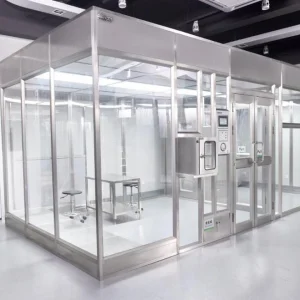
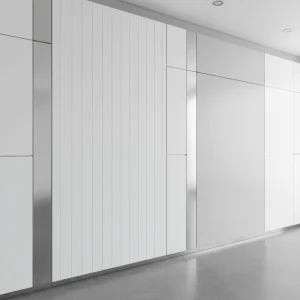
Solution: Dust-proof High Density Rock Wool and Anti-Static FRP Panels equipped with completely flush silicone-sealed joinery, continuous aluminum internal coving, and pre-machined conduit penetration channels.
Challenge: Severe saltwater spray, high humidity, chemical fumes, and tropical typhoon wind pressures.
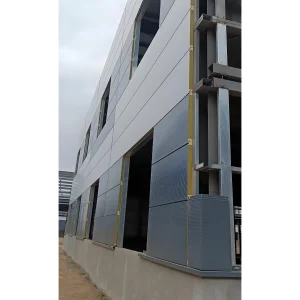
Solution: Weather-Resistant Galvanized Steel sandwich panels coated with 25-micron PVDF (Polyvinylidene Fluoride) protective paint finishes, paired with anti-corrosive stainless steel fasteners and FRP closed-top reinforced grating enclosures.
Challenge: Rapid structural assembly, light deadweight, high flexural strength, and thermal envelope continuity in modular builds.
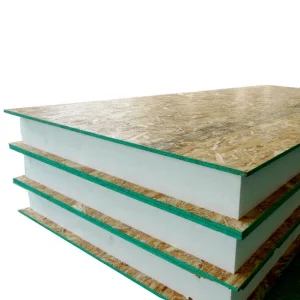
Solution: Structural Insulated Panels (SIPs) featuring Oriented Strand Board (OSB) facing or metallic skins, designed for plug-and-play assembly that reduces field labor costs by over 50%.
Next-generation insulation advancements shaping carbon-neutral building envelopes over the coming decade.
Integrating micro-encapsulated organic phase-change materials into PIR foam matrices to absorb and release latent heat energy during peak outdoor thermal shifts, actively dampening internal ambient fluctuations.
Transitioning petroleum-derived polyols to bio-based alternatives derived from agricultural byproducts and recycled PET plastic waste, reducing core carbon footprints by up to 40% without compromising fire ratings.
Engineered hybrid boards pairing silica aerogel structures with rigid PIR foam layers to yield ultra-thin insulation barriers achieving thermal conductivities as low as $\lambda = 0.012\text{ W/m·K}$.
Rigorously tested to comply with stringent international structural, fire safety, and environmental standards.
Compliant with FM 4880 and FM 4881 standards for non-propagating wall and roof panel assemblies under severe fire and hurricane wind uplift testing.
Certified Euroclass A1 (Rockwool) non-combustible ratings and Class B-s1,d0 (PIR) demonstrating zero flaming droplets and minimal smoke generation.
Class A rating achieved under ASTM E84 tunnel tests with Flame Spread Index (FSI) < 25 and Smoke Developed Index (SDI) < 450.
Manufactured under total quality management standards and ISO 14001 environmental management frameworks with full batch traceability.
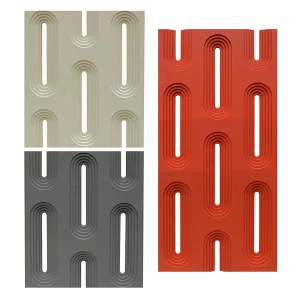
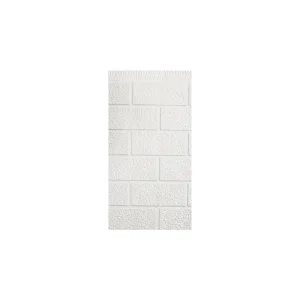
High-density rockwool cores, tile backer assemblies, acoustic absorption sheets, and custom modular cleanroom panels.
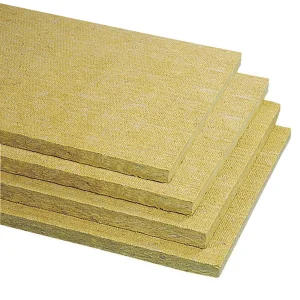
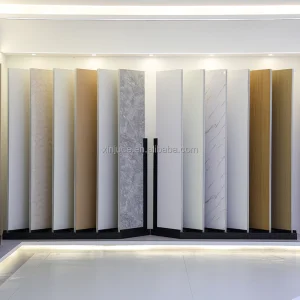
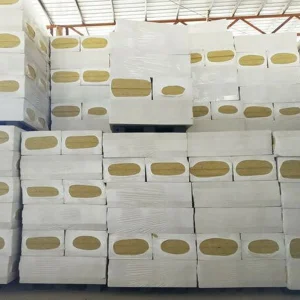
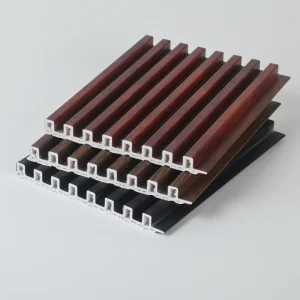
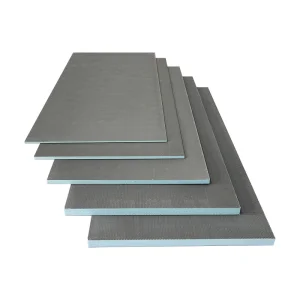
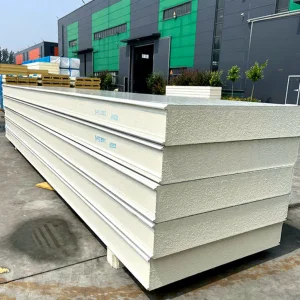
A look inside our state-of-the-art automated production, rigorous quality testing, and international shipping capabilities.
Ningbo Jonas Build Co., Ltd. is a professional China industrial construction panel manufacturer specializing in insulated building panel solutions for global industrial and commercial construction projects. With extensive industry experience and advanced manufacturing capabilities, the company is committed to delivering high-quality, energy-efficient, and customized panel systems that meet the diverse requirements of customers worldwide.
The company provides a comprehensive range of products, including insulated sandwich panels, industrial wall panels, roofing panels, cold room panels, cleanroom panels, fire-rated panels, and customized building envelope solutions. Designed for superior thermal performance, structural reliability, and rapid installation, these products are widely used in industrial plants, warehouses, logistics centers, cold storage facilities, commercial buildings, modular construction projects, and infrastructure developments.
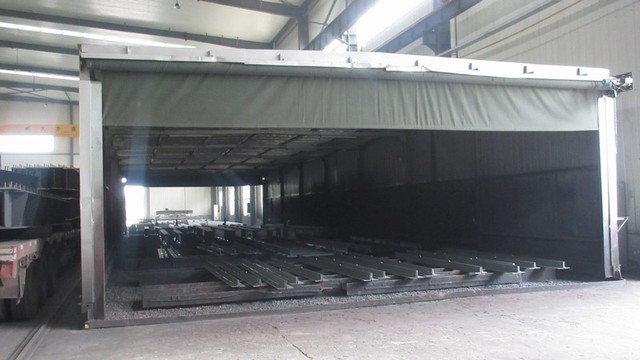
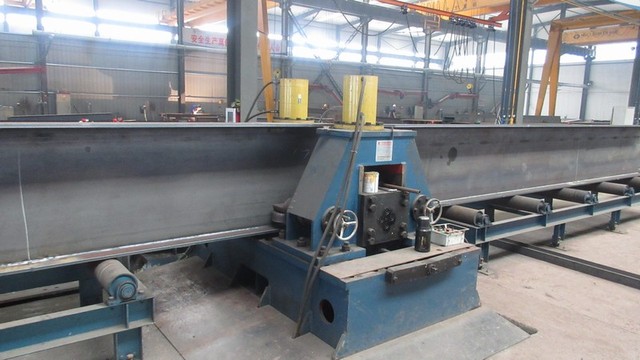
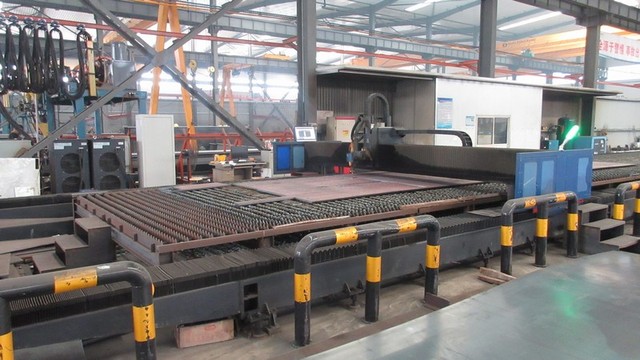
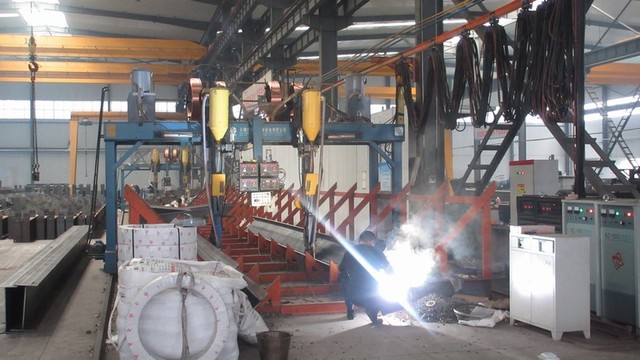
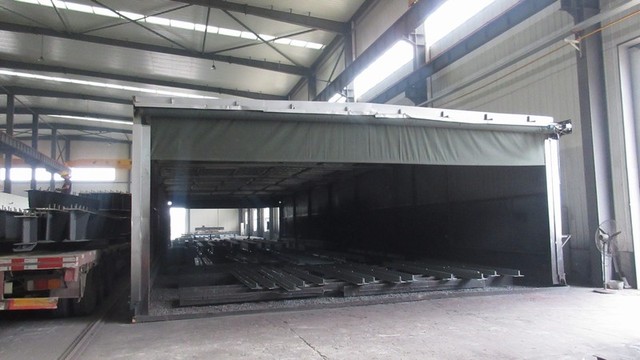
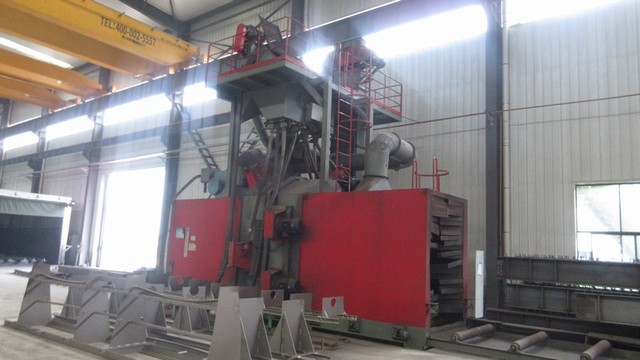
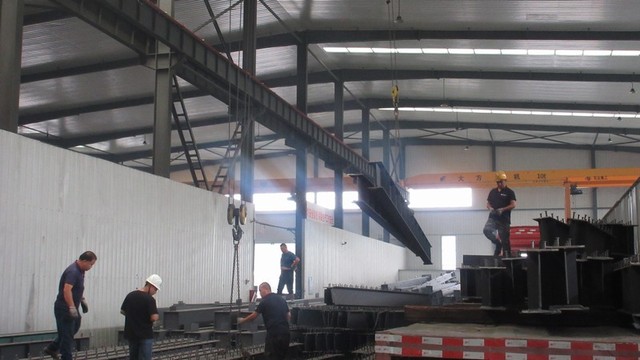
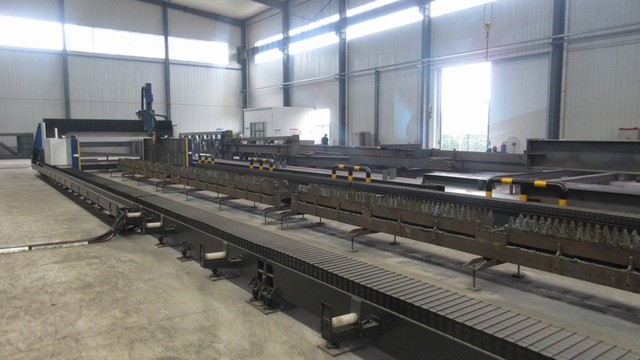
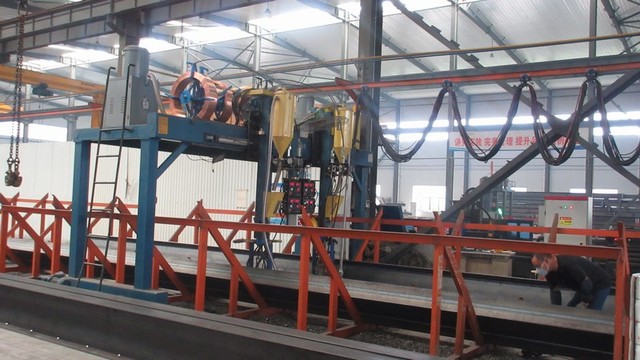
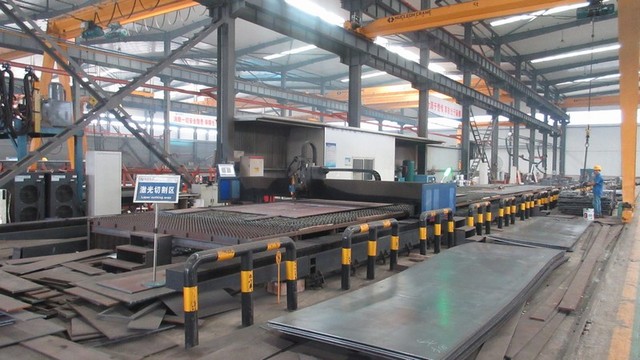
Ningbo Jonas Build Co., Ltd. operates modern production facilities equipped with advanced automated manufacturing lines, precision processing equipment, and strict quality inspection systems. Supported by a skilled team of engineers and technical specialists, the company offers one-stop services covering project consultation, product design, manufacturing, quality assurance, packaging, and international logistics coordination.
Innovation, quality, and sustainability are the core values driving the company's development. By utilizing advanced production technologies and premium raw materials, Jonas Build continuously enhances product performance in thermal insulation, fire resistance, weather protection, and energy efficiency. The company's panel systems help customers reduce construction time, lower operating costs, and improve overall building performance.
Committed to excellence and customer satisfaction, Ningbo Jonas Build Co., Ltd. has established long-term business relationships with clients across Asia, Europe, the Middle East, Africa, and the Americas. The company remains dedicated to providing reliable insulated building panel solutions that support sustainable construction and create long-term value for customers worldwide.
Expert responses to critical procurement, engineering, and architectural installation queries.
A: PIR panels deliver superior thermal resistance ($\lambda \approx 0.018-0.022\text{ W/m·K}$), allowing thinner wall profiles for equivalent thermal performance. Rockwool has a slightly higher thermal conductivity ($\lambda \approx 0.034-0.040\text{ W/m·K}$) but achieves Class A1 non-combustible fire ratings, making it preferred for structural fire-rated division walls.
A: Double tongue-and-groove joints incorporating factory-applied butyl sealants, PVC thermal break splines, and cam-lock compression fasteners ensure complete vapor tightness and eliminate thermal bridging in sub-zero environments.
A: Yes, Ningbo Jonas provides CNC precision cutting, factory drilling, and specialized anti-static FRP facings that prevent particulate adhesion and withstand hydrogen peroxide (VHP) sterilizing agents.
A: High-performance coatings such as PVDF (Polyvinylidene Fluoride) or HDP (High-Durable Polyester) are applied over galvanized steel substrates, providing UV resistance and protection against salt spray and chemical corrosion.
A: Premium metallic sandwich panels engineered with continuous polyurethane or stone wool cores have a design service life exceeding 30 years, requiring minimal maintenance beyond periodic inspections of joint sealants and exterior surface washing.
A: Structural performance is validated under ASTM E330, EN 14509, and FM 4881 testing standards, ensuring structural integrity under high positive and negative wind pressure pressures encountered in coastal or hurricane-prone zones.
 Jonas Build