Select premium insulation and acoustic building envelope products manufactured to strict international thermal and mechanical criteria.
As energy regulations tighten globally under initiatives like the EU Green Deal and ASHRAE 90.1, the building envelope is under intense technical scrutiny.
Traditional multi-layered construction methods are rapidly being replaced by Integrated Insulation Solutions. In structural engineering, preventing thermal bridges is key to maintaining thermal efficiency. Building developers are searching for high-performance composite panel technologies that provide superior thermal insulation (R-values), advanced structural load capacity, and compliance with building safety and fire prevention regulations.
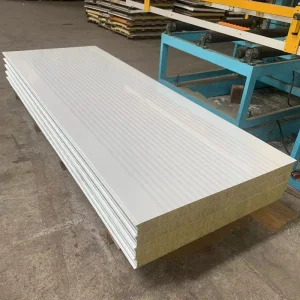
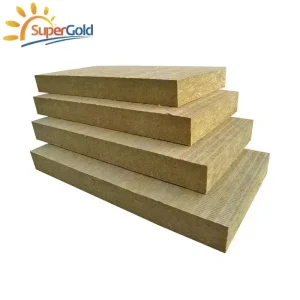
This market shift has highlighted the value of top-tier manufacturing hubs. Integrated panels—such as Polyurethane (PU/PIR) sandwich panels, Mineral Rock Wool cores, and High-Pressure Laminates (HPL)—are engineered to meet these regulatory standards, reducing onsite labor while ensuring predictable building thermal envelopes.
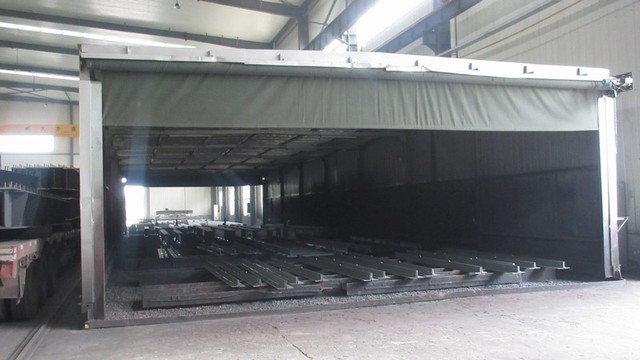
A comparative technical overview of the primary thermal insulation core materials used in global infrastructure engineering.
| Core Material | Thermal Conductivity (W/m·K) | Fire Classification | Moisture Performance | Primary Target Applications |
|---|---|---|---|---|
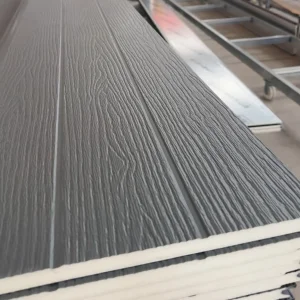
| Polyurethane (PU/PIR) | 0.019 - 0.023 | Class B1 / B2 (EN 13501-1) | Excellent (Closed-cell >95%) | Cold Storage, Logistics Hubs, Envelope Systems |
| Rock Wool (Mineral Fiber) | 0.035 - 0.044 | Class A1 / A2 Non-combustible | Moderate (Requires vapor barrier) | High-rise Buildings, Fire-rated Warehouses |
| High-Pressure Laminate (HPL) | Composite dependent | Flame Retardant (Varies by code) | Excellent (High density) | Façades, Commercial Cladding, Cleanrooms |
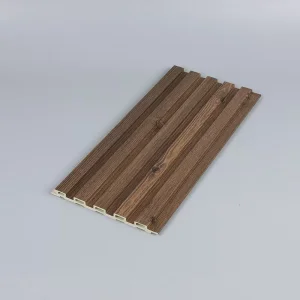
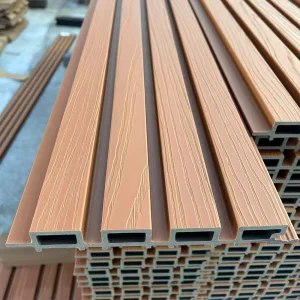
| Wood-Plastic Composite (WPC) | 0.13 - 0.15 | Class B2 / C-s2,d0 | Waterproof / Decay Resistant | Decorative Façades, Outdoor Cladding Grid Boards |
Understanding the engineering and logistical advantages that place Chinese exporters at the center of the global construction envelope supply chain.
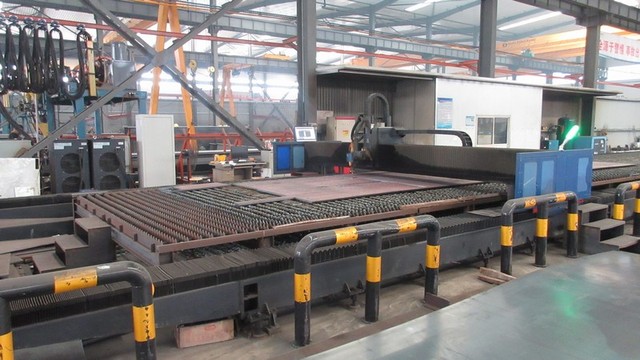
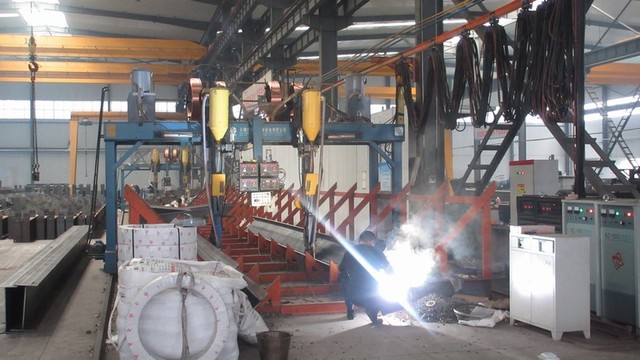
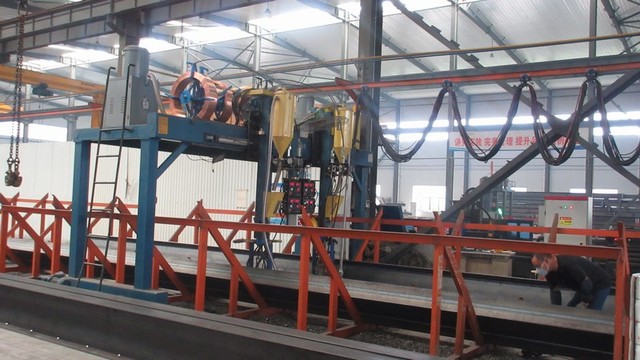
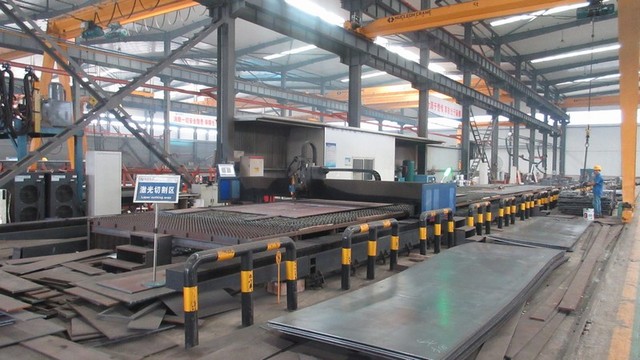
Modern Chinese manufacturing facilities utilize continuous automated production lines that ensure precise pressure distribution and dimensional tolerances during composite panel lamination. This maintains high uniformity of thermal and mechanical properties across large runs.
Equipped with 3D design and technical consulting services, factories can quickly adjust structural profiles, surface finishes (such as marble, wood, and metallic paint), and skin thicknesses (aluminum, steel, HPL) to meet specific project wind loads and architectural drawings.
Located near major industrial shipping hubs like the Port of Ningbo-Zhoushan, manufacturers can easily manage global ocean shipping routes. This proximity minimizes inland transit costs and ensures reliable shipping container logistics for international projects.
Ningbo Jonas Build Co., Ltd. is a professional China industrial construction panel manufacturer specializing in insulated building panel solutions for global industrial and commercial construction projects. With extensive industry experience and advanced manufacturing capabilities, the company is committed to delivering high-quality, energy-efficient, and customized panel systems that meet the diverse requirements of customers worldwide.
The company provides a comprehensive range of products, including insulated sandwich panels, industrial wall panels, roofing panels, cold room panels, cleanroom panels, fire-rated panels, and customized building envelope solutions. Designed for superior thermal performance, structural reliability, and rapid installation, these products are widely used in industrial plants, warehouses, logistics centers, cold storage facilities, commercial buildings, modular construction projects, and infrastructure developments.
Ningbo Jonas Build Co., Ltd. operates modern production facilities equipped with advanced automated manufacturing lines, precision processing equipment, and strict quality inspection systems. Supported by a skilled team of engineers and technical specialists, the company offers one-stop services covering project consultation, product design, manufacturing, quality assurance, packaging, and international logistics coordination.
Innovation, quality, and sustainability are the core values driving the company's development. By utilizing advanced production technologies and premium raw materials, Jonas Build continuously enhances product performance in thermal insulation, fire resistance, weather protection, and energy efficiency. The company's panel systems help customers reduce construction time, lower operating costs, and improve overall building performance.
Committed to excellence and customer satisfaction, Ningbo Jonas Build Co., Ltd. has established long-term business relationships with clients across Asia, Europe, the Middle East, Africa, and the Americas. The company remains dedicated to providing reliable insulated building panel solutions that support sustainable construction and create long-term value for customers worldwide.
Engineered thermal systems optimized for different regional environmental hazards and building types.
Environmental Challenge: High salt spray, humidity, and atmospheric corrosion degrade traditional steel claddings within a few seasons.
Solution: Corrosion-resistant PU sandwich panels and HPL exterior cladding options configured with premium anti-corrosion protective coatings (PVDF/ASA) to prevent rust and delamination.
Environmental Challenge: High thermal gradients that compromise building vapor seals, causing frost and ice accumulation.
Solution: Thick core (up to 200mm) continuous Polyurethane (PU/PIR) panels with high-density interlocking joints. This design prevents thermal bridging and supports stable cooling performance.
Environmental Challenge: Strict requirements for fire safety, exterior weather protection, and acoustic comfort between guest suites.
Solution: Mineral Rock Wool core sandwich panels integrated with Wood-Plastic Composite (WPC) 3D grid designs. This provides a balance of aesthetic finishes and reliable fire safety.
Environmental Challenge: Demanding tight project construction schedules without compromising structural strength or thermal insulation.
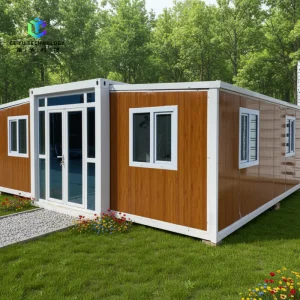
Solution: Modular insulated panels with built-in cam-locks. These panels are ready for immediate assembly in temporary clinics, field offices, and modular container homes.
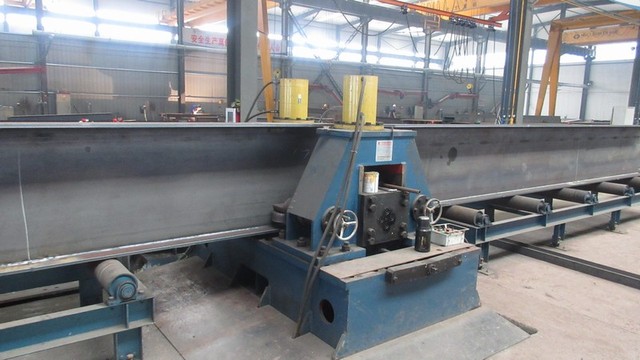
The building envelope industry is shifting from passive insulation towards active, smart building systems.
Next-generation R&D at Jonas Build focuses on integrating Phase Change Materials (PCMs) directly into polyurethane and polyester cores. This allows panels to absorb and release heat energy dynamically, reducing HVAC cycling loads in hot and cold climates.
Furthermore, life-cycle assessments (LCA) are driving factories to replace petroleum-based polyols with bio-based cores, lowering the embodied carbon footprint of insulated building panels. By optimizing joint tightness and expanding continuous panel production, global exporters are helping developers meet upcoming carbon neutrality goals.
Navigating complex regional building codes requires extensive engineering data and documentation.
Insulated roof and wall panels must resist wind uplift pressures in coastal and high-wind regions. Engineering teams provide structural calculations that match panel spans with wind load requirements, ensuring proper fastener layouts.
From ASTM E84 testing in North America to EN 13501-1 Class A1/A2 ratings in Europe, factories ensure panel core materials are certified by third-party testing laboratories. This documentation simplifies building permit approvals.
Engineering support includes creating detailed drawings for corners, joints, roof penetrations, and foundation connections. These clear details prevent water intrusion and minimize air infiltration during construction.
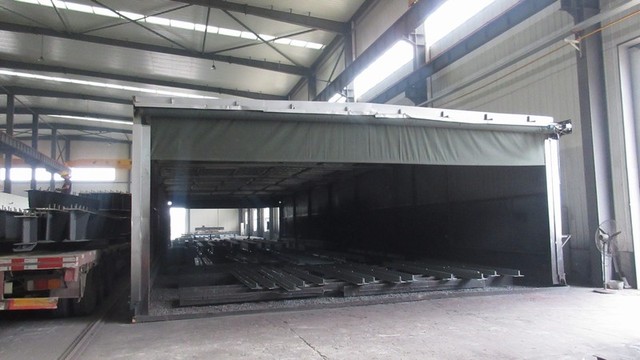
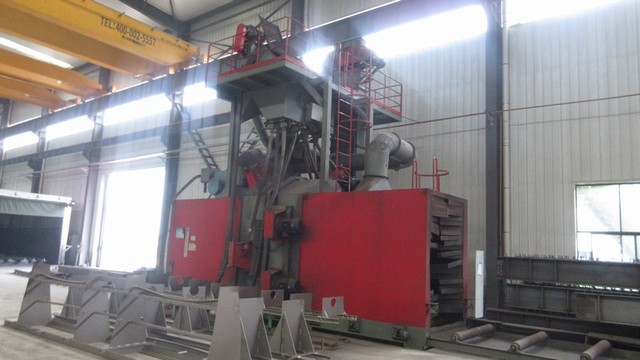
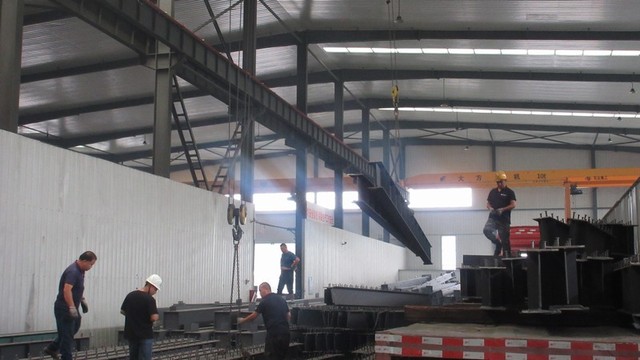
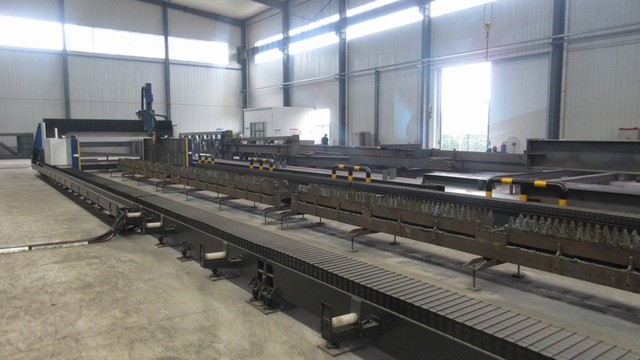
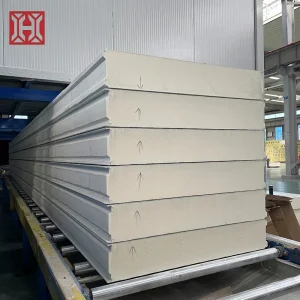
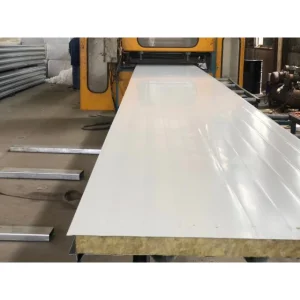
Inside the production lines where quality materials are combined, pressed, and laminated into modern building panels.
Technical answers to key architectural, insulation, and installation questions.
Thermal bridging is minimized by using interlocking tongue-and-groove joint profiles, often combined with factory-applied gaskets or site-applied vapor barrier seals. This creates a continuous insulation (CI) layer that prevents heat from bypassing the core, protecting the thermal envelope from condensation risks.
For standard cold storage structures operating at 0°C to 4°C, a core thickness of 100mm to 120mm is typically recommended. For deep-freeze storage facilities running below -18°C, a core thickness of 150mm to 200mm is advised to prevent heat transmission and reduce energy usage in the refrigeration units.
PU/PIR cores offer lower thermal conductivity (around 0.020 W/m·K), meaning you can achieve the same thermal performance with a thinner, lighter panel. Rock Wool cores have higher thermal conductivity (0.040 W/m·K) but are non-combustible (Class A), making them the preferred choice for strict fire-safety walls and fire barriers.
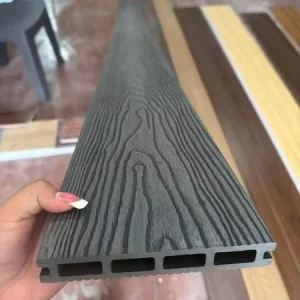
High-quality exterior WPC panels are formulated with specialized UV inhibitors and protective co-extruded caps (such as ASA polymer layers). This formulation prevents fading, warping, and brittleness caused by exposure to intense solar radiation, helping to maintain structural integrity over time.
Yes, automated continuous manufacturing lines can customize panel lengths according to transportation limitations (typically up to 11.8 meters for standard shipping containers). Surface coatings and colors can also be matched to RAL codes, and various steel skin patterns are available.
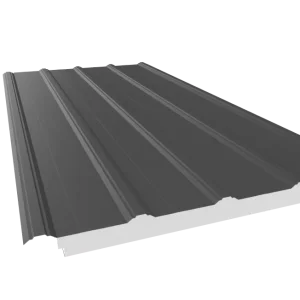
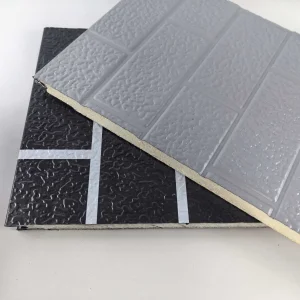
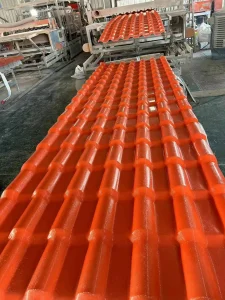
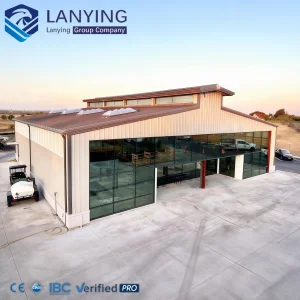
Explore our specialized panel and roofing materials designed for commercial roofing, warehouses, and coastal cladding applications.

 Jonas Build