Explore our core selection of structurally sound, highly insulated, and eco-friendly building panels designed for industrial, cold-chain, and commercial operations worldwide.
The contemporary construction landscape is undergoing a massive shift towards decarbonization and strict thermal performance thresholds. Driven by international green building standards such as LEED, BREEAM, and DGNB, modern industrial and commercial projects demand structural envelope solutions that contribute to overall carbon-neutral targets. Sustainable building panels have evolved from simple partition barriers into complex, multi-layered engineered systems that mitigate operational energy use over the building's entire lifecycle.
As governments globally implement stringent net-zero energy codes (such as the EU's Energy Performance of Buildings Directive and the US International Energy Conservation Code), developers are pressured to specify systems offering high thermal resistance (R-value), superior air tightness, and low embodied carbon. According to industry intelligence, the global market for green architectural panel configurations is projected to expand significantly, with structural insulated panels (SIPs), metal-faced polyurethane sandwich panels, and non-combustible mineral wool assemblies dominating cold storage, logistics, cleanrooms, and high-performance logistics centers.
"Optimizing building envelope performance is the most cost-effective path to carbon reduction. By utilizing engineered composite panels with precision thermal cores, structural projects can easily cut HVAC loads by up to 40% while significantly reducing construction schedules."
To fully appreciate the performance metrics of sustainable building panels, we must evaluate the core material formulations and surface layer interfaces:
Production Line Automation
Core Design Life
Fire Classification Codes
Countries Exported Globally
From extreme sub-zero cold chain storage to high-traffic urban commercial structures, the utility of sustainable panels is defined by localized adaptation.
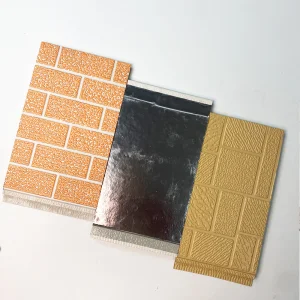
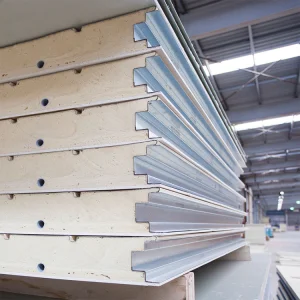
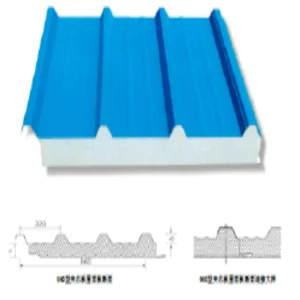
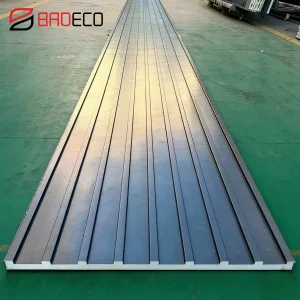
In modern distribution hubs, maintaining constant temperatures between -30°C and -18°C is crucial. Standard sandwich systems with PIR cores are specified up to 200mm thickness. Continuous tongue-and-groove joint geometries prevent thermal bridging, eliminating moisture infiltration that damages refrigeration efficiency.
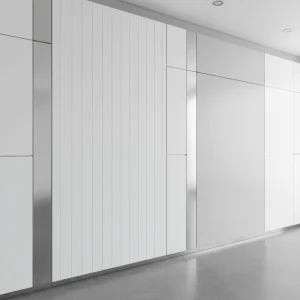
Semiconductor fabrication plants and bio-pharmaceutical laboratories require contamination-free, highly planar environments. Customized flush ceiling and wall systems feature specialized surface treatments that resist aggressive chemical disinfection cycles and prevent static charge buildup.
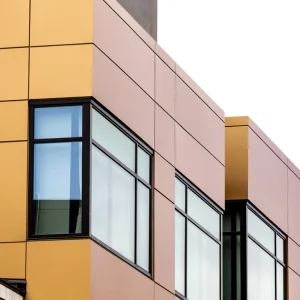
From high humidity and saline coastal regions to the dry heat of arid deserts, building envelopes must withstand intense external weathering. Anti-corrosive PVDF paint coatings and specialized high-grade zinc-alloy layers ensure panels remain structurally sound and free from chemical degradation over long design lifespans.
Global architectural and construction supply chains are vulnerable to logistical delays and fluctuating raw material costs. In this context, Ningbo Jonas Build Co., Ltd. stands out as a leading, vertically integrated supplier, utilizing the vast structural advantages of China's advanced manufacturing hubs. By localizing material sourcing, leveraging high-speed automated production, and locating facilities near major deepwater ports, Jonas Build guarantees reliable supply timelines, lower shipping costs, and highly competitive pricing for developers globally.
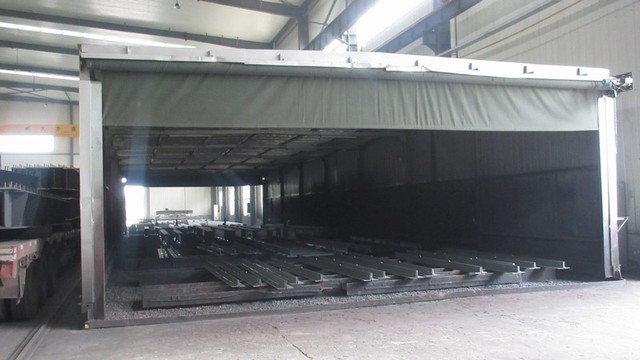
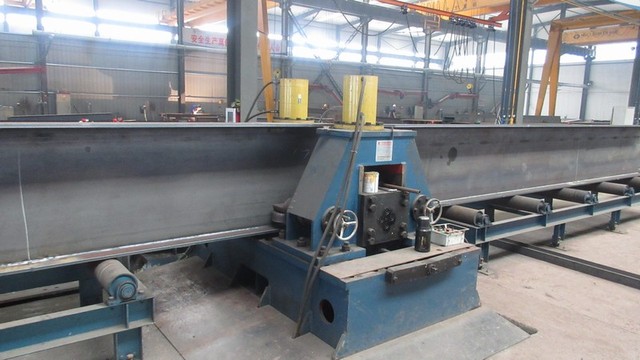
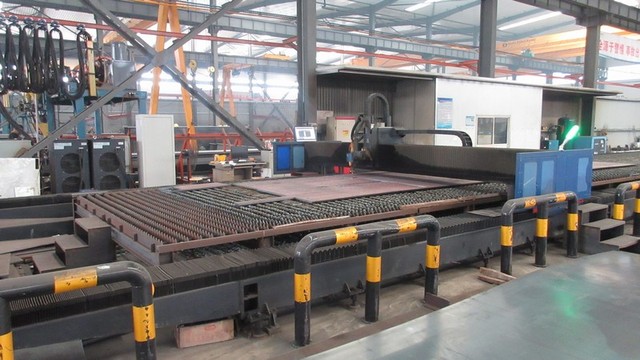
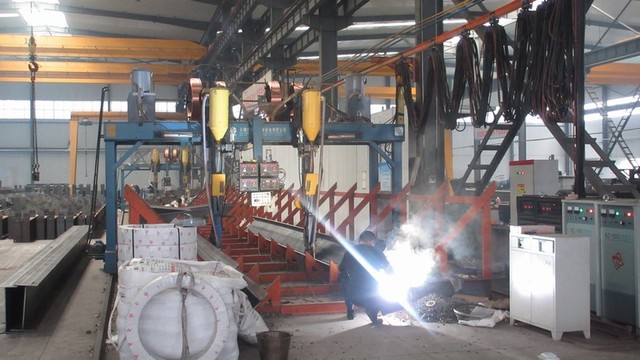
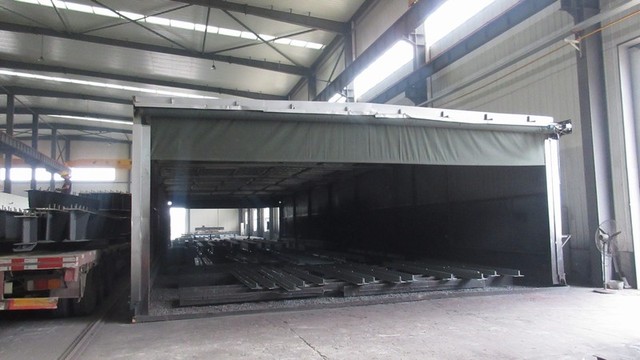
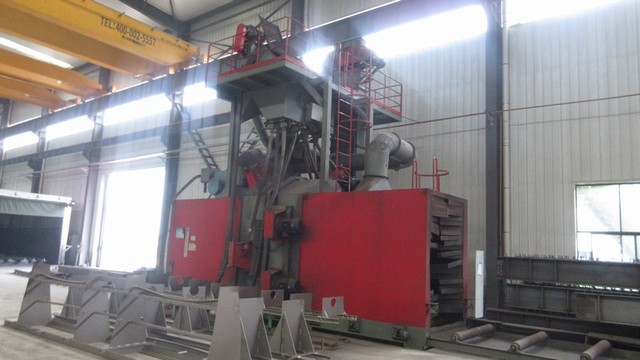
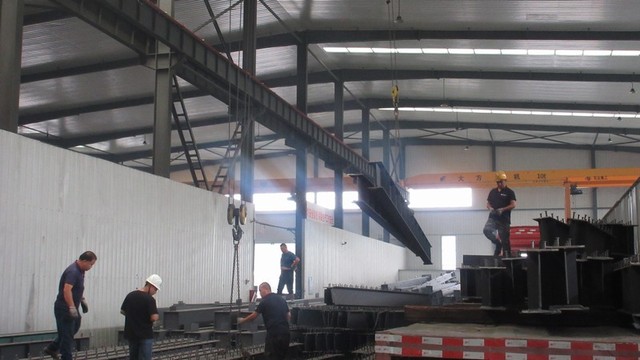
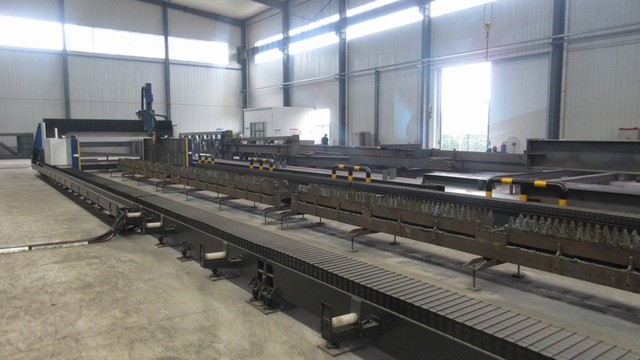
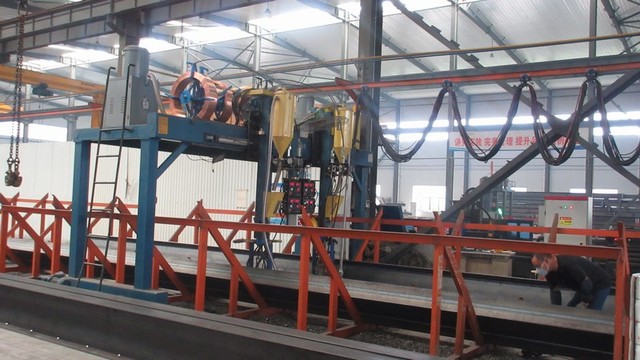
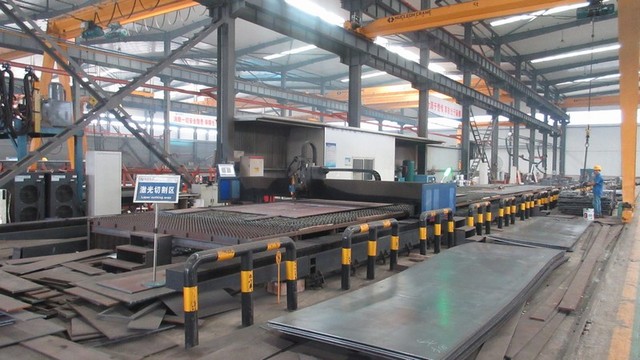
Ningbo Jonas Build Co., Ltd. operates state-of-the-art automated manufacturing lines that run continuous chemical mixing, high-pressure polyurethane injection, profiling, curing, and packaging. This continuous processing system ensures uniform foam density, tight structural tolerances, and reliable peel strength between core materials and external facing profiles. Our automated systems enable high capacity and rapid turnaround times, minimizing project delays and helping global developers finish their builds on schedule.
As the construction sector aims for circularity, our engineering teams are actively researching and implementing advancements to lower environmental impact. Key initiatives on our technical roadmap include:
Navigating global building codes requires strict certification, careful engineering oversight, and reliable testing protocols.
Our sandwich and mineral wool panel configurations are systematically tested under ASTM E84 (flame spread index & smoke density limits) and EN 13501-1 standards to guarantee code compliance for commercial, industrial, and logistics builds.
Every step of production, from selecting raw materials to packing finished shipments, follows ISO 9001 quality management procedures. Rigorous QC tests monitor adhesive strength, core density, and dimensional accuracy.
Exporting building panels requires high-durability protection. Jonas packaging combines protective film faces, high-density edge guards, and vacuum-sealed plastic wraps to prevent moisture damage and physical denting during ocean transport.
Providing clear, technical answers to help architects, structural engineers, and purchasing managers make informed decisions.
For projects requiring maximum thermal performance, Polyisocyanurate (PIR) and Polyurethane (PU) cores are ideal, providing R-values of R-7 to R-8 per inch. This makes them highly effective for temperature-sensitive structures like cold storage and cleanrooms.
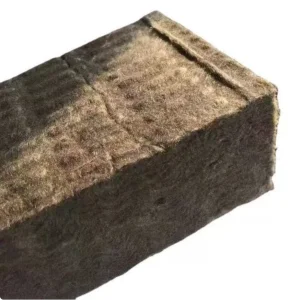
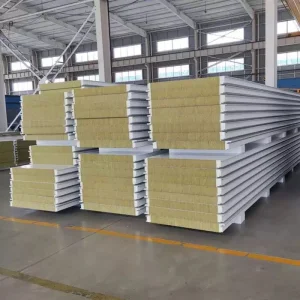
We supply rock wool insulated core configurations that achieve Class A1 non-combustibility ratings. Additionally, our specialized PIR sandwich options meet ASTM E84 Class A and EN 13501 Class B-s1, d0 standards, ensuring compliance with strict fire safety codes.
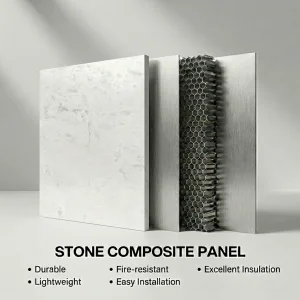
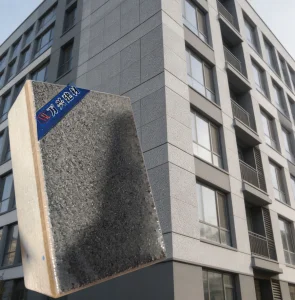
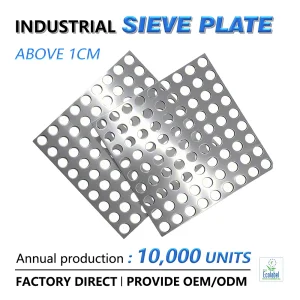
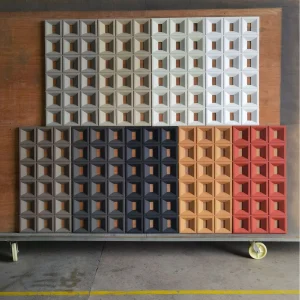
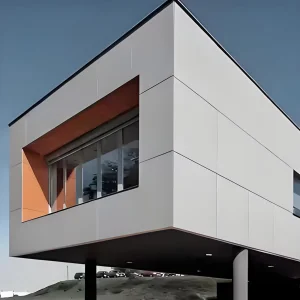
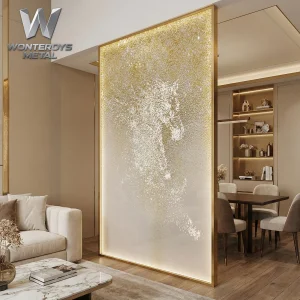
We provide extensive design options, including natural stone honeycomb surfaces, pre-painted galvanized steel (PPGI), high-grade PVDF architectural panels, and perforated stainless steel screens, tailored to your aesthetic and structural project requirements.
Panels are packed using protective plastic masking, heavy-duty polystyrene side blocks, and moisture-resistant shrink-wrapping. They are loaded into ocean containers with secure bracing to prevent shifting and damage in transit.
Engineered with high-grade hot-dipped zinc coatings, anti-corrosive coatings, and high-density cores, our panel systems have a design life of over 25 years under standard maintenance and weathering conditions.
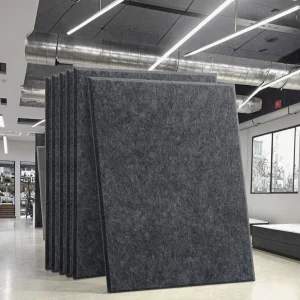
Discover our specialized range of lightweight, moisture-proof, and acoustic building panels suitable for partition and structural wall installations.
 Jonas Build