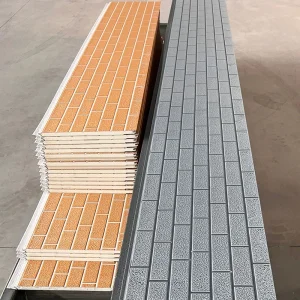
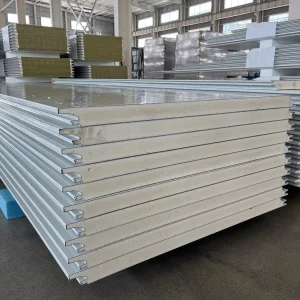
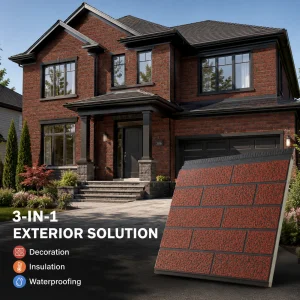
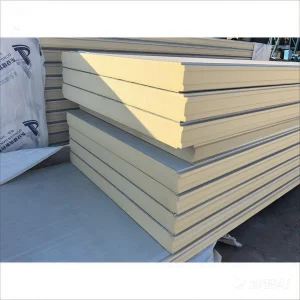
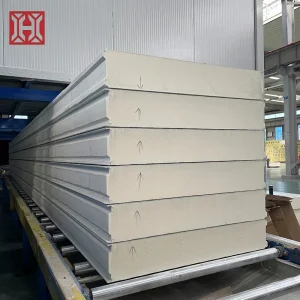
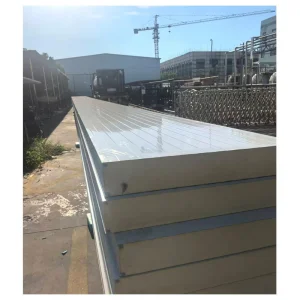
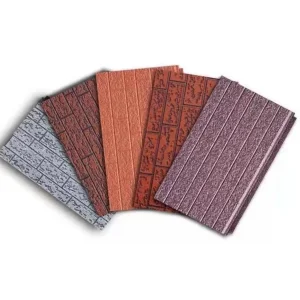
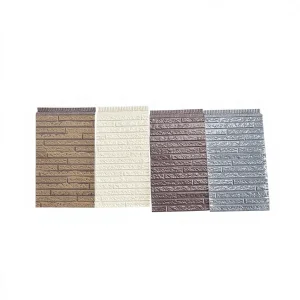
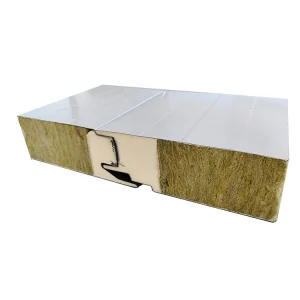
The Israeli construction market is witnessing a rapid structural transformation driven by high population density, intense urbanization, and the expansion of high-tech manufacturing corridors in the central and northern coastal plains, alongside dry climate conditions in the southern Negev. The demand for industrial infrastructure, ranging from microelectronics fabs in Kiryat Gat to logistics hubs surrounding Haifa and Ashdod ports, has escalated significantly. This rapid expansion demands building materials that support high-speed installation, comply with stringent green building codes (such as Israeli Standard SI 5281), and guarantee superior energy efficiency. Polyurethane (PU) and Polyisocyanurate (PIR) core sandwich panels have emerged as the standard building envelope solution due to their exceptional thermal impedance values (low Lambda value of 0.019 to 0.022 W/m·K) and structural lightweight design.
“Israel’s commitment to achieving net-zero carbon emissions in buildings by 2050 has turned mechanical insulations and composite wall cladding systems into core structural assets. For developers, importing high-grade insulated sandwich panels is no longer just a material preference, but a mandatory requirement for compliance and long-term energy cost savings.”
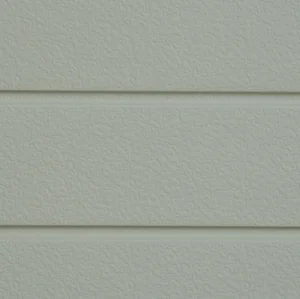
Modern building physics in Israel focuses on countering high ambient summer temperatures and minimizing humidity ingress, especially in coastal zones. Structural insulation systems must resist aggressive solar UV exposure and salty coastal breezes, while minimizing thermal bridging. Advanced factories specializing in customized composite cladding are critical partners in this value chain, designing specialized anti-corrosive, multi-layered metal skins bonded directly to highly cross-linked polyurethane cores.
Thermal Conductivity (W/m·K)
Israel Fire Rated Standard Compliance
Optimal PU Core Density
Recyclable Steel Skins Available
On a global scale, the composite insulation panel sector is experiencing a paradigm shift towards environmental responsibility, advanced polymer science, and building automation compatibility. The legacy Polyurethane (PUR) systems are increasingly being updated to advanced Polyisocyanurate (PIR) formulations, which offer significantly improved fire performance due to the presence of highly stable isocyanurate ring structures. Globally, blowing agents have transitioned away from HCFCs towards zero-ODP (Ozone Depletion Potential) and ultra-low GWP (Global Warming Potential) alternatives, such as pentane isomer blends and modern Hydrofluoroolefins (HFOs).
Another major trend is the development of circular economy principles. Leading global exporters are incorporating recycled polyols derived from PET bottles into their polyol blends without compromising the mechanical integrity of the core foam. Concurrently, steel rolling mills are utilizing green steel, produced via hydrogen-based direct reduction, to form the exterior skins. These developments allow architects and engineers to achieve higher credits in LEED, BREEAM, and Israel's SI 5281 building certifications.
High-temperature fire performance and structural stability compared to legacy PUR foams, meeting stringent global building fire regulations.
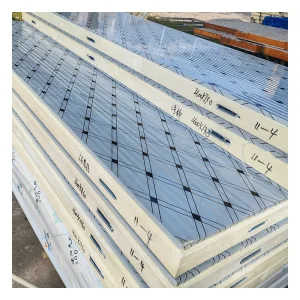
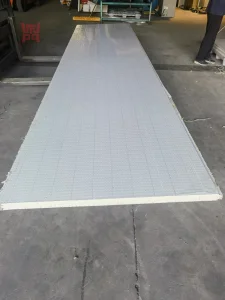
Continuous double-belt line laminating systems guarantee flat surfaces, precise interlocking joint profiles, and consistent foam densities.
Utilization of eco-friendly pentane-blown formulations to reduce environmental impact and lower lifecycle carbon footprints.
The localized deployment of PU and PIR panels in Israel is segmented into four core technical application areas, each with strict requirements regarding material science and engineering:
In regions like Yokneam, Herzliya, and Rehovot, microelectronics and biotechnology facilities require pristine environments. Jonas Build's insulated panel systems provide completely flush surfaces, preventing particle accumulation. Special PVC or PVDF anti-static skin finishes resist harsh sterilization reagents and prevent electrostatic discharges that could damage sensitive silicon wafers.
Israel is a key exporter of agricultural produce and imports substantial volumes of cold-chain goods. Cold room facilities require thermal insulation with zero thermal bridging. The utilization of 100mm to 200mm thick polyurethane sandwich panels with precise tongue-and-groove joint profiles ensures minimal energy loss, maintaining internal temperatures as low as -35°C in hot Mediterranean environments.
With coastal facilities like the Sorek and Ashkelon desalination plants exposed to highly corrosive marine atmospheres, standard cladding materials fail prematurely. Jonas Build provides specialized heavy-duty organic-coated steel skins (including PVDF, HDP, or polyurethane coatings) to protect the underlying steel and polyurethane core from salt spray, humidity, and chemical abrasion.
In rural areas such as the Galilee and the Arava Valley, modern agricultural barns and poultry sheds require strict internal temperature control to optimize output. Jonas Build sandwich panels offer cleanable, hygienic profiles that resist high ammonia levels inside poultry houses, while providing insulation from extreme external temperatures.
Ningbo Jonas Build Co., Ltd. is a professional China industrial construction panel manufacturer specializing in insulated building panel solutions for global industrial and commercial construction projects. With extensive industry experience and advanced manufacturing capabilities, the company is committed to delivering high-quality, energy-efficient, and customized panel systems that meet the diverse requirements of customers worldwide.
The company provides a comprehensive range of products, including insulated sandwich panels, industrial wall panels, roofing panels, cold room panels, cleanroom panels, fire-rated panels, and customized building envelope solutions. Designed for superior thermal performance, structural reliability, and rapid installation, these products are widely used in industrial plants, warehouses, logistics centers, cold storage facilities, commercial buildings, modular construction projects, and infrastructure developments.
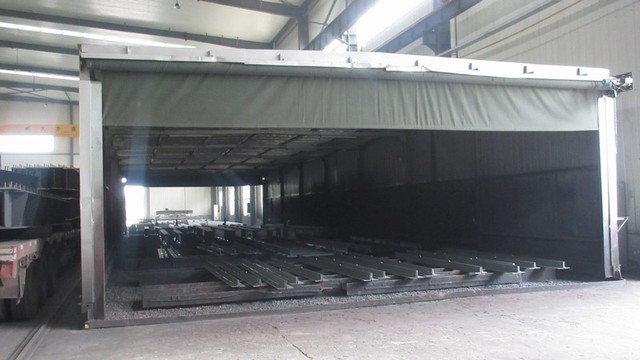
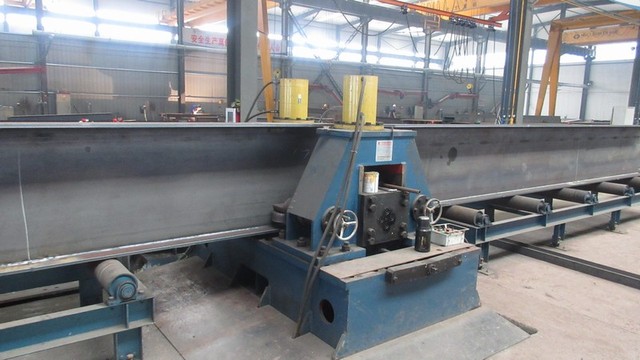
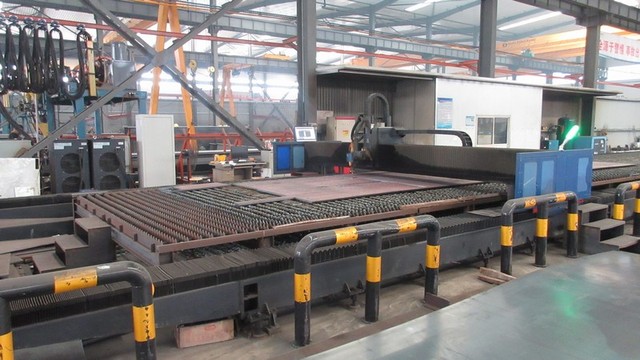
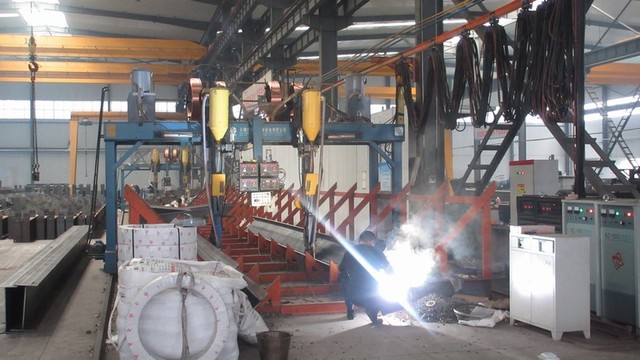
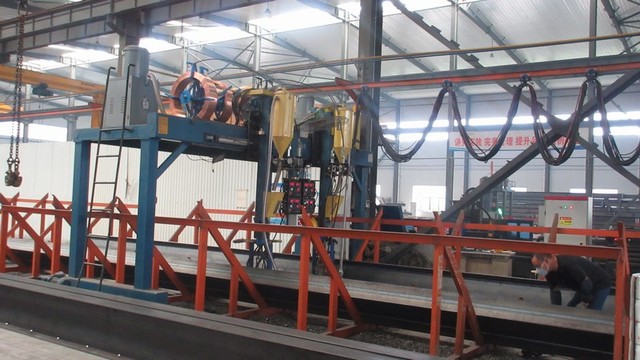
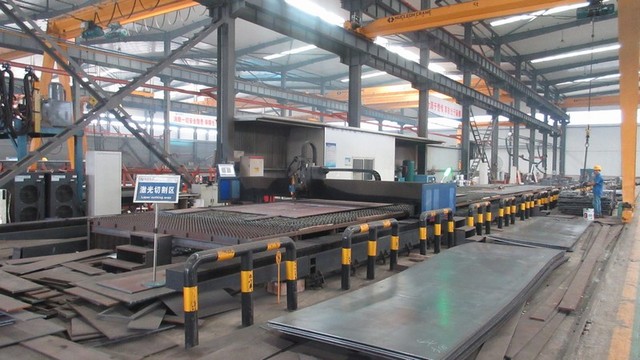
Ningbo Jonas Build Co., Ltd. operates modern production facilities equipped with advanced automated manufacturing lines, precision processing equipment, and strict quality inspection systems. Supported by a skilled team of engineers and technical specialists, the company offers one-stop services covering project consultation, product design, manufacturing, quality assurance, packaging, and international logistics coordination.
Innovation, quality, and sustainability are the core values driving the company's development. By utilizing advanced production technologies and premium raw materials, Jonas Build continuously enhances product performance in thermal insulation, fire resistance, weather protection, and energy efficiency. The company's panel systems help customers reduce construction time, lower operating costs, and improve overall building performance.
Committed to excellence and customer satisfaction, Ningbo Jonas Build Co., Ltd. has established long-term business relationships with clients across Asia, Europe, the Middle East, Africa, and the Americas. The company remains dedicated to providing reliable insulated building panel solutions that support sustainable construction and create long-term value for customers worldwide.
Israel is situated along the Dead Sea Transform fault system, rendering seismic safety a critical engineering consideration (under Israeli Standard SI 413). Rigid, brittle building materials are highly susceptible to shear failure during seismic events. Jonas Build's polyurethane sandwich panels function as integrated structural-thermal membranes. The steel skins absorb tension forces, while the ductile polyurethane core deforms slightly under shear strain, preventing progressive structural collapse.
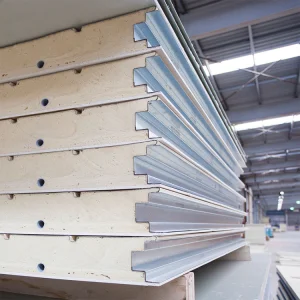
Furthermore, Jonas Build panels utilize advanced tongue-and-groove joints engineered to accommodate slight structural movement without losing thermal sealing. This allows facilities to maintain envelope integrity during moderate seismic events and high winds, preventing moisture penetration and thermal bridges that could compromise critical indoor environments.
For chemical and logistics facilities in Israel, we supply specialized configurations featuring fire resistance ratings of up to 60-120 minutes, depending on panel thickness and the specific core formulation (PIR). This provides crucial safety margins for industrial facilities handling combustible cargo or high-value technological equipment.
Get in touch with Ningbo Jonas Build Co., Ltd. today for detailed product specifications, custom structural load calculations, and competitive pricing for your commercial or industrial projects.
Send Inquiry Now Jonas Build