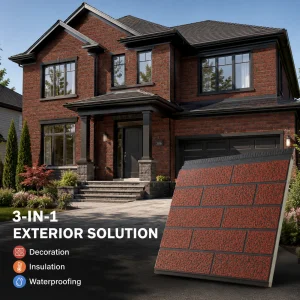
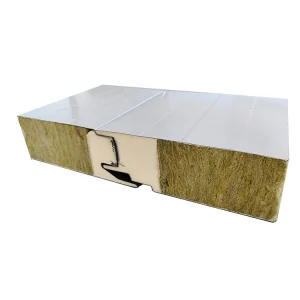
Engineered to withstand extreme thermal conditions, ensuring optimal structural efficiency and climate protection across Bagdad, Erbil, and Basra.
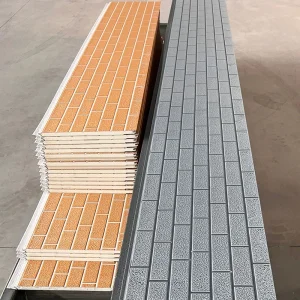
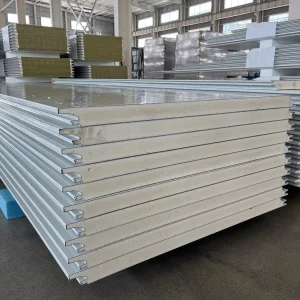
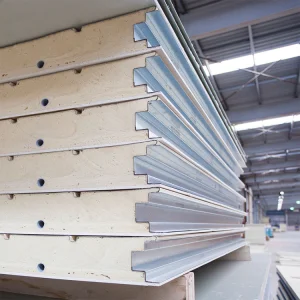
Analyzing reconstruction demands, structural resilience, and thermal performance optimization in extreme desert environments.
As Iraq undergoes a massive period of economic reconstruction, the demand for modern, sustainable, and rapidly deployable building envelopes has reached an all-time high. Traditional masonry and standard concrete methods struggle to address the triple challenge of modern construction: thermal load management, structural installation speed, and severe energy grid limits. Urban developments and industrial parks in Baghdad, Basra, and Erbil require robust architectural solutions that directly lower HVAC energy expenditures.
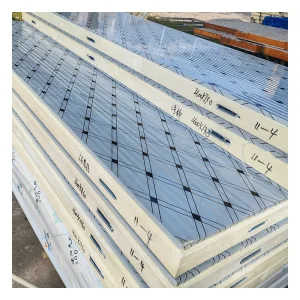
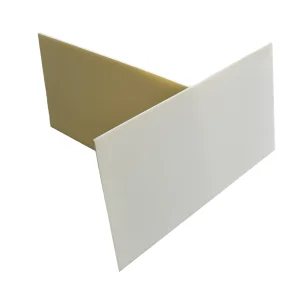
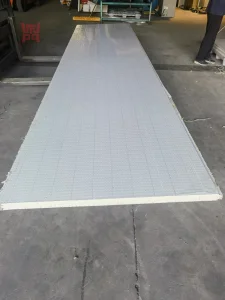
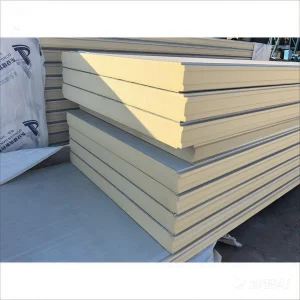
Polyurethane (PU) and Polyisocyanurate (PIR) core sandwich panels have emerged as the primary choice for modern construction specifications in the Middle East. Offering structural weight reduction alongside exceptional load-bearing capacities, these composite panels act as both secondary structural components and highly efficient insulation barriers, drastically reducing carbon emissions and immediate energy utility overheads.
The physics of structural insulation in Iraq requires panels that can handle sharp diurnal temperature fluctuations. During the peak summer periods, external metallic cladding temperatures can rise to 75°C, while interior requirements for cold-storage facilities or pharmaceutical depots must remain at steady sub-zero temperatures.
Ningbo Jonas Build Co., Ltd.'s high-density PU cores (standardized at 40-42 kg/m³) provide an extremely low thermal conductivity ($\lambda \approx 0.020 - 0.022 \text{ W/m·K}$). This outstanding thermal efficiency ensures that heat ingress is kept to an absolute minimum, ensuring lower cooling demands and safeguarding fragile items inside cold chains and warehouses.
Tailored structural insulation solutions optimized for specific geographical, industrial, and climate realities.
Application: Industrial production warehouses, commercial distribution hubs, and agricultural processing facilities.
With rapid growth in manufacturing zones, projects require modular building materials that assemble quickly. Jonas Build's tongue-and-groove joint systems make assembly straightforward, keeping projects on schedule.
Application: Cold-chain storage units, supermarket cold rooms, cleanroom facilities, and modular office buildings.
Due to local power grid limitations, thermal efficiency is vital. Our high-density panels preserve internal temperatures during electrical outages, protecting pharmaceutical and food stocks.
Application: Marine cold storage, dockside warehousing, and high-salinity industrial buildings.
Marine environments demand materials that resist rust. Our panels feature specialized anti-corrosion outer coatings (like PVDF and high-durability polyester) to withstand humid, salty air.
Innovating for greater fire safety, thermal stability, and overall environmental sustainability.
To meet strict safety codes, building envelope technologies are transitioning from standard PUR (Polyurethane) to advanced PIR (Polyisocyanurate). Through precise adjustments in the isocyanate-to-polyol ratio and the use of modern catalysts, PIR panels achieve enhanced ring-like molecular structures. This creates a panel with superior fire performance, offering excellent resistance against high heat.
Under flame exposure, PIR panels form a stable protective char layer, which restricts flame spread and minimizes smoke generation. This level of fire safety aligns with stringent international certifications, including European EN 13501-1 (Class B-s1, d0) and global FM approvals, helping Iraqi builders meet modern safety requirements.
Ningbo Jonas Build Co., Ltd. utilizes next-generation blowing agents that have zero Ozone Depletion Potential (ODP) and negligible Global Warming Potential (GWP). This allows projects to achieve excellent thermal efficiency while maintaining environmental compliance.
How our optimized factory-to-site supply chain supports massive reconstruction schedules across Iraq.
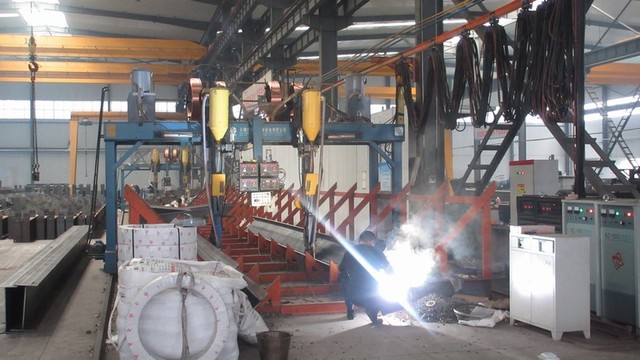
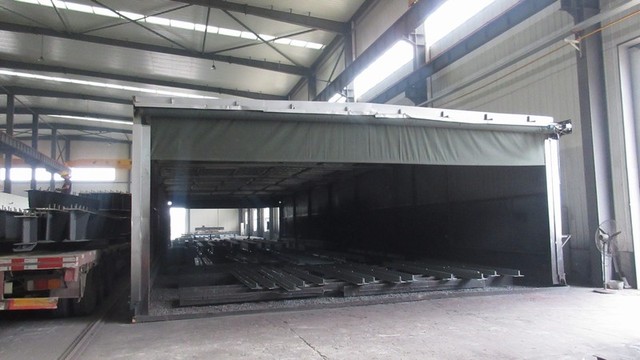
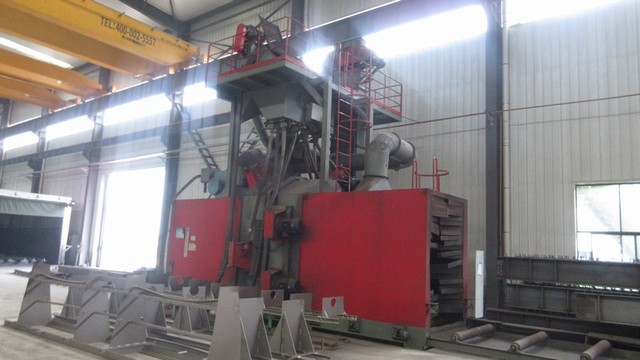
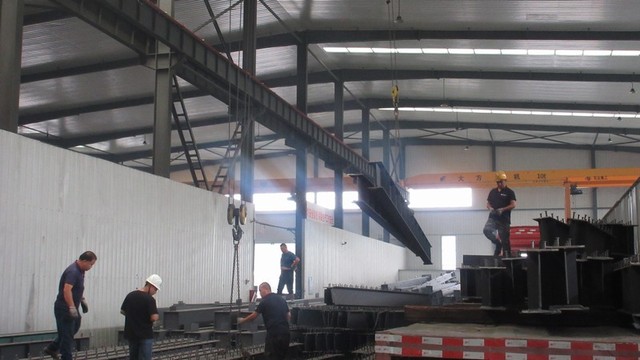
Ningbo Jonas Build Co., Ltd. is a leading Chinese industrial construction panel manufacturer specializing in insulated building envelope solutions. Our modern production facilities feature highly automated continuous manufacturing lines, ensuring precise temperature regulation and consistent quality across every panel we produce.
Located near the major deep-water port of Ningbo, we offer straightforward logistics routes to main Middle Eastern terminals, including Umm Qasr Port. This helps ensure predictable shipping times, minimizes transport risks, and keeps your projects moving forward on schedule.
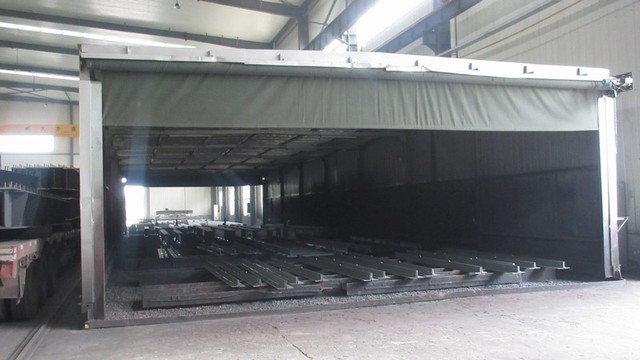
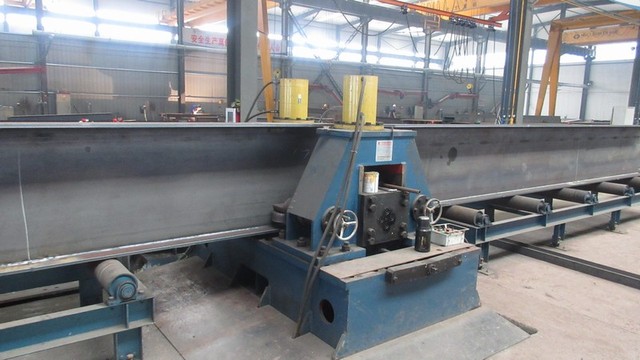
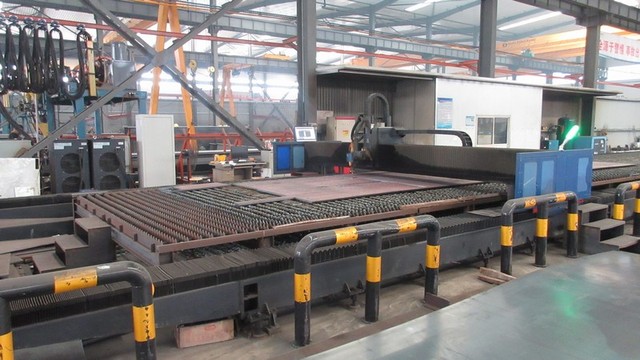
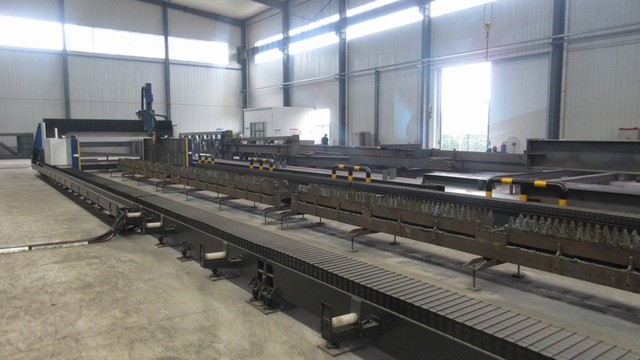
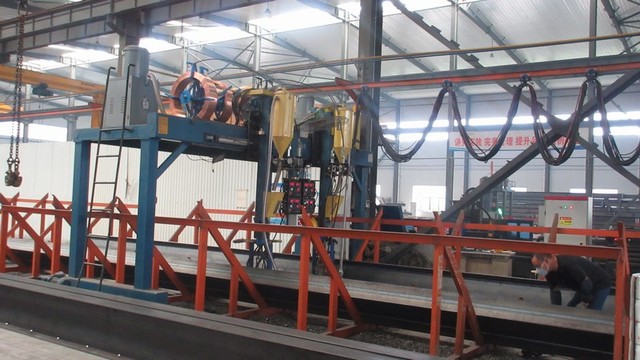
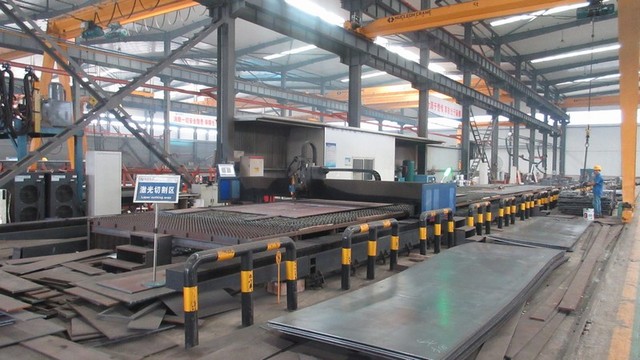
Explore our full selection of wall cladding, roof profiling, and cold storage systems designed for performance and reliability.
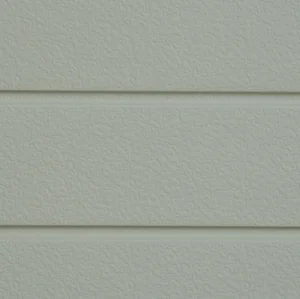
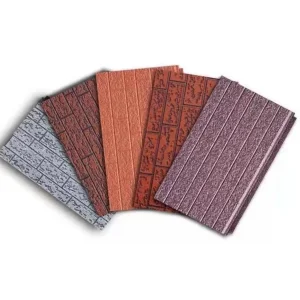
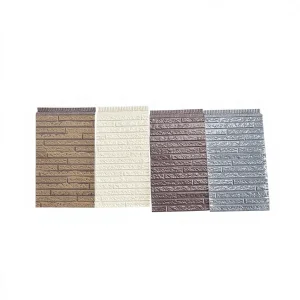
Aligning manufacturing specifications with Iraqi local customs and construction standard requirements.
Importing structural building components into Iraq requires strict compliance with the Central Organization for Standardization and Quality Control (COSQC). Ningbo Jonas Build Co., Ltd. ensures that all polyurethane shipments are accompanied by valid Certificate of Conformity (CoC) and testing verification files.
Our testing procedures verify panel core density, flexural yield strength, thermal resistance values, and fire-safety ratings. By validating these parameters before shipment, we help speed up customs clearance processes at Iraqi entry points.
In desert regions prone to strong winds and sandstorms, panels must meet demanding structural load requirements. Our panels are designed to handle wind speeds up to 140 km/h, preventing deformation.
For coastal sites near the Persian Gulf, we offer corrosion-resistant steel options, such as PVDF-coated galvanized steel. This provides reliable protection against high moisture and salt exposure, helping to extend the operational lifespan of the panels.
Expert insights regarding shipping, specifications, installation, and thermal performance for the Iraqi market.
Get in touch with our technical team today to request custom panel specifications, detailed load charts, thermal efficiency analysis, and factory direct pricing.
Send Inquiry Now Jonas Build