Premium class structural insulated core panels customized to lower U-values and comply with Korea's tight commercial fire and thermal regulations.
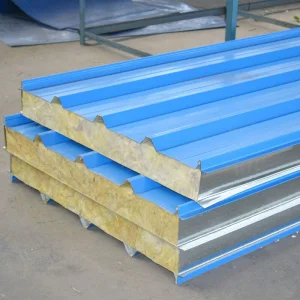
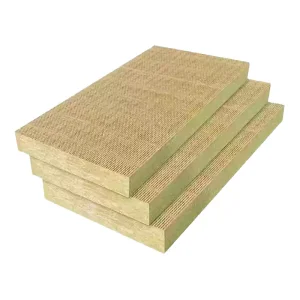
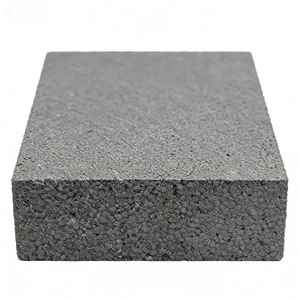
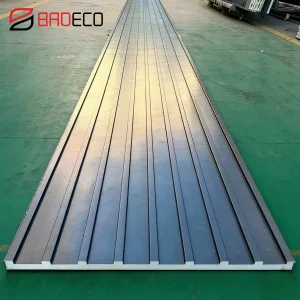
The Seoul metropolitan region (including Incheon and Gyeonggi province) experiences a complex humid continental climate, marked by severe Siberian winter winds dropping temperatures down to -15°C, and extremely hot, humid summers driven by East Asian monsoons pushing past 35°C. This extreme thermal swing puts heavy stress on commercial and industrial roof structures.
Moreover, the Seoul Metropolitan Government’s Green Building Code and South Korea's updated 2024 Energy Conservation Standards for Buildings mandate strict heat transfer coefficients (U-Values) for roof designs. For direct-to-exterior roofs, the U-value must often be lower than 0.15 W/m²·K in the central Korean region. Meeting these targets requires thick, structurally sound insulation panels with minimal thermal bridging points.
Additionally, following major warehouse fires in Gyeonggi-do, South Korean building codes have banned flammable core sandwich panels for large industrial structures. Today, developers and contractors in Seoul demand roof insulation panels that meet strict non-combustibility Class A standards, certified by the Korea Fire Institute (KFI). Our engineered rock wool and fiberglass sandwich panels provide high thermal performance along with ultimate peace of mind under Korean fire safety laws.
A global perspective on why industrial sectors are moving away from traditional site-assembled insulation to pre-engineered composite panel systems.
High-density Polyisocyanurate (PIR) and Polyurethane (PUR) cores offer the lowest thermal conductivity rating (approx 0.020 W/m·K). They provide exceptional insulation thickness efficiency, keeping roof structures sleek while meeting top energy standards.
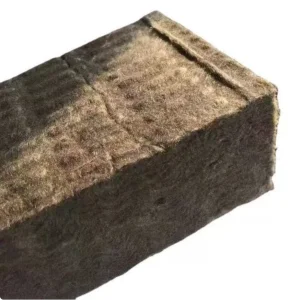
Made from natural basalt rock fibers, mineral and rock wool insulation cores are inherently fireproof. Capable of resisting heat up to 1,000°C, they act as active fire barriers in industrial sites, matching strict global insurance standards.
Graphite-modified Expanded Polystyrene (SEPS) infuses graphite particles to reflect heat radiation, boosting thermal resistance by up to 20% over standard white EPS, while keeping installation quick and weight minimal.
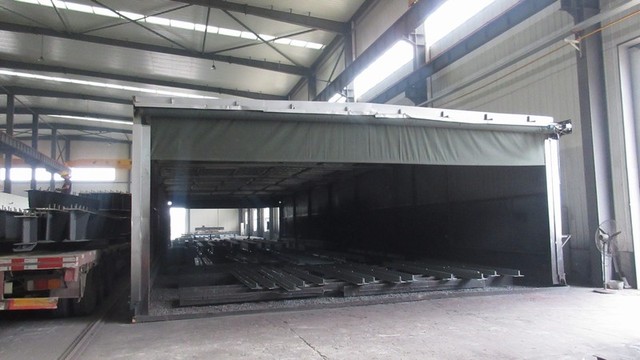
Based in the manufacturing hub of Ningbo, China, Ningbo Jonas Build Co., Ltd. offers a key logistics and cost advantage for construction projects across South Korea. With Ningbo Port being one of the busiest cargo hubs in the world, transit time from our factory to Incheon Port or Busan Port takes just 3 to 5 days. This fast shipping timeline rival local Korean suppliers, while giving you the benefits of wholesale Chinese manufacturing pricing.
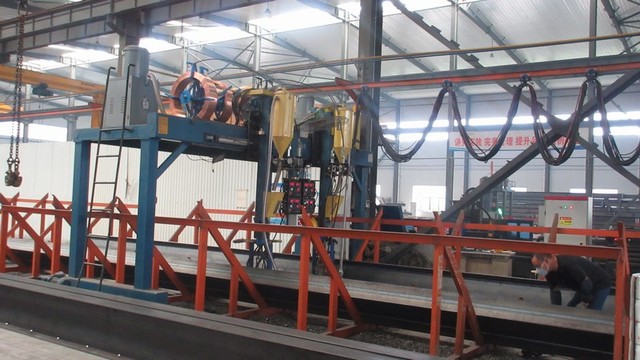
Our facility runs high-capacity, fully automated continuous double-belt production lines. This allows us to keep tight control over structural dimensions, core density, and outer sheet lamination. Our automated system guarantees flat panel finishes, clean joints, and zero internal air pockets, ensuring every panel delivers consistent thermal performance.
By using bulk-sourced steel coils, top-tier resin formulations, and high-density basalt, we offer premium panel solutions at competitive prices. We specialize in tailoring custom outer metal skin profiles (including aluminum, galvanized steel, and PVDF coatings) to shield your projects against Seoul's humid summer rain and saline coastal air.
Our high-performance insulated roofing panels are built to match the specific needs of diverse industries throughout South Korea.
For modern cargo hubs near Incheon Airport and Gyeonggi, keeping temperatures stable is critical. Our thick PIR and polyurethane insulated roofing panels stop heat entry, lowering cold chain cooling costs by up to 40%.
With South Korea leading the way in semiconductors and EV battery manufacturing, keeping dust and heat controlled is vital. Our mineral wool and fiberglass sandwich panels offer dust-free, non-combustible ceilings and roofs that meet cleanroom standards.
Urban commercial developments in Seoul require clean, modern aesthetics combined with high thermal performance. Our custom aluminum and steel composite roofing panels integrate seamlessly with architectural facades while reducing energy use.
When sourcing roof insulation panels from overseas manufacturers, focus on these critical quality parameters to ensure local site compliance.
To pass inspection by South Korean building authorities, imported sandwich panels must provide certified performance data. Here are the core specifications you should request:
| Parameter | Required Standard (Korea/Global) | Ningbo Jonas Build Specification |
|---|---|---|
| Core Fire Rating | KS F ISO 1182 (Non-combustible core) | Class A (Rock Wool / Fiberglass Core) |
| Thermal Conductivity (λ) | ≤ 0.023 W/m·K for Class-Ga Insulants | 0.020 W/m·K (High-spec PIR Formulation) |
| Core Density | 100 to 120 kg/m³ (for Rock Wool core) | Fully customizable (Up to 140 kg/m³) |
| Panel Thickness | Must meet U-value rules based on location | 50mm, 75mm, 100mm, 150mm, 200mm options |
| Galvanization Skin | KS D 3520 (Prepainted Hot-dip Zn Steel) | High-durability polyester, PVDF coating options |
By sharing structural calculations, wind-load charts, and site drawings with us, our engineering team can customize the optimal panel thickness and span specifications. This ensures your project passes Korean structural inspections while preventing over-designing and reducing unnecessary materials costs.
Explore our complete range of certified metal composite, sandwich insulation, and acoustic roofing panels built to perform in South Korea's demanding industrial sector.
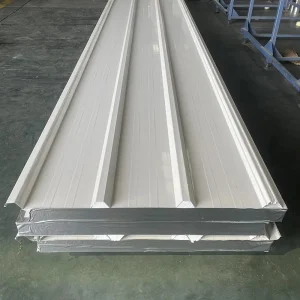
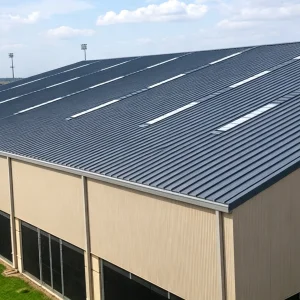
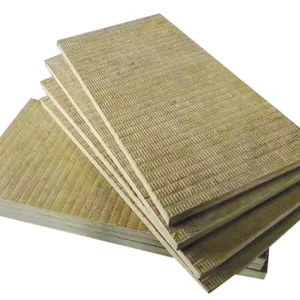
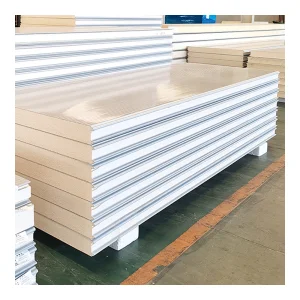
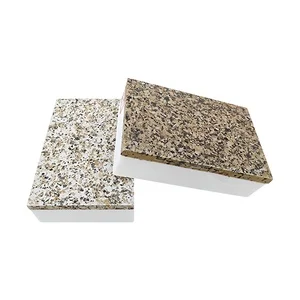
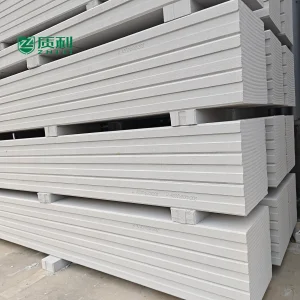
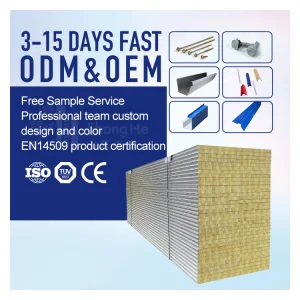
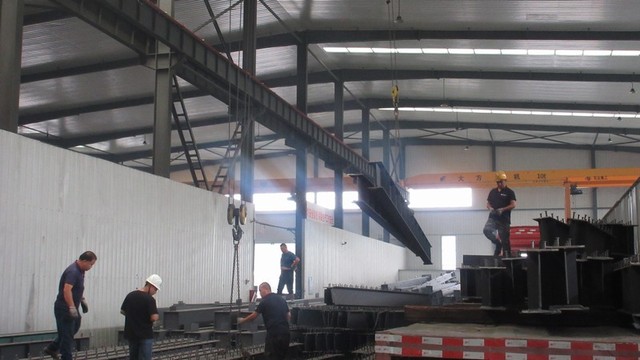
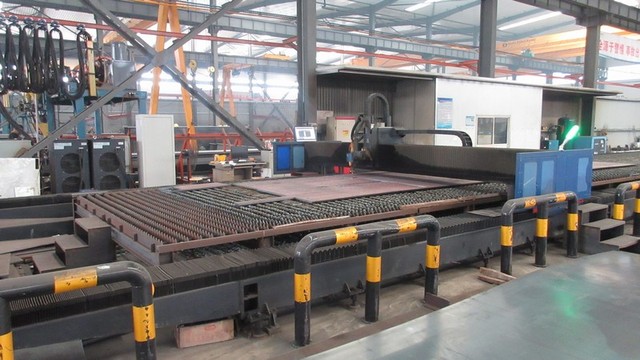
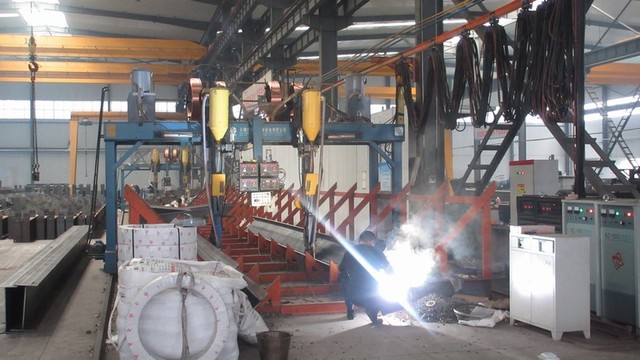
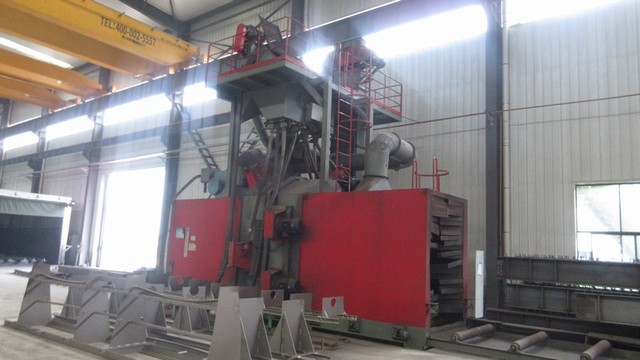
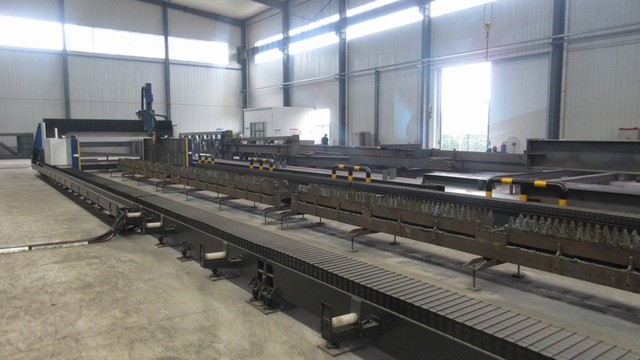
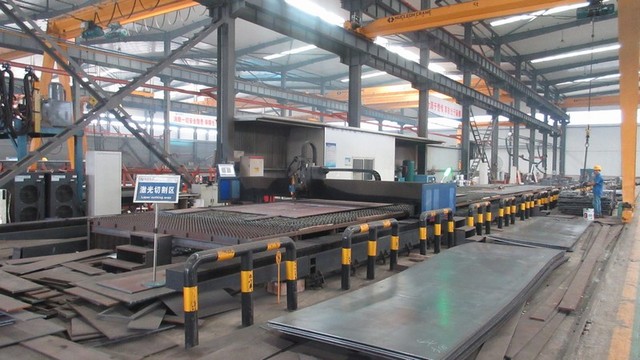
A look inside Ningbo Jonas Build Co., Ltd.’s smart manufacturing plant, showing our high-capacity raw material yards, precision profiling units, and clean packing facilities.
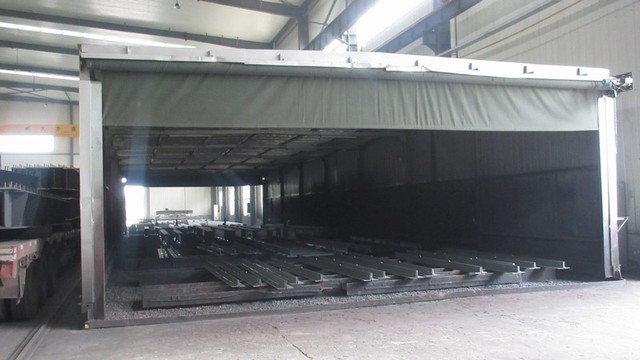
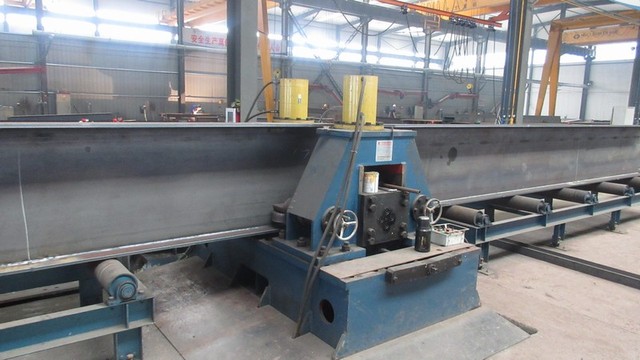
Critical structural and logistical details to help guide your purchasing decisions.
 Jonas Build