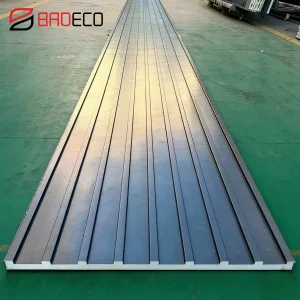
Premium insulated building panels engineered for thermal stability, high fire ratings, and long-term structural integrity across industrial infrastructure in Slovakia.
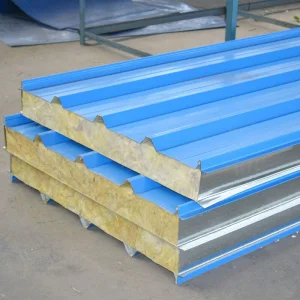
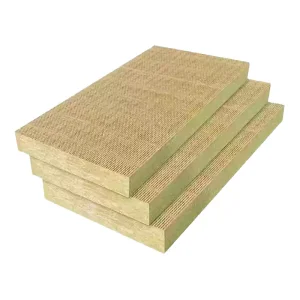
Slovakia has cemented its position as one of Central Europe's primary industrial powerhouses, particularly in automotive manufacturing, electronics, heavy metals, and high-performance logistics. As a key transit and production corridor located within the European single market, the Slovak industrial sector operates under some of the world's most stringent regulatory criteria regarding energy conservation, carbon footprint mitigation, and structure fire safety (specifically the STN EN standards and European Building Performance Directives (EPBD)).
In regions such as Bratislava, Trnava, Nitra, and Košice, large-scale automotive factories and distribution centers require massive roofing areas that must withstand substantial structural stresses. These regions experience high snow loads in winter (governed by STN EN 1991-1-3) and thermal expansion in the summer. Standard structural designs can no longer rely on simplistic, non-insulated claddings. Consequently, design engineers, industrial developers, and general contractors demand sophisticated, continuous double-belt laminated polyurethane (PIR), rock wool, and SEPS (Graphite Enhanced Polystyrene) sandwich systems that provide high R-values (thermal resistance) alongside Class A fire performance.
On a global scale, the commercial building envelope market is transitioning from traditional site-assembled multi-layer insulation sheets towards prefabricated, single-component composite sandwich panels. The rationale is direct: reduction of installation times by up to 50%, elimination of thermal bridging, and strict quality control at production lines. Material sciences have evolved beyond standard EPS core systems. High-density Polyisocyanurate (PIR) and mineral rock wool cores are now standard for high-performance projects, integrating cutting-edge fire-retardants that form structural char layers during exposure to extreme temperatures, preventing fire propagation.
Selecting the optimal core material is critical for ensuring compliance with the local Slovak construction standards (STN 73 0540-2). The table below outlines the mechanical and thermal characteristics of our primary roofing core materials.
| Core Insulation Type | Thermal Conductivity (λ - W/m·K) | Euroclass Fire Rating | Acoustic Damping (dB) | Best Application Scenario (Slovakia) |
|---|---|---|---|---|
| High-Density Rock Wool | 0.038 - 0.044 | A1 / A2-s1,d0 (Non-combustible) | 32 - 35 dB | Chemical plants, processing facilities near Košice requiring extreme fire safety zones. |
| Polyurethane / PIR | 0.020 - 0.023 | B-s1, d0 to B-s2, d0 | 24 - 26 dB | Cold storage units and high-efficiency logistics distribution networks in Western Slovakia. |
| SEPS (Graphite EPS) | 0.031 - 0.033 | B-s1, d0 (Flame Retardant) | 28 - 30 dB | Commercial administrative centers and cost-effective retrofits for existing factory halls. |
| Glass Fiber Wool | 0.034 - 0.038 | A2-s1, d0 | 30 - 33 dB | Lightweight large-span roof systems where structural load-bearing capacity is limited. |
Slovakia's climate presents localized challenges. In northern regions near Žilina and Poprad, snow loads are a critical design vector. A roof panel system must possess high structural bending resistance, which is determined by the yield strength of the external steel skins (typically 0.5mm to 0.7mm high-tensile structural steel) and the cohesive bonding strength of the core material. In contrast, the southern lowlands around Dunajská Streda experience heavy thermal loading during summer afternoons. This requires sophisticated joint profiling and micro-ribbed profiles to prevent local buckling (delamination of the metal face from the insulation core) caused by temperature differentials between the inner and outer skin of up to 60°C.
Ningbo Jonas Build Co., Ltd. is a professional industrial construction panel manufacturer specializing in insulated building envelope systems for global industrial and commercial projects. With extensive industry experience and advanced manufacturing capabilities, we are committed to delivering high-quality, energy-efficient, and customized panel systems that meet the rigorous technical and performance requirements of European building codes.
We provide a comprehensive range of products, including insulated sandwich panels, industrial wall panels, roofing panels, cold room panels, cleanroom panels, fire-rated panels, and customized building envelope solutions. Designed for superior thermal performance, structural reliability, and rapid installation, our products are widely used in industrial plants, logistics centers, cold storage facilities, commercial buildings, modular construction projects, and infrastructure developments throughout Europe, including Slovakia.
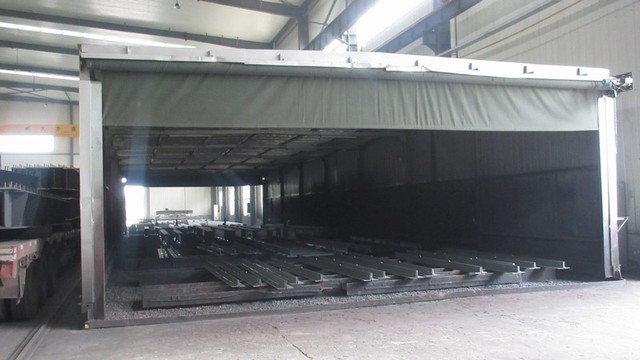
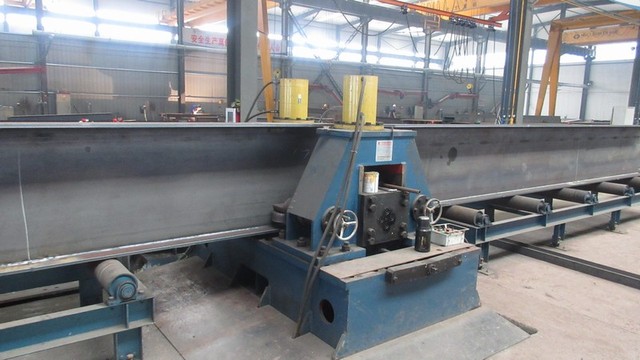
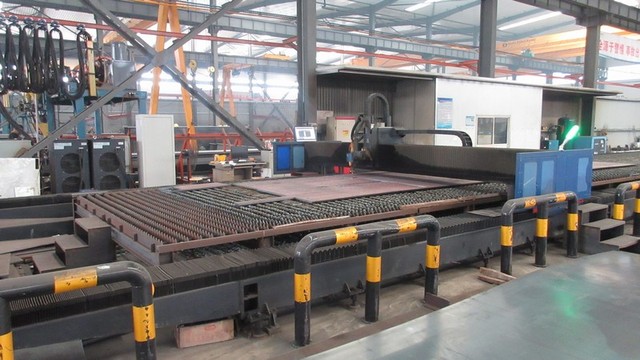
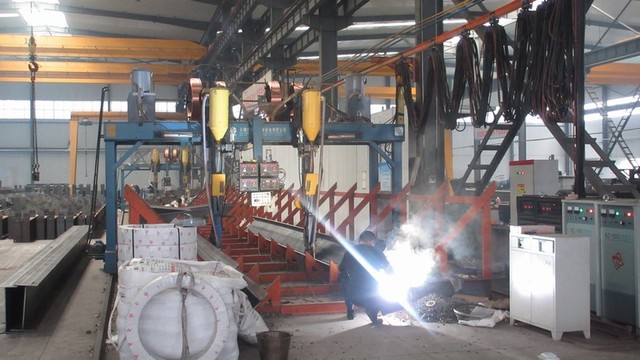
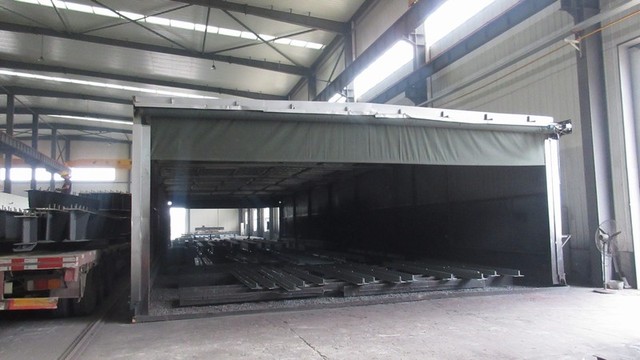
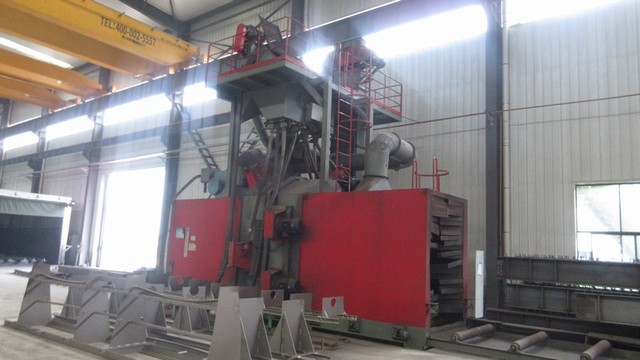
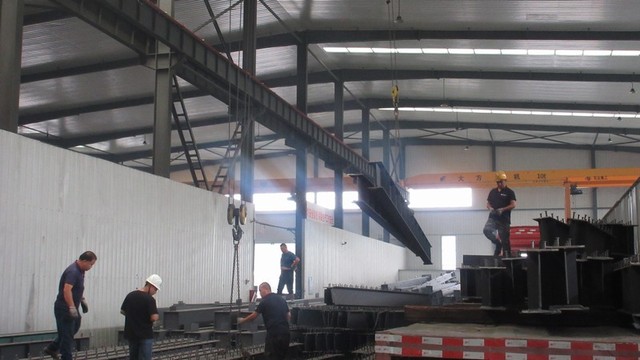
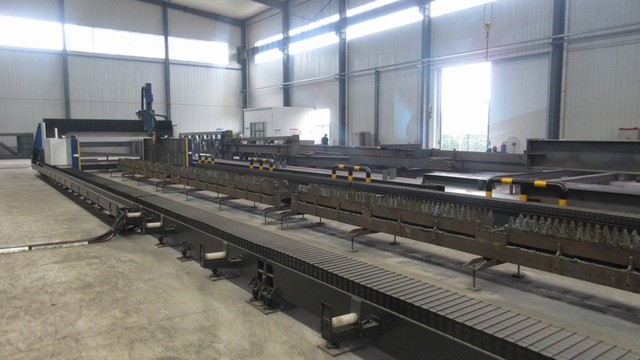
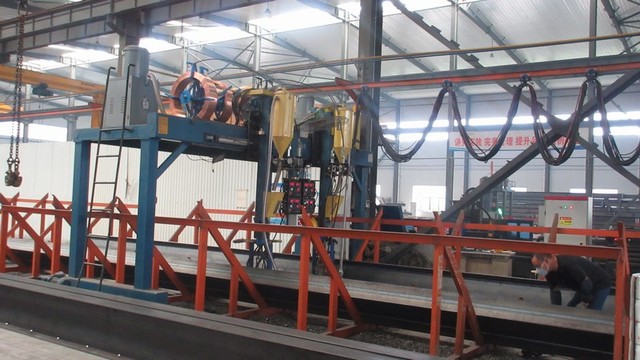
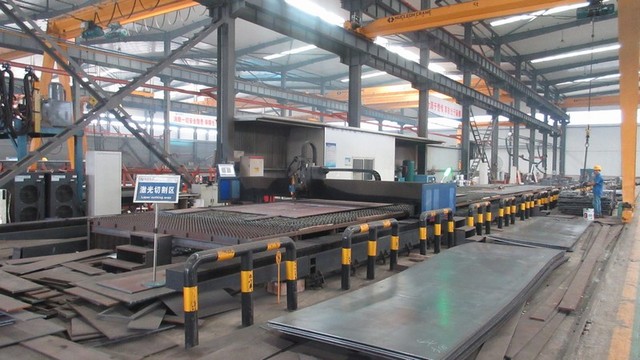
Our modern production facilities feature state-of-the-art automated continuous double-belt manufacturing lines, precision profiling equipment, and rigorous quality inspection units. Supported by a skilled team of structural and thermodynamic engineers, we offer one-stop services covering engineering consultation, structural wind-load design, thermal calculations, quality assurance, packaging, and international logistics coordination.
Innovation, quality, and environmental sustainability are the core values driving our growth. By utilizing advanced production technologies and premium raw materials, Jonas Build continuously enhances panel performance in thermal insulation, structural span capacity, fire resistance, and weather protection. Our panels assist developers in reducing onsite installation times, lowering lifelong operating energy costs, and securing LEED or BREEAM green building certifications.
The insulation panel industry is transitioning from passive thermal isolation to active building envelope intelligence. To comply with the European Union's Zero-Emission Buildings (ZEB) mandate, Jonas Build is developing and deploying several technology roadmaps for upcoming project configurations:
Explore our highly specialized solutions, including polyurethane composite panels, high-load concrete cores, and decorative metal roof applications.
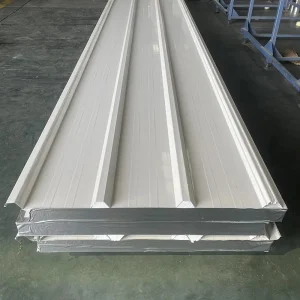
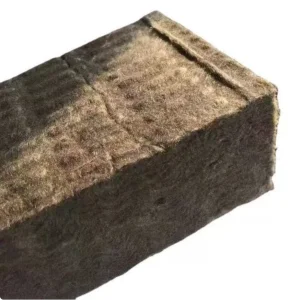
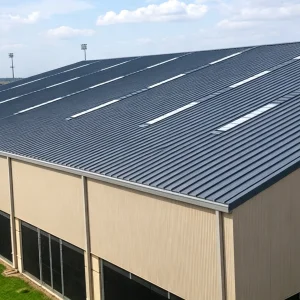
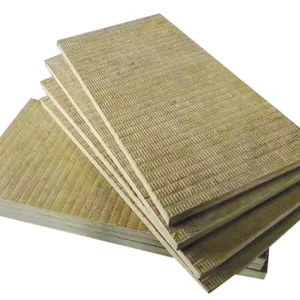
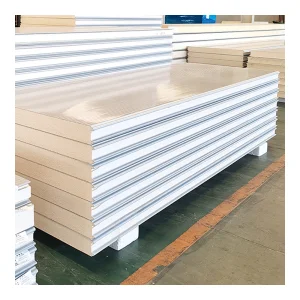
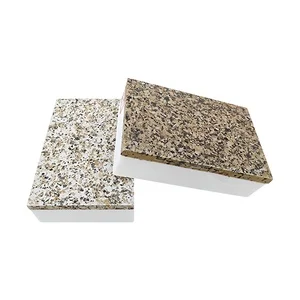
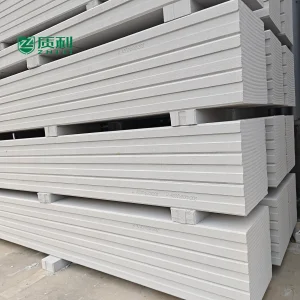
Our solutions target specific thermal, physical, and acoustic engineering challenges on-site:
Traditional structural purlins create thermal bypasses. By employing interlocking male-female joints with integrated elastomeric sealing tapes, our panels establish a continuous insulation barrier, which dramatically reduces condensation risk along Slovak industrial structures during freeze-thaw cycles.
By Utilizing our Class A1 non-combustible mineral rock wool core panels, fire containment walls and roof zones can be built with load integrity ratings exceeding 120 minutes (REI 120). This provides critical escape margins and fulfills the strict safety guidelines of local Slovak municipal building offices.
Industrial machinery often generates high sound pressure levels. Our micro-perforated acoustic panels, combined with sound-absorbing rock wool, damp internal reverberation while simultaneously minimizing external noise transmission, complying with modern workspace safety guidelines.
Detailed technical answers for specifying engineers, structural planners, and procurement officers.
 Jonas Build