Jonas Build
Kuwait's Industrial Insulation Landscape: Overcoming Sub-Tropical Desert Extremes
In Kuwait, where summer ambient temperatures routinely surge beyond 50°C and surface radiation on metallic rooftops can exceed 75°C, structural thermal insulation is not merely a utility—it is a critical architectural imperative. The thermal envelope acts as the primary barrier preventing heavy mechanical solar transmission into industrial warehouses, commercial complexes, and cold chain distribution hubs. Because energy consumption for HVAC systems accounts for up to 70% of peak electrical demands in Kuwait, structural compliance with local ministries is strictly regulated to prevent systemic grid strain.
Architects and engineering teams operating under Kuwait Vision 2035 and the regulations set forth by the Kuwait Ministry of Electricity and Water (MEW) face high-level criteria regarding thermal transmittance (U-value) parameters. To minimize energy consumption, the MEW mandates specific ceiling and roof U-values (commonly requiring U-values less than 0.056 Btu/h·ft²·°F or 0.318 W/m²·K). Procuring advanced composite sandwich panels that meet or exceed these values is crucial. Implementing non-continuous insulation or under-specified core densities creates heat bridges, leading to severe condensation, structural degradation, and high utility expenses.
Global Insulation Trends: Core Materials & Technical Matrix
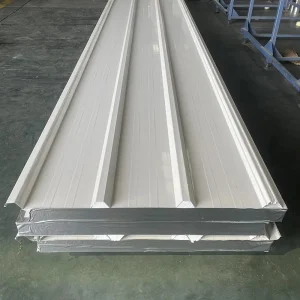
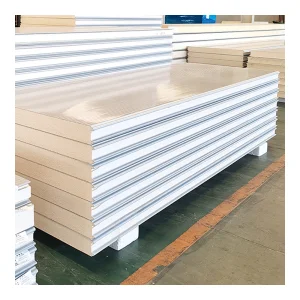
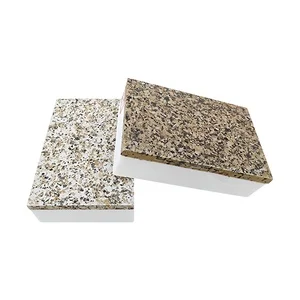
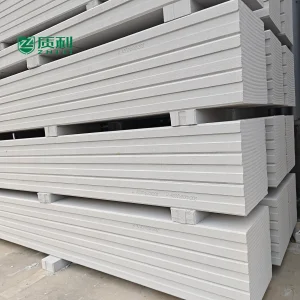
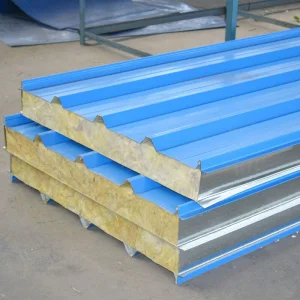
The global industrial building panel sector has shifted from simple single-sheet cladding systems toward advanced composite materials. Structural Insulated Panels (SIPs) and sandwich panels using Polyurethane (PU), Polyisocyanurate (PIR), Rock Wool, Glass Wool, and SEPS (Graphite Modified Polystyrene) now dominate the export landscape. The choice of core material is determined by balancing fire resistance requirements, load-bearing capability, and specific R-value (Thermal Resistance) targets.
| Core Material Type | Density Profile (kg/m³) | Thermal Conductivity (W/m·K) | Fire Behavior (EN 13501-1) | Recommended Application in Kuwait |
|---|---|---|---|---|
| Polyurethane (PIR) | 38 - 42 | 0.019 - 0.022 | Class B-s1, d0 | Cold storage centers & clean rooms |
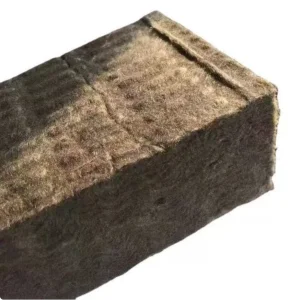
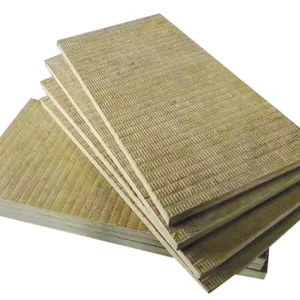
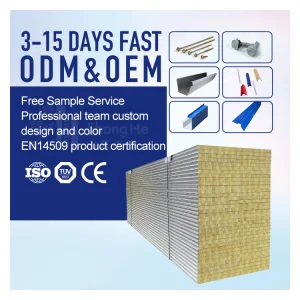
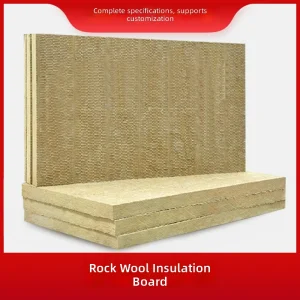
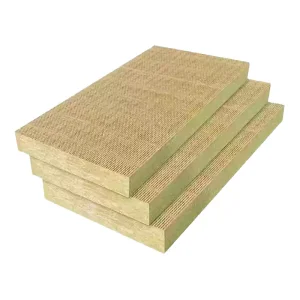
| Rock Wool (Stone Wool) | 100 - 120 | 0.035 - 0.040 | Class A1 (Non-combustible) | Refineries, power stations & fire-walls |
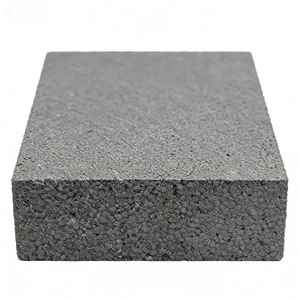
| SEPS (Graphite EPS) | 18 - 25 | 0.031 - 0.033 | Class B-s2, d0 | Modular housing & cost-effective roofs |
| Glass Wool | 60 - 80 | 0.034 - 0.038 | Class A2 | Commercial acoustics & manufacturing plants |
Technical Note: For coastal locations in Kuwait (such as Shuaiba or Fahaheel), marine air creates high levels of humidity combined with airborne salt. Premium sandwich panel suppliers utilize highly specialized steel skins (PVDF coating or anti-corrosive HPS coatings) to prevent premature corrosion on the exposed panel profile.
Supply Chain Efficiency: Why Sourcing from China Factory Makes Business Sense
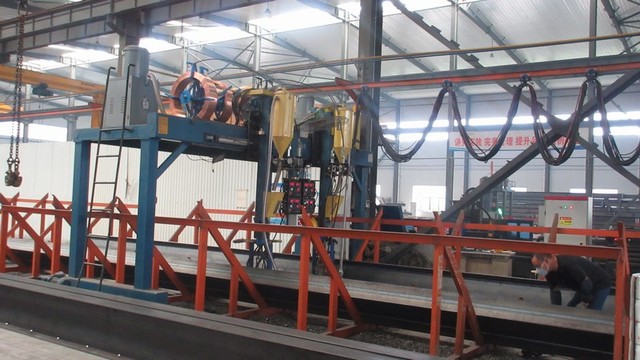
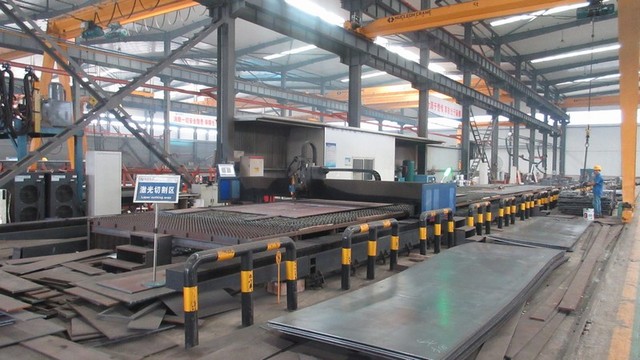
China's industrial panel manufacturing landscape features high levels of automation, raw material integration, and logistical efficiency. Factories utilize continuous double-belt laminating machines that run up to 15 meters per minute, ensuring perfect core density distribution and adhesive application. This process prevents delamination, a common defect in low-grade batch-pressed panels.
Ningbo Jonas Build Co., Ltd. stands out in this market as a supplier of insulated building panel systems. By sourcing steel coils directly from major mills and managing high-volume polyol/isocyanate compounds, they deliver quality materials while keeping production cost-efficient.
For Kuwaiti buyers, working with Ningbo Jonas Build simplifies shipping routes from Ningbo Port to Shuwaikh Port. The panels are carefully loaded using specialized wooden frames, heat-shrink wrapping, and steel banding, ensuring they arrive undamaged and ready for installation.
Application Scenarios in Kuwait's Mega Projects
Insulated roofing panels are essential components for key structural projects throughout Kuwait:
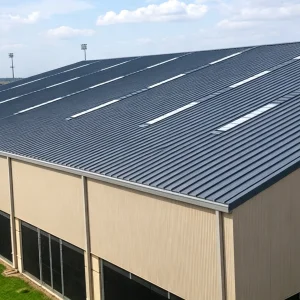
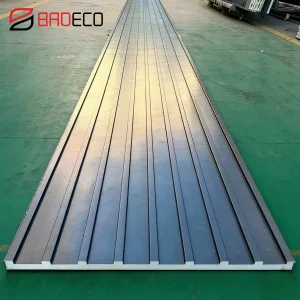
- Logistics Parks & Dry Storage Hubs: Sulaibiya and Jahra require large open-span storage hubs. High-strength trapezoidal PIR roof panels offer both structural load capacity (reducing the need for heavy secondary steel structures) and excellent thermal performance.
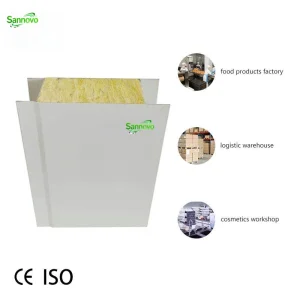
- Petrochemical & Refining Support Complexes: Facilities in Mina Al-Ahmadi require non-combustible building materials. Rock Wool core sandwich panels provide up to 240 minutes of fire integrity, keeping auxiliary offices and equipment shelters safe from thermal threats.
- Retail Centers and Commercial Malls: Shopping plazas use insulated aluminum soffits and custom sandwich panels to combine clean, modern design with efficient thermal performance.