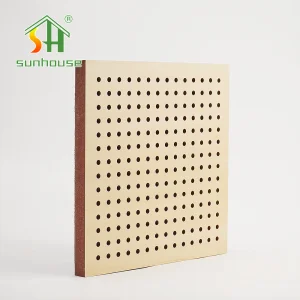
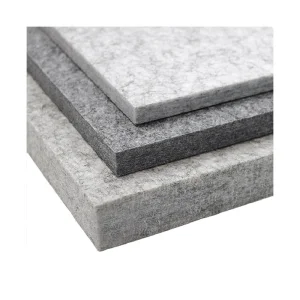
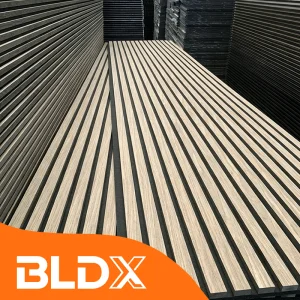
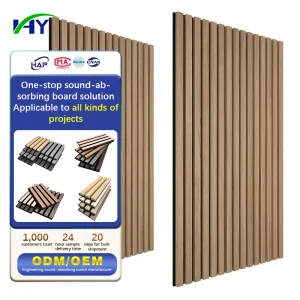
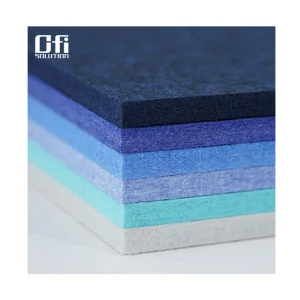
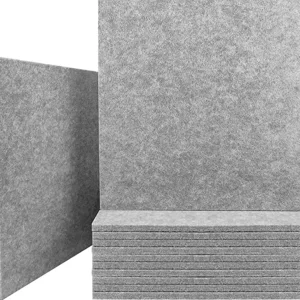
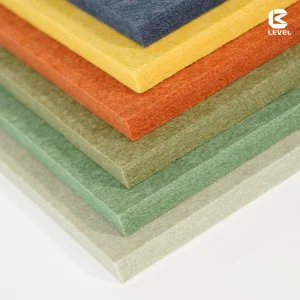
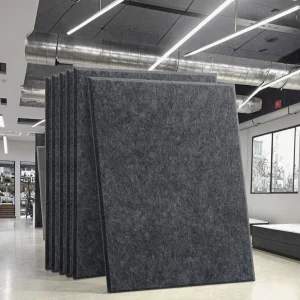
ISOKING High Density Sound Blocking Panels for Walls & Ceilings | Noise Reduction Boards for Home & Studio Acoustic Treatment

Product Description

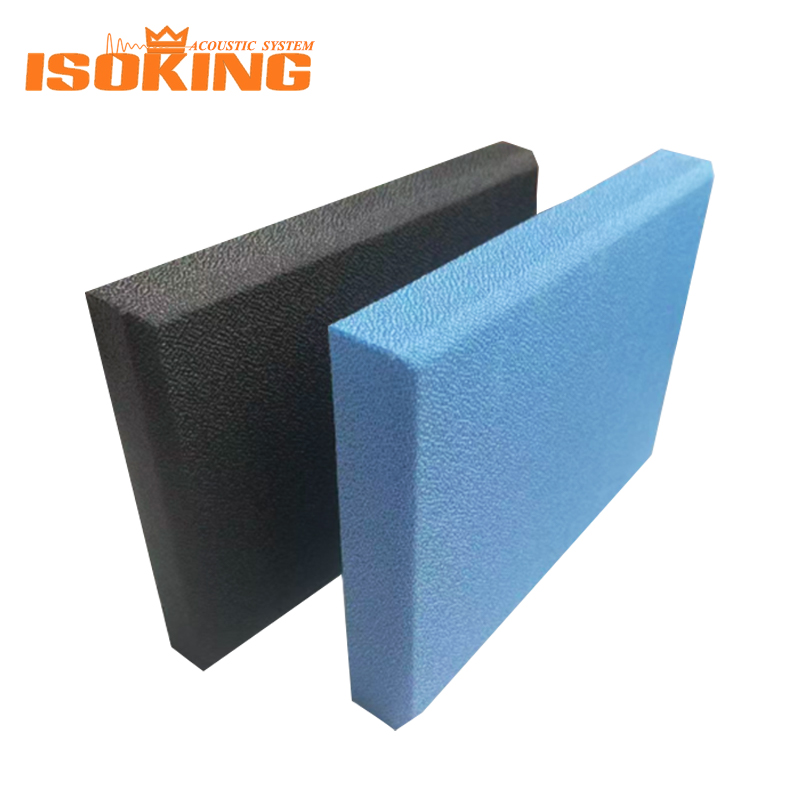
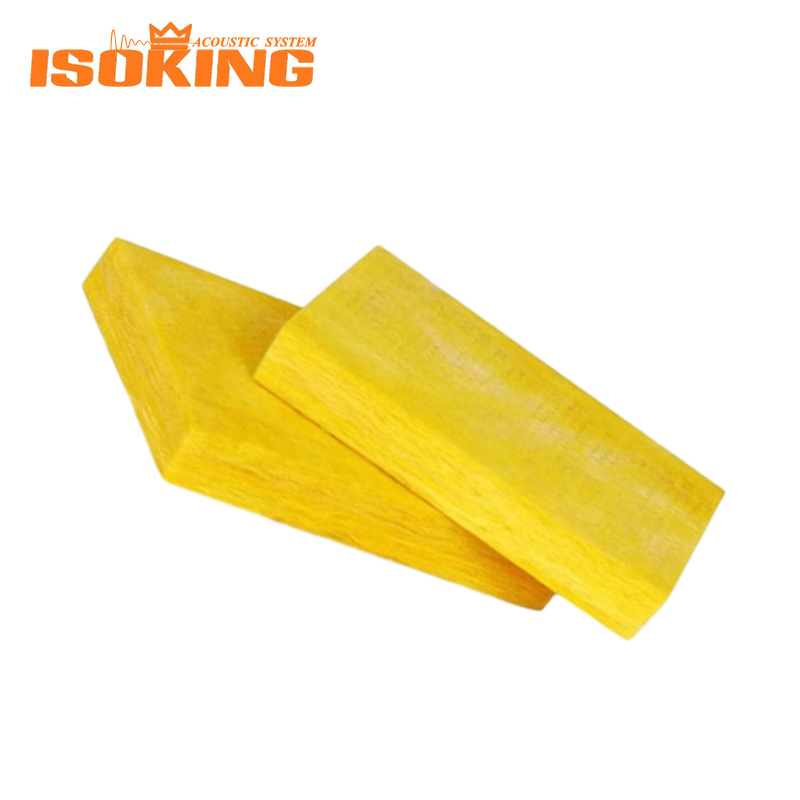
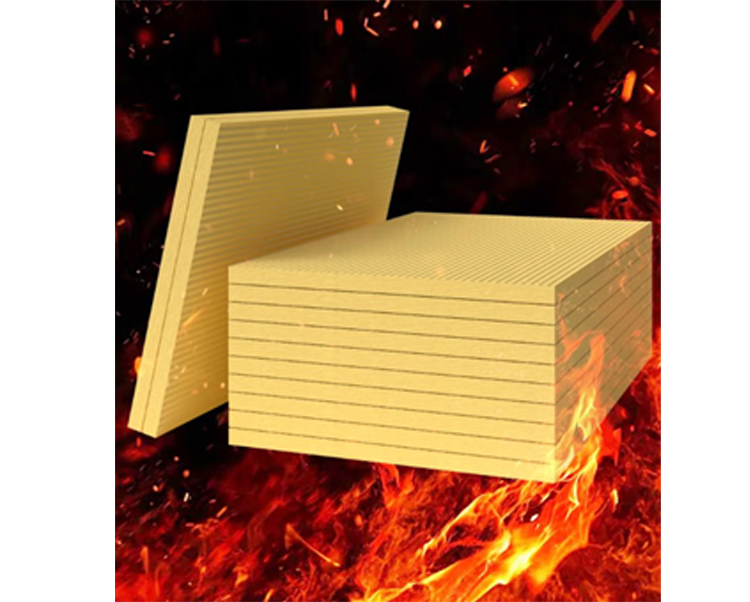
Glass Wool Panel Showcase
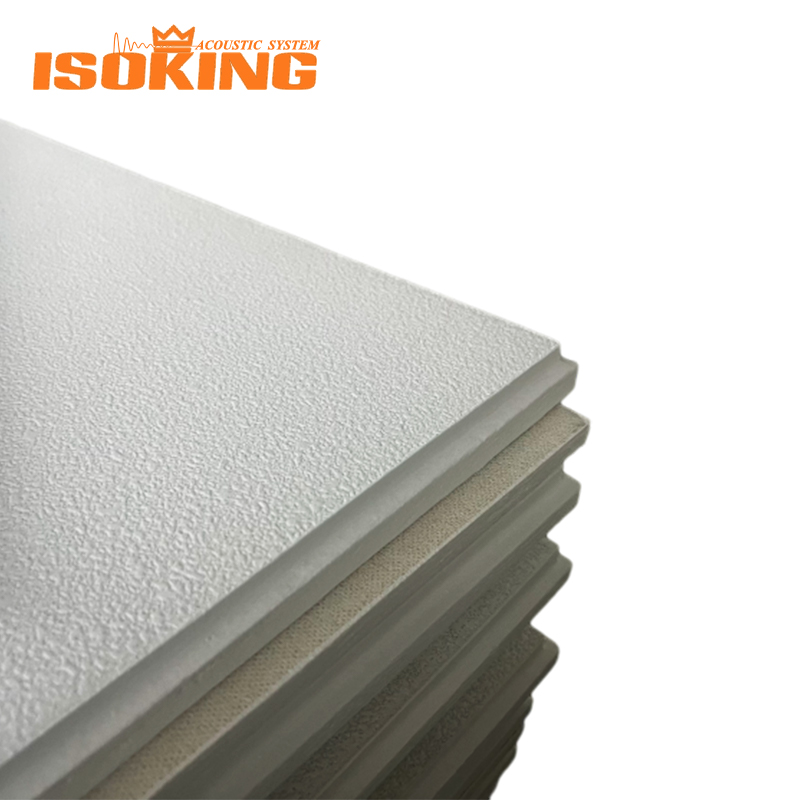
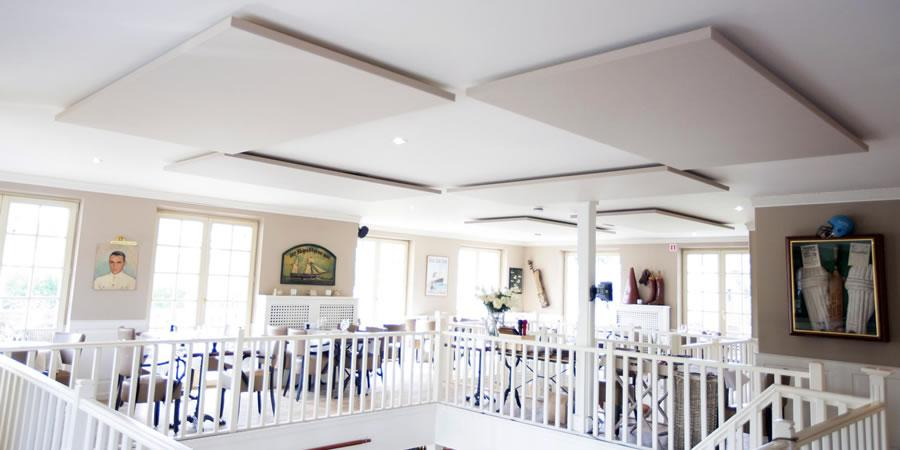
Acoustic Ceiling Panels

Technical Parameters

Parameter Specifications
Material Torrefaction Compounded High Density Fiberglass Wool
Face Special painted laminated with decorative fiberglass tissue
Color White spray/white paint/black spray/colorful as demanded
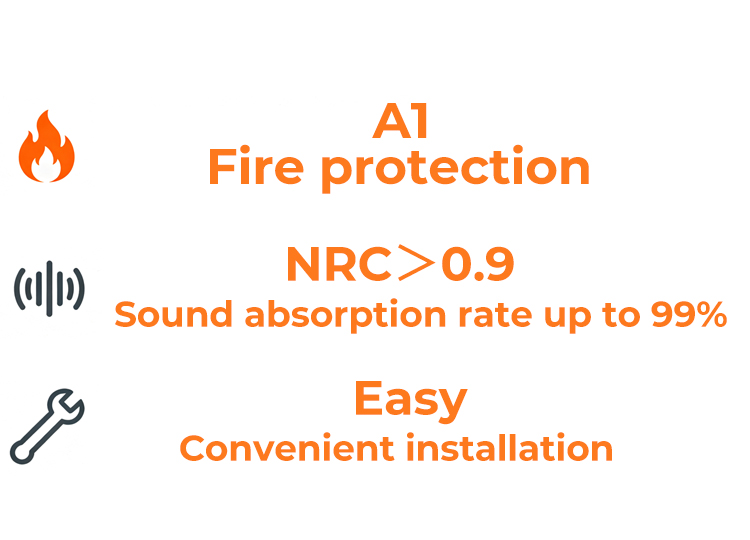
Fire-resistant Class A (EN13501-1-2007+A1:2009)
NRC 0.8-0.9 (ENISO354:2003 ENISO11654:1997)
Thermal-resistant ≥ 0.4 (m².k/W)
Humidity Dimensionally stable with RH up to 95% at 40°C. No sagging, wrapping or delaminating
Moisture rate ≤ 1%
Environmental impact Tiles and packing are fully recyclable
Safety Limit of radionuclides in building material
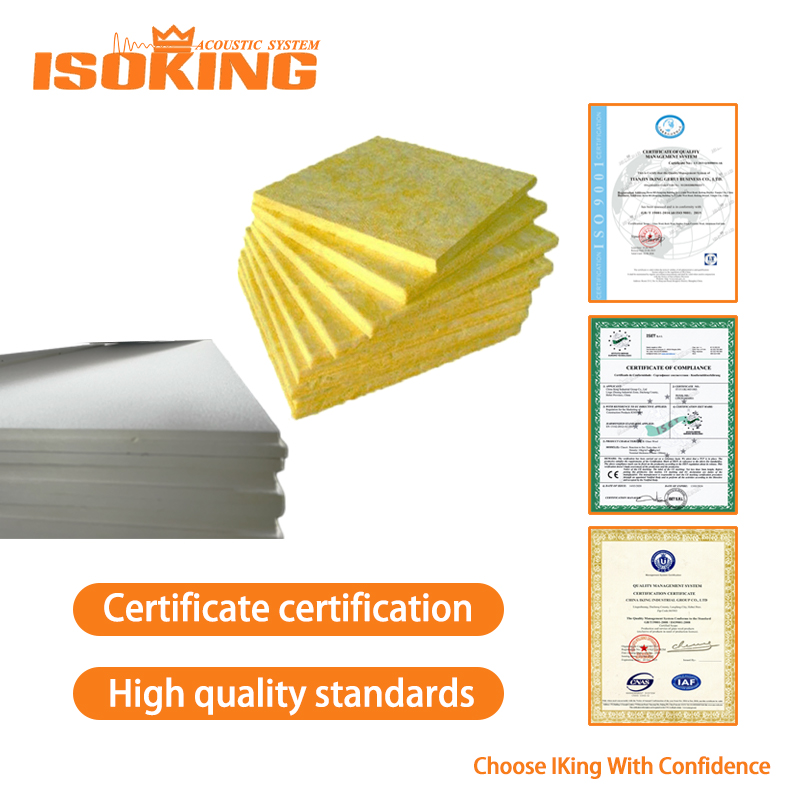
Certificates SGS, ISO9001:2008, CE, KFI
Normal size 600x600mm / 600x1200mm (Other sizes: Width ≤ 1200mm, length ≤ 2700mm)
Normal density 100kgs/m³, special density can be supplied
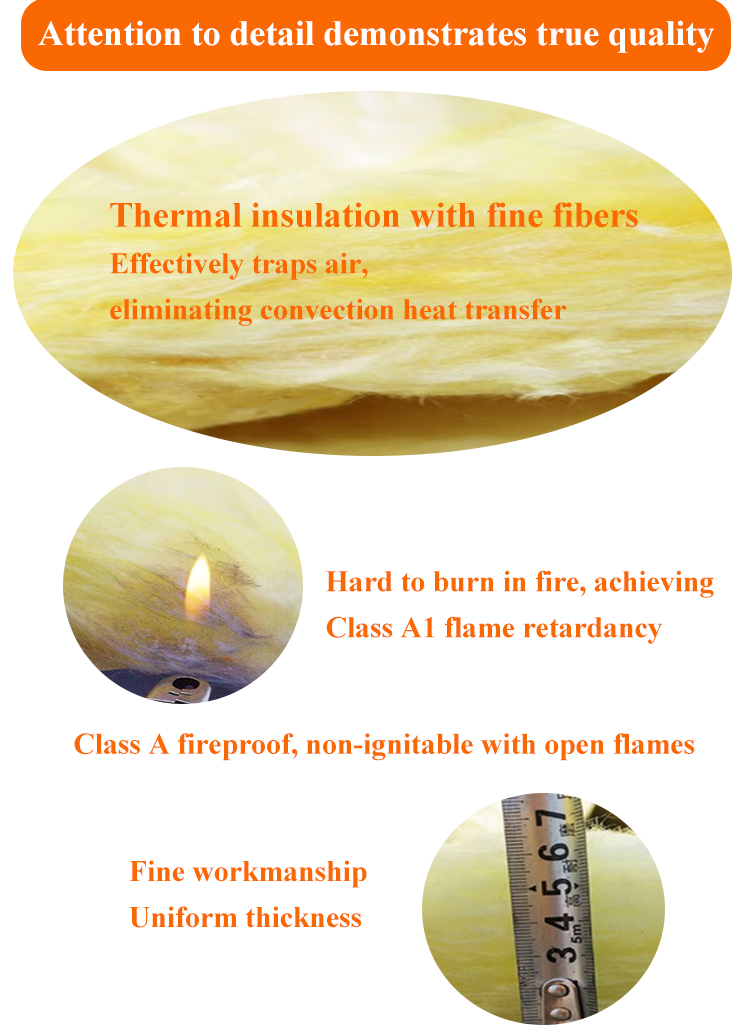
Main characteristic Excellent sound insulation, non-combustible, no sagging or delaminating, green building material
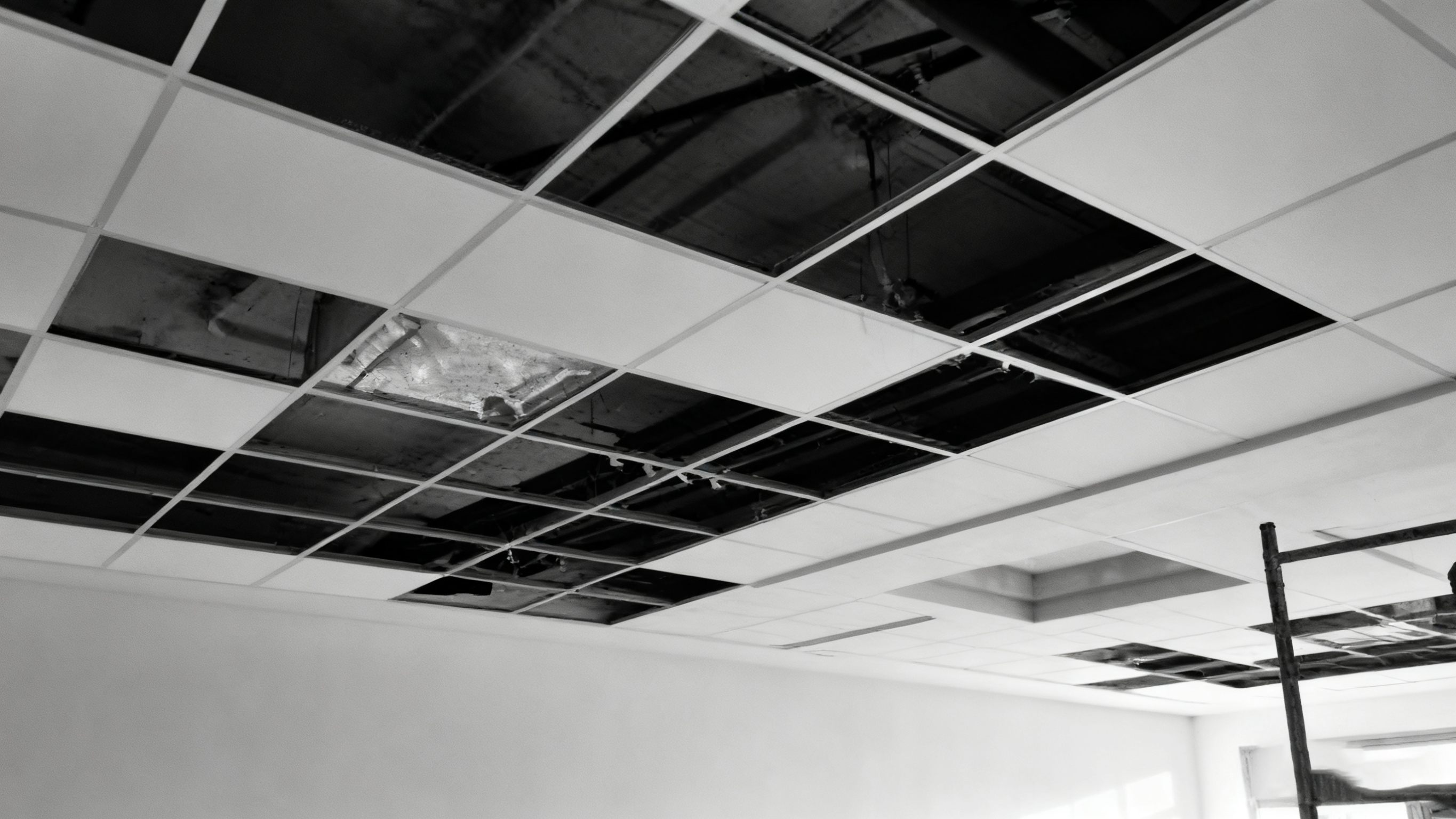
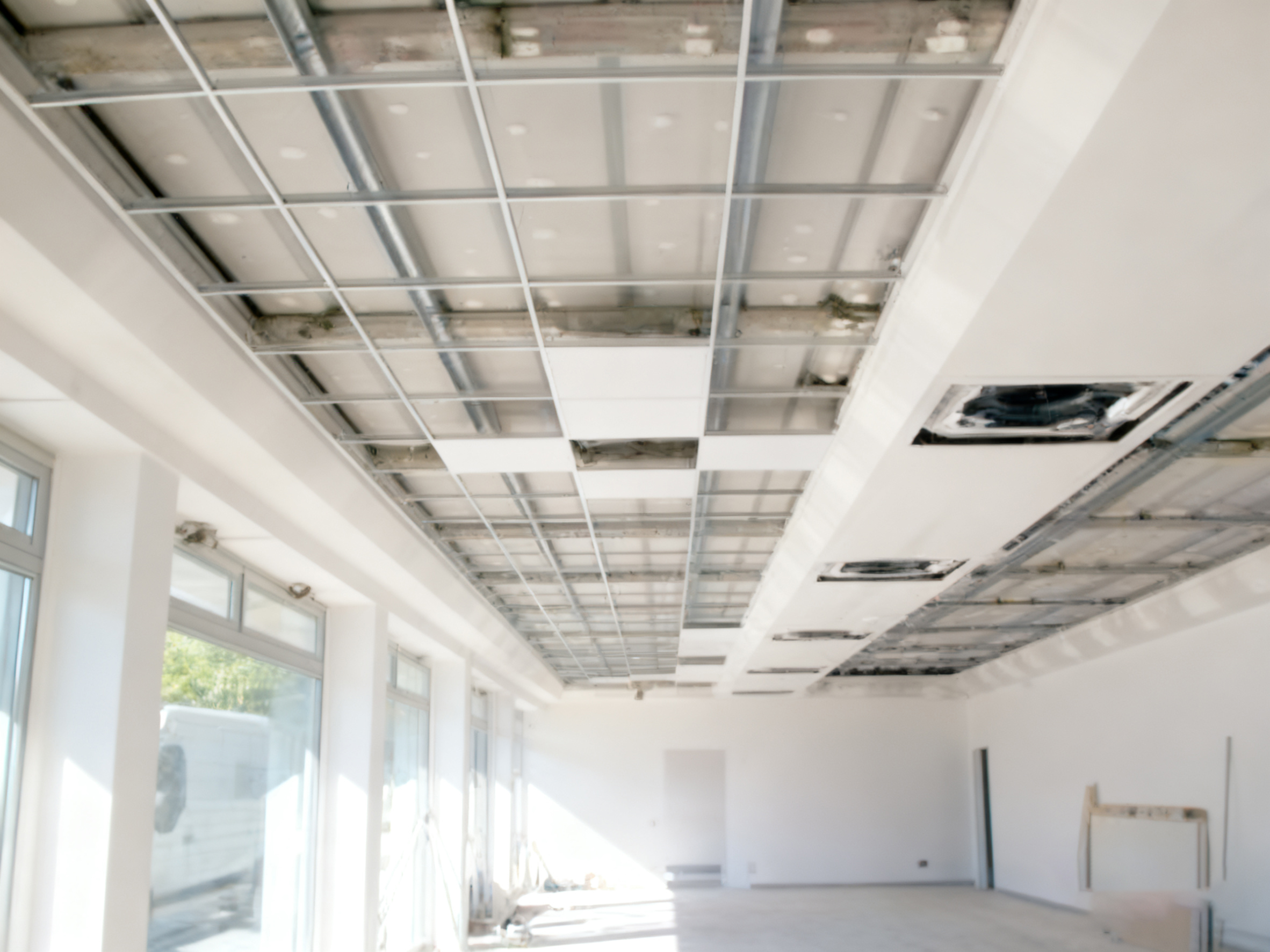
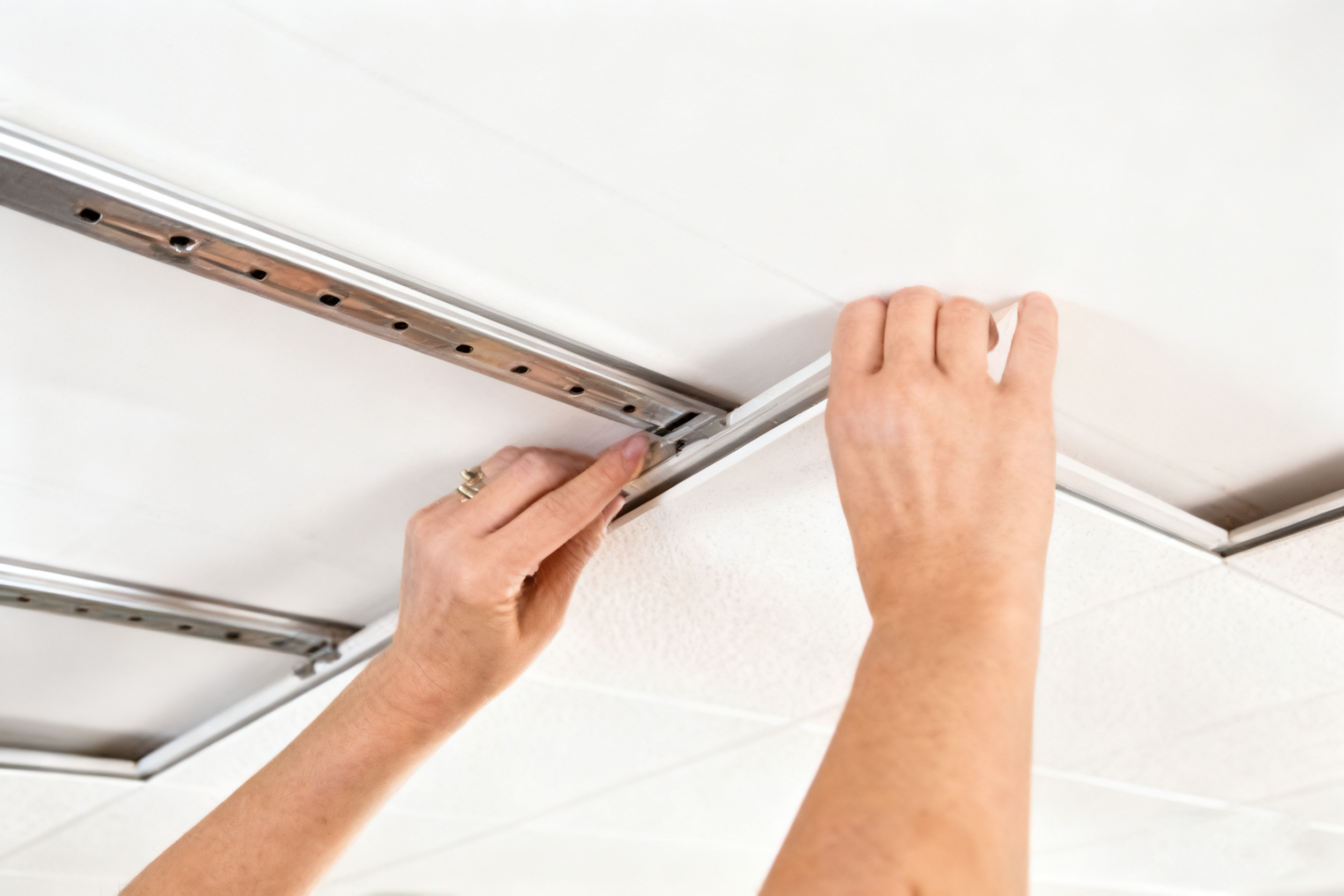
Acoustic Ceiling Panels Installation
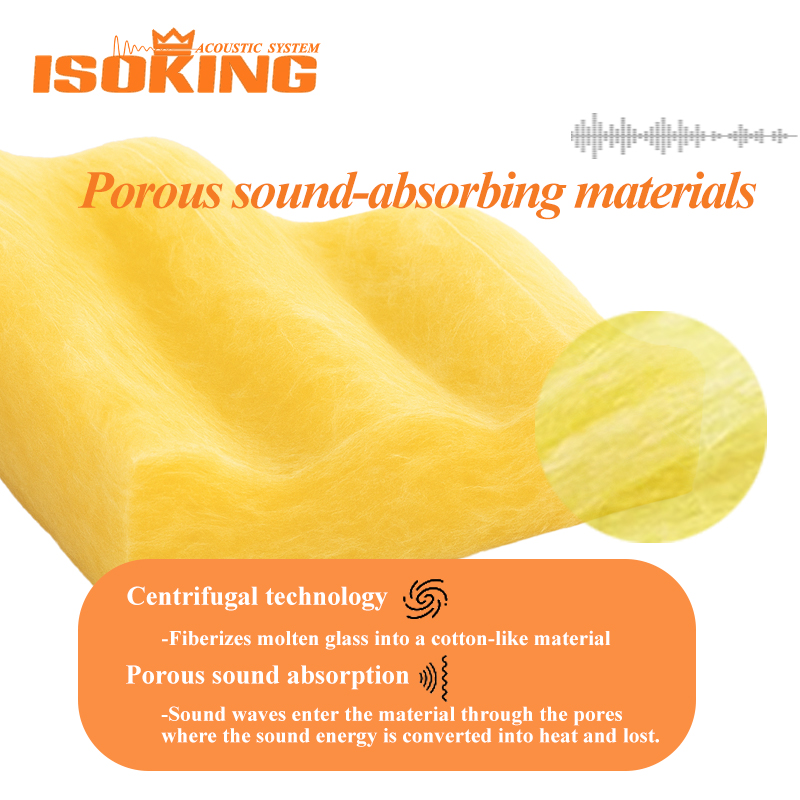
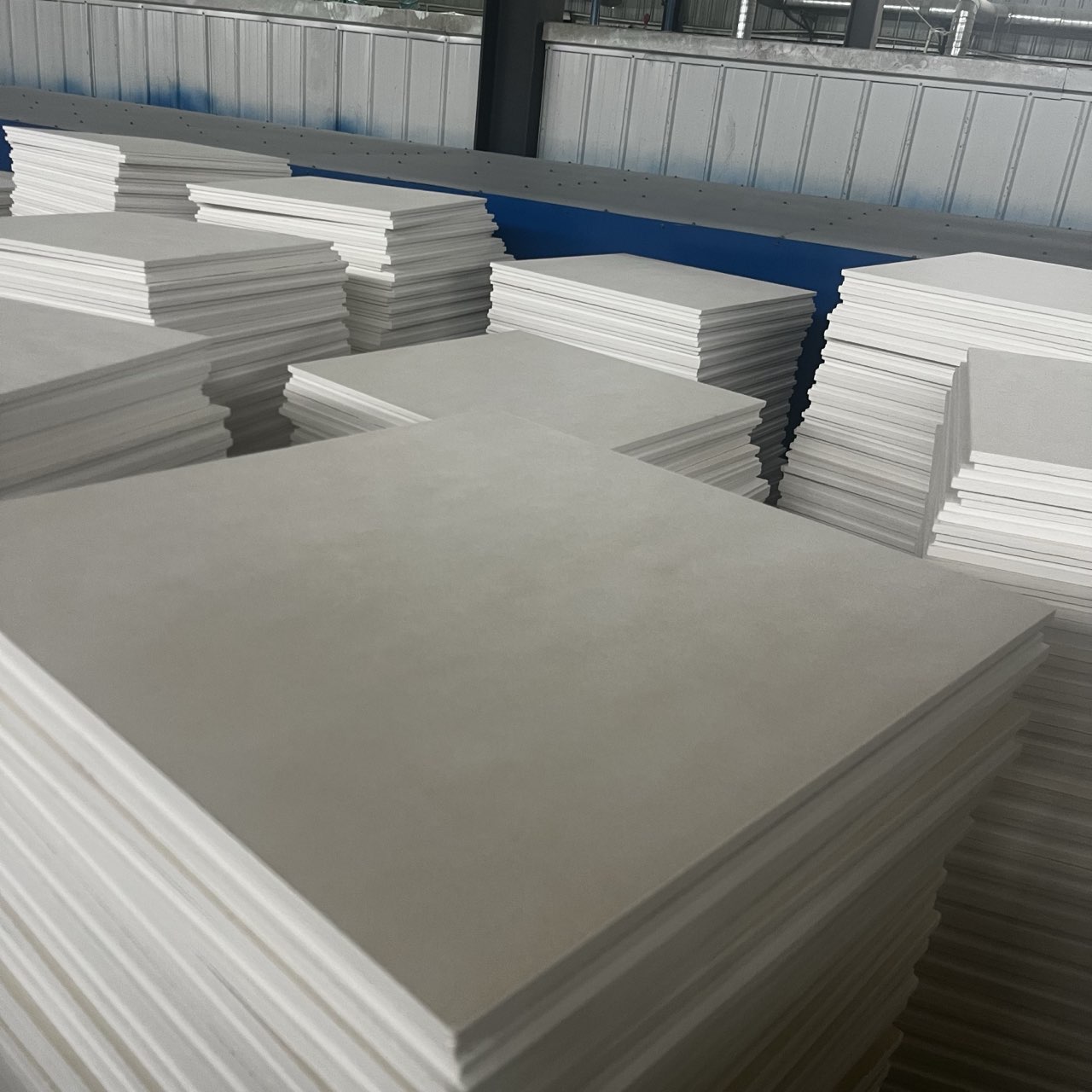
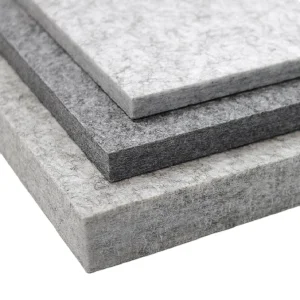
Glass Wool Close-up

Acoustic Performance

Frequency (Hz) Sound Absorption Coefficient (αs)
1000.635
1250.592
1600.678
2000.798
2500.761
3150.896
4000.794
5000.783
6300.869
8000.936
10000.963
12500.998
16001.018
20000.998
25001.050
31501.032
40001.041
50001.095
NRC (Noise Reduction Coefficient) 0.90
Acoustic Performance Diagram
Acoustic Testing Material
Sound absorption testing room
Finished Ceiling System

Why Choose Glass Wool Panels

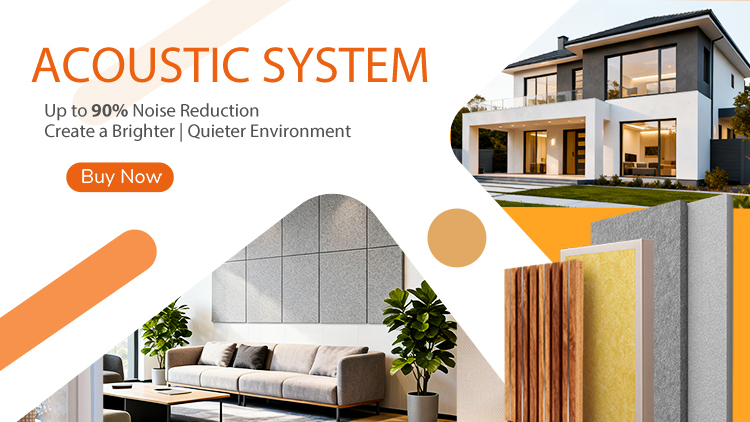
Excellent Sound Absorption – NRC up to 0.9, reducing echo and reverberation.
Fire-Resistant & Safe – Non-combustible material meeting international fire standards.
Lightweight & Easy to Install – Suitable for ceilings, wall systems, and modular partitions.
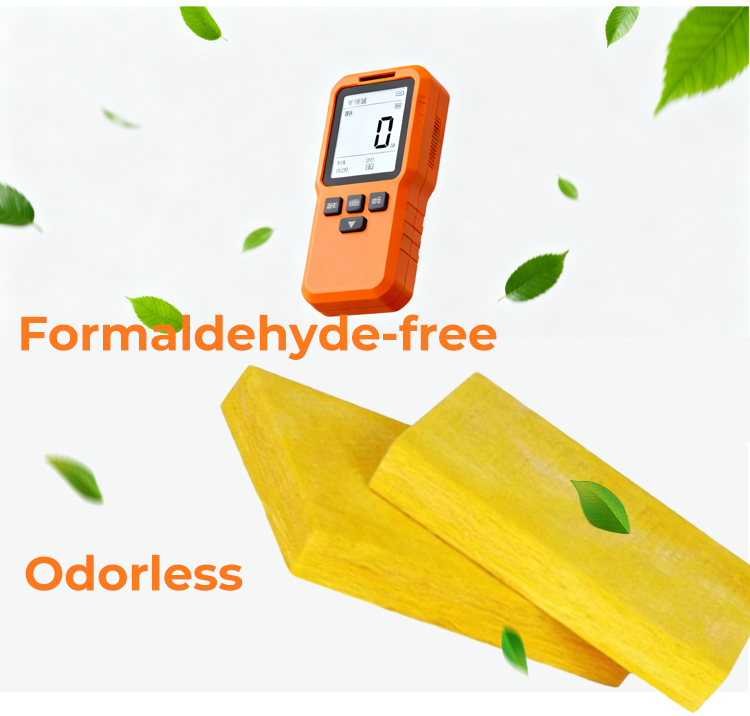
Eco-Friendly & Recyclable – Made from natural glass fibers and environmentally friendly binders.
Installed Glass Wool Ceiling
Installation process image

Installation Advantages

Glasswool ceilings offer significant advantages and benefits in installation due to their material properties and system features. To ensure effective installation, ceiling installation must meet basic requirements, and Glasswool ceilings are no exception.
Lightweight Property
Lightweight
The product's light weight reduces labor intensity for installers and protects them from injury. It allows for faster installation and enables the use of lifts for high-rise installations, significantly reducing contractor costs.
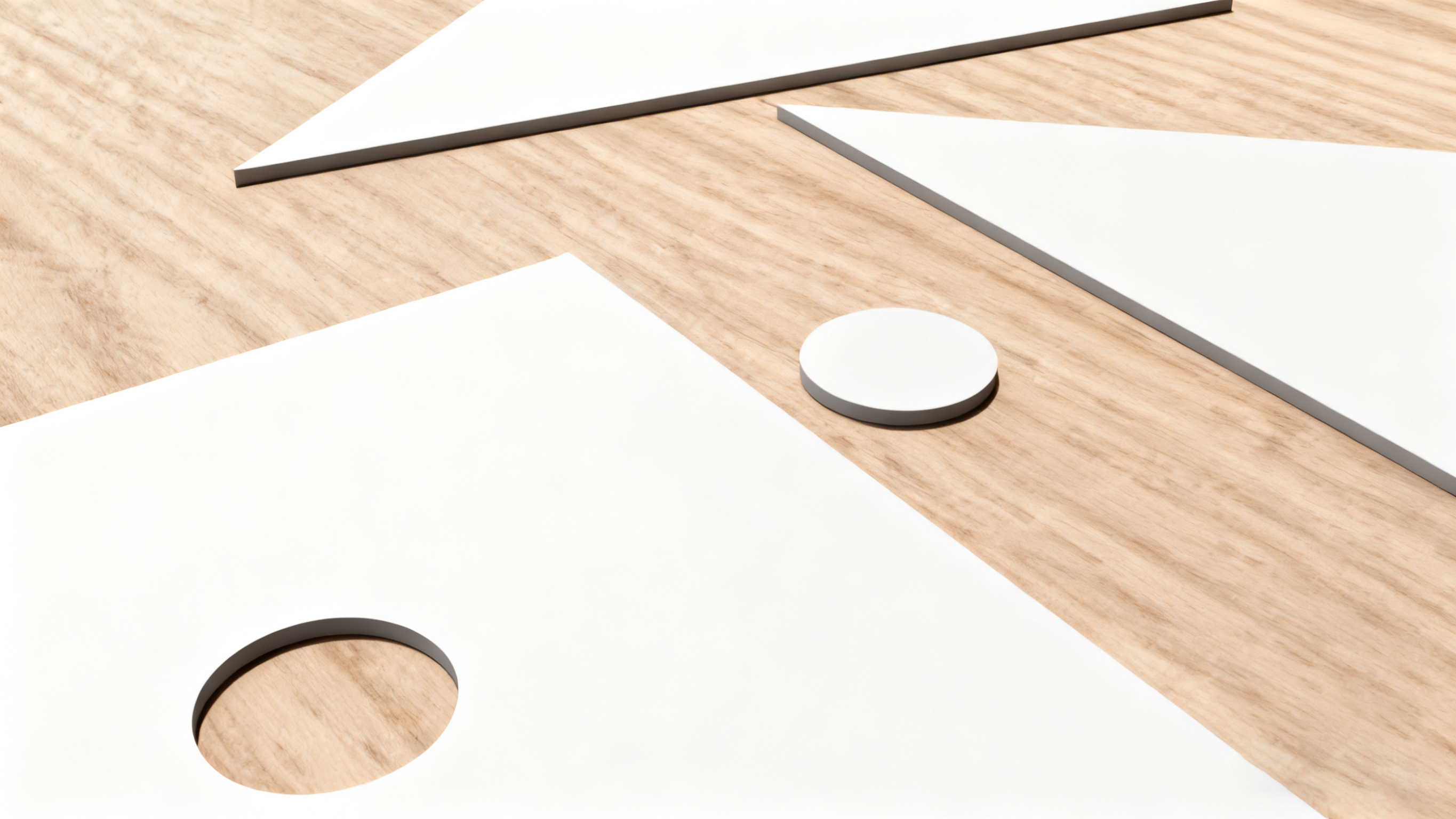
Easy to Cut Property
Easy to Cut
The fiber-like texture of glasswool ceilings can be easily cut with a standard utility knife. Cutting does not generate dust, promoting a clean construction environment, and enabling precise cutting to minimize waste.
Construction Environment Property
Construction Environment
Glass wool ceilings can be installed even when the building is not fully enclosed or the HVAC system is not commissioned, keeping project schedules on track and guaranteeing installation quality in less-than-ideal conditions.
Detailed ceiling pattern
Ceiling tile sample 1
Ceiling tile sample 2
Ceiling tile sample 3
Installation layout drawing
Acoustic board dimensions
Ceiling clip system diagram
Grid layout design

Application Fields of Glass Wool Acoustic Panels

Glass wool acoustic panels are widely used in both commercial and industrial buildings where sound control, thermal insulation, and fire safety are essential. Their lightweight and flexible nature makes them an ideal solution for various architectural and acoustic applications.

1. Commercial Buildings
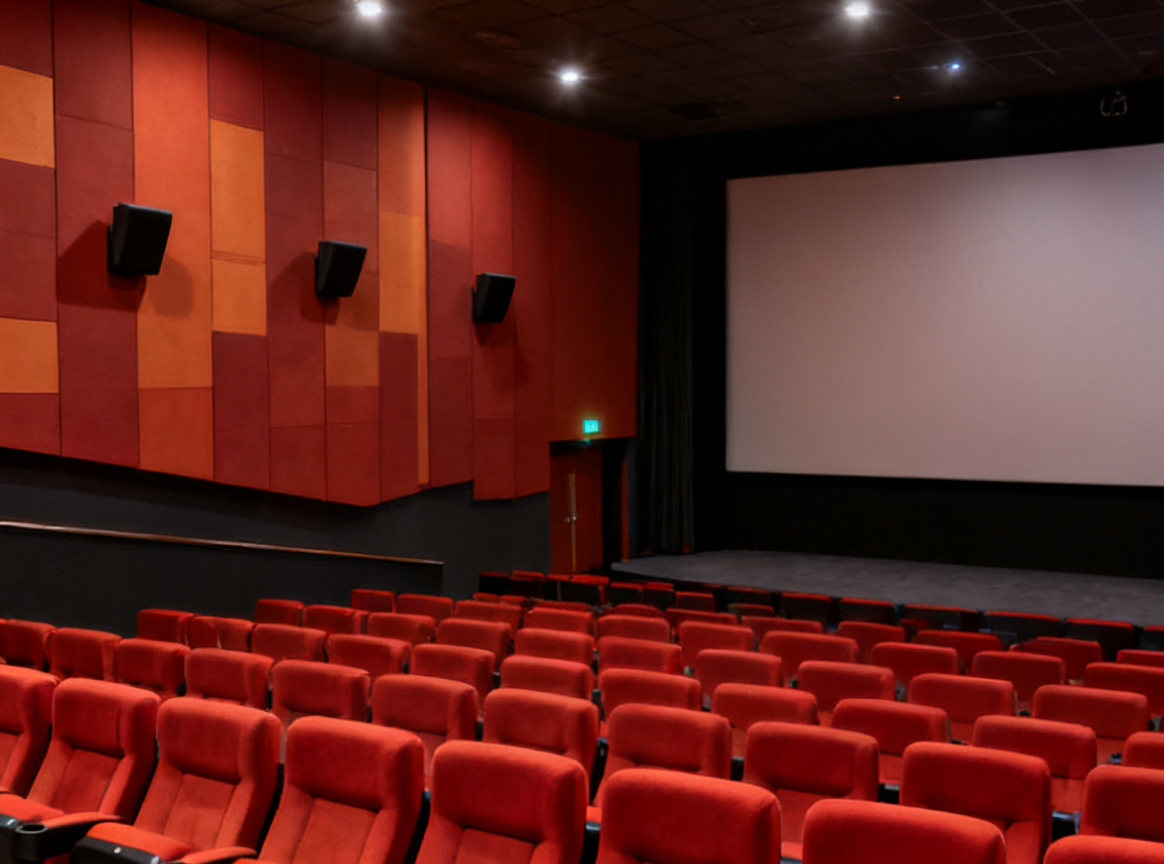
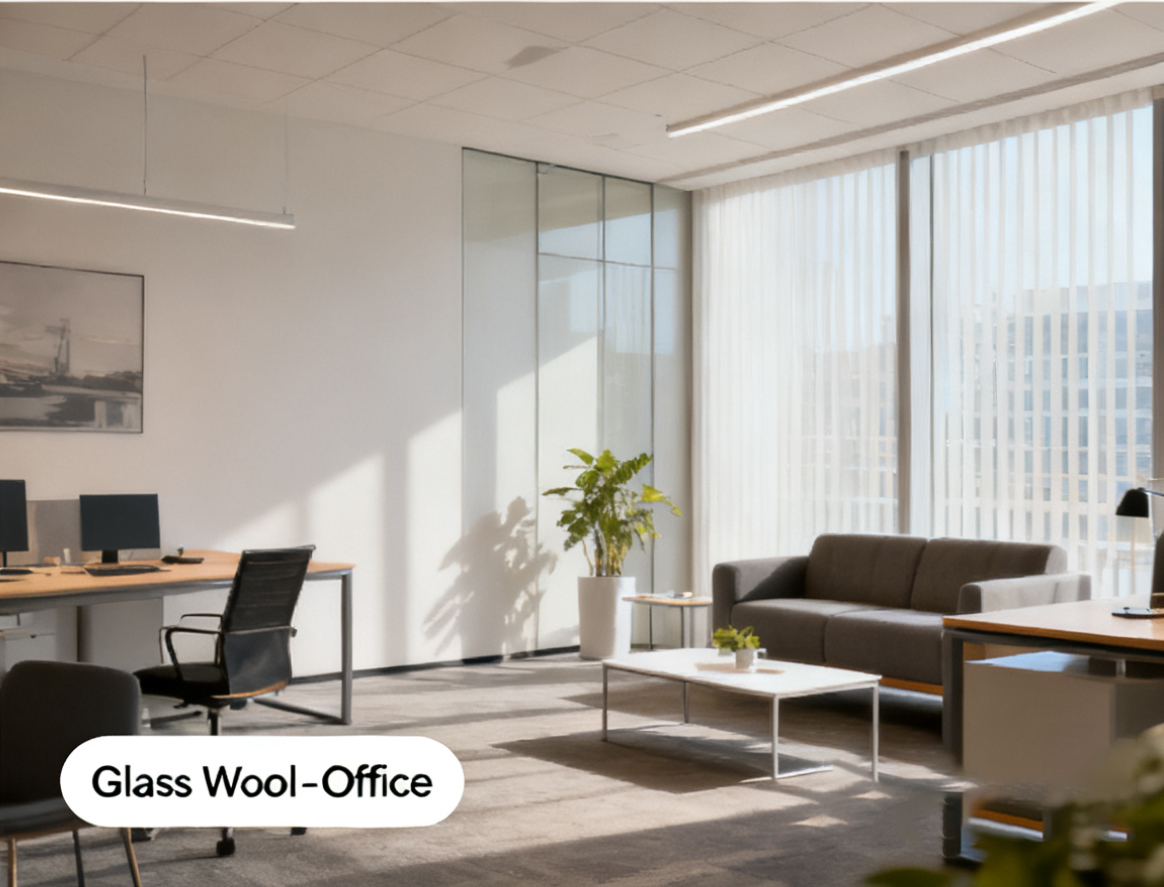
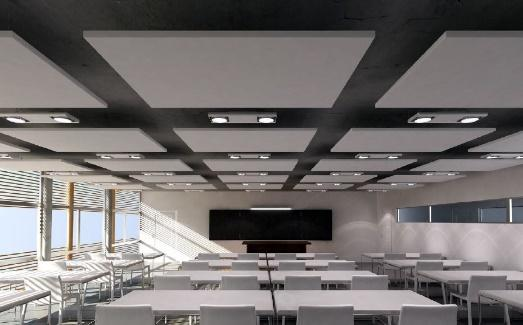
Perfect for offices, conference rooms, theaters, shopping malls, and airports where echo and noise reduction are required. Glass wool panels effectively absorb mid to high-frequency noise, creating a comfortable and quiet working environment.
2. Residential Applications
Commonly used in apartment walls, ceilings, and home studios to enhance acoustic comfort and prevent sound transmission between rooms.
3. Industrial Facilities
Applied in factories, power plants, and mechanical rooms to reduce noise generated by heavy machinery and improve workplace safety. The non-combustible nature of glass wool also ensures excellent fire protection.
4. Educational and Public Spaces
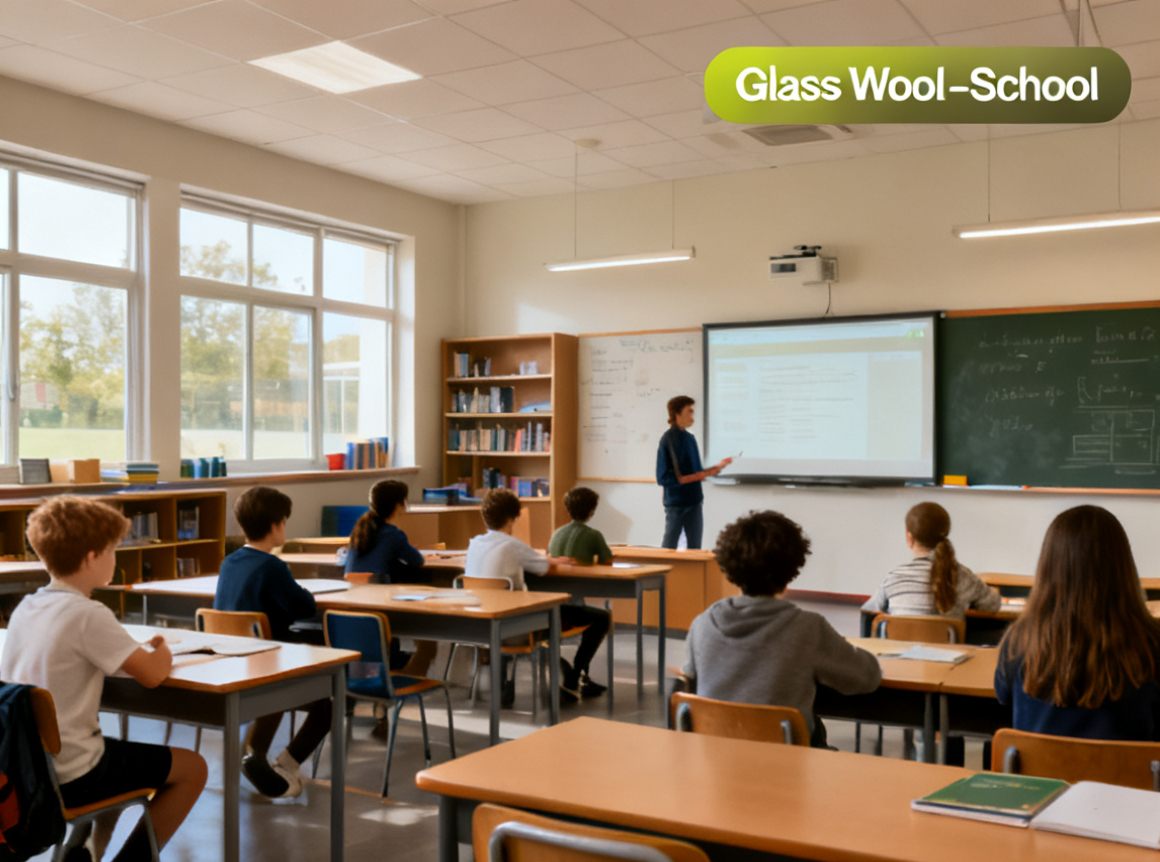
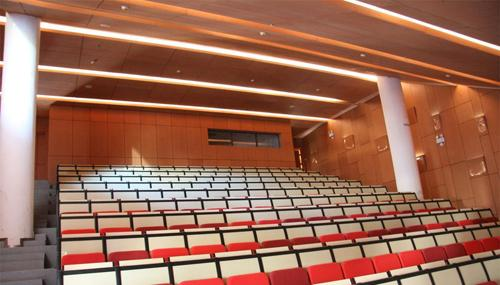
Ideal for schools, libraries, museums, and auditoriums where speech clarity and quiet environments are crucial.
5. HVAC and Transportation
Used as insulation in air-conditioning ducts, pipelines, and transport vehicles to control noise and heat transfer efficiently.
Industrial application showcase
Commercial ceiling layout
Exhibition hall ceiling
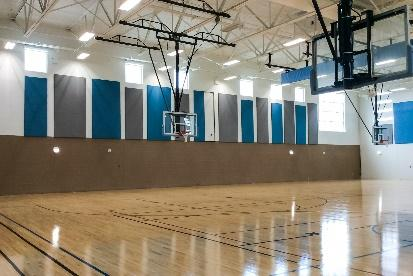
Gymnasium ceiling installation
Auditorium wall acoustic treatment
Office lobby finished ceiling

Loading Details

Size (mm) Thickness (mm) Packing (PCS/CTN) Loading Quantity (40'HQ)
600*600 12 25 13300PCS / 532CTNS / 4788SQM
600*1200 6650PCS / 266CTNS / 4788SQM
600*600 15 20 10640PCS / 532CTNS / 3830.4SQM
600*1200 5320PCS / 266CTNS / 3830.4SQM
600*600 20 15 7980PCS / 532CTNS / 2872.8SQM
600*1200 3990PCS / 266CTNS / 2872.8SQM
600*600 25 12 6384PCS / 532CTNS / 2298.24SQM
600*1200 3192PCS / 266CTNS / 2298.24SQM
Packing process illustration
Container loading pattern
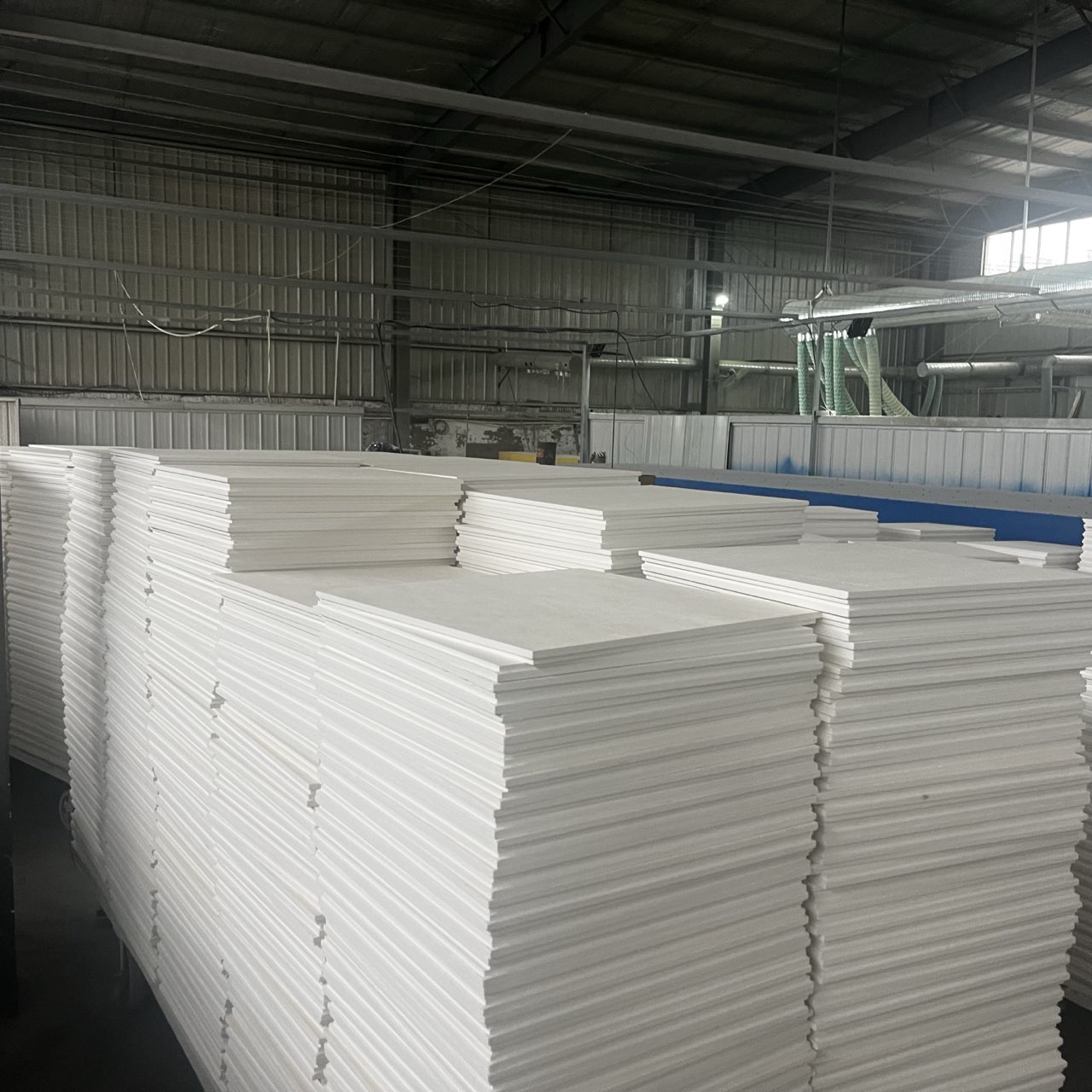
Finished shipment ready

Frequently Asked Questions

Q1. What are the advantages of glass wool acoustic panels?
They offer high sound absorption (NRC up to 0.9), non-combustible and fire-resistant performance, easy installation, excellent thermal insulation, and are eco-friendly and recyclable.
Q2. Where can they be used?
Glass wool acoustic panels are ideal for offices, conference rooms, cinemas, residential ceilings and walls, factories, schools, studios, and HVAC systems. They are widely used in both commercial and industrial noise control projects.
Q3. What is the difference between glass wool and rock wool panels?
Glass wool has a lower density and provides better sound absorption, making it perfect for indoor acoustic applications. Rock wool, with its higher density, delivers stronger fire resistance and sound insulation, making it suitable for exterior or industrial use.
Q4. Are glass wool panels safe and environmentally friendly?
Yes. They are made from natural glass fibers and formaldehyde-free binders. The material is non-toxic, odorless, and recyclable, ensuring a healthy indoor environment.
Q5. How are glass wool acoustic panels installed?
They can be easily cut to size and fixed into ceilings or wall systems using clips, adhesives, or mechanical fasteners. Due to their lightweight design, installation is quick, clean, and requires no special tools.
Q6. Do glass wool panels provide both acoustic and thermal insulation?
Yes. They offer dual performance — improving acoustic comfort while reducing heat transfer to maintain a stable indoor temperature.

Related Products