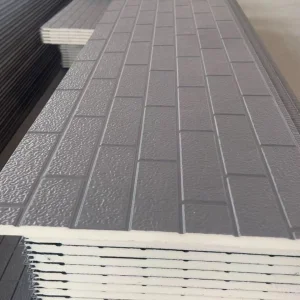
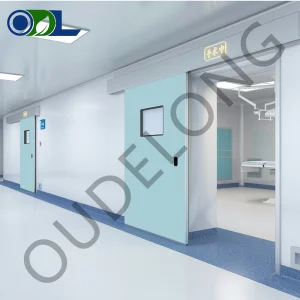
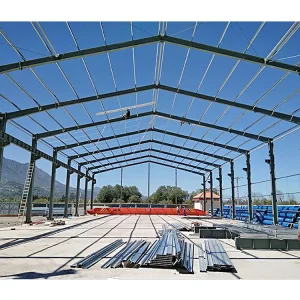
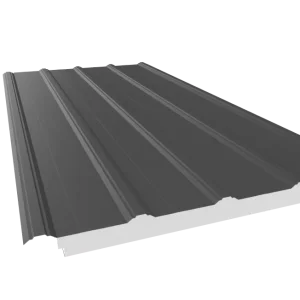
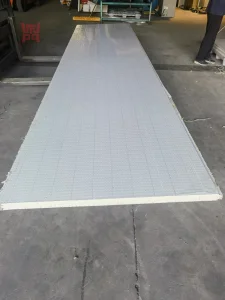
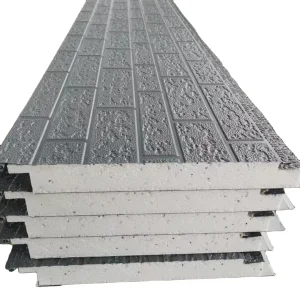
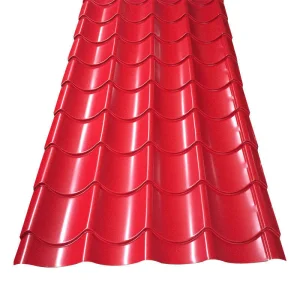
Select premium insulation and sound attenuation panel configurations designed for global high-spec commercial, cleanroom, and warehouse infrastructure.
Ningbo Jonas Build Co., Ltd. is a professional China industrial construction panel manufacturer specializing in insulated building panel solutions for global industrial and commercial construction projects. With extensive industry experience and advanced manufacturing capabilities, the company is committed to delivering high-quality, energy-efficient, and customized panel systems that meet the diverse requirements of customers worldwide.
The company provides a comprehensive range of products, including insulated sandwich panels, industrial wall panels, roofing panels, cold room panels, cleanroom panels, fire-rated panels, and customized building envelope solutions. Designed for superior thermal performance, structural reliability, and rapid installation, these products are widely used in industrial plants, warehouses, logistics centers, cold storage facilities, commercial buildings, modular construction projects, and infrastructure developments.
"By utilizing advanced production technologies and premium raw materials, Jonas Build continuously enhances product performance in thermal insulation, fire resistance, weather protection, and energy efficiency."
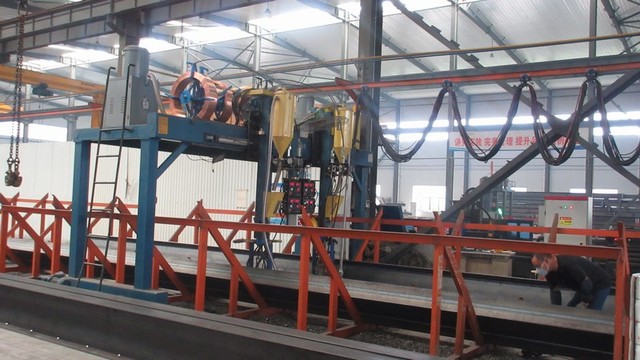
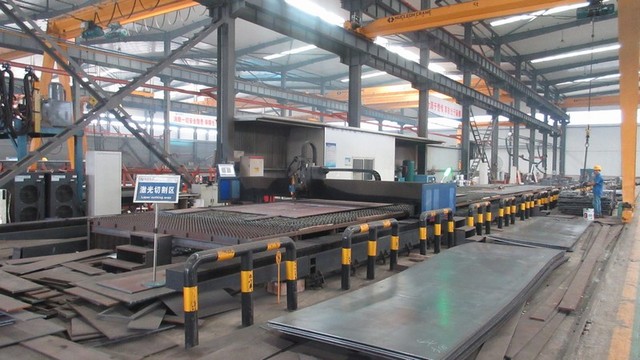
Ningbo Jonas Build Co., Ltd. operates modern production facilities equipped with advanced automated manufacturing lines, precision processing equipment, and strict quality inspection systems. Supported by a skilled team of engineers and technical specialists, the company offers one-stop services covering project consultation, product design, manufacturing, quality assurance, packaging, and international logistics coordination.
Innovation, quality, and sustainability are the core values driving the company's development. Our custom panel solutions help builders reduce construction time, lower operating costs, and improve overall building performance. With certified systems serving Asia, Europe, the Middle East, Africa, and the Americas, Jonas Build remains dedicated to creating long-term value for customers worldwide.
Understanding Sound Transmission Class (STC) and Noise Reduction Coefficients (NRC) in industrial and commercial panel application environments.
Acoustic insulation is not merely a barrier but a complex structural system that addresses two primary types of sound energy transfer: airborne sound and structure-borne noise. Airborne sound, such as voices, machinery hums, or traffic, travels through the air and penetrates building envelopes via seams, direct paths, or vibrating wall skins. Structure-borne noise occurs when kinetic impacts transmit kinetic waves directly through structural columns, floors, or concrete elements.
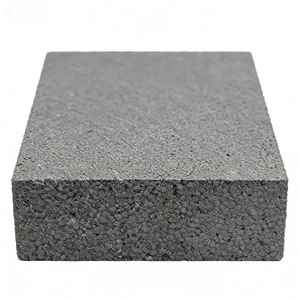
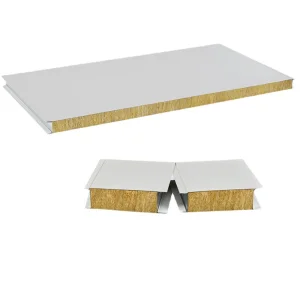
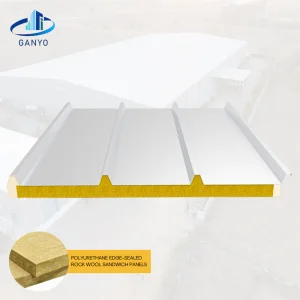
To construct an effective barrier, industrial designers utilize the principle of *Mass-Air-Mass resonance* and *structural decoupling*. Traditional single-leaf brick walls require excessive mass to block sound. However, engineered sandwich panels from manufacturers like Ningbo Jonas Build Co., Ltd. utilize structural cores—such as high-density rock wool, Polyurethane (PU), and SEPS (Sintered Expanded Polystyrene)—bonded between metal facades to decouple sound pathways and dissipate acoustic energy as minimal thermal heat.
Higher structural core density (especially Rockwool of ≥100 kg/m³) absorbs sound pressure waves efficiently, reducing standard industrial noise by over 45 decibels.
Interlocking tongue-and-groove joint systems seal microscopic gaps, preventing sound leaks that typically bypass standard insulation boards.
Engineered layers isolate low-frequency vibration (machinery hums) and suppress high-frequency airborne noise concurrently.
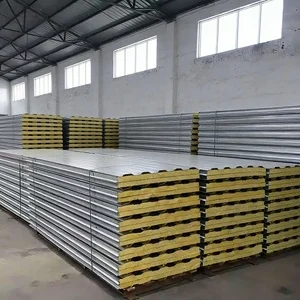
Depending on the core material selected, the panels vary in their performance metrics. For example, **rock wool sandwich panels** excel in fire protection (A1 Class) and mid-to-high frequency sound absorption, making them ideal for heavy manufacturing floors and purification rooms. Conversely, **Polyurethane (PU) and SEPS cores** provide optimized thermal thermal resistance alongside moderate sound attenuation, which is highly preferred for automated cold chain logistics facilities and warehouse envelope structures.
| Core Material Profile | Average Density (kg/m³) | STC Rating Range (dB) | Fire Protection Class | Primary Industrial Use Cases |
|---|---|---|---|---|
| High-Density Rock Wool | 100 - 140 | 35 - 52 dB | Class A1 (Non-combustible) | Acoustic partitions, steel mills, hospitals, cleanrooms |
| Polyurethane (PU/PIR) | 38 - 42 | 26 - 32 dB | Class B1 / B2 | Cold rooms, extreme temperature logistics, food processing |
| SEPS Insulation Core | 18 - 25 | 28 - 34 dB | Class B1 | Roofing systems, light commercial partitions, energy-saving walls |
| Mgo Board / EPS Hybrid | 60 - 80 | 32 - 40 dB | Class A1 | GMP pharmaceutical workshops, hospital modular operating rooms |
Evaluating the macro-economic and production benefits of utilizing Chinese manufacturing infrastructure for heavy-duty construction panels.
China is home to the world's most dense cluster of steel coil producers, chemical raw material suppliers (for polyurethane formulations), and mineral processing centers (for rock wool fibers). Because Ningbo Jonas Build Co., Ltd. operates within this robust localized supply chain network, procurement lag times for premium raw materials are cut down to hours. This local integration ensures highly predictable costs and insulates global buyers from volatile price swings in downstream markets.
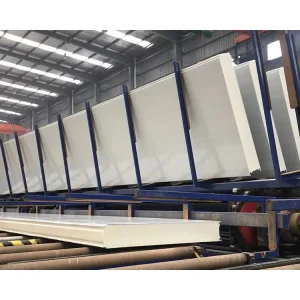
Unlike regional boutique fabricators, modern Chinese factories utilize continuous double-belt production lines that run at speeds of up to 15 meters per minute. These massive computerized setups ensure consistent chemical bonding, uniform panel thickness, and perfect surface flatnesses. Microprocessor sensors scan for internal voiding, ensuring every batch complies with strict dimensional and structural tolerances prior to dispatch.
Global procurement teams must design structures complying with localized build codes—whether it is FM Approval in the United States, CE Certification in Europe, or regional fire safety codes in the Middle East. Jonas Build designs systems with multiple variations in skin thickness, paint finish coatings (such as PVDF, HDP, and PE), and core profiles, permitting direct drop-in integration with local building frameworks.
How specialized insulation panels resolve critical environmental control issues in major sectors.
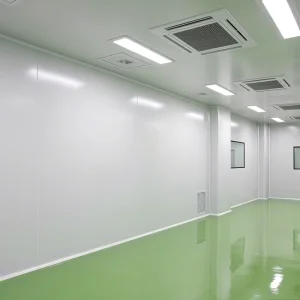
GMP cleanroom designs demand flush surface interfaces, high structural rigidity, and zero organic particulate shedding. Jonas Build's Rock Wool and Mgo panels prevent microbial growth, withstand regular chemical sanitation washes, and block sound between high-pressure ventilation plenums and clean workspaces.
Industrial stamping plants, generator houses, and mechanical assembly halls create high environmental noise loads. Installing high-performance acoustic sandwich panels prevents noise pollution from migrating into surrounding offices or adjacent communities, ensuring compliance with OSHA and environmental standards.
Sub-zero cold storages rely heavily on insulation integrity. Interlocking polyurethane sandwich panels deliver double-duty performance: maintaining extreme thermal insulation (R-values) while insulating inner spaces against loud exterior logistics, docking bays, and refrigeration compressors.
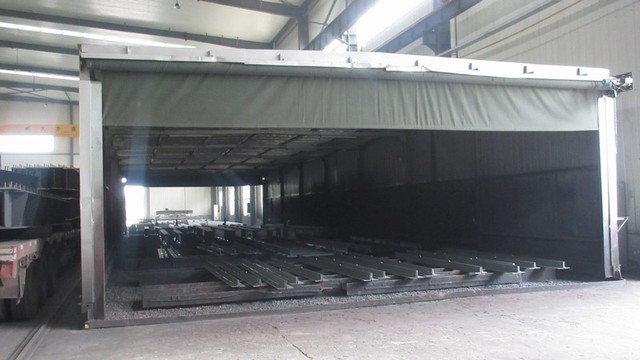
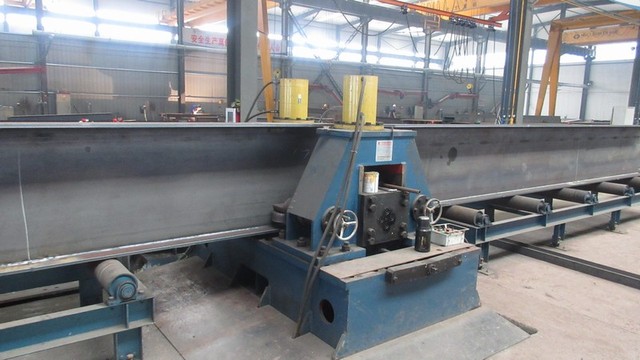
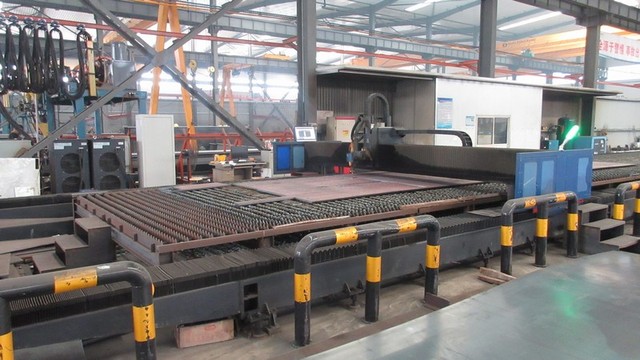
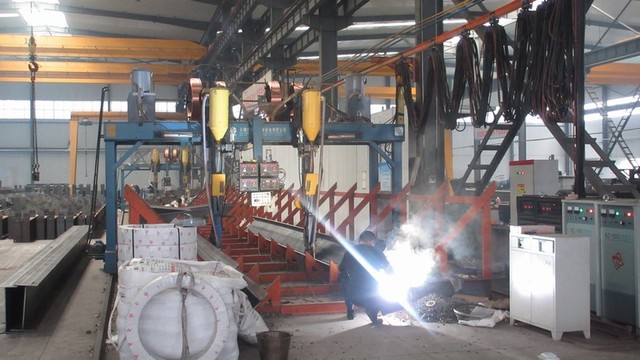
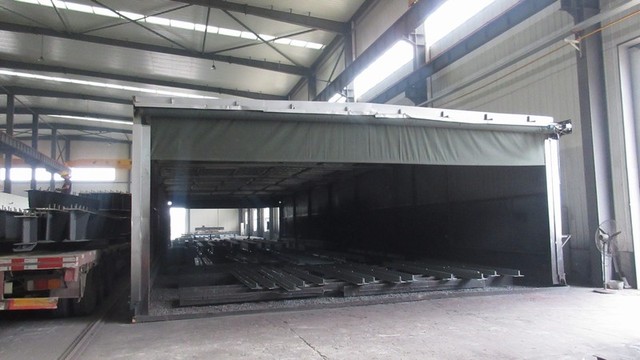
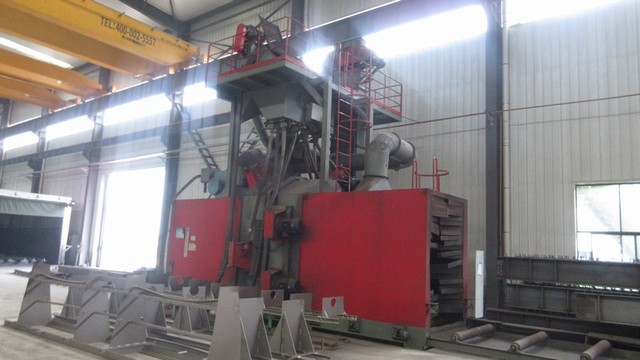
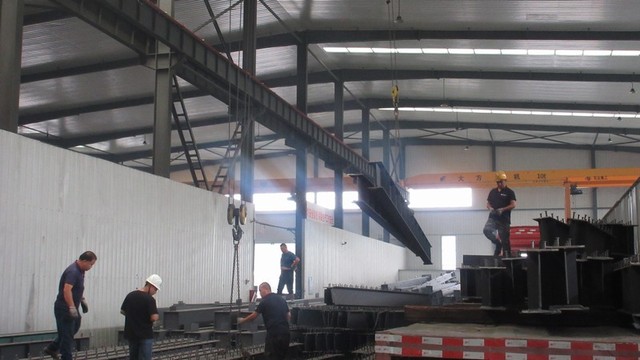
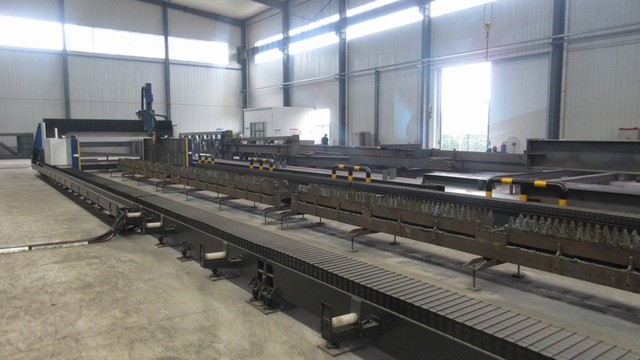
Inside our advanced fabrication plants, automated assembly setups, and standardized QA checking zones.
Expert technical insights to help engineers, EPC contractors, and global buyers specify the correct panels.
Thermal insulation blocks the transfer of heat energy (measured by U-value/R-value) using closed-cell materials like polyurethane or foam boards. Acoustic insulation blocks sound waves by introducing dense mass (e.g., mineral fibers/rock wool) to absorb mechanical sound waves and prevent sound leaks through structural joints. Many of Jonas Build's systems combine both characteristics.
Our Rock Wool insulation cores are rated Class A1 (non-combustible) according to European EN 13501-1 standards and undergo testing under local Chinese and global equivalent codes. For polyurethane core variants, flame retardants are blended into the liquid formulation to satisfy Class B1/B2 fire suppression behaviors, complying with national and commercial facility requirements.
Yes. Our automated production line allows us to customize panel lengths to match your exact framing system, minimizing on-site cutting waste. Surface metal profiles can be specified as micro-ribbed, corrugated, or flat, with skin thicknesses ranging from 0.4mm to 0.8mm and coatings like PVDF for harsh coastal environments.
All panel shipments feature a protective film over the metal skins to guard against abrasion during handling. They are securely packed in wooden bundles or custom steel crates wrapped in moisture-resistant vapor barriers, protecting them against thermal variations and humidity during sea transport.
Explore our specialized performance range, including high-durability ductboards, cleanroom panels, and galvanized structural sheets.
 Jonas Build