Engineered to eliminate thermal bridges, optimize insulation indices, and improve industrial building assembly speeds.
How structural thermal isolation systems are transforming from regulatory additions to essential core design choices for net-zero energy buildings.
By minimizing thermal bridging heat exchange, these panels lower monthly heating and cooling energy use, delivering measurable operational savings.
Maintaining interior surface temperatures above the dew point prevents structural moisture buildup, wood rot, metal corrosion, and mold growth.
Limiting thermal expansion and contraction cycles protects joints, sealants, and structural fasteners from fatigue and failure.
Ningbo Jonas Build Co., Ltd. is a professional China industrial construction panel manufacturer specializing in insulated building panel solutions for global industrial and commercial construction projects. With extensive industry experience and advanced manufacturing capabilities, the company is committed to delivering high-quality, energy-efficient, and customized panel systems that meet the diverse requirements of customers worldwide.
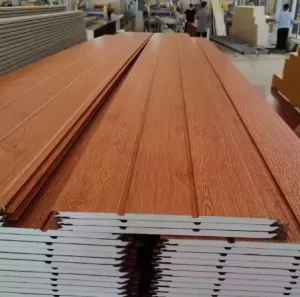
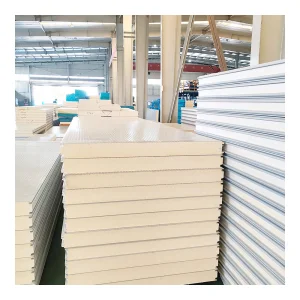
The company provides a comprehensive range of products, including insulated sandwich panels, industrial wall panels, roofing panels, cold room panels, cleanroom panels, fire-rated panels, and customized building envelope solutions. Designed for superior thermal performance, structural reliability, and rapid installation, these products are widely used in industrial plants, warehouses, logistics centers, cold storage facilities, commercial buildings, modular construction projects, and infrastructure developments.
Supported by a skilled team of engineers and technical specialists, the company offers one-stop services covering project consultation, product design, manufacturing, quality assurance, packaging, and international logistics coordination.
By utilizing advanced production technologies and premium raw materials, Jonas Build continuously enhances product performance in thermal insulation, fire resistance, weather protection, and energy efficiency. Our panel systems help customers reduce construction time, lower operating costs, and improve overall building performance.
Committed to excellence, we have established long-term business relationships with clients across Asia, Europe, the Middle East, Africa, and the Americas.
Review the physical, thermal, and mechanical differences of core substrates used in modern building envelopes.
| Insulation Core Type | Thermal Conductivity (λ - W/m·K) | Fire Classification (EN 13501-1) | Compressive Strength (kPa) | Best Application Environments |
|---|---|---|---|---|
| Polyisocyanurate (PIR) | 0.020 - 0.023 | B-s1, d0 / Class 1 (FM) | 120 - 150 | Cold storage, commercial warehouses, high-efficiency building envelopes. |
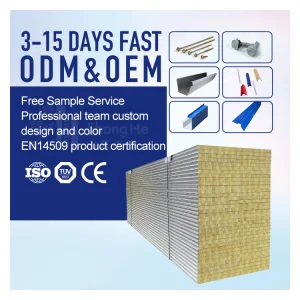
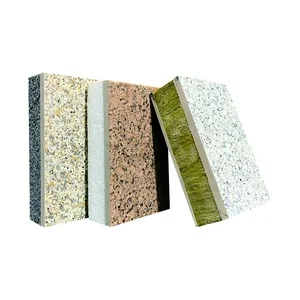
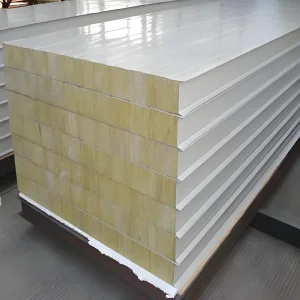
| High-Density Rock Wool | 0.038 - 0.044 | A1 Non-combustible | 80 - 100 | High fire-risk areas, power plants, acoustic isolation projects, processing facilities. |
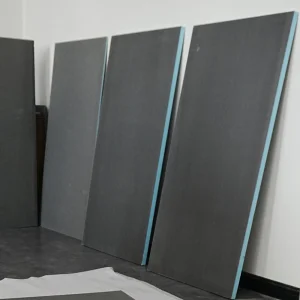
| Extruded Polystyrene (XPS) | 0.029 - 0.034 | Class B / E | 250 - 500 | Wet environments, perimeter foundations, tile backing, below-grade applications. |
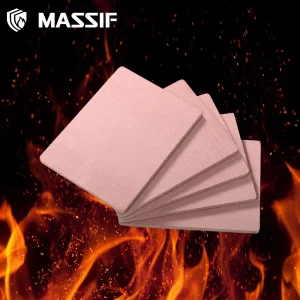
| Magnesium Oxide (MgO) | 0.15 - 0.20 | A1 Non-combustible | High Structural Strength | High moisture zones, cleanrooms, high-impact walls, structural partitions. |
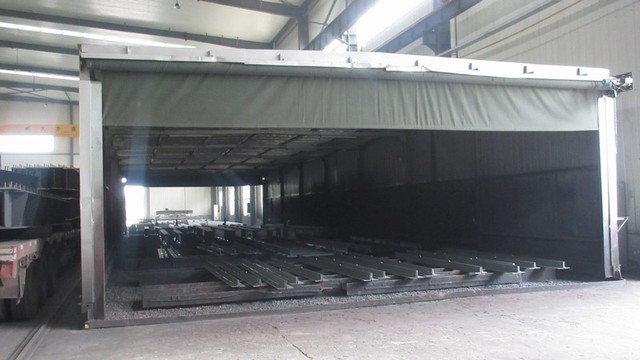
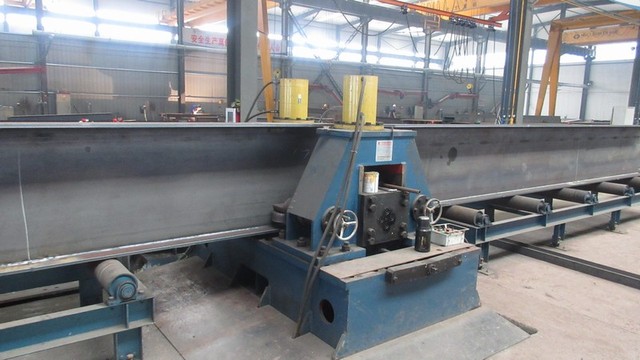
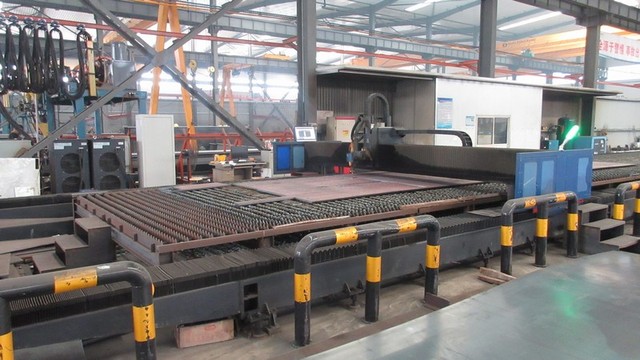
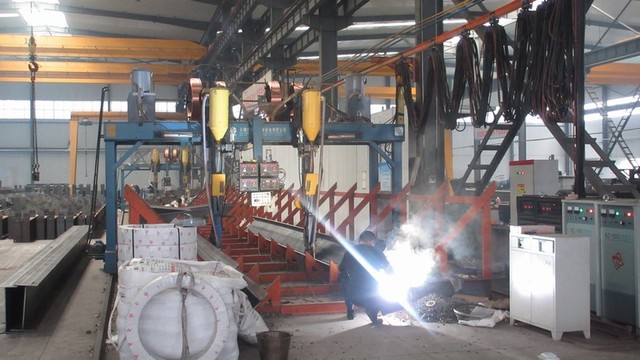
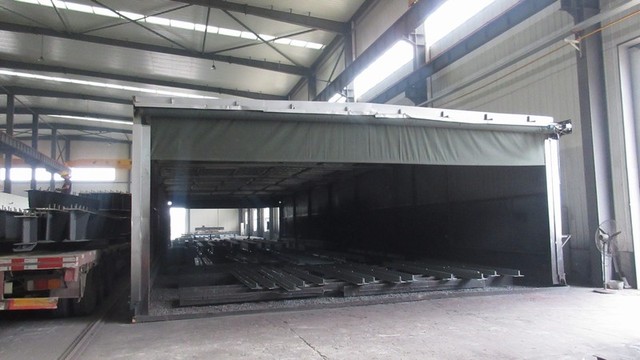
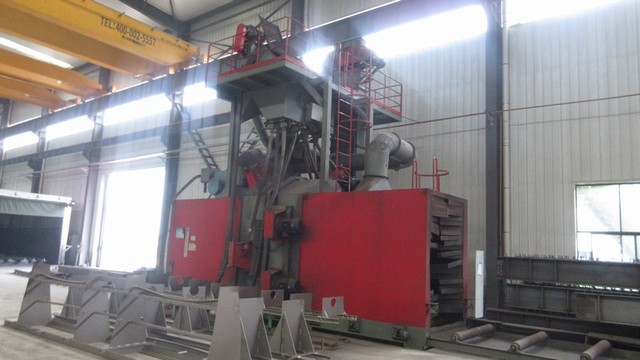
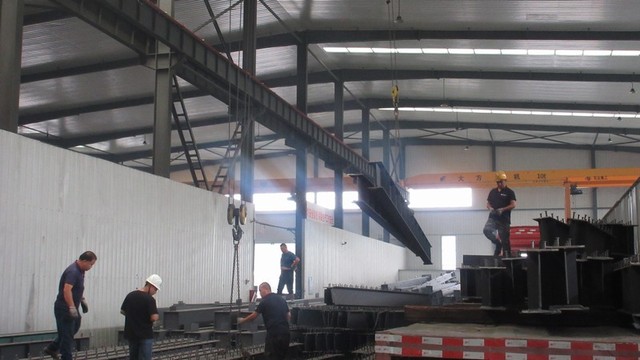
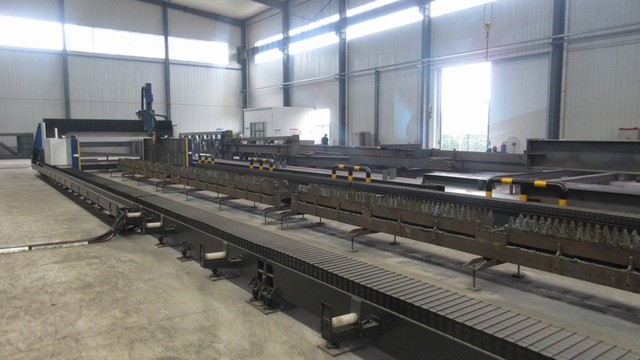
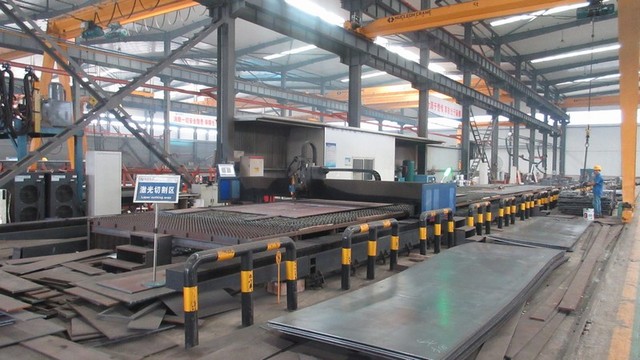
Ningbo Jonas Build Co., Ltd. leverages state-of-the-art automation and strategic port proximity to deliver consistent quality globally.
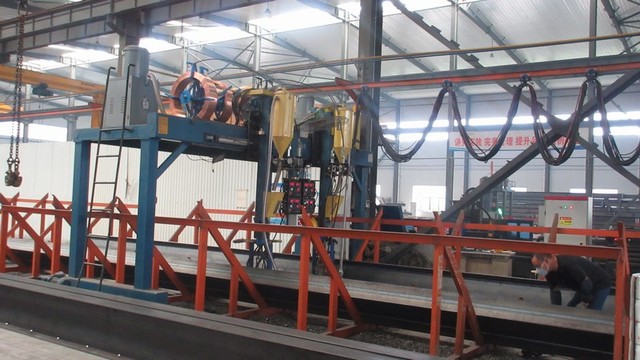
Utilizing advanced roll-forming machinery, we produce tight tolerances on panel joint geometries, including tongue-and-groove and hidden-fix configurations. This maintains structural integrity during high wind loads and prevents thermal leaks at connection joints.
Located near Ningbo Port—one of the world's busiest cargo hubs—we coordinate efficient sea freight shipping. Our specialized packing keeps panels safe from humidity and physical damage, and our strategic location helps reduce transport costs and transit times.
Designing envelopes to meet strict local building codes and handle challenging weather conditions worldwide.
Focuses on high thickness options (up to 300mm) and reliable vapor sealing to prevent internal condensation and frost buildup during extreme winters.
Features multi-layer PVDF and corrosion-resistant coatings (e.g., AZ150 galvalume) to prevent salt spray damage, rust, and UV surface wear.
Utilizes optimized mechanical connections and high-strength metal skins to withstand wind pressure and movement during earthquakes.
| Testing/Certification Standard | Test Parameters / Focus Areas | Jonas Build Product Alignment & Performance Status |
|---|---|---|
| ASTM E84 (UL 723) | Surface burning characteristics (Flame Spread / Smoke Developed Indices) | Class A rating achieved on PIR, Mgo, and Rock Wool core compositions. |
| EN 13501-1 | European fire classification for structural building elements | Certified from Class A1 (Rock Wool/MgO) to Class B-s1,d0 (PIR core). |
| FM 4880 / 4881 | Class 1 internal/external wall and roof panel evaluation standards | Compliant options available for high-hazard industrial environments. |
| ISO 9001 / 14001 | Quality management systems & Environmental preservation audits | Fully certified production processes with trace-audits of raw materials. |
Common technical questions regarding thermal break structural design, panel installation, and long-term durability.
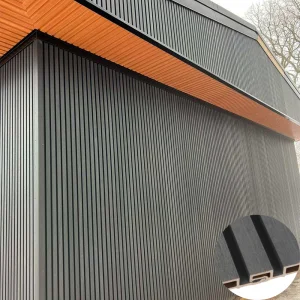
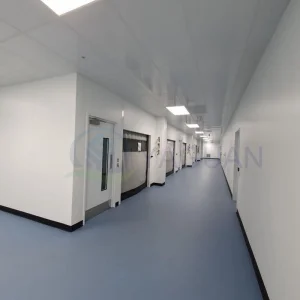
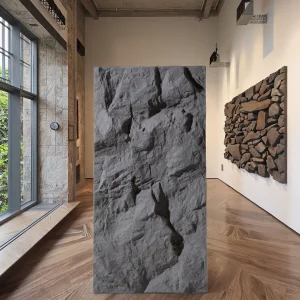
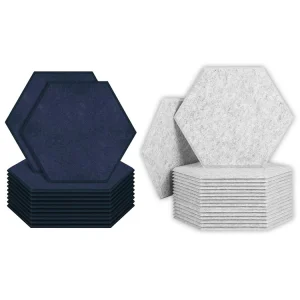
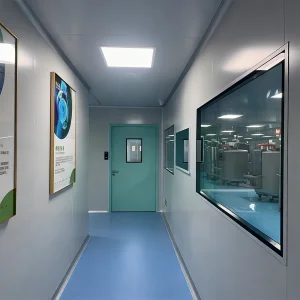
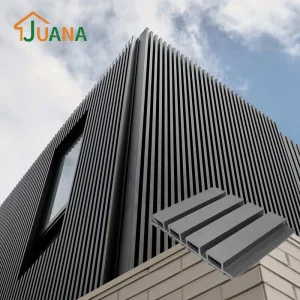
Explore our range of solutions for cleanrooms, acoustic isolation, and architectural facade decorations.
 Jonas Build