Explore our core portfolio of structural insulated sandwich panels, composite boards, soundproof barrier systems, and decorative wall solutions custom-tailored to exceed modern energy rating systems and safety benchmarks.
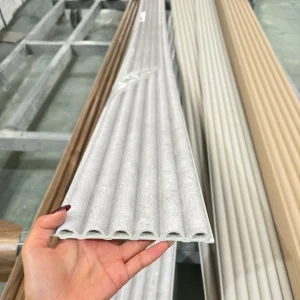
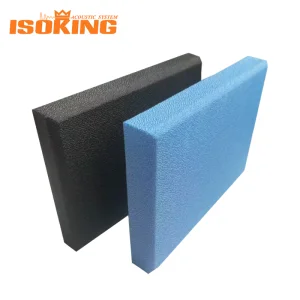
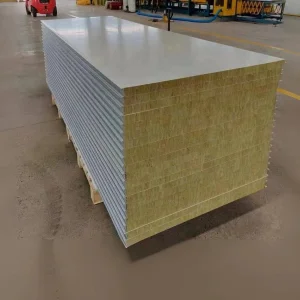
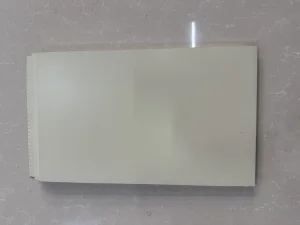
Ningbo Jonas Build Co., Ltd. is a professional China industrial construction panel manufacturer specializing in insulated building panel solutions for global industrial and commercial construction projects. With extensive industry experience and advanced manufacturing capabilities, the company is committed to delivering high-quality, energy-efficient, and customized panel systems that meet the diverse requirements of customers worldwide.
By executing precise quality control procedures and securing premium grade steel coils, stone wool insulation, and high-performance polyisocyanurate (PIR) cores, we build thermal shields that survive extreme mechanical loads, harsh thermal fluctuations, and strict fire rating examinations.
Our solutions target the intersection of structural reliability and green energy transition. By incorporating state-of-the-art double-belt continuous lamination technologies, Jonas Build delivers sheathing products with micro-level panel tolerances, high aesthetic design uniformity, and exceptional wind-uplift resistances, positioning the company as a key supplier for modern smart factories, logistics centers, and large-scale industrial projects.
"Every panel represents an engineered combination of structural load resistance and thermal barrier protection, maximizing R-values while minimizing structural weight load."
The global metal sheathing and insulated cladding panel market is experiencing an unprecedented technological expansion. Valued at over $22 billion in 2024, the demand for metal composite sheets and sandwich cladding is driven by international building energy efficiency standards, such as the European Energy Performance of Buildings Directive (EPBD) and the International Energy Conservation Code (IECC) in the Americas. High thermal performance sheathing acts as the critical barrier layer within rainscreen configurations, cold chain storage facilities, and standard industrial building envelopes.
Modern structural steel and aluminum clad panel systems serve as both decorative facades and integrated thermal barrier envelopes. By utilizing metal panels with advanced cores like polyurethane (PU/PIR) and dense volcanic rock wool, engineers can meet strict fire classifications (such as FM Global approvals and EN 13501-1 Class A ratings) while maintaining highly lightweight structures. This shift is critical as developers look to accelerate construction timelines using modular pre-fabricated frameworks.
Different geopolitical markets dictate unique regulatory tests for sheathing systems:
For US and Canadian building sectors, ASTM E84 (flame spread indexes of ≤ 25) and FM 4880 certifications dictate the commercial acceptance of insulated metal panels (IMPs). The focus is heavily on maintaining structural continuity in extreme windzones (Hurricane-Prone regions require compliance with ASTM E1592 load-deflection protocols).
Within the EU, standard EN 14509 rules the structural and physical design of double-skin metal face panels. Thermal transmittance values (U-values) are strictly optimized, requiring sheathing layers to operate at ultra-low conductivities, with zero-carbon footprint initiatives forcing companies to prioritize recyclable composite structures.
| Core Insulation Type | Thermal Conductivity (λ) | Acoustic Reduction (dB) | Fire Safety Classification | Primary Application Fields |
|---|---|---|---|---|
| Polyurethane (PU/PIR) | 0.018 - 0.022 W/m·K | ~22 - 25 dB | Class B-s1,d0 (EN 13501-1) | Cold Storage, Cryogenic facilities, Logistics Warehouses |
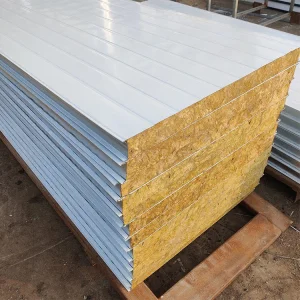
| Structural Rock Wool | 0.035 - 0.040 W/m·K | ~30 - 35 dB | Class A1 / A2 (Non-Combustible) | High-risk industrial workshops, Sound enclosures, Cleanrooms |
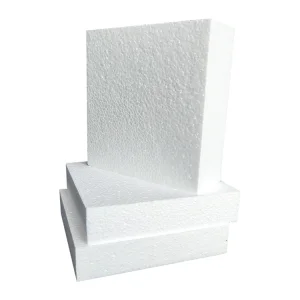
| Polystyrene (EPS) | 0.033 - 0.038 W/m·K | ~20 - 23 dB | Class E / B2 | Lightweight temporary construction, Budget partition walls |
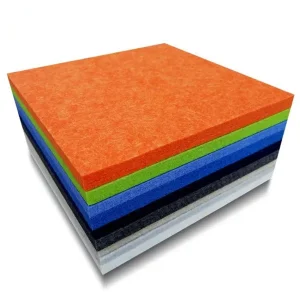
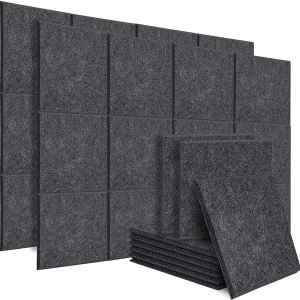
| PET / Acoustic Felt | 0.030 - 0.035 W/m·K | Up to NRC 0.85 | Flame Retardant (ASTM E84 Class A) | Commercial studios, Auditory rooms, Interior sound-attenuation |
Building facades must withstand localized stresses. As an expert manufacturer, Ningbo Jonas Build Co., Ltd. optimizes sheathing systems for diverse climatic exposures:
Salty coastal atmospheres accelerate chemical degradation. We configure sheathing steel with high-build coatings like Polyvinylidene Fluoride (PVDF) and Super Durable Polyester (SDP) up to 25-30μm thicknesses, ensuring corrosion prevention and color stability against UV light decay.
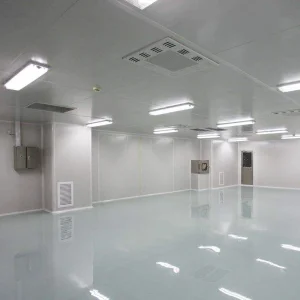
Cleanroom wall linings require zero volatile organic compound (VOC) emissions, high pressure tightness, and smooth flush surfaces that resist sanitize spray procedures. Our prefabricated class 10,000 modular panel sets utilize anti-static, anti-bacterial coated stainless steel sheathing.
Operating environments below -30°C run severe thermal bridge risk. Interlocking profiles featuring continuous mechanical tongue-and-groove joint fittings coupled with pressure-bonded insulation cores eliminate convection leak paths, preserving critical interior cold temperatures.
The core competence of Ningbo Jonas Build Co., Ltd. rests upon advanced high-yield automation manufacturing lines. Our dual-belt continuous lamination line extends up to 150 meters, applying consistent heat and compression to polymer cores as they bond with decoiled metal skins. This continuous technology eliminates delamination defects common in static mold operations, maximizing structural integrity over decades of structural exposure.
Through close integration with industrial CAD design software, our CNC machinery performs mill-cut edge profiling, allowing structural components to fit together exactly at construction sites. The factory utilizes precise micro-foam injectors that regulate PU formulation densities to maintain uniform R-values. Every batch is measured for fire resistance, compression capabilities, and dimensional precision before release.
Every manufacturing run undergoes a standardized testing suite to ensure performance validation:
Ensures resistance to intense wind loads and structural compression stresses.
Verifies the actual thermal resistance and prevents thermal bridging.
As the construction industry focuses on sustainable development, sheathing products must adapt to lower carbon footprints. Jonas Build is actively executing a technology roadmap to transition our production models to meet net-zero carbon requirements. This includes using bio-based polyols in polyurethane manufacturing and procuring steel made from green hydrogen energy processes.
Future iterations of metal sheathing will feature integrated photovoltaic layers, transforming building facades into clean energy harvesting arrays. Additionally, phase-change core materials (PCMs) will absorb and release latent heat based on daily ambient temperature shifts. By adopting these high-performance materials, buildings can significantly reduce their reliance on mechanical heating and air conditioning systems, helping to establish long-term structural resilience.
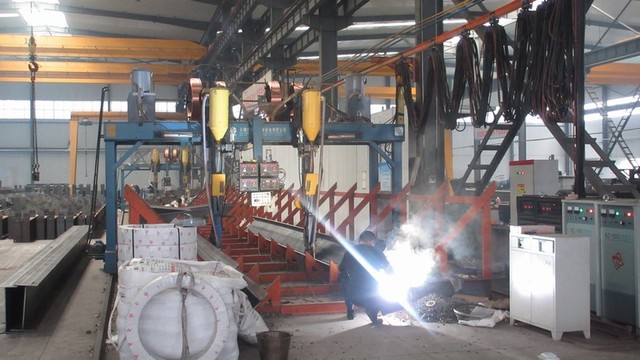
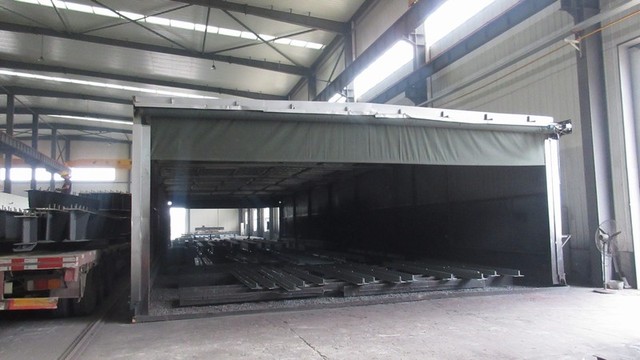
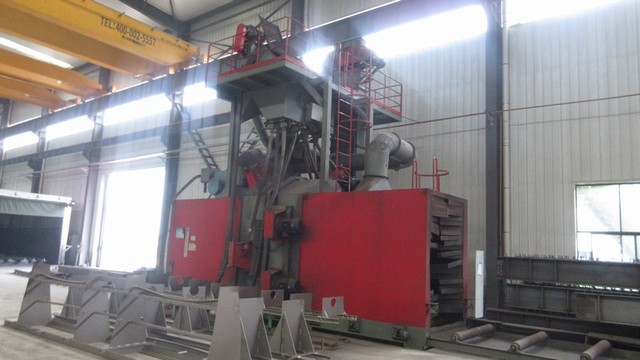
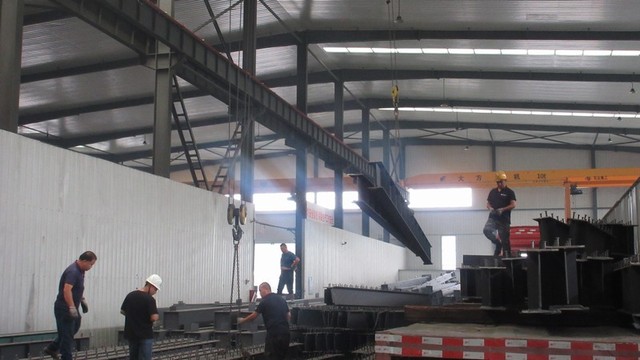
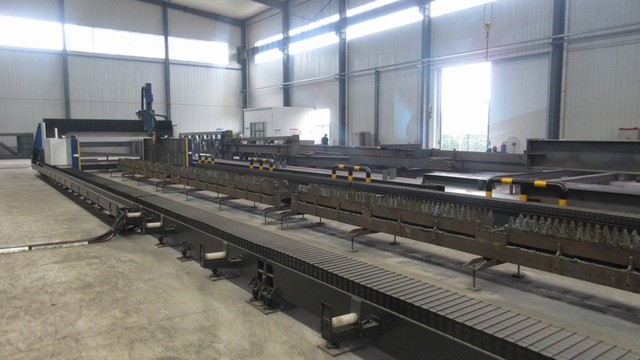
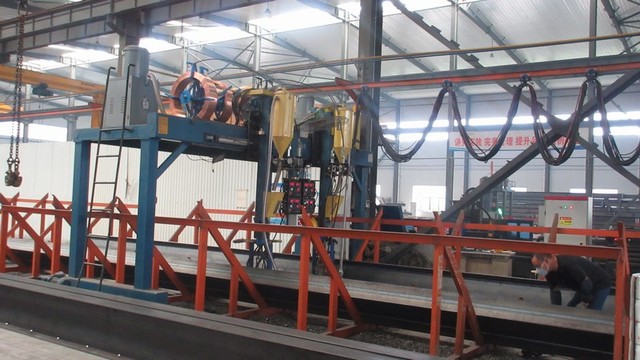
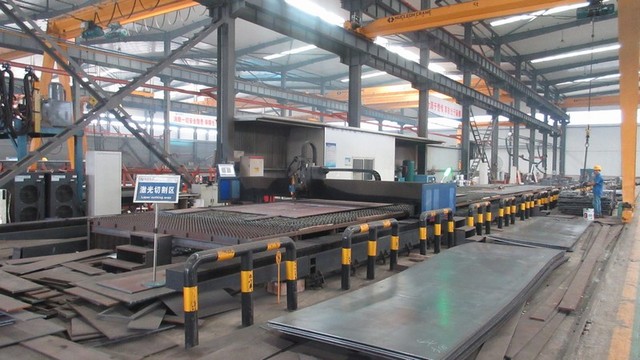
Browse through our real-world manufacturing plant, raw material storage yards, state-of-the-art continuous laminating lines, and final panel storage operations. We maintain full production transparency to verify our capability as a primary supplier for global building infrastructure.
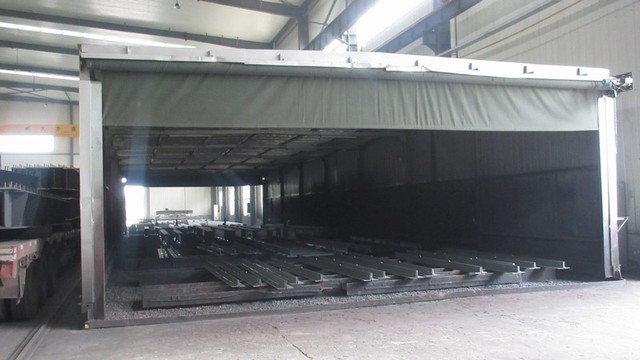
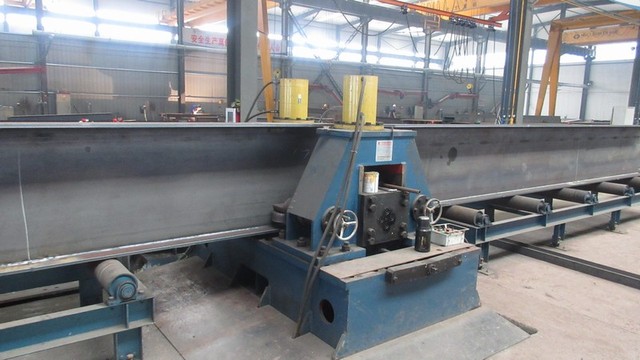
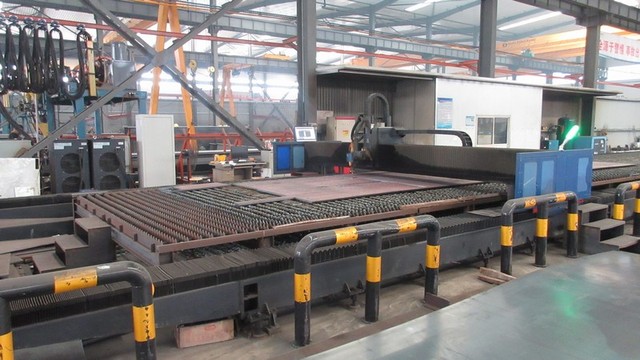
Detailed insights from our engineering and design departments addressing structural performance, thermal capabilities, and installation questions.
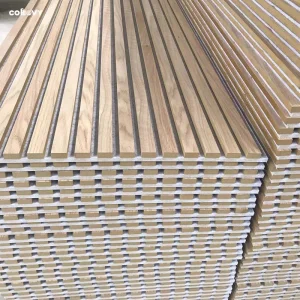
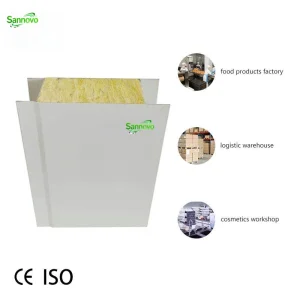
Complete your design requirements by reviewing our high-performance structural systems, acoustic options, and decorative external cladding solutions.
 Jonas Build