Engineered to meet stringent thermal structural parameters, JIS flame-retardant standards, and high seismic resilience requirements.
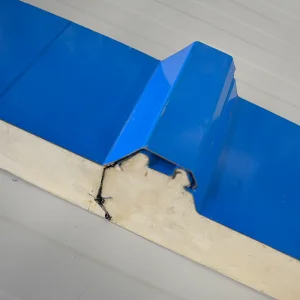
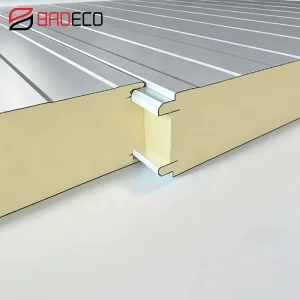
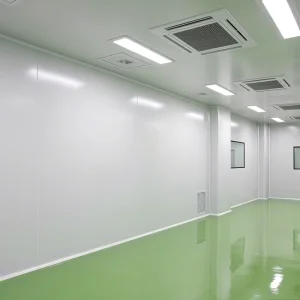
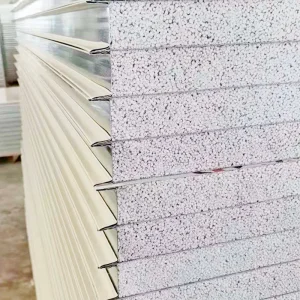
The industrial cold storage landscape in Japan is undergoing a fundamental transformation driven by three critical pillars: extreme environmental decarbonization, seismic safety compliance, and high-efficiency aging infrastructure replacement. With older cold warehouses constructed during the 1980s economic boom reaching the end of their operational lifespan, Japan is rapidly upgrading its facilities to implement state-of-the-art thermal envelopes.
Under the revised Act on the Rational Use of Energy and the Ministry of the Environment's aggressive zero-emission targets, cold room structural panels must achieve unprecedented low thermal transmittance (U-value). Furthermore, compliance with Japan's Building Standard Act (Article 38/JIS fire safety standards) requires non-combustible cores (such as high-density PIR or Rock Wool) to restrict lateral flame propagation, particularly in densely populated port areas like Tokyo Bay, Yokohama, and Osaka Ports.
Additionally, Japan's location in the Pacific Ring of Fire requires cold rooms to features high seismic joint integrity. The interlocking structural design of the panels must absorb lateral movements without breaching the airtight envelope. This prevents thermal leakage, ice formations, and subsequent structural collapse during seismic events.
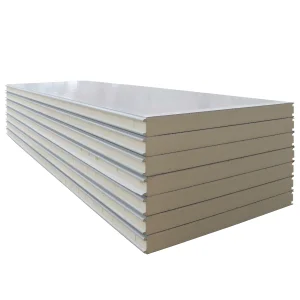
Our sandwich panels are optimized to comply with Japanese fire testing procedures, utilizing high-density PIR and premium basalt rock wool cores.
Advanced tongue-and-groove connections coupled with continuous inner elastic sealing gaskets absorb structural shifts caused by high-magnitude seismic events.
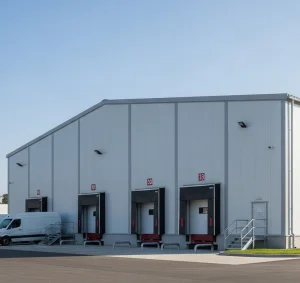
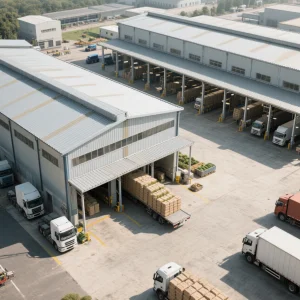
Ensuring uninterrupted thermal barrier integration across diverse industrial sectors from logistics to smart agricultural farms.
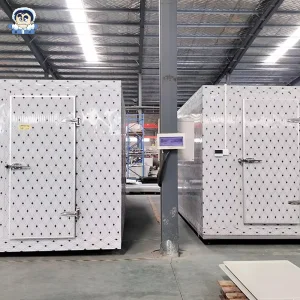
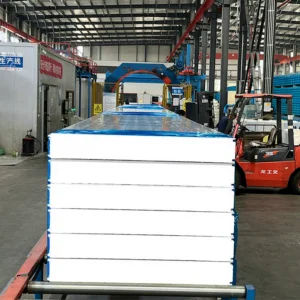
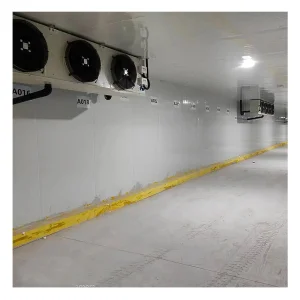
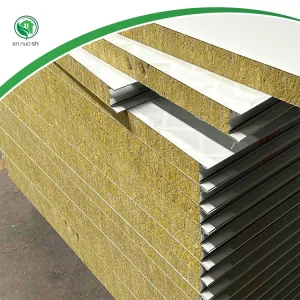
On a global scale, the cold chain logistics sector is transitioning from traditional expanded polystyrene (EPS) toward high-performance polyisocyanurate (PIR) and high-density mineral fiber (Rock Wool) technologies. Global warming demands higher efficiency envelope enclosures, and standard polyurethane (PUR) is increasingly being substituted with PIR due to the latter's superior cross-linked chemical structure. This structure offers exceptional fire resilience and improved dimensional stability at extreme low temperatures (-60°C for sashimi tuna storage, common in Japanese maritime trade).
Our standard manufacturing processes employ a continuous double-belt production line system with state-of-the-art high-pressure foaming machinery. The PIR formulation features an increased index of isocyanate, forming strong isocyanurate rings. These rings require higher thermal energy to break down, providing carbonaceous char layers during fire exposure to isolate structural steel from direct heat. For cold applications in Japan, this chemical formulation guarantees long-term thermal resistance (R-value) stability, preventing shrinkage or micro-fractures in the core.
Given that major Japanese cold-chain terminals are situated along coastal harbors (such as Kobe, Yokohama, and Chiba), salinity-induced atmospheric corrosion presents a significant challenge to sandwich panel longevity. We address this issue by engineering panels with high-durability coatings, such as PVDF (Polyvinylidene Fluoride) or specialized polyurethanes over hot-dip galvanized steel skins (Z275 coating weight class). This ensures robust resistance to atmospheric salt spray, preventing delamination and surface degradation over a 30+ year lifespan.
| Insulation Core Type | Thermal Conductivity (λ Value) | Compressive Strength (JIS A 9511) | Fire Classification | Optimized Applications |
|---|---|---|---|---|
| Continuous PIR (Polyisocyanurate) | 0.019 - 0.021 W/(m·K) | ≥ 150 kPa | Class B-s1, d0 / JIS Non-combustible base | Supermarket freezers, automated multi-temperature logistics parks. |
| High-density Rock Wool | 0.038 - 0.042 W/(m·K) | ≥ 100 kPa | Class A1 / ASTM E84 Non-combustible | High-hazard food processing facilities, firewalls, paint storage. |
| EPS (Expanded Polystyrene) | 0.033 - 0.036 W/(m·K) | ≥ 90 kPa | Class B2 / Self-extinguishing | Cleanroom partitions, cost-sensitive dry-storage facilities. |
| Silicon Rock Core | 0.035 - 0.038 W/(m·K) | ≥ 120 kPa | Class A2 / Non-combustible | GMP cleanrooms, high-humidity sterile areas, semiconductor plants. |
Ningbo Jonas Build Co., Ltd. is a professional China industrial construction panel manufacturer specializing in insulated building panel solutions for global industrial and commercial construction projects. With extensive industry experience and advanced manufacturing capabilities, the company is committed to delivering high-quality, energy-efficient, and customized panel systems that meet the diverse requirements of customers worldwide.
The company provides a comprehensive range of products, including insulated sandwich panels, industrial wall panels, roofing panels, cold room panels, cleanroom panels, fire-rated panels, and customized building envelope solutions. Designed for superior thermal performance, structural reliability, and rapid installation, these products are widely used in industrial plants, warehouses, logistics centers, cold storage facilities, commercial buildings, modular construction projects, and infrastructure developments.
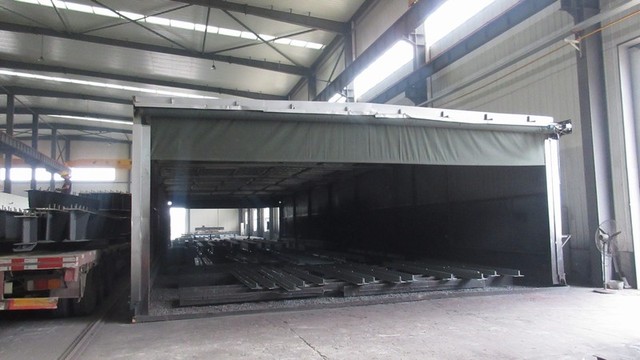
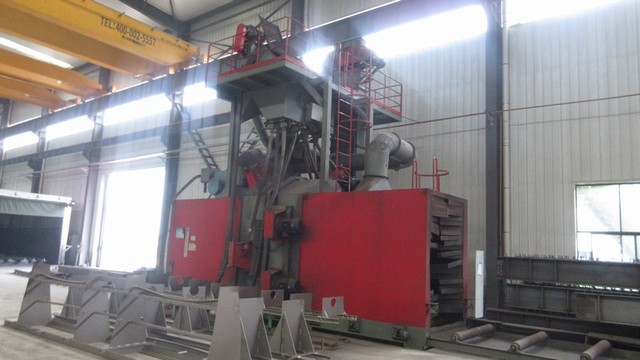
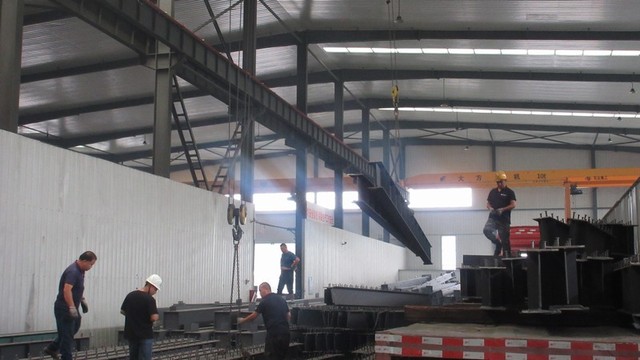
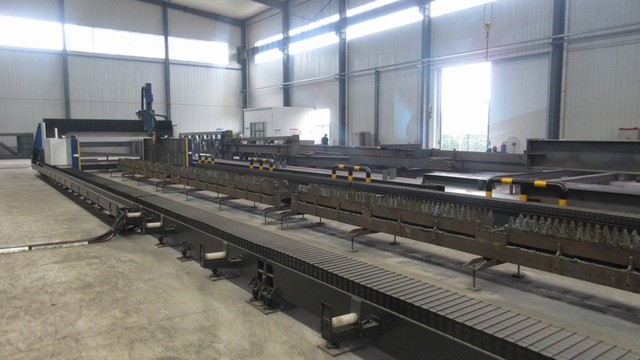
Jonas Build operates modern production facilities equipped with advanced automated manufacturing lines, precision processing equipment, and strict quality inspection systems. Supported by a skilled team of engineers and technical specialists, the company offers one-stop services covering project consultation, product design, manufacturing, quality assurance, packaging, and international logistics coordination.
Innovation, quality, and sustainability are the core values driving the company's development. By utilizing advanced production technologies and premium raw materials, Jonas Build continuously enhances product performance in thermal insulation, fire resistance, weather protection, and energy efficiency. The company's panel systems help customers reduce construction time, lower operating costs, and improve overall building performance.
Committed to excellence and customer satisfaction, Ningbo Jonas Build Co., Ltd. has established long-term business relationships with clients across Asia, Europe, the Middle East, Africa, and the Americas. The company remains dedicated to providing reliable insulated building panel solutions that support sustainable construction and create long-term value for customers worldwide.
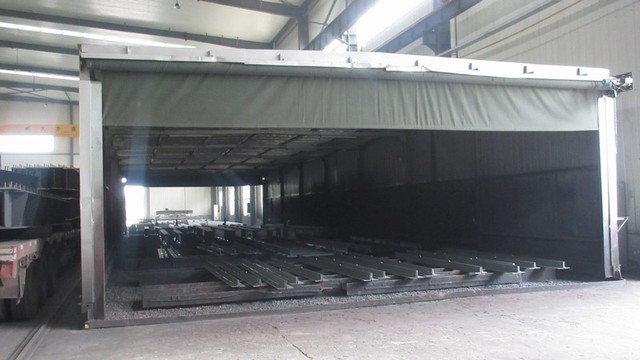
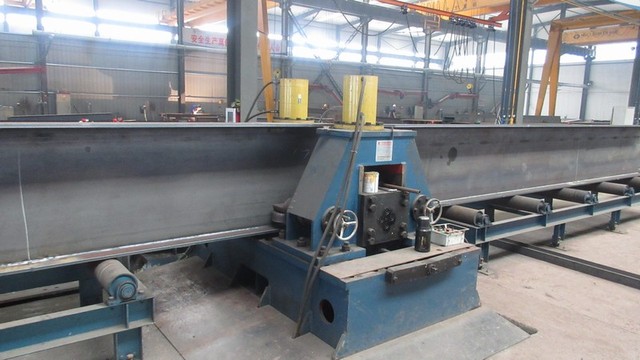
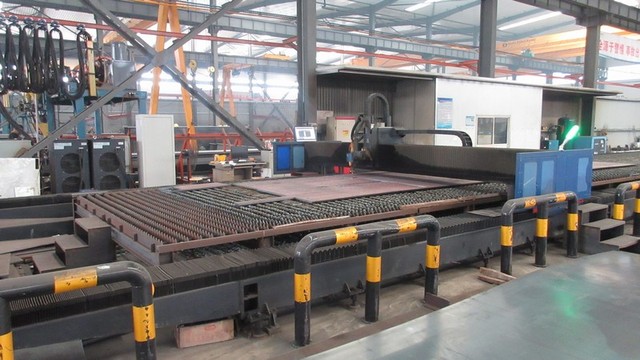
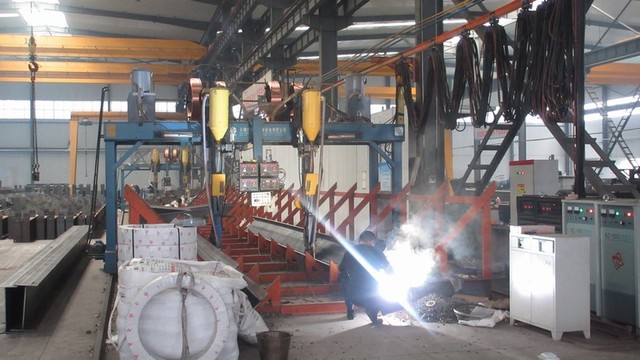
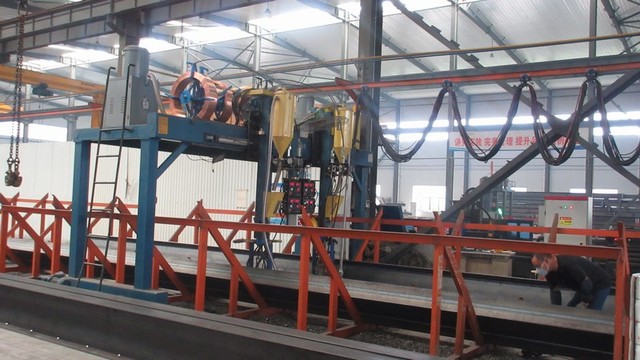
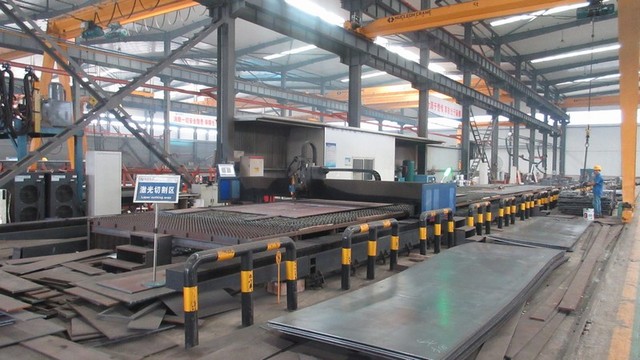
Precision extrusion, automated blending, and tight quality control processes ensure optimal cellular density and structural uniformity across all panels.
A successful cold storage installation in Japan requires deep engineering adjustments for local micro-climates and processing workflows. Our design team aligns exports directly with three core Japanese industrial scenarios:
To preserve fresh marine products without structural cellular damage, processing plants in regions like Tohoku or Kyushu require rapid blast freezing down to -50°C. This massive internal-external temperature differential puts intense stress on sandwich panel structures. Standard panels can suffer core contraction and structural cracking. We solve this by fabricating custom 200mm thick PIR core panels featuring dual elastic joints. This configuration prevents structural stress fractures and eliminates thermal bridging at the joints.
Under Japan's strict Good Distribution Practice (GDP) guidelines for medical products, biological items require precise climate control down to ±0.5°C tolerances. This demands panels with zero thermal leakage. We address this using interlocking steel panels that incorporate high-performance EPDM gaskets, creating a completely airtight barrier. This sealing performance is critical for cleanroom environments, preventing contamination and particulate ingress.
Modern multi-tenant logistics warehouses operate at different temperature zones (ranging from ambient dry storage to -25°C deep freeze) within the same facility. Partitioning these zones requires robust, load-bearing partition walls. Our PNS ceiling panels and heavy-duty insulated partitions offer span capacities of up to 8 meters without requiring intermediate support structures, maximizing storage volumes and forklift mobility.
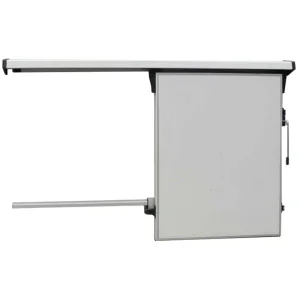
Engineered options designed for high load capacity, cleanroom sanitation, and harsh industrial environments.
Technical guidance regarding local installation, core specifications, regulatory compliance, and export logistics to Japan.
Yes, we customize our core formulations to meet fire-retardant standards. Our PIR (Polyisocyanurate) and Rock Wool core sandwich panels are manufactured with non-combustible base plates, matching JIS A 1321 flame-spread prevention metrics. Rock Wool options deliver Class A1 non-combustibility ratings, suitable for high-risk industrial partitions near coastal zoning districts.
Our proximity to Ningbo Port enables prompt maritime shipping. Production typically takes 14 to 20 days depending on thickness and skin specification, followed by a short transit time of 3 to 5 days to reach Yokohama, Osaka, or Kobe. We coordinate shipping and customs clearing files (such as CO, BL, PL) to ensure trouble-free entry.
Our panel connections utilize tongue-and-groove joint profiles with integrated mechanical cam-locks or elastic gaskets. This ensures joint integrity during minor tremors or structural settlements. The panels absorb shearing and bending forces, protecting the cold room envelope from cracking and heat loss.
For coastal cold chain ports in Japan, we recommend hot-dip galvanized steel skins (Z275 grade) with a thickness of 0.5mm to 0.8mm. The steel is finished with a 25-micron PVDF or HDP (High Durability Polyester) coating. This coating prevents salt-spray corrosion, resisting surface rusting and subsequent panel core delamination.
Yes. For flash freezing rooms and sashimi tuna storage facilities, we supply PIR panels with thicknesses up to 200mm. These panels achieve thermal transmittance values below 0.10 W/(m²·K), preventing sub-floor frost heave and energy losses under high temperature differentials.
We provide comprehensive design drawings, shop drawings, layout coordinates, and detailed joint design guidelines. For complex installations, our engineering team can provide remote technical guidance during the assembly process to verify airtightness and mechanical alignment.
Consult our engineering team for custom panel profiles, structural design drawings, and competitive project quotes for Japan.
 Jonas Build