Engineered for immediate integration in Osaka port projects, logistics bays, and high-performance commercial facilities.
Osaka is experiencing a monumental shift in its industrial zoning and urban planning frameworks. With the Osaka Prefecture’s Global Warming Prevention Ordinance setting ambitious net-zero carbon goals, developers of logistics hubs around the Osaka Bay Area, Nanko Port, and Yumeshima are facing stringent energy efficiency mandates. Modern industrial facilities are no longer allowed to run on outdated building envelopes; instead, they must implement high-performance insulation systems that guarantee thermal control, minimize carbon emissions, and resist structural stress.
Additionally, Kansai's humid summers and cold sea winds demand insulated materials that prevent condensation while maintaining structural integrity. Our advanced polyurethane (PUR) and polyisocyanurate (PIR) core sandwich panels provide thermal transmittance (U-value) levels that easily surpass the energy conservation standards of Japan, enabling warehouse owners to achieve substantial reductions in cooling and heating energy costs.
From a structural standpoint, the region’s seismic requirements (in accordance with the Building Standards Act of Japan) mandate building envelopes that are lightweight yet possess high tensile strength. Our panels are designed to accommodate movement and absorb seismic energy without cracking or losing thermal efficiency, making them the preferred choice for industrial retrofitting and new factory installations across Sakai, Higashiosaka, and the broader Kansai region.
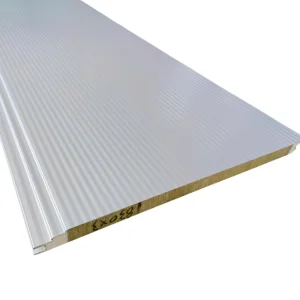
Tailored compliance with Osaka's energy saving codes, achieving low U-values for reduced operational carbon footprints.
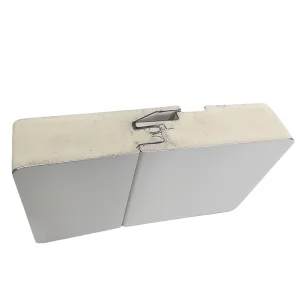
Interlocking joints designed to withstand Kansai's wind load requirements and seismic structural shifts.
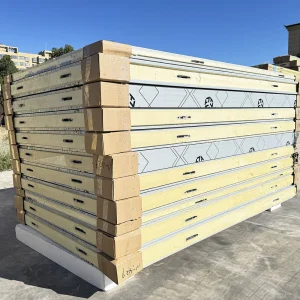
PIR and PUR panels providing seamless thermal barriers down to -40°C, ideal for Nanko Port commercial food cold rooms.
Ningbo Jonas Build Co., Ltd. is a professional China industrial construction panel manufacturer specializing in insulated building panel solutions for global industrial and commercial construction projects. With extensive industry experience and advanced manufacturing capabilities, the company is committed to delivering high-quality, energy-efficient, and customized panel systems that meet the diverse requirements of customers worldwide. Our focus on Japanese market requirements ensures that every structural panel exported to Osaka meets strict quality management systems and precise dimensional tolerances.
Operating out of our modern production facility in Ningbo—strategically located near the Ningbo-Zhoushan Port—we offer an unparalleled supply chain advantage for developers in Osaka. With direct shipping lines from Ningbo Port to the Port of Osaka, transit times are minimized to just 3 to 5 days. This enables just-in-time delivery schedules, reducing on-site inventory pressures for Japanese builders.
Our facility features German-engineered continuous polyurethane foaming lines and precision automated sheet metal bending systems. Unlike regional fabricators, our macro-scale operations guarantee absolute consistency in density distribution, fire retardancy values, and dimensional accuracy across thousands of square meters. This industrial capacity translates to a significant cost advantage, allowing us to supply Japanese projects with premium PIR, PUR, and Mineral Wool panels at highly competitive prices, fully backed by international certifications.
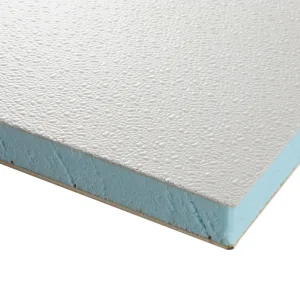
Our thick PU/PIR sandwich panels are designed with tongue-and-groove joints combined with integrated gaskets to eliminate thermal bridging. For seafood processing and refrigerated facilities near the Port of Osaka, these panels prevent temperature leakage, decrease energy demand on compressor units, and feature food-grade, corrosion-resistant surface coatings.
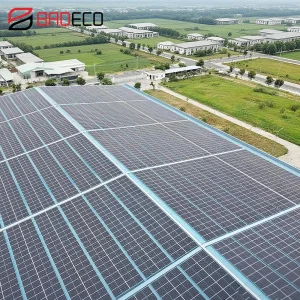
Under Japan's rooftop solar expansion policies, our Building Integrated Photovoltaic (BIPV) systems combine high-durability 360° lock seam roofing panels with efficient solar cells. This allows Osaka logistics providers to transform static storage facilities into energy-generating assets, achieving faster ROI and green certifications.
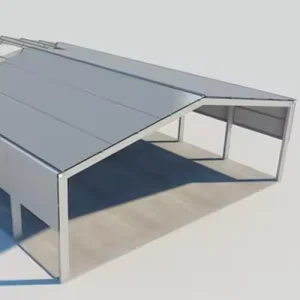
Jonas Build delivers complete structural panel envelopes—including wind-resistant exterior walls, structural framework, and internal partitions. These modular systems significantly reduce field-assembly schedules in high-cost labor zones like Osaka, reducing overall project timelines by up to 40%.
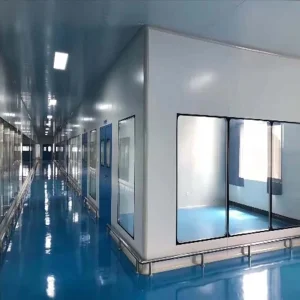
For semiconductor, precision optics, and medical device manufacturing plants in the Kansai scientific corridors, we manufacture customized modular cleanroom panels. Designed with anti-static surfaces and precision-machined interlocking joints, they ensure complete airtightness and cleanroom validation readiness.
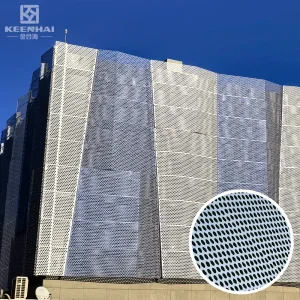
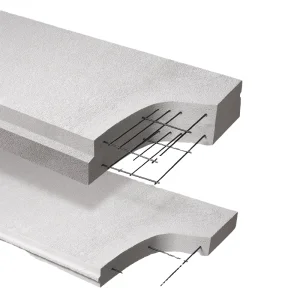
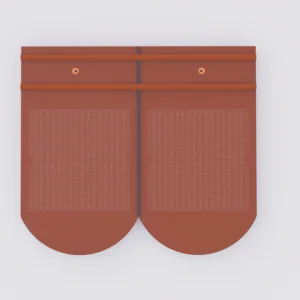
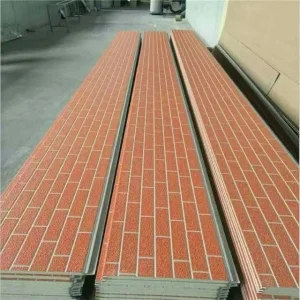
Discover our comprehensive range of wall cladding, roofing systems, cleanroom partitions, and specialized panel components.
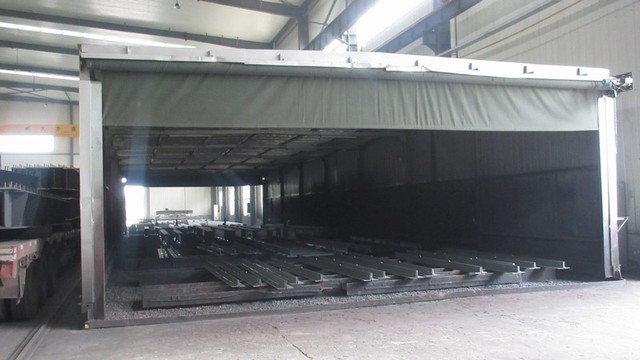
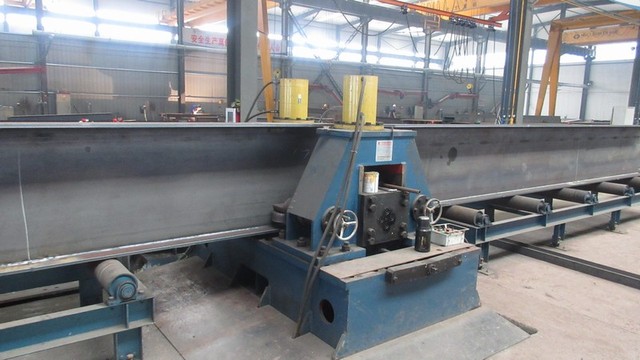
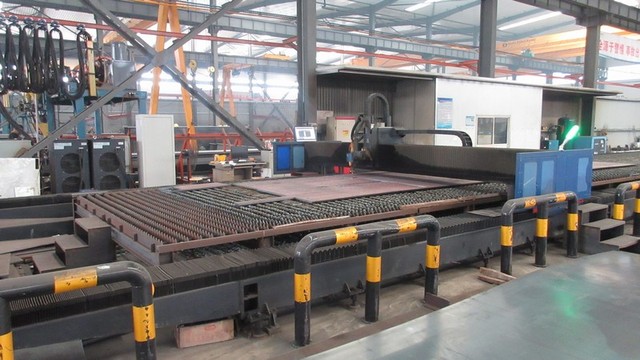
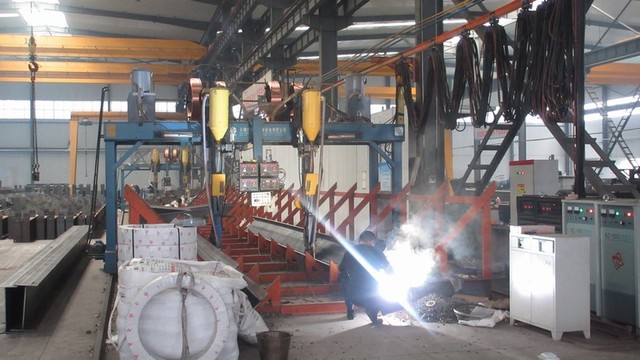
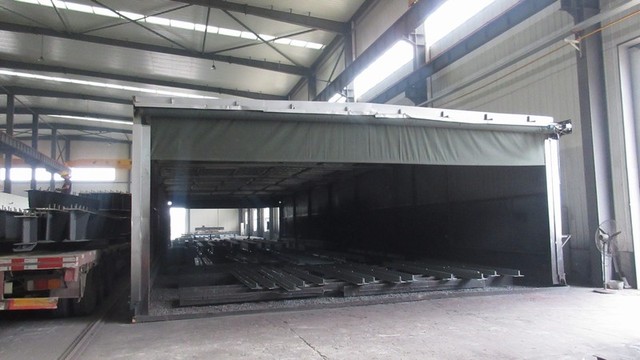
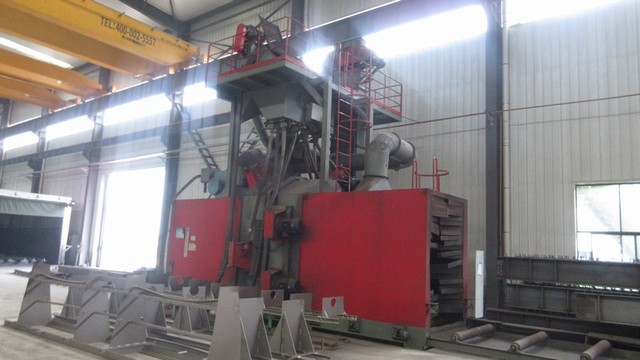
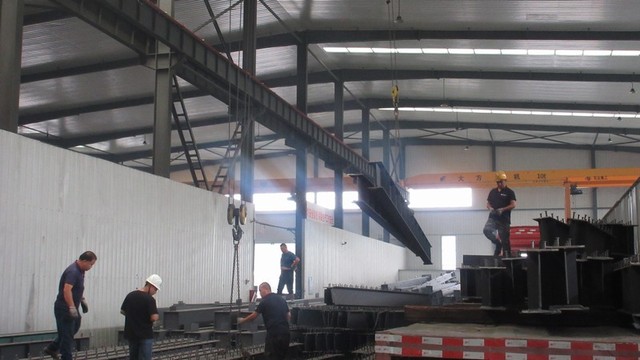
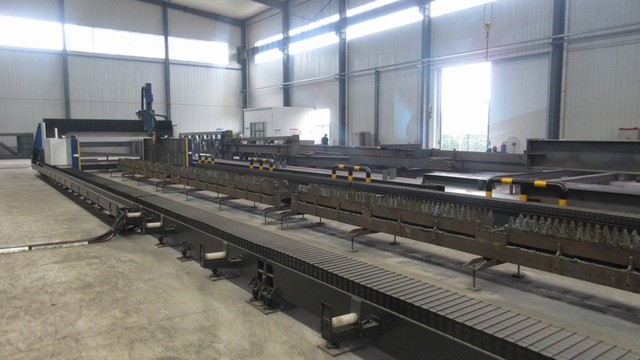
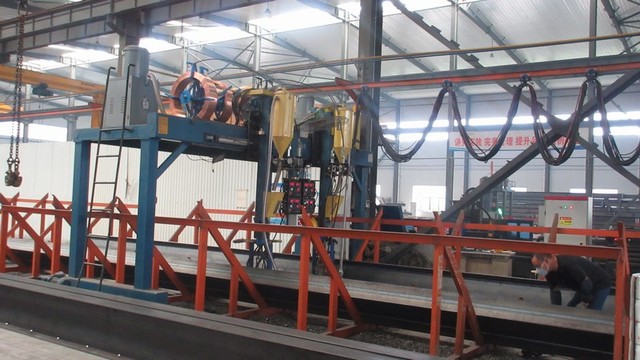
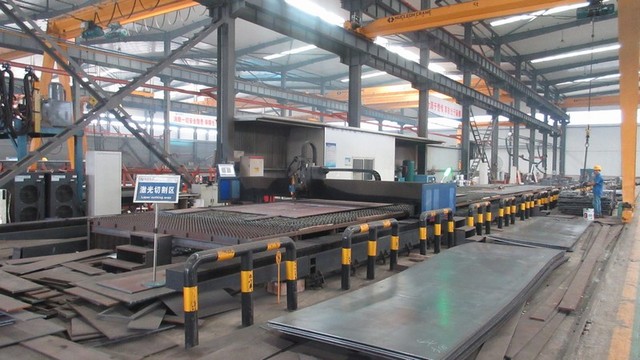
Inside our advanced manufacturing units equipped with high-precision continuous polyurethane lines, processing equipment, and heavy testing bays.
To help engineers and project managers in Osaka specify the correct building envelope components, we provide the following standard structural and physical parameters for our flagship Polyisocyanurate (PIR) and Polyurethane (PUR) sandwich wall and roof systems:
| Panel Thickness (mm) | Thermal Conductivity (W/m·K) | U-Value (W/㎡·K) | Fire Resistance Rating | Density Range (kg/㎥) |
|---|---|---|---|---|
| 50mm | 0.020 - 0.022 | ~ 0.40 | Grade B1 / Non-combustible core | 38 - 42 kg/㎥ |
| 100mm | 0.020 - 0.022 | ~ 0.20 | Grade B1 / A1 class options | 40 - 42 kg/㎥ |
| 150mm | 0.019 - 0.021 | ~ 0.14 | Class 1 fire safety compliant | 40 - 45 kg/㎥ |
| 200mm | 0.019 - 0.021 | ~ 0.10 | Class 1 / Sub-zero cold chain standard | 42 - 45 kg/㎥ |
While both materials use polyurethane chemistry, polyisocyanurate (PIR) features a ring-like molecular structure that provides significantly higher thermal stability and fire performance. For high-density urban areas and harbor-side zones in Osaka, we recommend PIR cores. The chemical cross-linking allows these panels to char rather than melt when exposed to high heat source loads, slowing fire propagation and smoke emission. This characteristic makes them highly compatible with standard commercial building regulations throughout Japan.
Because Osaka is situated in a region prone to high wind gusts during typhoon seasons and seismic events, construction envelopes must meet stringent mechanical design targets. Our panels are built with male-female joints and specialized pressure-distribution gaskets to absorb lateral shear stress during earthquakes. The load span graphs below outline the maximum allowable span distance under varying wind loads (Pa) for our wall systems:
With an average external skin thickness of 0.5mm to 0.7mm high-strength steel (typically galvanized with Z275 coatings or Alu-Zinc finishes), the structural integrity of Jonas Build panels ensures that industrial buildings remain stable during extreme weather events. The panels can safely support load configurations of up to 2.5 kPa without structural deformation, satisfying Kansai wind load standards.
Answers to common structural, thermal, and logistical queries from architects and project managers in Osaka.
Yes. We manufacture our panels using premium raw materials that meet ISO, CE, and equivalent international testing parameters. For custom developments in Japan, we coordinate with engineers to ensure raw material specifications align with local structural, seismic, and fire ratings (such as JIS A 9521 thermal criteria).
The typical transit time from Ningbo Port to Osaka Port is 3 to 5 days. Accounting for order processing, continuous production sequencing, packaging, and export customs clearance, our clients in Osaka typically receive their panels within 2 to 3 weeks of drawing approval.
We use heavy-duty protective packaging. Every stack of sandwich panels is wrapped in water-resistant plastic sheeting and supported by solid foam blocks. The bundles are loaded into containers using specialized air bags to prevent shifting during maritime transit, ensuring the panels arrive at your site in Osaka ready for installation.
Yes. We offer a wide range of external profile finishes, including flat, micro-ribbed, and corrugated designs. Skin finishes can be customized in various RAL colors using durable coatings like PVDF, HDP, or PE, which provide excellent UV resistance in coastal environments like Osaka Bay.
Yes. We cut the panels to your exact layout specifications during our continuous manufacturing process. Panels can be produced in lengths up to 11.8 meters to match the dimensions of a standard 40ft High Cube container, reducing on-site waste and speeding up construction.
Our tongue-and-groove joints utilize elastic sealant rings and flexible fasteners. Rather than behaving as a rigid shell, the panel siding system allows for minor movement, dispersing lateral seismic forces without cracking or separating from the main steel framework.
Contact our technical engineering team for U-value calculations, load span analysis, customized product configurations, and sea-freight logistics quotes.
 Jonas Build