Riyadh represents one of the most demanding environmental climates globally, characterized by intense dry heat, ambient summer temperatures exceeding 50°C, and severe sandstorms. Under the structural guidelines of Saudi Vision 2030, commercial and industrial developments must comply with strict energy conservation frameworks. The Saudi Standards, Metrology and Quality Organization (SASO) and the Saudi Building Code (SBC) mandate a high-efficiency thermal envelope to curb energy consumption caused by excessive cooling requirements.
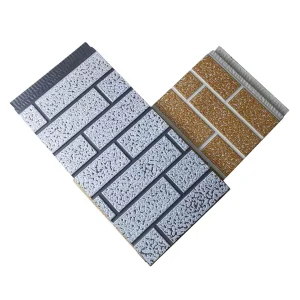
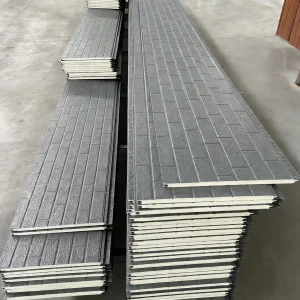
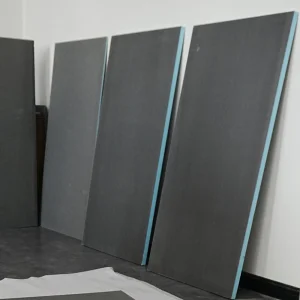
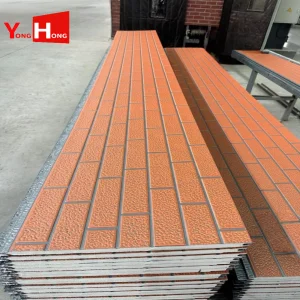
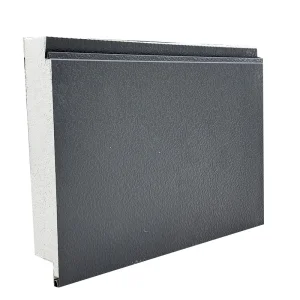
Traditional structural masonry cannot economically meet the new SBC 601/602 energy conservation codes. This gap has made prefabricated insulation panels, particularly steel facade systems featuring a PU foam core, the standard solution for Riyadh’s construction sector. These composite panels serve as load-bearing structural walls, dynamic exterior facades, and superior thermal barriers, ensuring long-term operational savings and fire compliance.
We manage door-to-door logistics from our automated Chinese manufacturing hub to major industrial zones in Riyadh, including MODON Industrial Cities and the King Salman Energy Park (SPARK).
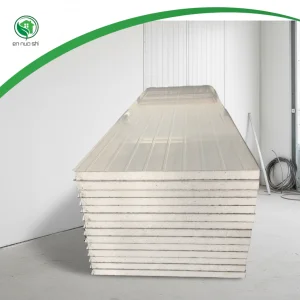
Our sandwich panels are manufactured with high-density PIR core formulations that meet Class B-s1, d0 fire rating criteria under standard testing, aligning with KSA Civil Defense requirements.
Riyadh's structural engineering calls for dynamic wind pressure resilience up to 1.5 kPa. Our panel joints feature double-tongue-and-groove geometry with integrated weather-stripping.
Ningbo Jonas Build Co., Ltd. is a professional China industrial construction panel manufacturer specializing in insulated building panel solutions for global industrial and commercial construction projects. With extensive industry experience and advanced manufacturing capabilities, the company is committed to delivering high-quality, energy-efficient, and customized panel systems that meet the diverse requirements of customers worldwide.
The company provides a comprehensive range of products, including insulated sandwich panels, industrial wall panels, roofing panels, cold room panels, cleanroom panels, fire-rated panels, and customized building envelope solutions. Designed for superior thermal performance, structural reliability, and rapid installation, these products are widely used in industrial plants, warehouses, logistics centers, cold storage facilities, commercial buildings, modular construction projects, and infrastructure developments.
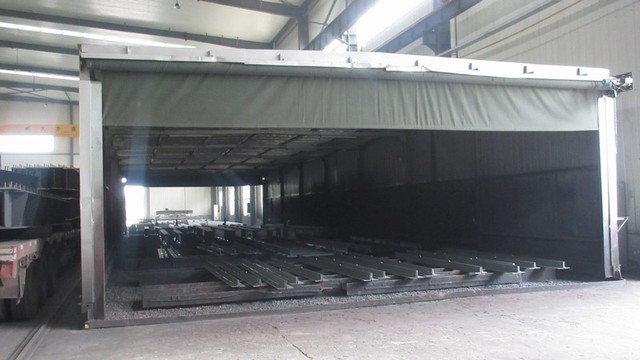
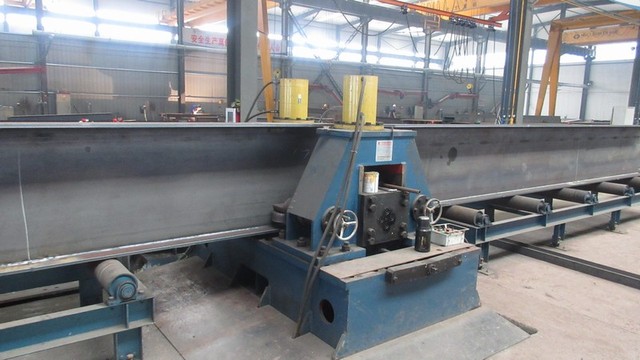
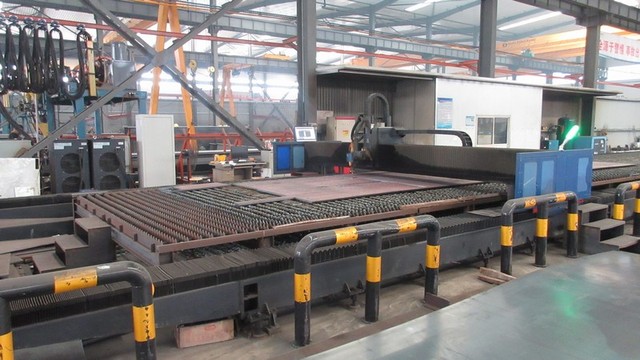
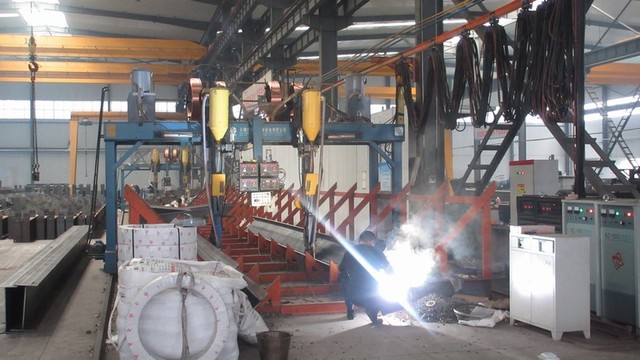
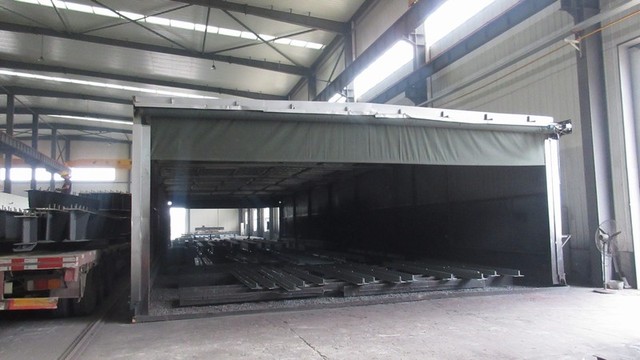
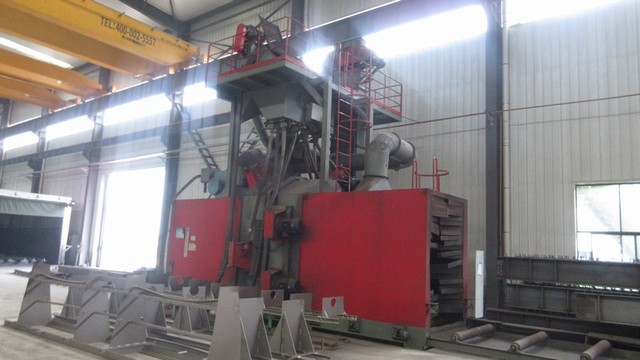
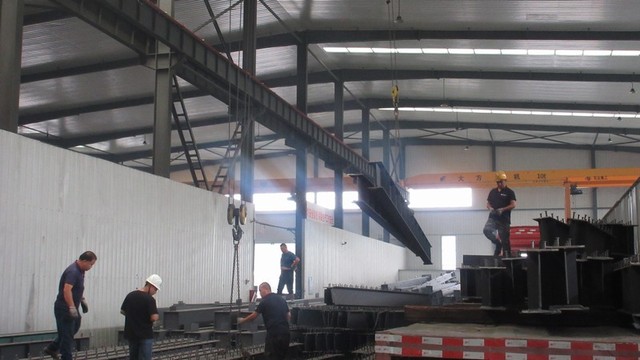
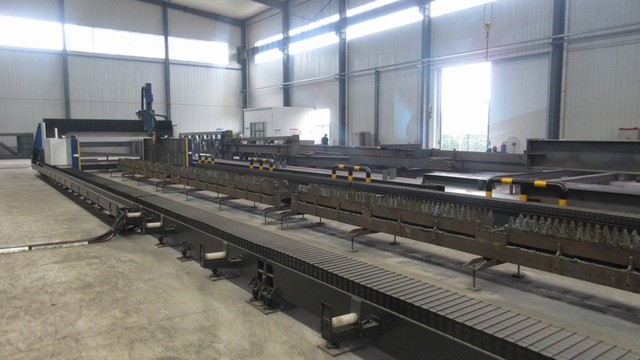
Ningbo Jonas Build Co., Ltd. operates modern production facilities equipped with advanced automated manufacturing lines, precision processing equipment, and strict quality inspection systems. Supported by a skilled team of engineers and technical specialists, the company offers one-stop services covering project consultation, product design, manufacturing, quality assurance, packaging, and international logistics coordination.
Innovation, quality, and sustainability are the core values driving the company's development. By utilizing advanced production technologies and premium raw materials, Jonas Build continuously enhances product performance in thermal insulation, fire resistance, weather protection, and energy efficiency. The company's panel systems help customers reduce construction time, lower operating costs, and improve overall building performance.
Committed to excellence and customer satisfaction, Ningbo Jonas Build Co., Ltd. has established long-term business relationships with clients across Asia, Europe, the Middle East, Africa, and the Americas. The company remains dedicated to providing reliable insulated building panel solutions that support sustainable construction and create long-term value for customers worldwide.
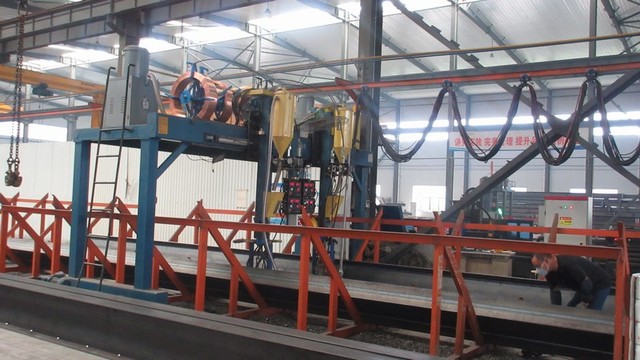
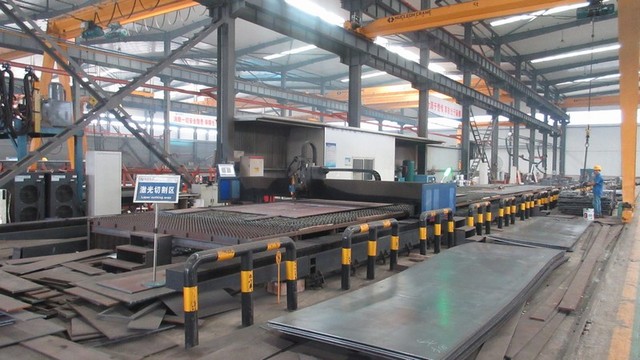
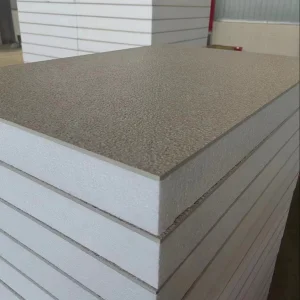
Selecting structural panels for projects in Riyadh requires analyzing core chemistry, density distribution, and thermal values. Our Polyurethane (PU) and Polyisocyanurate (PIR) cores are manufactured using high-pressure foam injection equipment, which ensures a closed-cell ratio exceeding 95%. This prevents moisture migration and maintains insulation values over decades of use.
| Core Type | Density (kg/m³) | Thermal Conductivity (W/m·K) | Fire Classification (EN 13501-1) | Standard Thickness Range | Typical Local Applications |
|---|---|---|---|---|---|
| Polyisocyanurate (PIR) | 40 - 42 | 0.020 - 0.022 | Class B-s1, d0 | 50mm - 200mm | High-security cold rooms, industrial mega-warehouses |
| Polyurethane (PU) | 38 - 40 | 0.022 - 0.024 | Class B2 / B3 | 40mm - 150mm | Standard industrial sheds, site offices, modular partitions |
| Expanded Polystyrene (EPS) | 15 - 25 | 0.033 - 0.038 | Class E (Fire retardant added) | 50mm - 250mm | Acoustic partitioning, economy architectural claddings |
| Rockwool (Mineral Fiber) | 100 - 120 | 0.038 - 0.044 | Class A1 (Non-combustible) | 50mm - 150mm | High-hazard manufacturing facilities, firewalls |
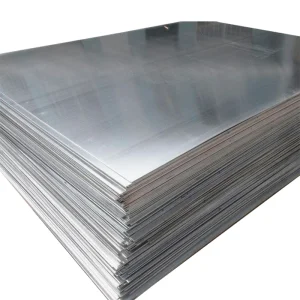
Securing municipal building approvals in Riyadh requires strict compliance with KSA engineering codes. Ningbo Jonas Build Co., Ltd. manufactures panels with raw steel sourced from premium mills, featuring hot-dip galvanization (minimum AZ150 zinc-aluminum coating) and PVDF exterior paints. This prevents chalking, fading, and chemical corrosion caused by sandstorms and UV exposure.
Our export panels are tested to meet the requirements of the Saudi Building Code (SBC). This includes verifying structural load carrying capacities under wind deflection limits and checking that thermal transmission values conform to SBC 601/602 mandates.
Before specifying PU or Steel Facade panels in Riyadh, ensure the following parameters match your structural design calculations:
With temperatures reaching extreme highs in Riyadh, cold storage warehouses for agricultural products, pharmaceuticals, and frozen foods require stable thermal performance. Our thick-gauge PIR sandwich panels (up to 200mm) prevent thermal bridging and seal joints to maintain sub-zero temperatures inside.
Riyadh’s expanding industrial zones require rapid, cost-effective structural systems. Our lightweight steel sandwich panels enable fast assembly of exterior envelopes, helping developers meet strict commissioning schedules for factory units.
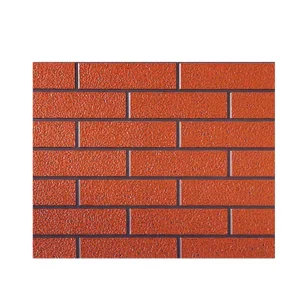
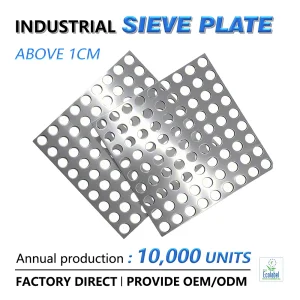
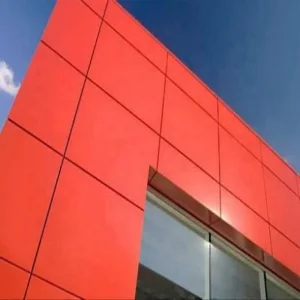
Modern commercial projects in Riyadh require high-quality aesthetics. Our pre-weathered Corten steel panels, custom perforated screens, and PVDF-coated aluminum composite claddings help architects design functional, visually striking facades.
As Saudi Arabia works toward net-zero targets by 2060, building materials must adapt. Jonas Build is actively researching next-generation core formulations, including bio-polyols derived from agricultural waste, which lower the embodied carbon footprint of PU/PIR panels without compromising thermal performance.
Additionally, we are exploring PV-integrated sandwich panel systems (BIPV). By combining thin-film photovoltaic cells directly onto our steel facade panels, industrial buildings in Riyadh can generate solar energy directly from their facades, transforming standard walls into active clean power generation systems.
Need thermal engineering data, sample panels, or localized logistics assistance for industrial zones in Saudi Arabia? Contact our technical sales office today.
Send Inquiry NowFor cold rooms and clean rooms in Riyadh, Polyisocyanurate (PIR) core panels are highly recommended. They provide superior thermal efficiency (thermal conductivity: 0.020 - 0.022 W/m·K) and excellent fire ratings (Class B-s1, d0), helping maintain stable interior temperatures despite extreme outdoor heat.
Our panels are manufactured to comply with SBC 601/602 energy conservation codes and SBC 301 structural load standards. We design panel configurations that meet the required U-values (typically below 0.31 W/m²·K for walls) based on target regional zones, and provide test reports for wind load deflection, density, and core chemistry.
Yes. We apply a specialized multi-layer PVDF (polyvinylidene fluoride) or HDP (high-durability polyester) coating to our exterior steel sheets, with a minimum coating thickness of 25 microns. This provides high UV resistance, protects against color fading, and prevents scratching from blowing sand.
Typical production times at our automated manufacturing lines range from 15 to 20 days, depending on custom profile requirements. Sea freight from Chinese ports (Ningbo/Shanghai) to Jeddah Islamic Port or King Abdulaziz Port in Dammam takes approximately 18 to 25 days, followed by land transport to Riyadh.
Our panels feature a double-tongue-and-groove joint profile with factory-applied internal gaskets and sealant channels. This dry-joint design creates an air-tight barrier, preventing dust and hot air infiltration under desert wind pressure.
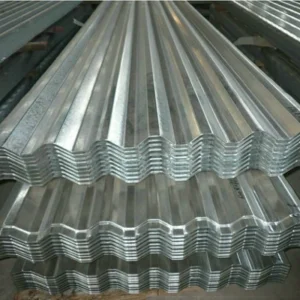
Yes. We offer fully customizable panel thicknesses (from 40mm to 200mm), joint profiles, and exterior colors in the RAL color system. Structural steel facing profiles can be ordered in micro-ribbed, flat, wave, or custom-embossed patterns to match architectural specifications.
 Jonas Build