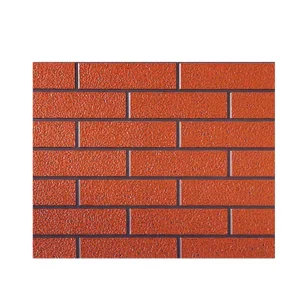
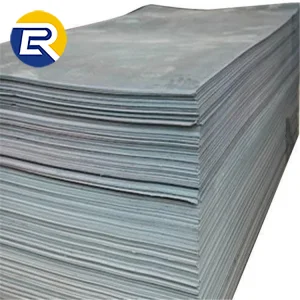
Engineered for high thermal comfort, fire safety, and environmental durability. The ideal choice for Brazil's commercial facades and infrastructure projects.
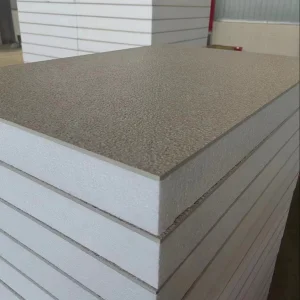
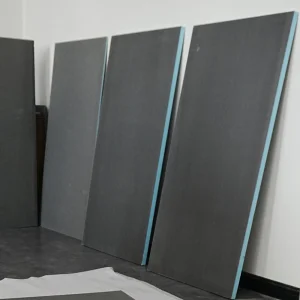
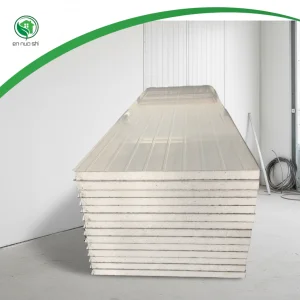
In recent years, the Brazilian construction landscape has undergone a major paradigm shift. Traditional concrete and wet-trade brick masonry are rapidly giving way to fast-assembly, high-durability dry envelope systems. From the agricultural shipping hubs of Mato Grosso to the logistics corridors of São Paulo (Campinas, Jundiaí, Guarulhos) and the coastal ports of Paranaguá and Santos, the demand for pre-engineered steel facade panels has surged.
This acceleration is driven by several key factors: the need to reduce construction cycles, strict regional thermal performance mandates under ABNT NBR 15575, and the extreme weather patterns typical of Brazil. In the humid tropical North and Northeast regions, building envelopes must survive heavy UV exposure and highly corrosive marine salt spray. Meanwhile, the cooler South requires thermal insulation systems that prevent thermal bridging during winter while maintaining comfortable interiors during humid summers without over-relying on active HVAC operations.
Choosing the correct steel facade panel is not just an aesthetic decision; it is a critical engineering requirement. Brazil's unique climate categories require specific architectural responses:
Ningbo Jonas Build Co., Ltd. is a professional China industrial construction panel manufacturer specializing in insulated building panel solutions for global industrial and commercial construction projects. With extensive industry experience and advanced manufacturing capabilities, the company is committed to delivering high-quality, energy-efficient, and customized panel systems that meet the diverse requirements of customers worldwide.
For Brazilian B2B buyers, importing directly from a specialized Chinese manufacturer like Jonas Build offers unmatched economic and technical advantages. By combining state-of-the-art continuous foaming and panel profiling lines with Ningbo's massive logistics infrastructure (home to the Ningbo-Zhoushan Port, the world's busiest port by cargo tonnage), we offer seamless container logistics directly to Santos, Itajaí, and Pecém.
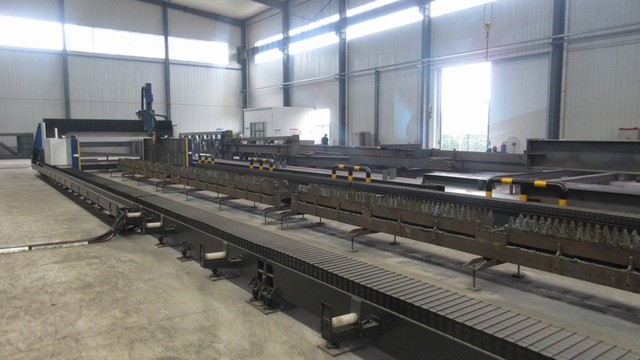
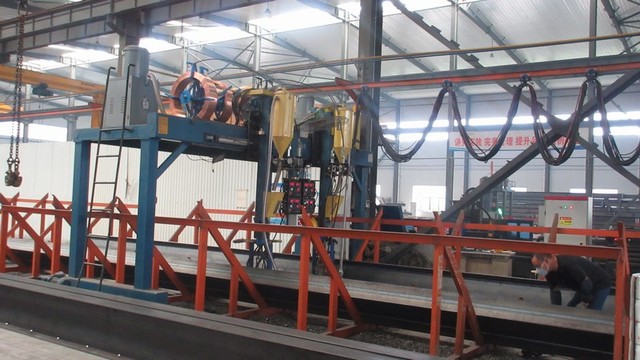
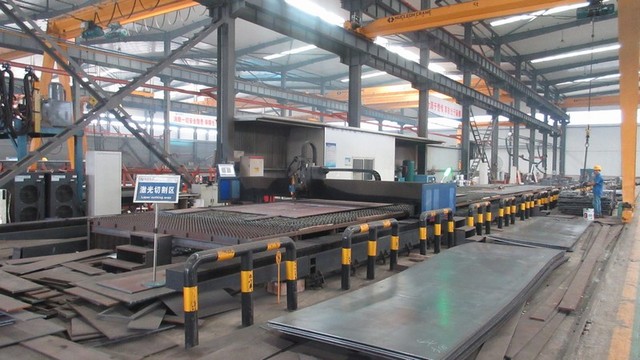
High-precision automated continuous manufacturing guarantees uniform core density, perfect interlocking joints, and precise dimensional control for airtight designs.
All structural panels undergo strict fire performance, thermal conductivity, and mechanical load testing in compliance with ASTM, EN, and Brazilian ABNT standards.
Experienced in South American logistics, custom packaging, and maritime protective coatings. We optimize container space to reduce overall landed costs.
The company provides a comprehensive range of products, including insulated sandwich panels, industrial wall panels, roofing panels, cold room panels, cleanroom panels, fire-rated panels, and customized building envelope solutions. Designed for superior thermal performance, structural reliability, and rapid installation, these products are widely used in industrial plants, warehouses, logistics centers, cold storage facilities, commercial buildings, modular construction projects, and infrastructure developments.
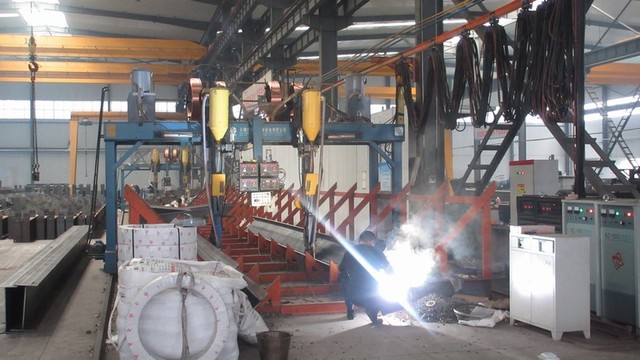
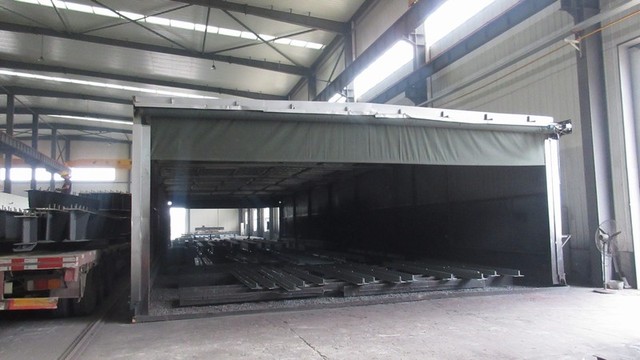
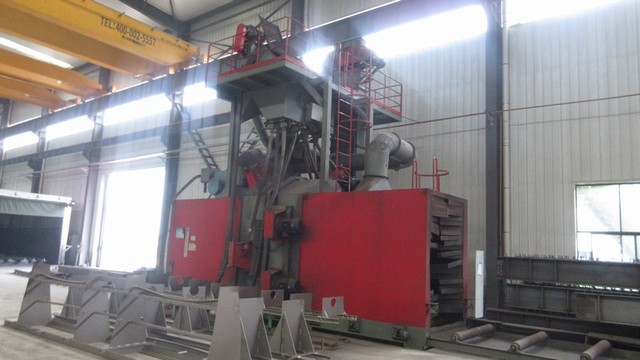
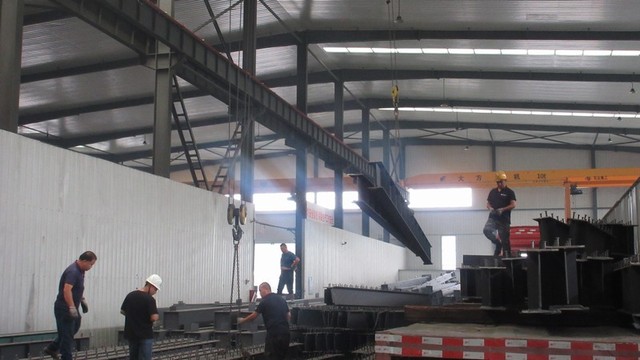
Jonas Build operates modern production facilities equipped with advanced automated manufacturing lines, precision processing equipment, and strict quality inspection systems. Supported by a skilled team of engineers and technical specialists, the company offers one-stop services covering project consultation, product design, manufacturing, quality assurance, packaging, and international logistics coordination.
Innovation, quality, and sustainability are the core values driving the company's development. By utilizing advanced production technologies and premium raw materials, Jonas Build continuously enhances product performance in thermal insulation, fire resistance, weather protection, and energy efficiency. The company's panel systems help customers reduce construction time, lower operating costs, and improve overall building performance.
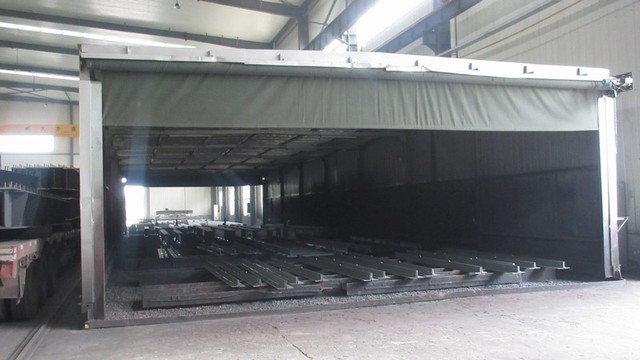
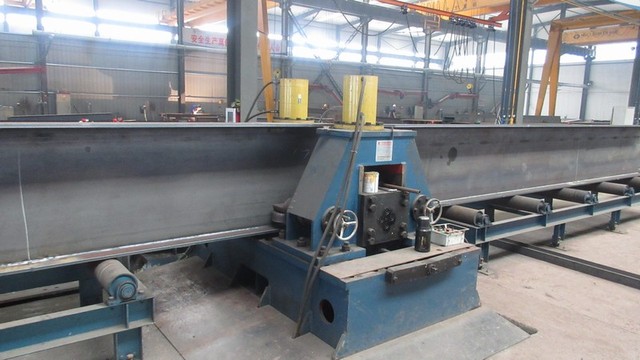
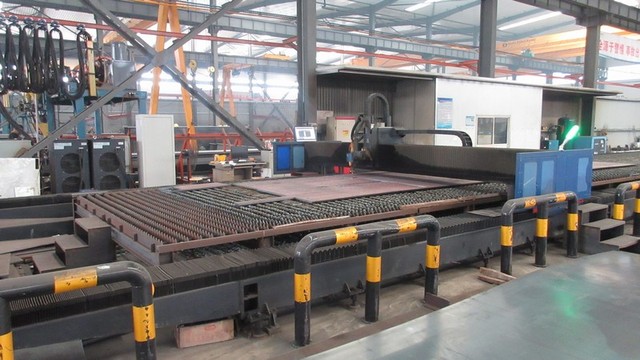
Different building profiles require distinct mechanical and chemical configurations. Jonas Build designs tailored facade packages for Brazil’s primary growth sectors:
As one of the world's leading agricultural exporters, Brazil has high demand for high-capacity cold storage warehouses (e.g., in Paraná, Santa Catarina, and Mato Grosso). Our PU/PIR sandwich panels are designed with advanced joints to eliminate thermal bridging, preventing energy leakage and condensation in high-humidity areas. This protects stored grains, meat, and dairy products under strict thermal controls.
For large-scale assembly hubs and distribution centers, particularly in Manaus Free Trade Zone (Zona Franca de Manaus) and major hubs in São Paulo state, safety and structural span capabilities are key. Our fire-resistant mineral wool and EPS panels provide class-leading structural strength, allowing for wide support spans and reduced structural steel framing requirements, while also complying with regional Fire Department (Corpo de Bombeiros) requirements.
Architects designing airports, premium retail outlets, and corporate offices in cities like Rio de Janeiro, Salvador, and Recife require striking visual designs that are resistant to saltwater corrosion. Jonas Build provides customized PVDF-coated steel, stainless steel, and pre-weathered Corten steel panels. These combine beautiful modern aesthetics with long-term protection against harsh sea-salt environments.
Importing industrial building materials into Brazil requires navigating specific regulatory and logistics processes. To ensure a smooth B2B procurement cycle, Jonas Build provides comprehensive support for every step of the import process:
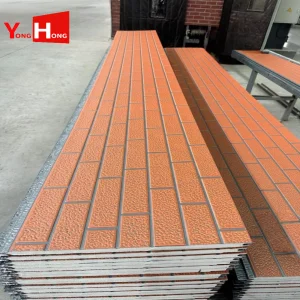
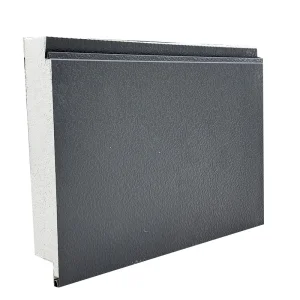
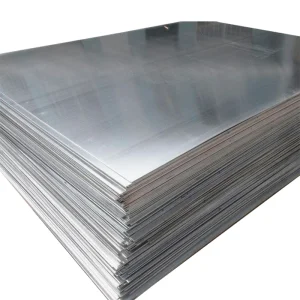
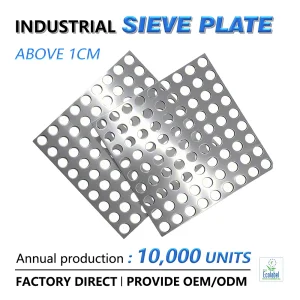
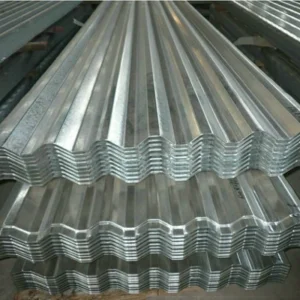
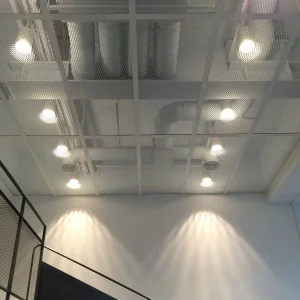
Explore our extensive range of metal panels, perforated sheets, and advanced sandwich structures designed for modern building projects in Brazil.
Find expert answers to common technical, regulatory, and logistics questions about importing steel facade panels to Brazil.
Our architectural and industrial wall panels are engineered to meet the thermal, acoustic, and structural safety requirements of NBR 15575. We design panel cores (PIR, PUR, Mineral Wool) with verified thermal conductivity (k-values) to comply with Brazilian bioclimatic zoning regulations. We provide testing certifications verifying structural load performance and acoustic attenuation values.
For coastal applications within C4 or C5 high-corrosive marine environments, we recommend a Galvalume substrate (AZ150, 150g/m² aluminum-zinc alloy coating) paired with a 25-micron PVDF (Polyvinylidene Fluoride) topcoat. PVDF provides excellent resistance to salt air, chemical pollutants, and UV radiation, preventing chalking and color fading over time.
For strict fire safety compliance required by regional Fire Departments (Corpo de Bombeiros) for AVCB clearance, we recommend our Rockwool (Mineral Wool) core panels, which are classified as Class A non-combustible materials. Alternatively, our self-extinguishing PIR (Polyisocyanurate) cores offer excellent fire resistance ratings (often Class II-A under local standards) combined with outstanding thermal performance.
Production lead times at our automated Ningbo facility typically range from 15 to 20 days depending on the customization required. Sea transit from Ningbo-Zhoushan Port to major Brazilian ports (Santos, Paranaguá, Pecém) is approximately 35 to 45 days. We coordinate closely with your logistics team to align shipping schedules with your construction timelines.
All panel surfaces are protected by a peel-off PE protective film to prevent scratching during handling. Panels are stacked with interlaid protective foam sheets, bundled into rigid, export-grade packages, and secured inside ocean containers using heavy-duty webbing and bracing to prevent movement during transit. We also include moisture absorbers to prevent condensation damage during ocean transport.
Yes. Jonas Build provides customized fabrication services, including custom panel lengths (up to 11.8 meters to fit standard 40ft containers), custom profiling (micro-ribbed, wave, smooth), and specialized corner and flashing details. Our engineering department can assist with drafting and optimization to ensure fast, waste-free installation on-site.
Contact the engineering and sales team at Ningbo Jonas Build Co., Ltd. for custom panel drawings, thermal performance calculations, and competitive factory-direct quotes.
Send Inquiry Now Jonas Build