Explore our high-performance architectural solutions designed for durability, fire-safety, and thermal efficiency.
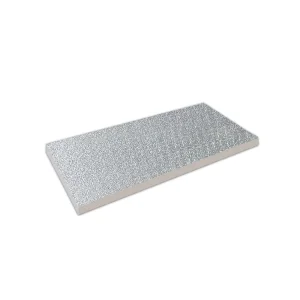

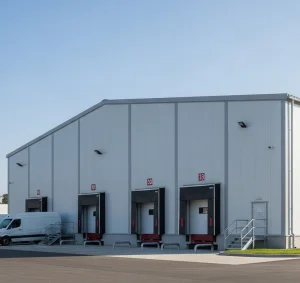
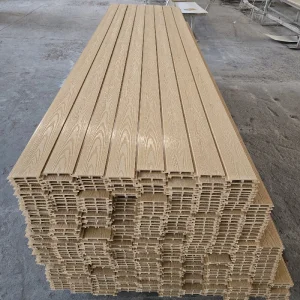
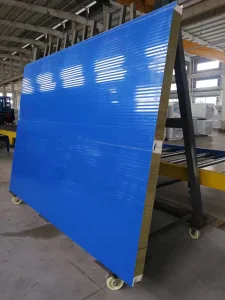
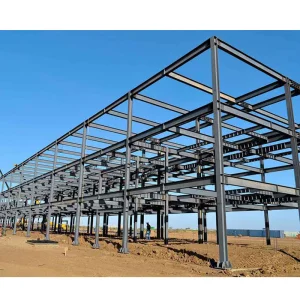
As a leading China industrial construction panel manufacturer, Ningbo Jonas Build Co., Ltd. is committed to delivering state-of-the-art building envelope systems. We specialize in engineering and manufacturing CE-certified insulated sandwich panels, high-performance roofing profiles, and structural claddings for commercial, logistics, and pharmaceutical infrastructure.
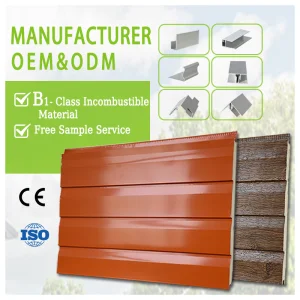
Our solutions prioritize thermal management, acoustic dampening, structural load-bearing efficiency, and strict compliance with European and American fire regulations (including EN 13501-1 Class A1 and B1 standards). By combining continuous double-belt automated lamination lines with high-performance chemistry cores—such as PIR, Phenolic, and Structural Rock Wool—we ensure every panel delivers exceptional physical longevity and low thermal degradation over its structural lifecycle.
Jonas Build serves as a reliable global partner, providing integrated support from preliminary design consulting and building envelope layout engineering through to international logistic coordination and structural installation supervision.
Analysing the critical macroeconomic factors, regulatory requirements, and technical criteria driving architectural panel design worldwide.
The industrial and commercial construction sector is undergoing a rapid transition toward energy-efficient, fast-track building methods. Globally, governments and builders are prioritizing envelope materials that reduce carbon footprints while offering structural resilience against extreme weather events. In regions like Europe, strict implementation of the Construction Products Regulation (CPR) makes CE marking a mandatory requirement, ensuring that structural and safety metrics are verified by accredited third parties.
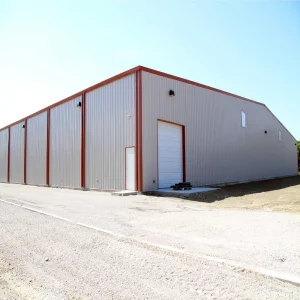
For large logistics centers, cold-storage chains, and complex cleanroom installations, standard site-built assemblies are being replaced by modular, pre-engineered structural panels. Selecting high-performance structural systems directly addresses issues like continuous thermal resistance, air leakage control, and fire protection. High-durability structural panels protect assets, ensure safe environments, and lower operational overheads throughout a facility's lifecycle.
Polyurethane and Polyisocyanurate (PIR) cores offer exceptionally low thermal conductivity (down to 0.020 W/m·K), ensuring stable indoor climates and protecting perishable assets in cold storage facilities.
Our mineral rock wool core configurations achieve non-combustibility classifications under EN 13501-1 Class A1. They prevent vertical and lateral flame spread in highly regulated pharmaceutical and cleanroom facilities.
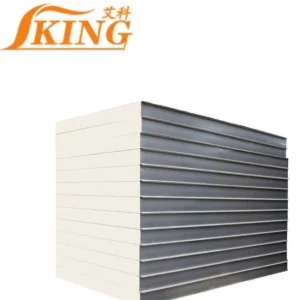
High-tensile zinc-coated steel skins combined with dense insulating foam cores form a strong sandwich structure. These panels resist high wind pressures, seismic movements, and heavy roof snow loads.
Developing next-generation structural panels that focus on performance, environmental sustainability, and circular economy design principles.
Formulating ozone-safe, zero-global-warming-potential (GWP) blowing agents. These agents achieve high R-values without releasing toxic halogenated compounds during fire events.
Integrating mineral rock wool cores with polyurethane edge seals. This design delivers Class A fire protection alongside the excellent thermal seals of traditional polymer insulation.
Developing modular structural panel configurations with built-in channels for Building-Integrated Photovoltaics (BIPV). This allows roofs to generate energy while remaining lightweight and durable.
Custom-engineered panels designed to meet the strict demands of cold storage, high-tech manufacturing, and cleanroom facilities.
Maintaining precise temperature control is critical for food logistics, vaccine storage, and chemical warehousing. Our high-density polyurethane (PU/PIR) sandwich panels are manufactured with tight joint tolerances to prevent thermal bridging and air leaks.
Using pre-engineered joints speeds up project completion times. This allows fast erection of large structural steel frames while ensuring reliable thermal performance that reduces refrigeration system loads.
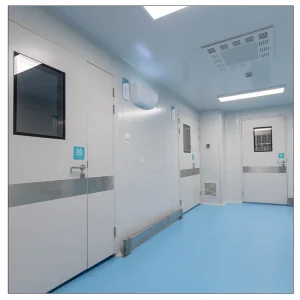
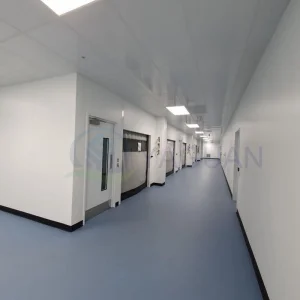
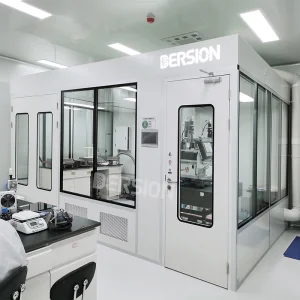
Pharmaceutical laboratories, semiconductor fabrication plants, and medical research cleanrooms require strictly controlled, dust-free environments. Our cleanroom-rated panels are designed to stand up to regular chemical sanitization, high air pressure differentials, and continuous airflow.
With class-leading fire safety ratings, flat flush-joint designs, and antistatic steel coatings, these panel systems prevent dust accumulation and meet ISO 14644 cleanroom criteria.
Answers to common questions about CE-certified insulated building panels and their structural applications.
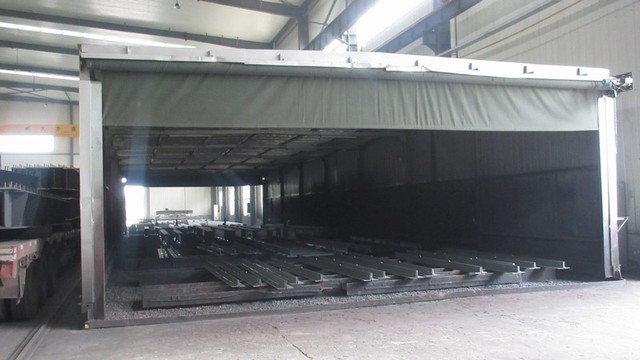
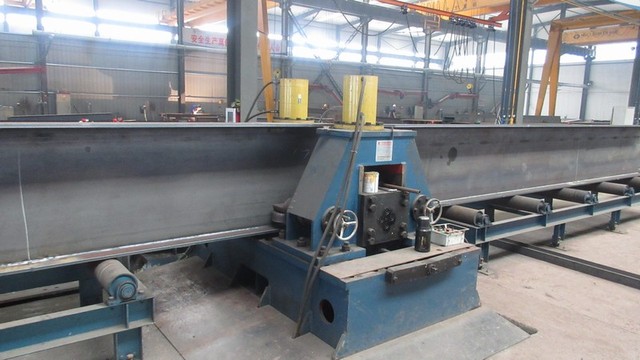
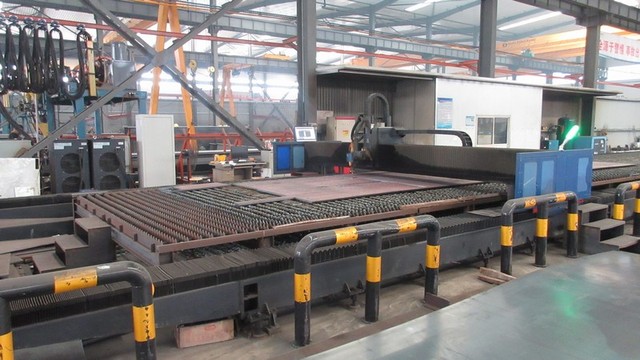
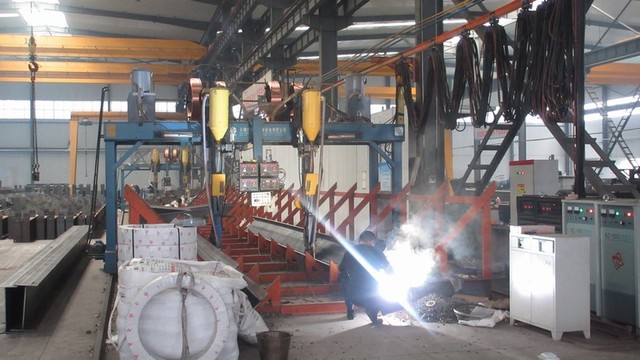
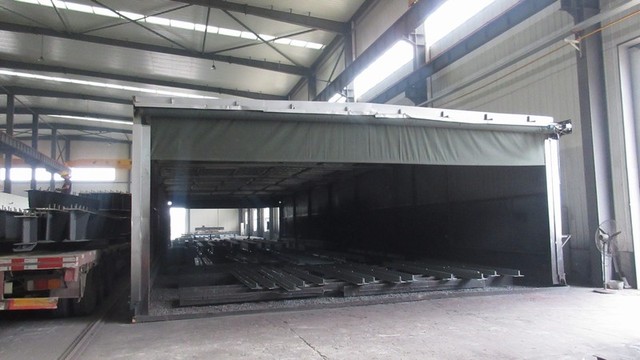
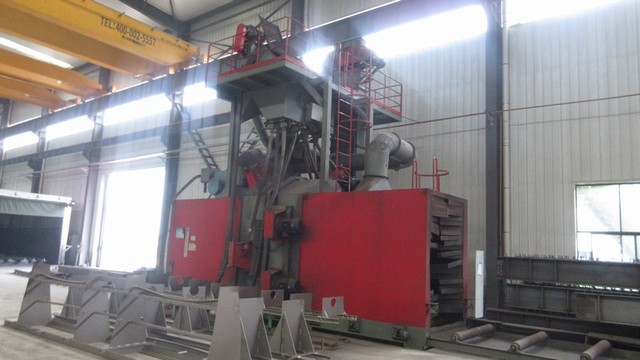
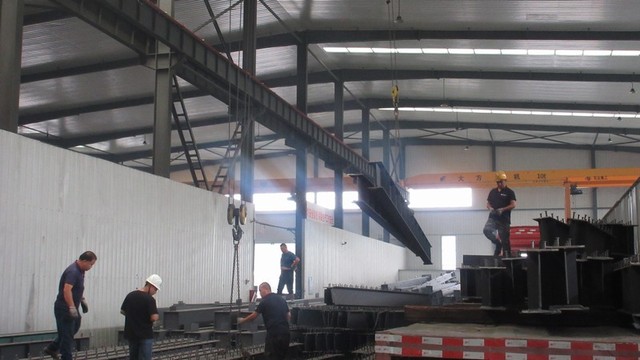
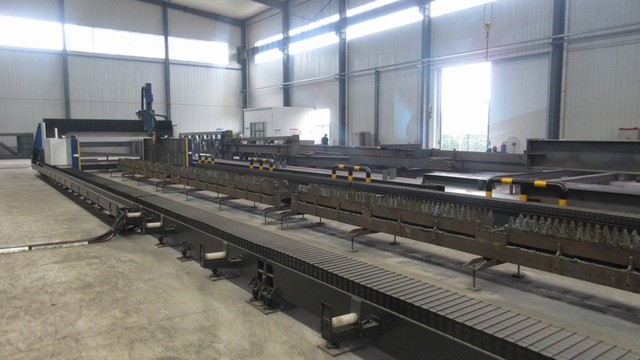
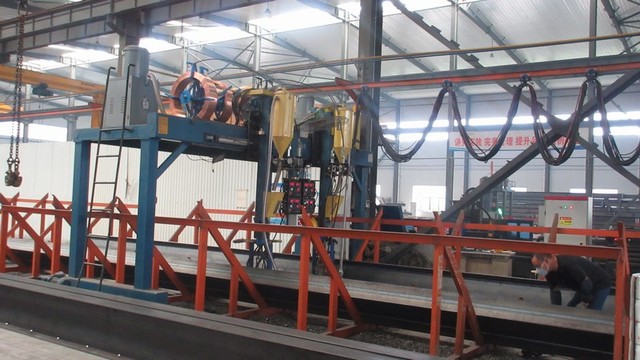
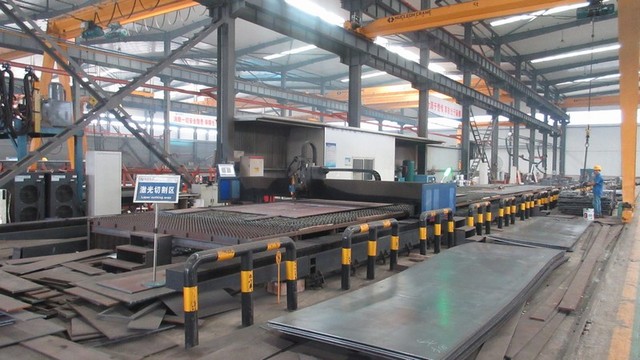
Inside the production facilities of Ningbo Jonas Build Co., Ltd.
Ningbo Jonas Build Co., Ltd. operates modern production plants equipped with fully automated continuous lamination lines. These computer-controlled manufacturing lines ensure precise chemical core dosing, even density distribution, and high-strength bonding between the steel skins and the insulation core. Our quality control system monitors production parameters at every stage—from checking incoming raw materials to verifying structural dimensions and final packaging. This consistent control ensures that every batch of panels meets strict international standards.
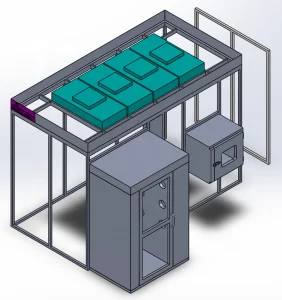
Explore our complete range of specialized cleanroom envelopes, modular partitions, and high-performance building systems.
 Jonas Build