The global demand for high-performance thermal insulation has entered a phase of unprecedented growth. Driven by stringent carbon neutrality mandates, rising energy costs, and the rapid expansion of temperature-sensitive logistics, industrial builders are shifting away from traditional insulation methods. Modern building envelopes must provide superior thermal resistance, strict fire protection compliance (such as EN 13501-1 and ASTM standards), and rapid assembly mechanisms to reduce structural lifecycle costs.
In regions like North America and the European Union, structural energy audits and ESG compliance require modern buildings to reduce heating and cooling losses by up to 40%. Concurrently, the booming semiconductor, pharmaceutical, and electronic manufacturing sectors have elevated the demand for customized cleanroom systems. These systems require advanced insulated composite panels that prevent airborne contamination while maintaining precise temperature and humidity controls.
Ningbo Jonas Build Co., Ltd. is a professional China industrial construction panel manufacturer specializing in insulated building panel solutions for global industrial and commercial construction projects. With extensive industry experience and advanced manufacturing capabilities, the company is committed to delivering high-quality, energy-efficient, and customized panel systems that meet the diverse requirements of customers worldwide.
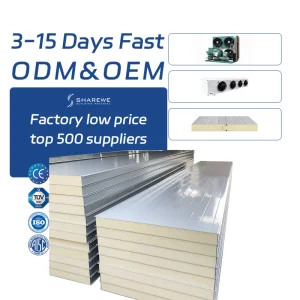
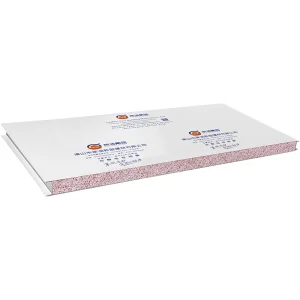
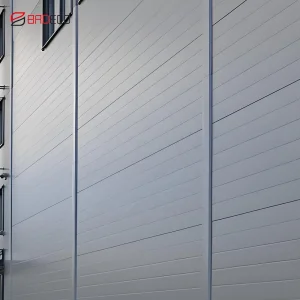
The company provides a comprehensive range of products, including insulated sandwich panels, industrial wall panels, roofing panels, cold room panels, cleanroom panels, fire-rated panels, and customized building envelope solutions. Designed for superior thermal performance, structural reliability, and rapid installation, these products are widely used in industrial plants, warehouses, logistics centers, cold storage facilities, commercial buildings, modular construction projects, and infrastructure developments.
Engineering Core Values: Innovation, quality, and sustainability are the core values driving the company's development. By utilizing advanced production technologies and premium raw materials, Jonas Build continuously enhances product performance in thermal insulation, fire resistance, weather protection, and energy efficiency. The company's panel systems help customers reduce construction time, lower operating costs, and improve overall building performance.
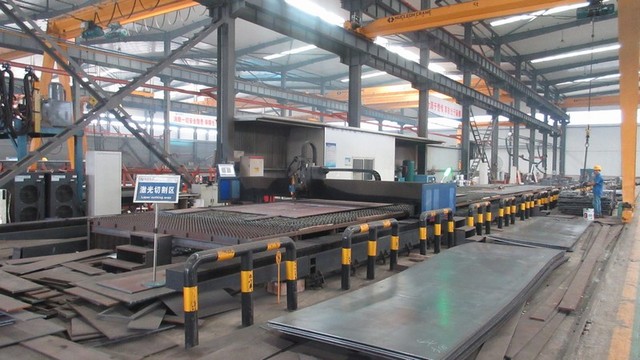
Ningbo Jonas Build Co., Ltd. operates modern production facilities equipped with advanced automated manufacturing lines, precision processing equipment, and strict quality inspection systems. Supported by a skilled team of engineers and technical specialists, the company offers one-stop services covering project consultation, product design, manufacturing, quality assurance, packaging, and international logistics coordination.
Committed to excellence and customer satisfaction, Ningbo Jonas Build Co., Ltd. has established long-term business relationships with clients across Asia, Europe, the Middle East, Africa, and the Americas. The company remains dedicated to providing reliable insulated building panel solutions that support sustainable construction and create long-term value for customers worldwide.
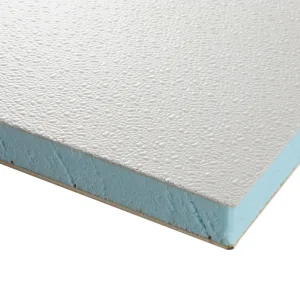
Using continuous polyurethane (PU) foaming processes, we ensure absolute consistency in core density, eliminating structural voids and ensuring high load-bearing performance.
Our geographical position in Ningbo offers immediate access to high-grade steel sheets, chemical agents, and fiberglass, compressing lead times even during peak seasons.
Every batch of raw material and finished panel undergoes tensile strength, fire retardancy, and dimensional precision testing under ISO 9001:2015 frameworks.
High-performance insulation is not a one-size-fits-all product. Different applications require specific core formulations and outer skin parameters:
Utilizing thick PUR/PIR sandwich panels with cam-lock joints to guarantee airtight, thermal-bridge-free seals. This maintains steady temperatures down to -40°C while minimizing energy consumption in large logistics facilities.
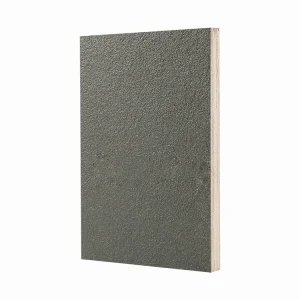
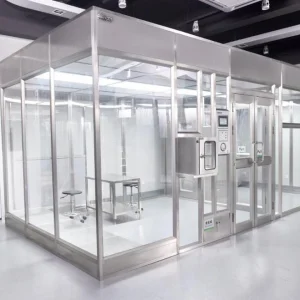
Employing structural sandwich wall panels featuring anti-static finishes, non-outgassing cores, and integrated flush-mounted windows. These panels satisfy ISO 7 Class requirements and protect sensitive manufacturing zones from contamination.
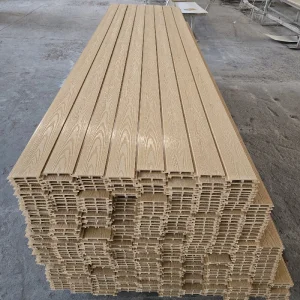
Engineered fiberglass (FRP) and honeycomb panels combine low weight with high impact resistance, making them ideal for temperature-controlled transit, dry-freight truck bodies, and modular housing units.
| Insulation Core Type | Density Range (kg/m³) | Thermal Conductivity (W/m·K) | Fire Classification (EN 13501) | Primary Advantages |
|---|---|---|---|---|
| PU / PIR (Polyurethane) | 38 - 42 | 0.019 - 0.022 | B1, B2, Cs2d0 | Highest thermal efficiency, excellent structural rigidity, closed-cell moisture resistance. |
| EPS (Expanded Polystyrene) | 15 - 25 | 0.033 - 0.038 | B1, Flame Retardant | Extremely lightweight, cost-effective, ideal for cleanrooms and indoor partitions. |
| XPS (Extruded Polystyrene) | 32 - 45 | 0.028 - 0.030 | Class E / B1 optional | High compressive strength, near-zero water absorption, perfect for floor & underground insulation. |
| Aluminum Honeycomb | 50 - 80 | Contact for details | Non-combustible A2 | Extreme flatness, high impact resistance, lightweight strength for interior walls/ceilings. |
The insulation sector is adapting to meet modern regulatory and architectural needs. Three major trends are driving the development of new products:
PUR (Polyurethane) and PIR (Polyisocyanurate) are both closed-cell insulation materials, but they differ in chemical composition and performance. PIR is produced with a higher ratio of isocyanurate, which forms stronger chemical bonds. This makes PIR panels more resistant to high temperatures, enabling them to achieve superior fire ratings (such as B1 Class under European codes) compared to standard PUR panels.
Cleanrooms require materials that do not release particulates or support microbial growth. High-performance sandwich panels feature flat, non-porous outer layers—such as powder-coated steel or FRP—which are easy to sanitize. Their structural stability also helps maintain airtight seals, preventing air leaks and contamination.
Thicker panels provide lower thermal transmittance (U-value) and higher thermal resistance (R-value). For instance, a 150mm PIR panel is ideal for low-temperature freezers (-30°C to -40°C), as it limits heat infiltration to keep refrigeration systems running efficiently. Selecting the appropriate thickness prevents condensation and helps lower energy costs.
Procurement managers should request official test documentation for compressive strength, fire ratings, and thermal conductivity. They should also verify the packaging methods, ensuring panels are protected from moisture and impact during maritime transport, and check the manufacturer's experience with customs clearance.
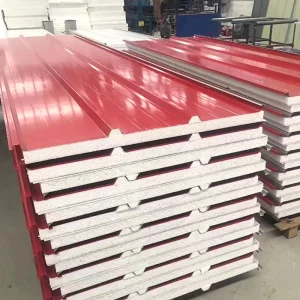
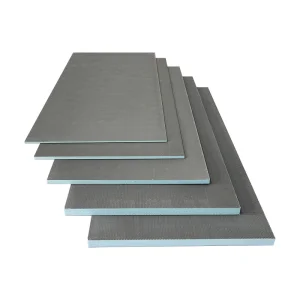
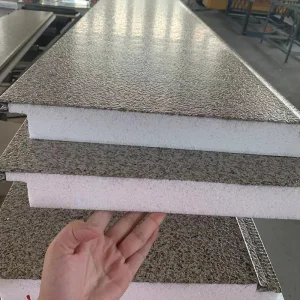
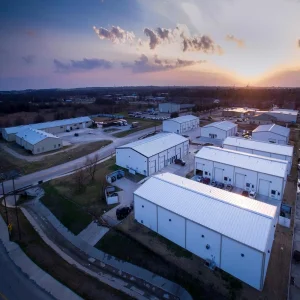
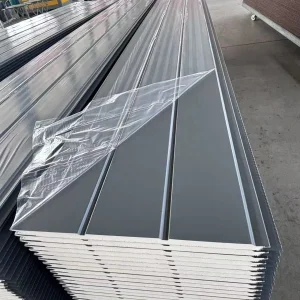
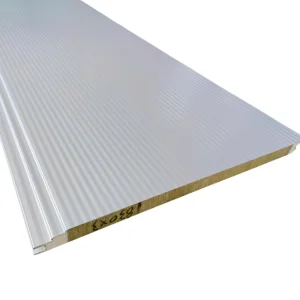
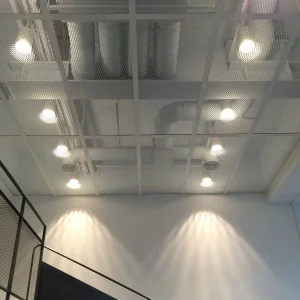

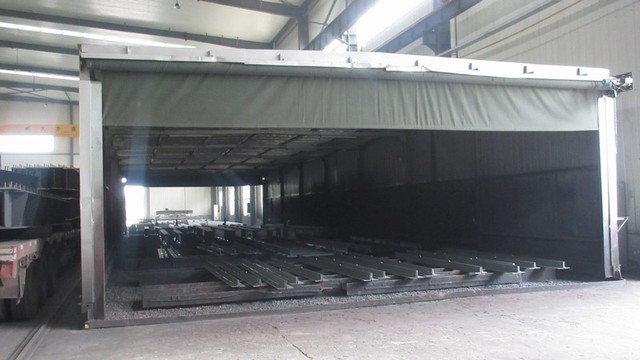
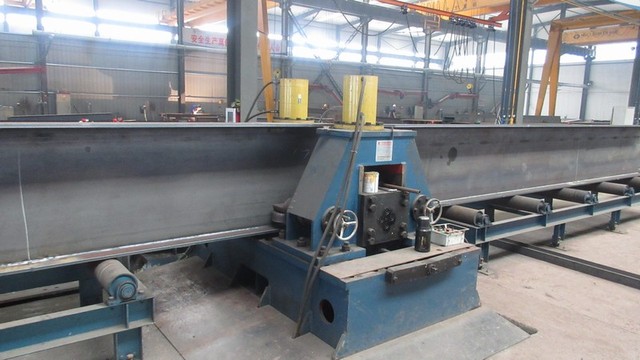
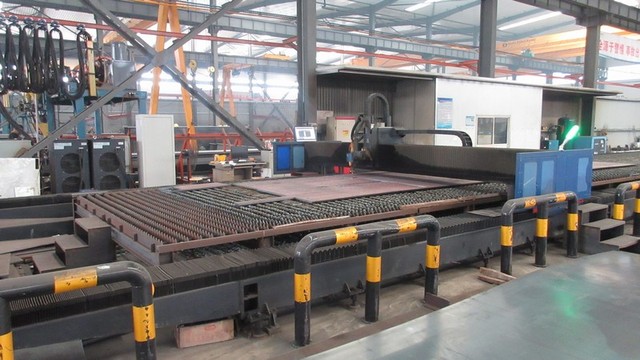
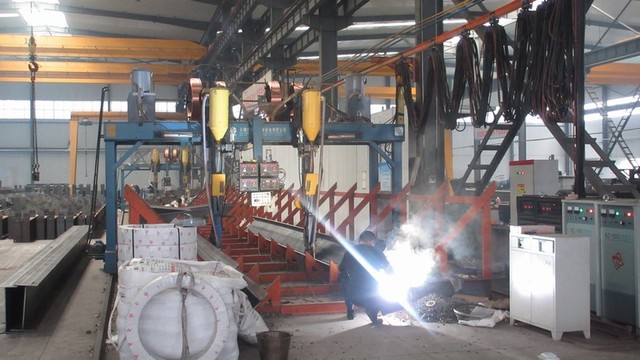
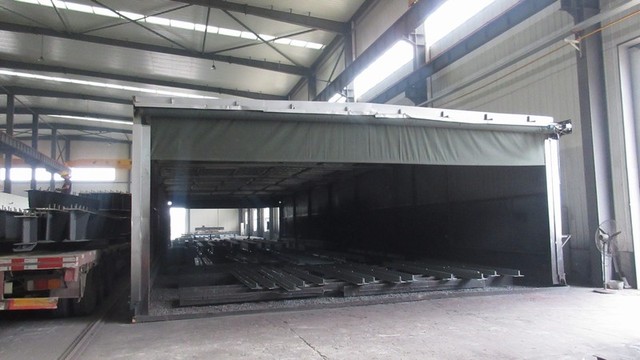
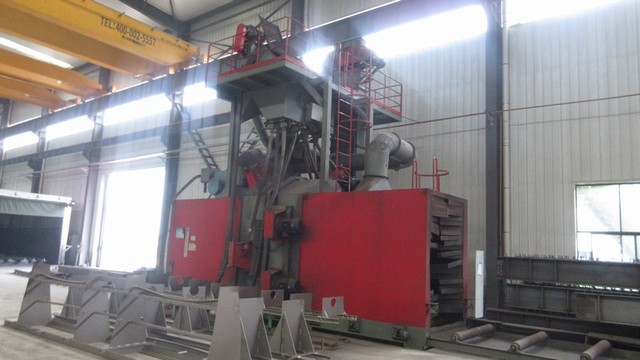
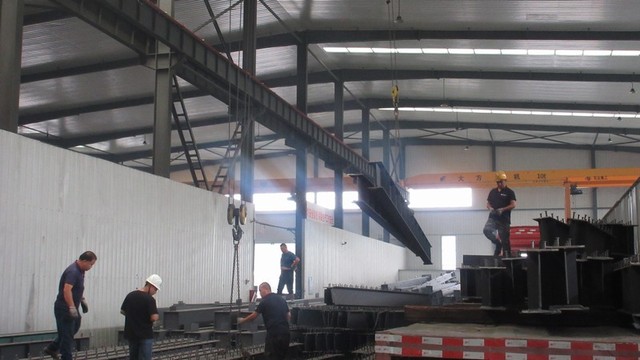
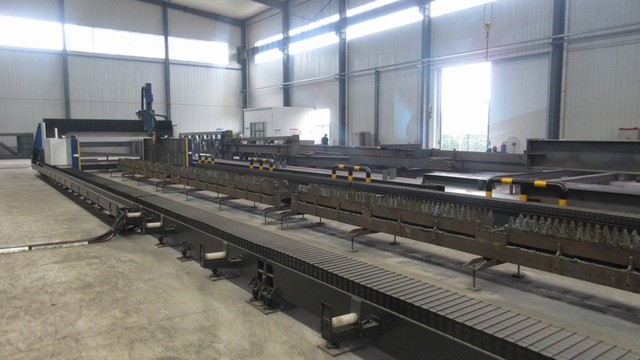
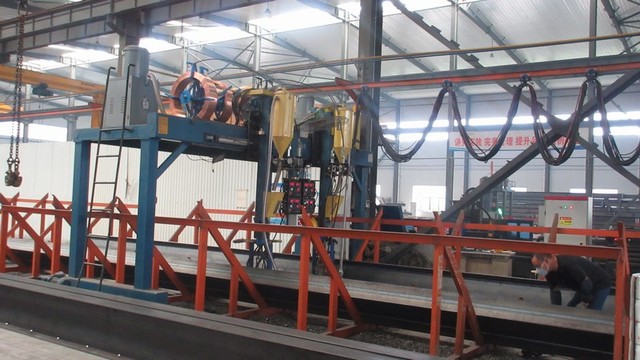
Ningbo Jonas Build Co., Ltd.'s modern facilities feature specialized production sections designed to maintain high quality across all panel types. Our continuous production lines are engineered to keep structural parameters consistent from start to finish.
 Jonas Build