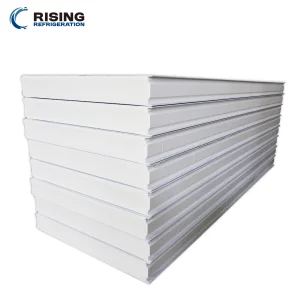
Bangkok operates as the primary economic engine of Thailand and a crucial hub for the Eastern Economic Corridor (EEC). The region's tropical environment imposes persistent challenges: high ambient temperatures reaching 35°C to 40°C, combined with relative humidity levels frequently exceeding 80%. This demanding climate requires high-performance architectural solutions to limit solar heat transfer, reduce interior cooling costs, and control moisture penetration within industrial properties.
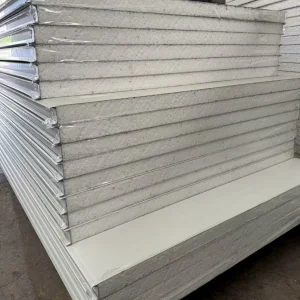
Modern industrial zones surrounding Bangkok, including Samut Prakan, Pathum Thani, and Chachoengsao, are experiencing a shift toward energy-efficient infrastructure. Traditional brick-and-mortar installations are being replaced by lightweight composite envelopes. Expanded Polystyrene (EPS) insulated panels have become a leading standard for these envelopes, offering strong thermal resistance (R-values), rapid deployment timelines, and cost efficiency for logistic hubs, food processing facilities, and electronics manufacturing facilities.
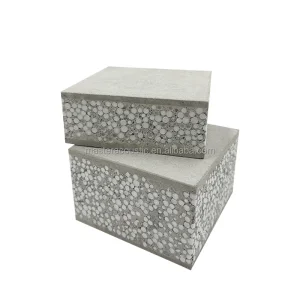
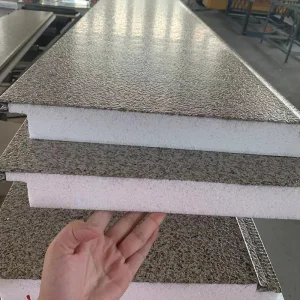
The performance of EPS panels is determined by their core cell structure. Extruded and expanded under precise thermal control, our EPS cores consist of 98% trapped air within a closed-cell matrix. This structure restricts gaseous convection and solid conduction, resulting in a low thermal conductivity ($\lambda \le 0.038 \, \text{W/m}\cdot\text{K}$).
To address structural demands in industrial construction, the skins of our panels are constructed from high-tensile, hot-dip galvanized steel (S250GD to S350GD grades), coated with a protective layer of 120-275 g/m² zinc or zinc-aluminum alloy. The steel is finished with specialized coatings like Silicon Modified Polyester (SMP) or Polyvinylidene Fluoride (PVDF) to prevent corrosion from saline coastal air and industrial emissions in Bangkok's manufacturing corridors.
| Physical Property / Parameter | Standard EPS Panel Specification | PIR (Polyisocyanurate) Core | Rock Wool Core (Heavy Duty) |
|---|---|---|---|
| Density Range (kg/m³) | 12 - 25 kg/m³ | 38 - 42 kg/m³ | 80 - 120 kg/m³ |
| Thermal Conductivity (W/m·K) | 0.033 - 0.038 | 0.020 - 0.023 | 0.040 - 0.044 |
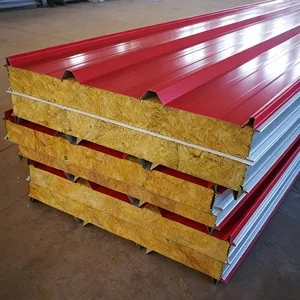
| Fire Behaviour Standard | Class B1 / B2 Self-Extinguishing | Class B-s1, d0 (FM Approved) | Class A (Non-combustible) |
| Moisture Absorption Rate | < 2.0% by volume | < 1.0% by volume | High (requires vapor barriers) |
| Primary Industrial Application | Warehouses, Cleanrooms, External Cladding | Cold Storage & Food Processing | High Fire Risk Zones & Sound Walls |
Our structural insulated panels are engineered to serve as complete, self-supporting building envelope solutions. They are designed to meet structural load capacities, wind deflection ratings, and thermal insulation targets for several key applications:
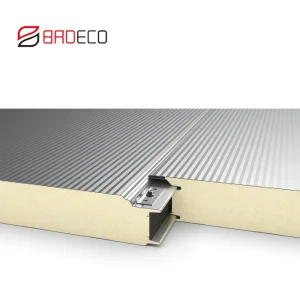
Industrial Design Insight: For projects in tropical regions, panel joint design is critical. Our double-tongue and groove interlocking joint profiles, combined with polyurethane sealants, form a vapor barrier that prevents humid air infiltration and thermal loss.
Exporting to Thailand requires compliance with local building standards. Our design and manufacturing processes match standard technical specifications, ensuring compliance with local regulatory frameworks:
Ningbo Jonas Build Co., Ltd. is a manufacturer specializing in insulated building panel solutions for global industrial and commercial construction projects. With extensive industry experience and advanced manufacturing capabilities, we deliver high-quality, energy-efficient, and customized panel systems designed to meet international specifications.
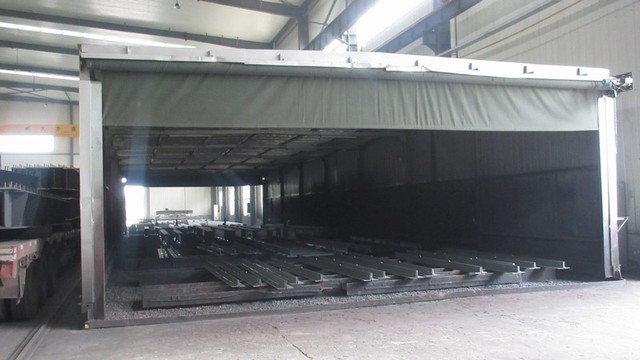
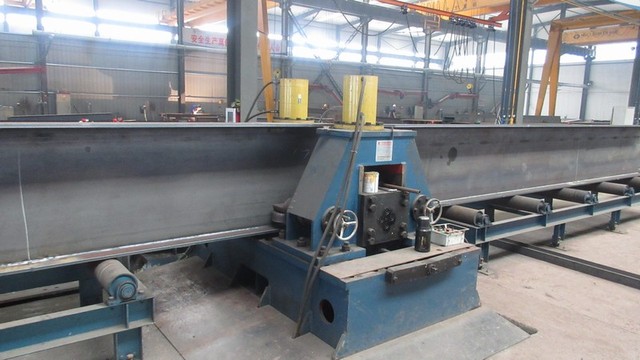
Operating out of our modern production facility, we utilize automated, continuous laminating lines that ensure high bonding strength and dimensional accuracy. Our strategic location near Ningbo Port enables efficient ocean freight logistics to Bangkok Port (Khlong Toei) and Laem Chabang. This supply chain layout supports reliable delivery schedules and cost-efficient shipping for projects across Thailand.
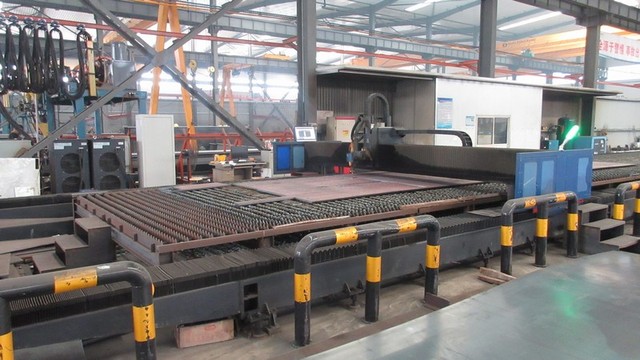
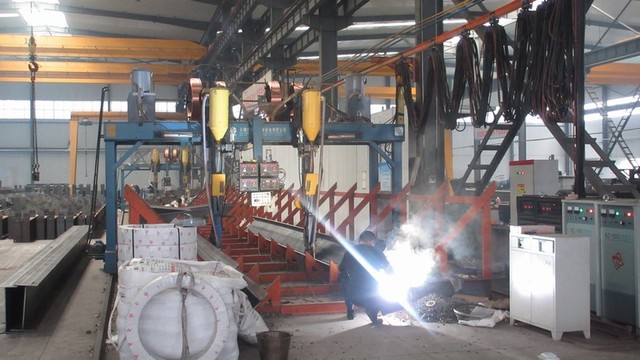
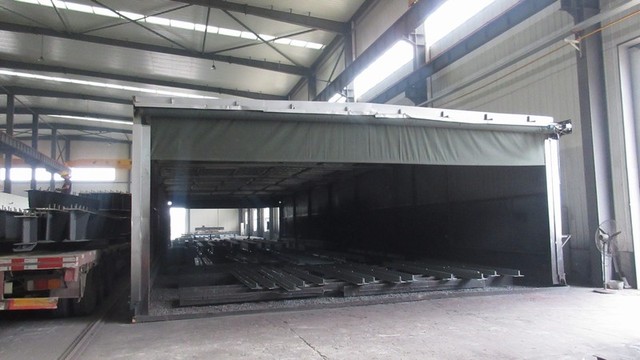
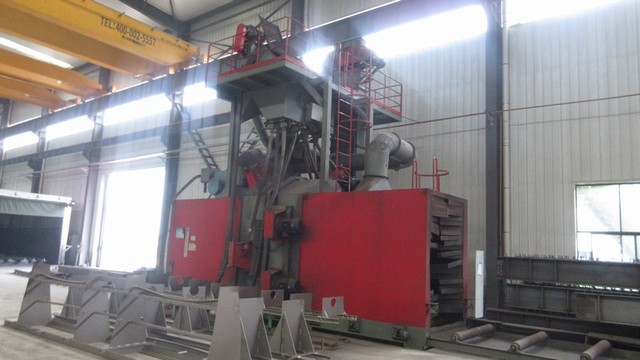
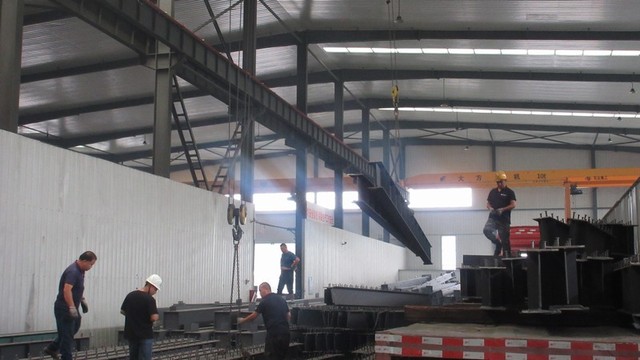
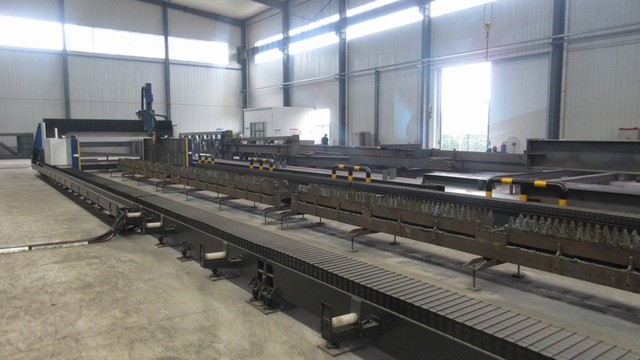
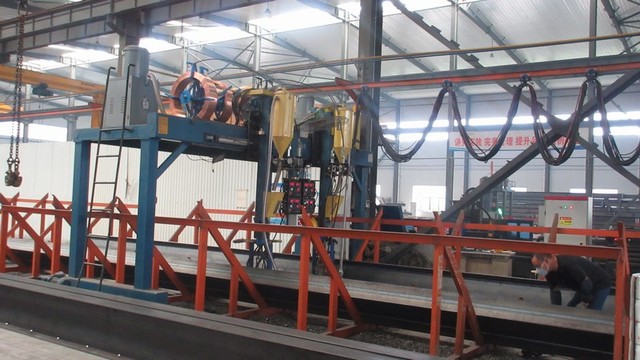
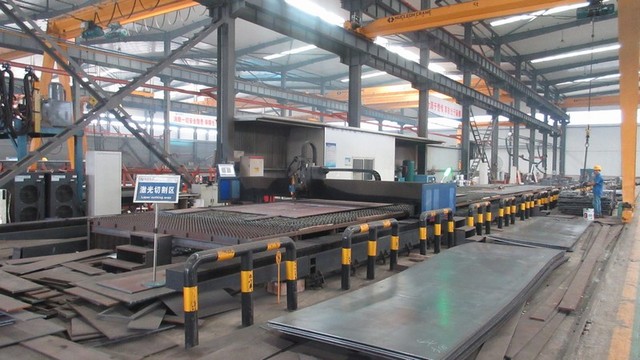
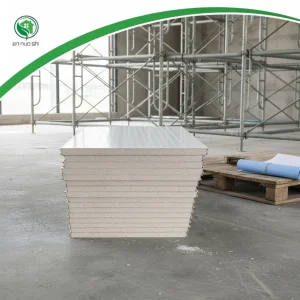
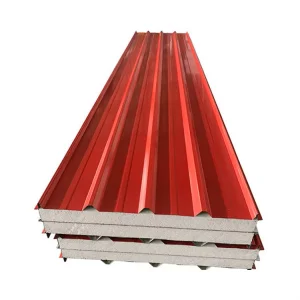
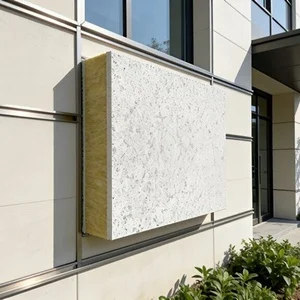
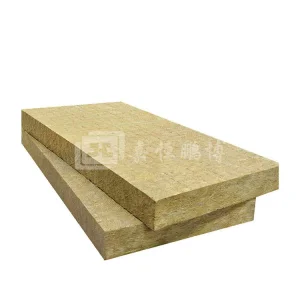
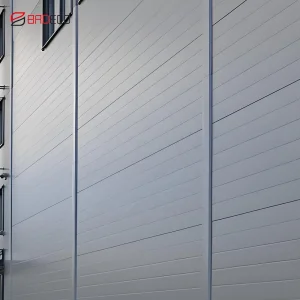
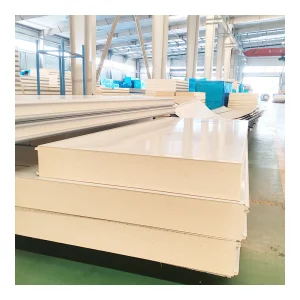
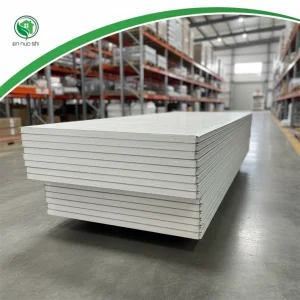
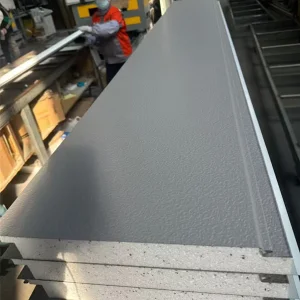
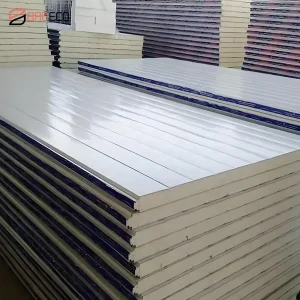
Importing directly from specialized manufacturers like Ningbo Jonas Build Co., Ltd. provides cost efficiencies through automated, continuous production lines. This setup supports consistent product quality, custom sizing options, and precise skin coatings (like PVDF or SMP) to withstand coastal salinity, while maintaining competitive pricing even when accounting for transit costs to Bangkok Port or Laem Chabang.
Our EPS panels feature closed-cell structures that restrict moisture absorption (<2% by volume). Combined with airtight tongue-and-groove joints and proper polyurethane sealing, they prevent warm, humid air from infiltrating building envelopes. This design reduces condensation risks and energy consumption for mechanical cooling systems in tropical environments.
Yes. Our EPS panel cores are treated with flame-retardant additives, matching Class B1 and B2 fire performance classifications. While they are suitable for general logistics and commercial envelope systems, we also manufacture Rock Wool core panels for projects requiring strict non-combustible Class A fire performance ratings.
Typical factory production times range from 14 to 21 days, depending on customization options and order volumes. Shipping transit from Ningbo Port to Bangkok Port (Khlong Toey) or Laem Chabang typically takes 7 to 10 days, supporting predictable project timelines for contractors in Thailand.
Have technical questions or need load tables for your Bangkok project?
Send Inquiry Now Jonas Build