Sweden is one of the most environmentally progressive building markets globally. With the nation aiming to achieve carbon neutrality by 2045, the construction sector is subjected to strict carbon lifecycle assessments and energy efficiency standards. The Swedish National Board of Housing, Building and Planning (Boverket) enforces rigorous thermal performance directives via the Boverket's Building Regulations (BBR). These regulations mandate strict U-values for the building envelope to limit space heating requirements.
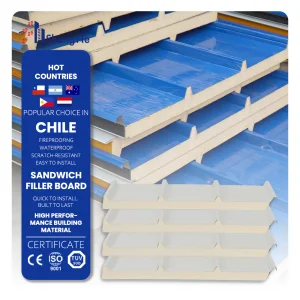
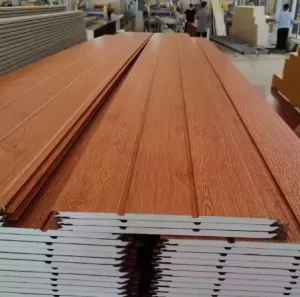
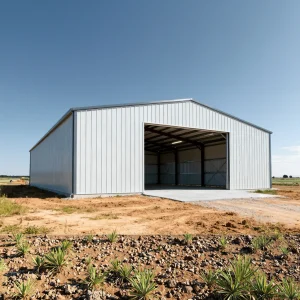
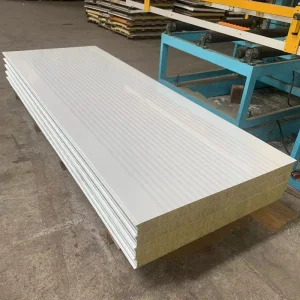
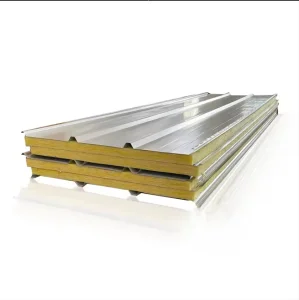
In this challenging regulatory framework, structural insulated panels (SIPs) and sandwich cladding play a critical role. Industrial complexes, distribution hubs, cold storage spaces, and modular public projects depend on advanced thermal barrier elements to prevent thermal bridging and minimize interior HVAC load in Sweden's sub-zero winters. High-density PIR (Polyisocyanurate) and Rockwool core structural sandwich panels offer optimal thermal resistivity ($R$-value) per unit thickness, ensuring swift compliance with BBR thermal standards without reducing useable building space.
Sweden is divided into distinct climate zones (from Zone 1 in the Arctic North to Zone 4 in the South). Each zone requires unique external wall and roof structural configurations to prevent internal interstitial condensation. Our technical department offers customized calculations for local environmental parameters:
| Swedish Zone | Recommended Panel Core | Target U-Value |
|---|---|---|
| Zone 1 (Norrland) | 200mm PIR / Rockwool | $\le 0.11\text{ W}/(\text{m}^2\cdot\text{K})$ |
| Zone 2 (Central North) | 150mm - 180mm PIR | $\le 0.13\text{ W}/(\text{m}^2\cdot\text{K})$ |
| Zone 3 & 4 (Stockholm/South) | 100mm - 120mm PIR | $\le 0.15\text{ W}/(\text{m}^2\cdot\text{K})$ |
Selecting the appropriate core material and outer metal skin is vital to ensure structural integrity and mechanical longevity. The table below outlines the core properties of sandwich panels engineered for commercial and industrial structures in the Swedish market:
| Insulation Core Type | Density Range ($\text{kg/m}^3$) | Fire Classification (EN 13501-1) | Compressive Strength (kPa) | Primary Industrial Use Cases |
|---|---|---|---|---|
| PIR (Polyisocyanurate) | $38 - 42$ | B-s1, d0 (Flame Retardant) | $\ge 120$ | Logistics centers, deep-freeze cold storage, cleanroom partitions. |
| Rockwool (Mineral Fiber) | $100 - 120$ | A1 / A2-s1, d0 (Non-Combustible) | $\ge 60$ | High fire-risk boundary walls, manufacturing zones, biomass plants. |
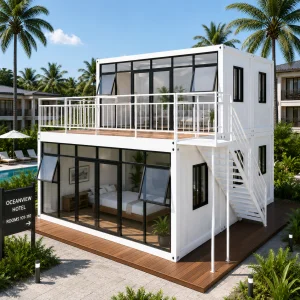
| PUR (Polyurethane) | $35 - 40$ | B-s2, d0 | $\ge 100$ | General HVAC ducting, modular construction, standard commercial facade cladding. |
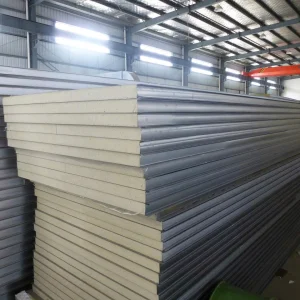
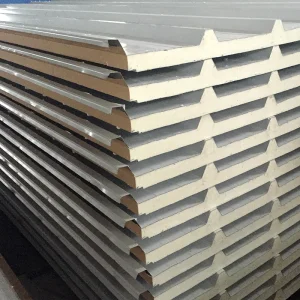
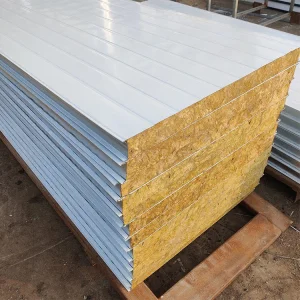
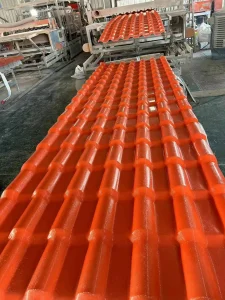
Ningbo Jonas Build Co., Ltd. is a professional industrial construction panel manufacturer specializing in insulated building envelope solutions for global industrial and commercial projects. Serving demanding Northern European markets, particularly Sweden, we design and produce sandwich panels that balance thermal efficiency, fire safety, and mechanical performance.
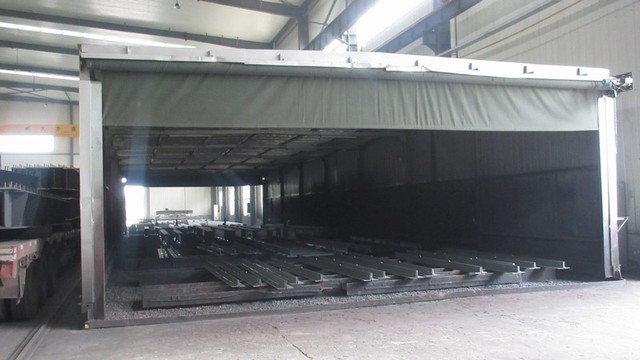
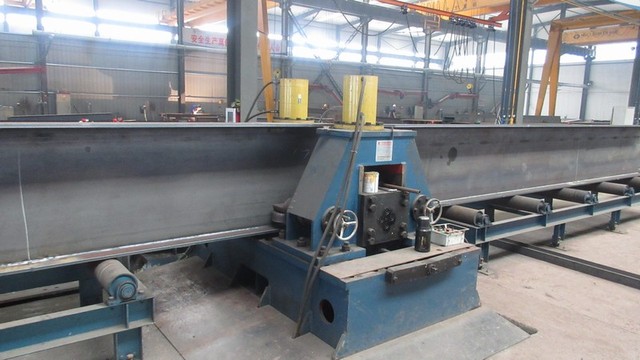
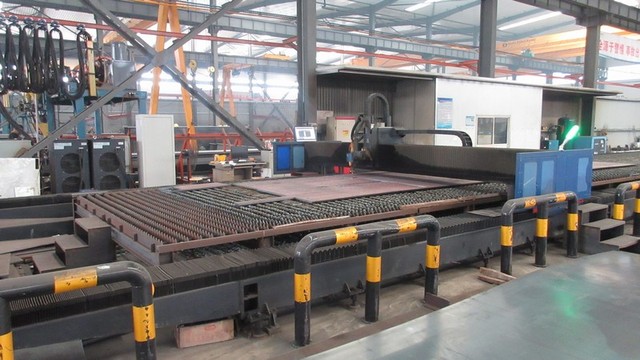
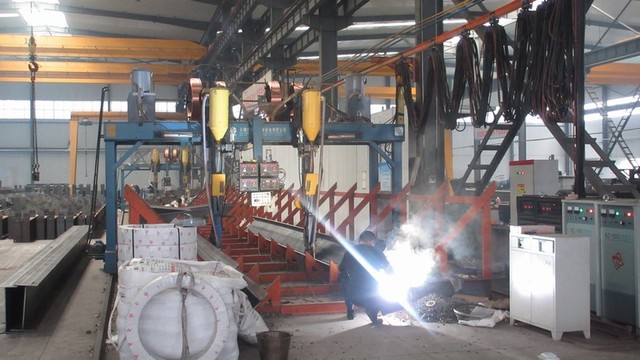
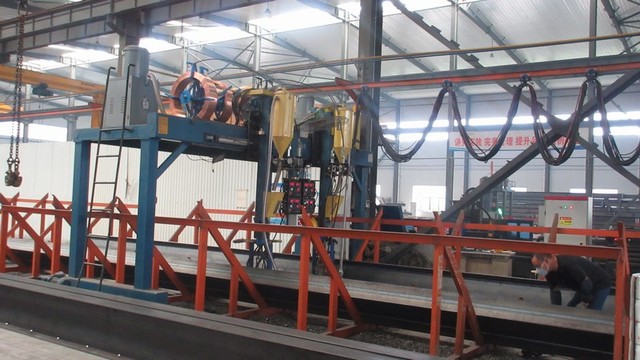
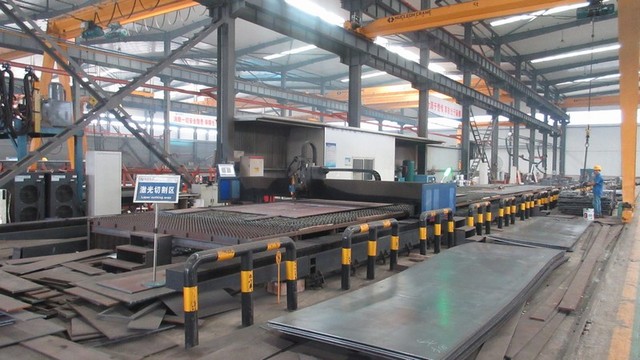
Our production facilities utilize modern automated continuous production lines, ensuring high precision in polyurethane injection, rock wool slicing, density distribution, and profile lamination. We work with leading steel suppliers to provide dynamic corrosion-resistant skins, utilizing high-durability coatings (such as PVDF and heavy-duty zinc-aluminum alloys) that match Sweden’s high humidity and coastal marine environments (RC5 corrosion-class equivalent). From structural load calculations to project shipping schedules, our technical engineering team delivers a complete solution for contractors and installers.
Sweden experiences intense winter snowfalls, especially in Norrland, alongside high wind loads in coastal districts along the Baltic Sea and Kattegat. Standard sandwich panels can fail under these stresses without correct structural calculations. Our structural panels are tested and certified to withstand localized snow load limits (tested in accordance with EN 1991-1-3) and wind suction dynamics (tested in accordance with EN 1991-1-4).
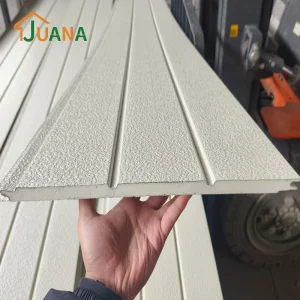
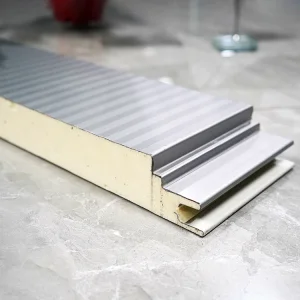
We provide structural load-span tables for engineers, illustrating the maximum permissible span between supports under varying load conditions. In addition, our interlocking tongue-and-groove joint geometry prevents moisture ingress and air infiltration. This structural seal ensures airtight wall configurations, preventing thermal bridging and protecting the building core from structural degradation.
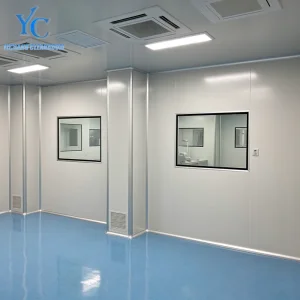
Our sandwich panel joint systems can be integrated with butyl sealing tapes, ensuring water tightness and air barrier integrity. This detail is crucial for cold storage and cleanroom construction in the Nordic region, maintaining dry insulation cores and structural performance.
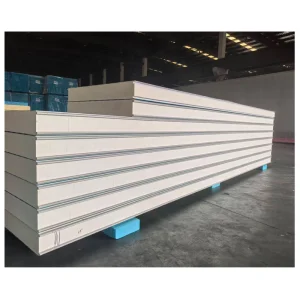
Importing construction elements demands structured quality control, reliable logistics, and strict regulatory documentation. Ningbo Jonas Build Co., Ltd. coordinates sea freight shipments to key Swedish ports, including Gothenburg, Stockholm, Helsingborg, and Malmö. We package all panels in heavy-duty sea freight packaging to prevent edge damage and surface scratches during transport.
Each shipment is dispatched with quality control certificates, material test reports, and installation guides. To match local site requirements, we produce panels in custom lengths (up to 12 meters) and offer precut openings for doors, windows, and utility conduits, saving installation time on site.
We support Swedish architects, structural engineers, and contractors with CAD detail design assistance, thermal calculations, and custom panel coatings. Our goal is to ensure a smooth transition from project drawings to site installation.
 Jonas Build