Advanced structural cladding configurations optimized for Vietnam's rapidly rising infrastructure developments, high thermal load environments, and severe fire protection safety criteria.
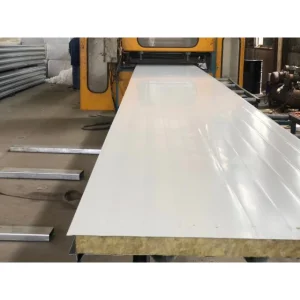
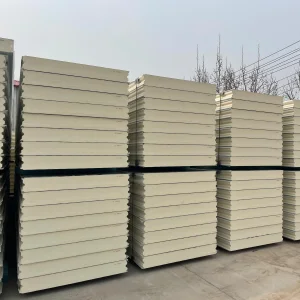
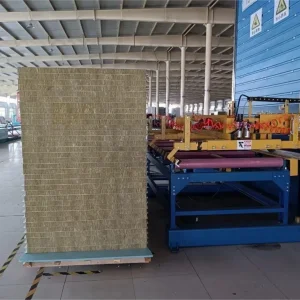
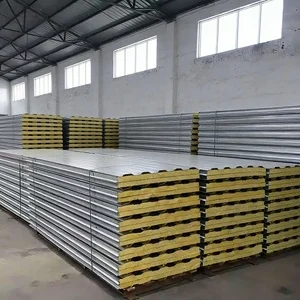
As the economic driver of Vietnam, Ho Chi Minh City (HCMC) and its surrounding industrial provinces (Binh Duong, Dong Nai, and Long An) are experiencing a profound transformation in manufacturing infrastructure. High-value manufacturing sectors, such as semiconductors, biotechnology, FMCG, and automotive, require modern facilities that meet international engineering standards. This demand is particularly high in economic zones like the Saigon Hi-Tech Park (SHTP) and Thu Duc City.
The tropical monsoon climate of Southern Vietnam, characterized by year-round high temperatures and relative humidity levels often exceeding 80%, presents challenges for structural building envelopes. Traditional brick-and-mortar or uninsulated sheet-metal building designs suffer from substantial thermal bridging, causing high HVAC energy bills and structural sweating. High-performance Rock Wool Sandwich Panels offer a solution by providing low thermal conductivity alongside structural strength.
Under the national mandate of the Vietnamese Ministry of Construction (MOC) and updated fire codes (including the stringent QCVN 06:2022/BXD requirements), industrial builders can no longer use sub-standard panel envelopes. Modern construction projects demand high R-value insulation, certified non-combustibility, acoustic damping, and fast modular installation capabilities to achieve accelerated returns on capital investment.
Industrial structural engineering must integrate global sustainability standards like LEED, BREEAM, and LOTUS to remain competitive and meet modern efficiency requirements.
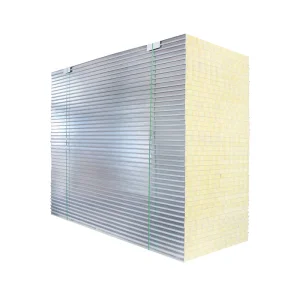
By implementing a high-density, basalt-based rock wool core, thermal conductivity (λ) is stabilized at 0.038 W/m·K. This performance reduces heat transfer into manufacturing spaces, lowering HVAC electricity consumption in tropical zones by up to 35%.
Our solutions meet Class A1 non-combustibility criteria, providing up to 120-240 minutes of structural integrity under intense thermal exposure. This level of protection helps safeguard logistics hubs and processing plants against fire hazards.
These recyclable envelope systems contain zero ozone-depletion chemicals, supporting LEED certification efforts. They also provide the structural rigidity required for the installation of roof-mounted photovoltaic solar arrays.
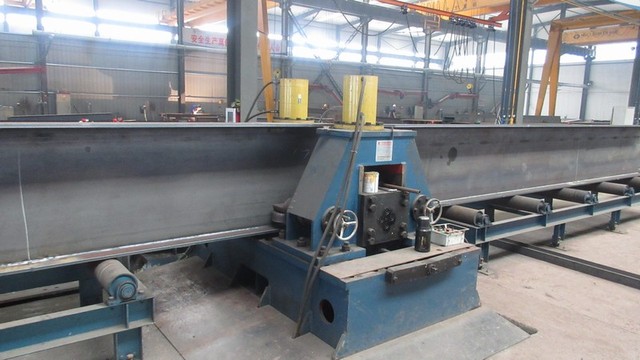
Ningbo Jonas Build Co., Ltd. is a China-based industrial construction panel manufacturer specializing in insulated building panel solutions for global industrial and commercial construction projects. With extensive industry experience and advanced manufacturing capabilities, the company delivers high-quality, energy-efficient, and customized panel systems designed to meet the diverse requirements of customers worldwide.
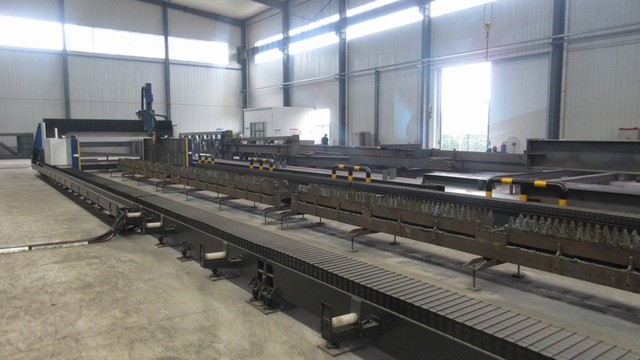
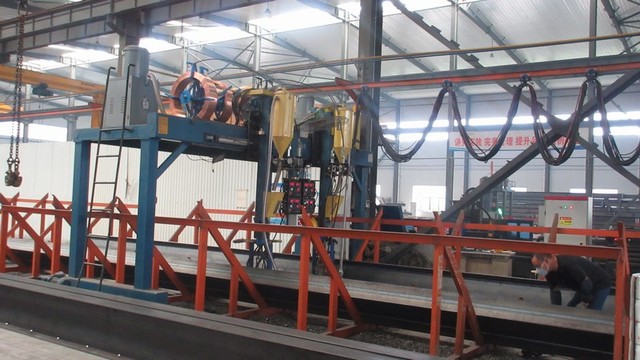
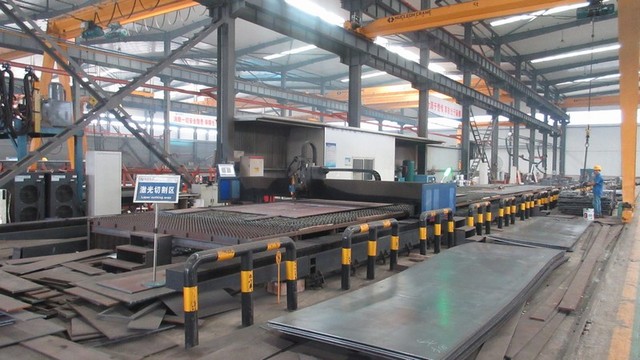
Operating modern production facilities equipped with advanced automated manufacturing lines, precision processing equipment, and strict quality inspection systems, the company provides a comprehensive product portfolio. This includes insulated sandwich panels, industrial wall panels, roofing panels, cold room panels, cleanroom panels, fire-rated panels, and customized building envelope solutions. These panels are engineered for thermal performance, structural reliability, and rapid onsite installation, making them suitable for industrial plants, warehouses, logistics centers, cold storage facilities, commercial buildings, modular construction projects, and infrastructure developments.
Supported by a team of engineers and technical specialists, Ningbo Jonas Build Co., Ltd. offers end-to-end services. These cover project consultation, custom product design, manufacturing, quality assurance, export packaging, and international logistics coordination to major industrial entry hubs, including Ho Chi Minh City’s Cat Lai Port.
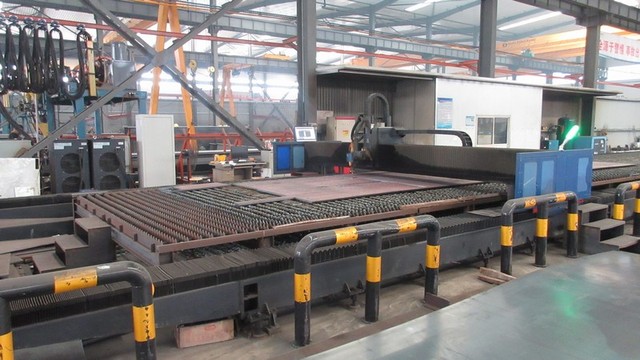
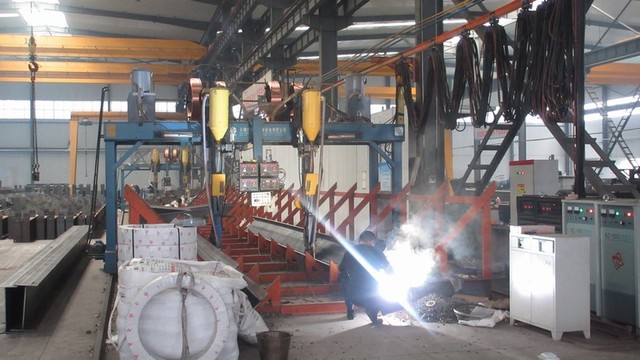
Jonas Build utilizes double-belt automated continuous production lines, high-precision slitting units, and pressure-bonding systems to ensure dimensional accuracy and consistent core-to-steel adhesion.
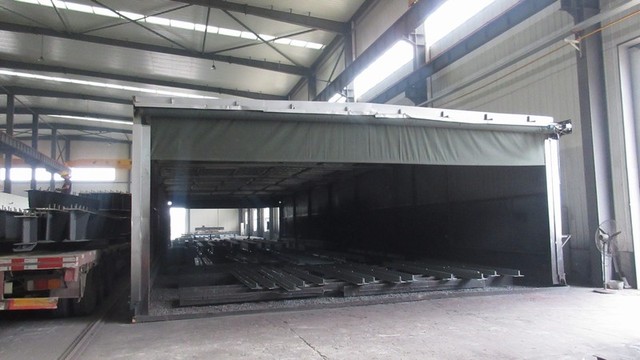
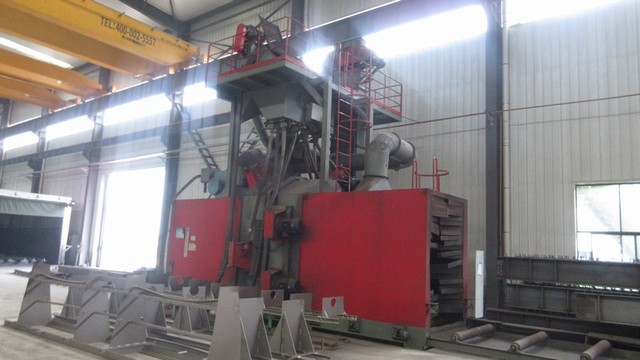
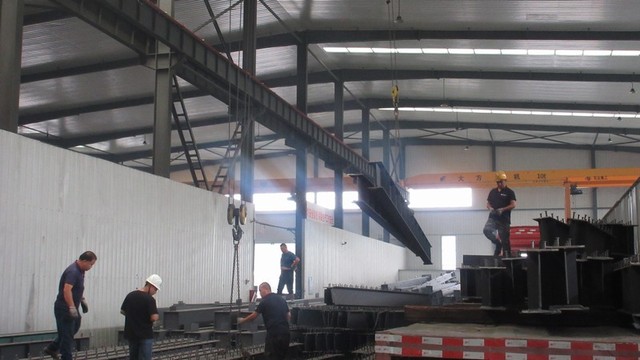
Optimized envelope configurations designed to meet the performance, structural, and regulatory requirements of specific industries across Southern Vietnam.
1. Semiconductor & Biotech Cleanrooms (SHTP): For high-precision manufacturing, micro-contamination control is essential. Cleanroom-grade wall panels feature specialized anti-static PVDF coatings and dust-proof zinc-coated steel skins. The high-density rock wool core provides vibration-damping properties to help isolate sensitive lithography and biological synthesis equipment.
2. E-Commerce & FMCG Cold Logistics Hubs: Cold chain logistics require consistent thermal performance. By combining high-density rock wool cores with specialized polyurethane edge-seals (PU-edge Rock Wool panels), these panels prevent vapor infiltration and convective heat transfer at the joints. This design supports the strict thermal control required for refrigerated pharmaceutical and food storage.
3. Heavy Industrial Assembly & Chemical Plants: Facilities in industrial zones face higher risk profiles. Wall boards with 150kg/m³ rock wool cores provide structural stability and fire containment, helping to prevent fire spread in hazardous areas. These systems comply with the fire compartmentation requirements of QCVN 06:2022/BXD.
| Parameters | Standard Configuration | Heavy Duty Cleanroom |
|---|---|---|
| Core Density | 80 - 100 kg/m³ | 120 - 150 kg/m³ |
| Steel Skin Thickness | 0.4 mm - 0.6 mm | 0.6 mm - 0.8 mm (PVDF coating) |
| Fire Resistance Duration | E60 - EI120 | EI180 - EI240 |
| Sound Transmission Loss | 32 dB (50mm thickness) | > 45 dB (150mm thickness) |
| Joint Interface | Z-Lock / Standard Joint | Double-tongue & Groove (Hermetic) |
Explore our full range of insulated products. Every panel is customizable in core density, thickness, and color to meet the specific requirements of project designers and structural engineers.
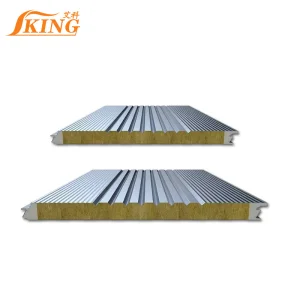
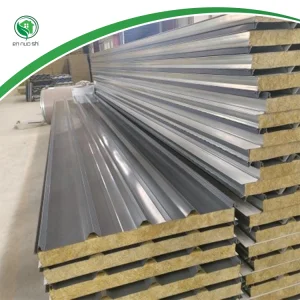
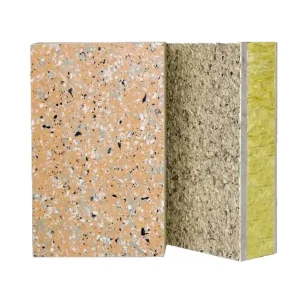
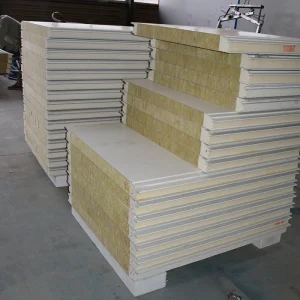
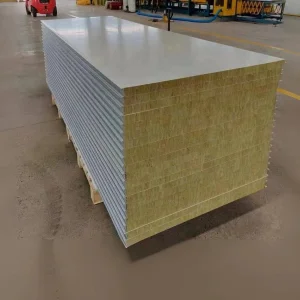
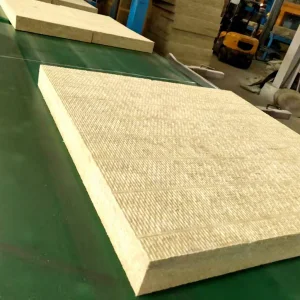
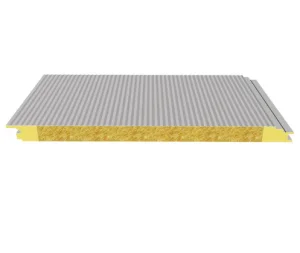
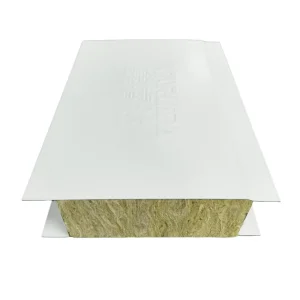
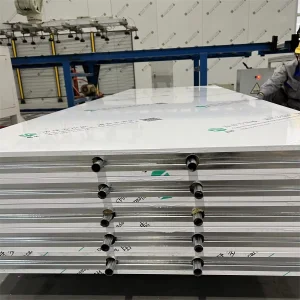
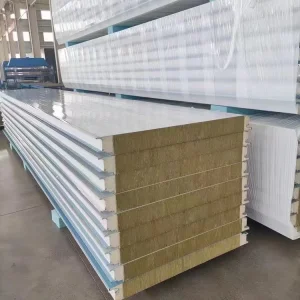
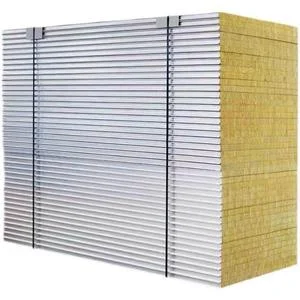
In Vietnam's modern regulatory climate, structural components must meet specific compliance and testing standards. Jonas Build's rock wool panel manufacturing systems are certified to align with these requirements, helping builders secure faster regulatory approvals from the Ministry of Construction (MOC).
Fire Performance Certification (QCVN 06:2022/BXD): This code governs fire safety requirements for buildings in Vietnam. Our rock wool cores are composed of spun basalt fibers with a melting point exceeding 1000°C. This composition qualifies the panels as non-combustible building materials. They are tested under EN 13501-1 and standard ISO furnace profiles, securing Class A1 certification. Depending on core thickness (50mm to 200mm), the panels achieve ratings from EI60 to EI240.
Anti-Corrosion Durability in Marine Environments: Due to Ho Chi Minh City's proximity to coastal channels and the saline atmospheric conditions near Saigon Port and Cat Lai Port, the durability of steel cladding is critical. Jonas Build addresses this by utilizing galvanized structural steel sheets (Z120 to Z275 coatings) and specialized topcoats (such as PVDF or high-durability polyester paint). These finishes provide resistance against chemical degradation, salt spray, and UV fading.
One of the primary concerns for contractors managing industrial projects in Thu Duc, Binh Duong, or Long An is supply chain reliability. Delays in panel delivery can disrupt construction schedules and increase costs. Jonas Build addresses this by utilizing the established maritime route between the Port of Ningbo and Cat Lai Port.
Export-Grade Protection Packaging: To prevent damage during international transport, each panel batch is wrapped in protective PE film, stacked with heavy-duty EPS block spacers, and secured on timber pallets. The bundles are loaded into high-cube ocean containers to protect against moisture exposure, physical impacts, and seawater during transit.
Shorter Transshipment Lead Times: Shipping directly from Ningbo Port to Cat Lai Port typically takes 8 to 12 days. Jonas Build assists customers with trade documentation, providing detailed bills of lading, certificates of origin (Form E to support preferential tariffs under ASEAN-China agreements), packing lists, and mill test certificates to facilitate clear custom clearance at HCMC customs.
We continuously invest in research and development to improve the sustainability, thermal efficiency, and durability of our panel systems.
We are transitioning from standard phenolic-based resins to bio-based binders derived from natural starches and lignin. This reduces the embodied carbon footprint of our panels while maintaining core cohesion.
To simplify onsite electrical installation, we offer customized panels with pre-molded internal routing channels. This design reduces wall penetration and maintains thermal and acoustic performance.
Our roofing systems feature high solar reflectance (SRI) paint coatings. These coatings reflect a portion of solar radiation, reducing heat transfer into building structures in high-solar zones.
Direct technical answers to common questions asked by industrial designers, QA engineers, and contractors in Vietnam.
Connect with our project engineering team. We provide custom core densities, thickness options, and joint designs to meet your building specifications. Get a technical quote within 24 hours.
 Jonas Build