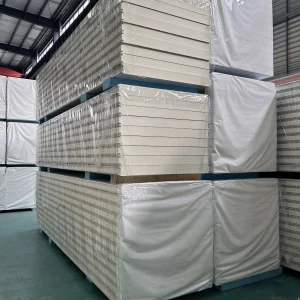
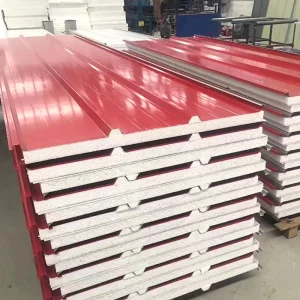
Explore our flagship range of high-efficiency structural sandwich panels, thermal partition cores, and engineering cladding systems.
Ningbo Jonas Build Co., Ltd. stands as a premier China industrial construction panel manufacturer, specializing in state-of-the-art modular insulated building panel solutions. Focused heavily on energy-efficient envelope designs, we fulfill the diverse technical specifications of modern global industrial, institutional, and commercial construction projects.
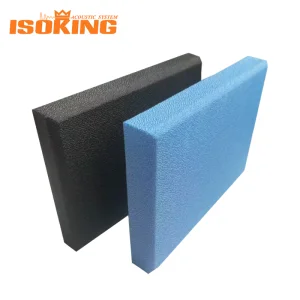
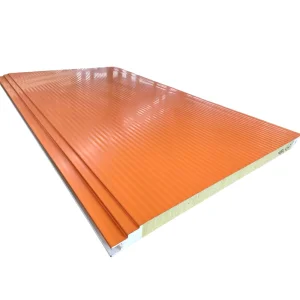
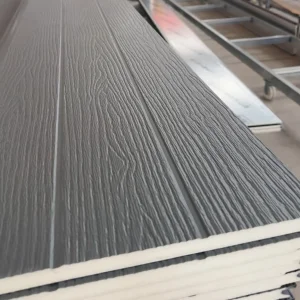
Driven by innovations in building science, our extensive product systems include high-density insulated polyurethane (PU/PIR) sandwich panels, structural rock wool insulation cores, waterproof EPS roof structures, cleanroom partitions, acoustic damping panels, and modular prefabricated cladding kits. Our solutions are engineered to shorten construction schedules, lower building operating costs, and deliver superior fire resistance, thermal envelope integrity, and physical endurance.
Our panels are designed with advanced joint profiles (tongue-and-groove with concealed fasteners) ensuring continuous thermal performance without cold bridges. We source premium raw materials, including high-tensile steel skins coated with PVDF or high-durability polyester, to guarantee long-term corrosion resistance in marine, coastal, and chemical environments.
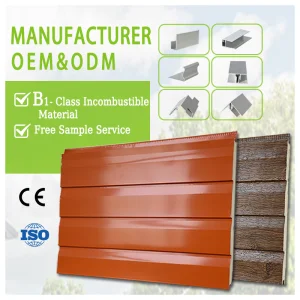
Manufactured in conformity with ISO 9001:2015 and ISO 14001:2015 guidelines. Core products meet international testing criteria, including B1 fire rating under GB 8624, CE standard conformity, and EN 13501-1 fire safety certifications for European market entries.
The transformation of modern industrial envelope design is driven by strict energy codes, the rise of modular construction, and the demand for fast-track building systems.
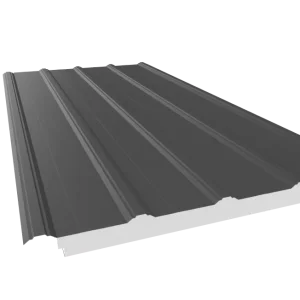
Global regulatory frameworks like the EU Green Deal and ASHRAE 90.1 push the limits of building envelope efficiency. Modular insulated roofs featuring microcellular polyurethane or polyisocyanurate (PIR) cores offer superior R-values per unit of thickness, significantly cutting operational HVAC energy costs in large warehouses.
Labor shortages and rising on-site installation costs are shifting the industry toward off-site construction methods. Factory-controlled production of custom modular insulated roofs ensures that each panel is delivered cut-to-length, prepunched, and detailed to lock into place immediately. This decreases overall project installation time by up to 50% compared to built-up roofs.
Global procurement teams now require suppliers to act as partners, delivering complete systems that include structural panels, matching flashing profiles, vapor barriers, fastener systems, and sealants. Custom OEM profile configurations enable architects to maintain visual consistency while meeting specific thermal and acoustics requirements.
Analyze physical parameters, thermal behavior, and structural limits across our core insulation options to make informed procurement decisions.
| Insulation Core Type | Thermal Conductivity (W/m·K) | Avg. Density Range (kg/m³) | Fire Classification | Primary Industrial Application | Water Absorption Rate |
|---|---|---|---|---|---|
| Polyurethane (PU/PIR) | 0.019 – 0.023 | 38 – 42 kg/m³ | B1 (GB8624) / Class 1 (FM4880) | Cold Storage, Deep Freeze Warehouses | < 1.5% |
| Rock Wool (Mineral Fiber) | 0.035 – 0.040 | 100 – 120 kg/m³ | A1 (Non-combustible) | High Fire-Risk Processing Plants | < 2.0% (Hydrophobic treated) |
| Expanded Polystyrene (EPS) | 0.033 – 0.038 | 15 – 20 kg/m³ | B2 / Self-Extinguishing | Cost-Effective Prefabricated Offices | < 3.0% |
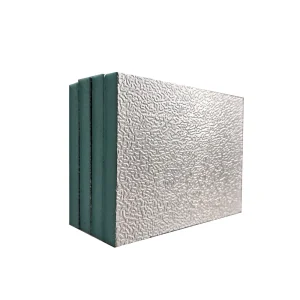
| Pre-Insulated Duct PIR Foam | 0.020 – 0.024 | 45 – 50 kg/m³ | Class 0 (BS 476 Part 6/7) | HVAC Air Duct Systems & Cleanrooms | < 1.0% (Alu foil laminated) |
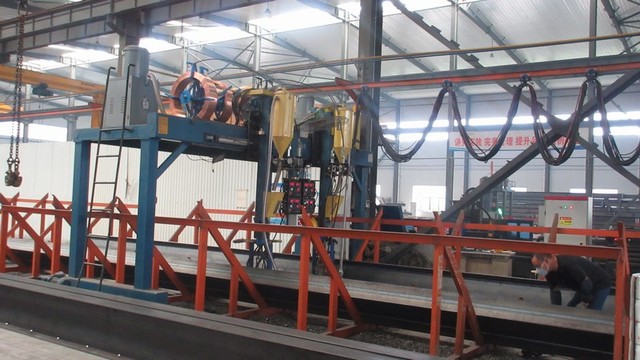
Our manufacturing complex uses continuous double-belt automated laminators, which apply uniform pressure and heat to panels up to 15 meters long. This limits human error, eliminates localized core voids, and keeps thickness tolerances within +/- 0.5mm.
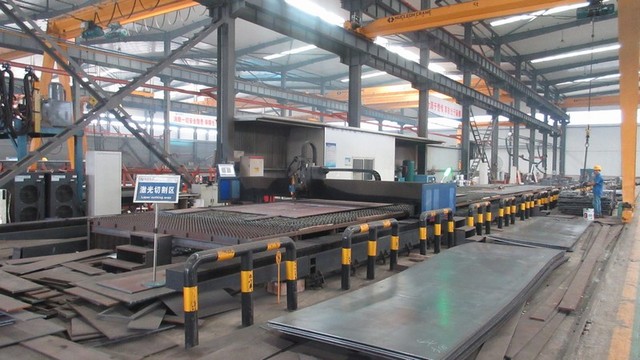
By using computer-controlled cutting tools and automated chemical dosing systems, we maintain stable core densities. This prevents outer-skin delamination over years of thermal expansion and contraction cycles.
Operating from Ningbo, one of China's primary deep-water shipping and manufacturing hubs, Ningbo Jonas Build Co., Ltd. offers significant logistics advantages. We maintain long-term agreements with global steel mills and chemical suppliers, shielding our production runs from sudden market price fluctuations.
Our proximity to Ningbo-Zhoushan Port reduces inland transportation costs and expedites shipping schedules. We coordinate custom timber packaging and steel-framed shipping crates to protect edge details during marine transit, ensuring panels arrive ready for direct-to-roof crane lifts.
Our engineering division supports custom OEM requirements. We can accommodate adjustments in paint coatings (PE, PVDF, HDP), steel thicknesses, profile patterns, and custom packaging configurations to streamline your on-site assembly workflows.
Different industrial environments present unique physical and structural challenges. Our panels are engineered for specific application demands.
Requirement: Continuous thermal insulation, low vapor permeability, and hygienic surfaces.
Solution: Thick PU sandwich panels (100mm to 150mm) with tongue-and-groove joints and integrated gasket tape. Food-safe PVC plastisol coatings or stainless steel skins prevent organic growth and withstand high-pressure washdowns.
Requirement: Zero outgassing, flush joint layouts, and air tightness.
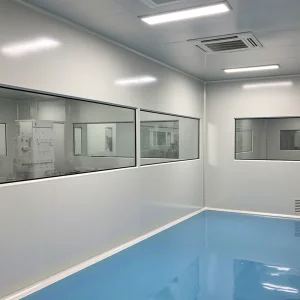
Solution: Specialized cleanroom panels with anti-static powder coatings. Flush-fit profile designs prevent dust accumulation, while central chases allow clean routing of electrical wiring and control utilities.
Requirement: Fire barrier integrity, non-combustible building materials.
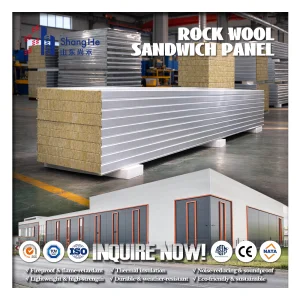
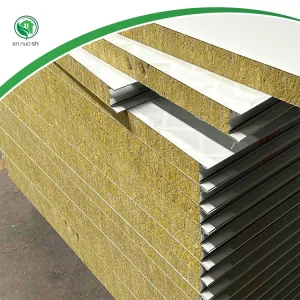
Solution: Rock Wool sandwich panels featuring high-density mineral wool cores oriented perpendicular to the steel skins. This design achieves Class A1 non-combustibility and maintains structural integrity under flame exposure for up to 2 hours.
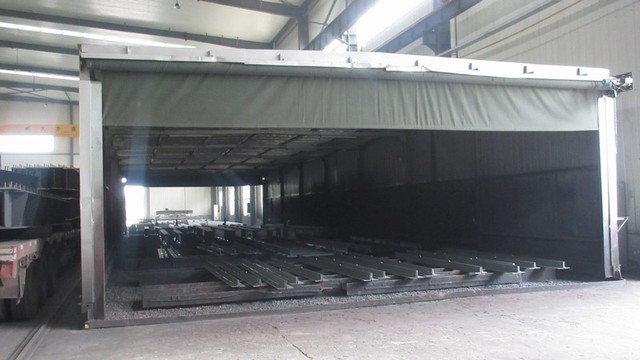
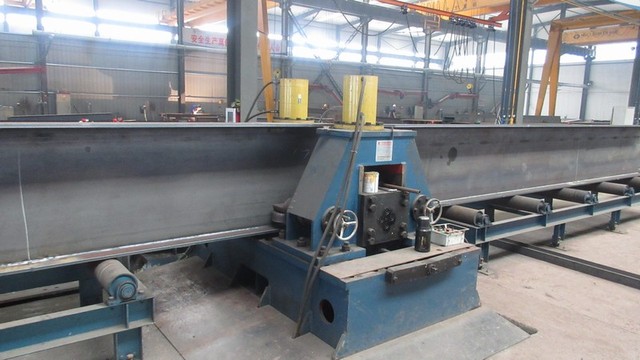
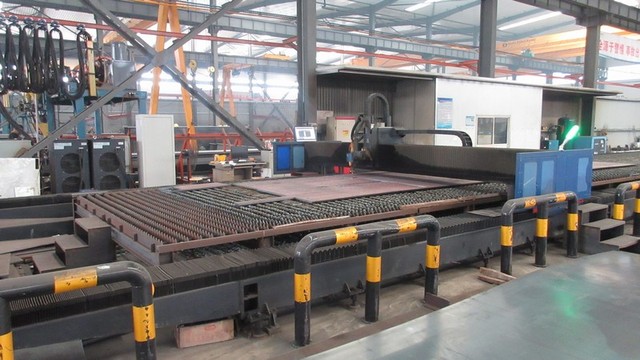
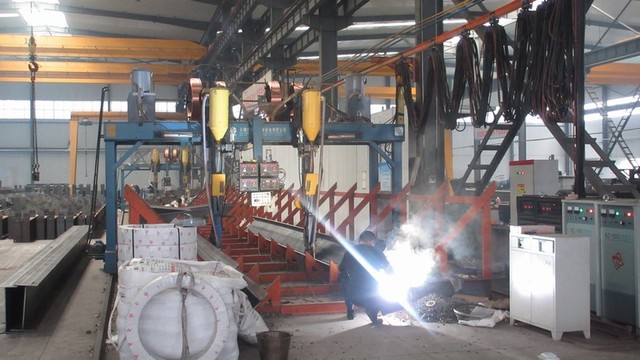
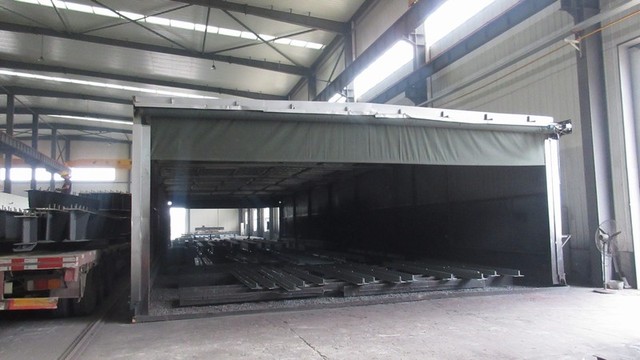
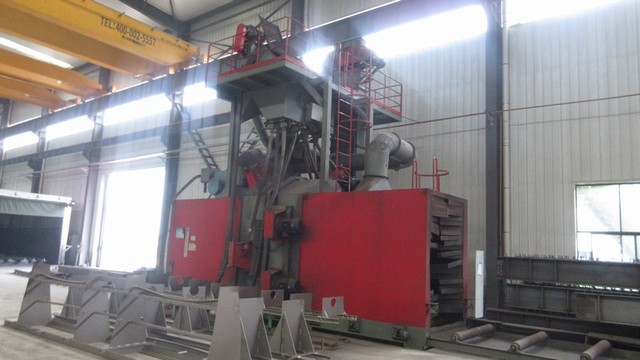
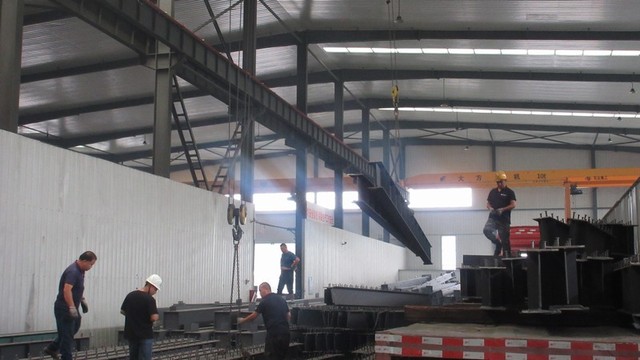
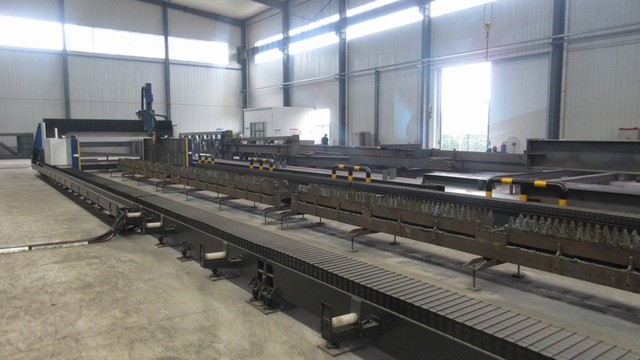
A visual look inside our manufacturing processes, including automated metal profiling, structural foam lamination, and quality inspections.
Common questions from structural engineers, project specifiers, and procurement managers regarding our modular panel systems.
Our polyurethane (PU/PIR) panels use advanced microcellular structures blown with environmentally friendly cyclopentane. Over a 20-year period, the thermal conductivity (K-value) stabilizes at approximately 0.023 W/m·K, retaining over 90% of its initial insulating performance. This is achieved by using diffusion-resistant outer steel skins that prevent gas migration.
The mineral rock wool cores we use are treated with hydrophobic silicon-based additives. This keeps the water absorption rate below 2.0% by volume. Even in high-humidity processing plants or coastal zones, the core material resists moisture accumulation, protecting the steel skin from internal corrosion and preventing microbial growth.
Yes. For fertilizer plants, composting facilities, or chemical processing sites, we offer custom steel skin coatings. Options include PVDF (Polyvinylidene Fluoride) coatings, HDP (High-Durability Polyester), or SS304/SS316 stainless steel skins. These coatings prevent corrosion from chemical vapors and high-concentration saline environments.
Our standard insulated roof panels feature overlapping joints with factory-applied PVC foam sealing tape. For cold storage and cleanrooms, we offer tongue-and-groove connections that pull tight using integrated cam-locks. This system forms a vapor-tight seal, eliminating cold bridges and condensation risks.
Panel load capacities depend on core thickness, steel skin gauge, and span distance. Our engineering department provides load-span tables for each panel configuration. Standard 100mm PU roof panels installed at 3-meter spans can withstand typical wind uplift forces up to 1.5 kPa. This performance can be enhanced with larger steel washer plates during installation.
Typical production times for custom runs are 15 to 20 days from drawing confirmation. Marine shipping from Ningbo Port to main European, Middle Eastern, or North American ports ranges between 20 and 40 days. In total, expect panels to arrive on-site within 45 to 60 days from final order approval.
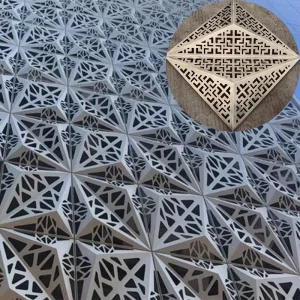
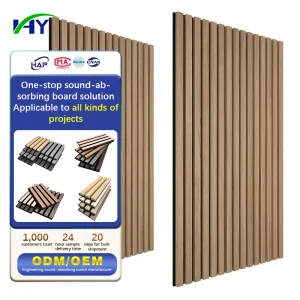
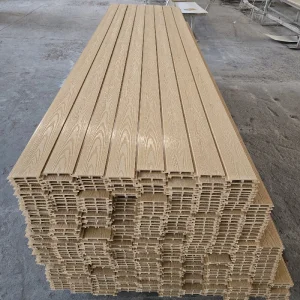
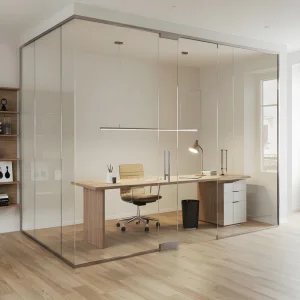
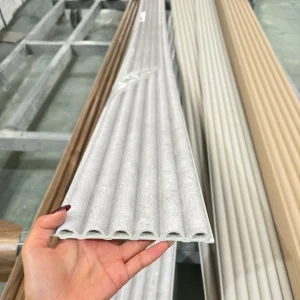
Explore our architectural facade components, noise reduction partitions, cleanroom wall systems, and high-performance pre-insulated duct panels.
 Jonas Build